Children remember animals. A monkey eyeing their snack at Grand Etang, a goat nibbling at their sleeve on an estate, a turtle the size of a small car hauling itself up a dark beach: these are the moments that come up years later. Grenada does not have large zoos or theme parks, but it has wildlife and farm animals close enough to the main roads to fit into a family day.
This guide sets out where children can see animals, which experiences suit which ages, and the rules that protect both the animals and your children. Some encounters, especially turtle watching, depend on the season and on conservation decisions made each year, so treat timings as a guide and confirm locally.
Mona monkeys at Grand Etang
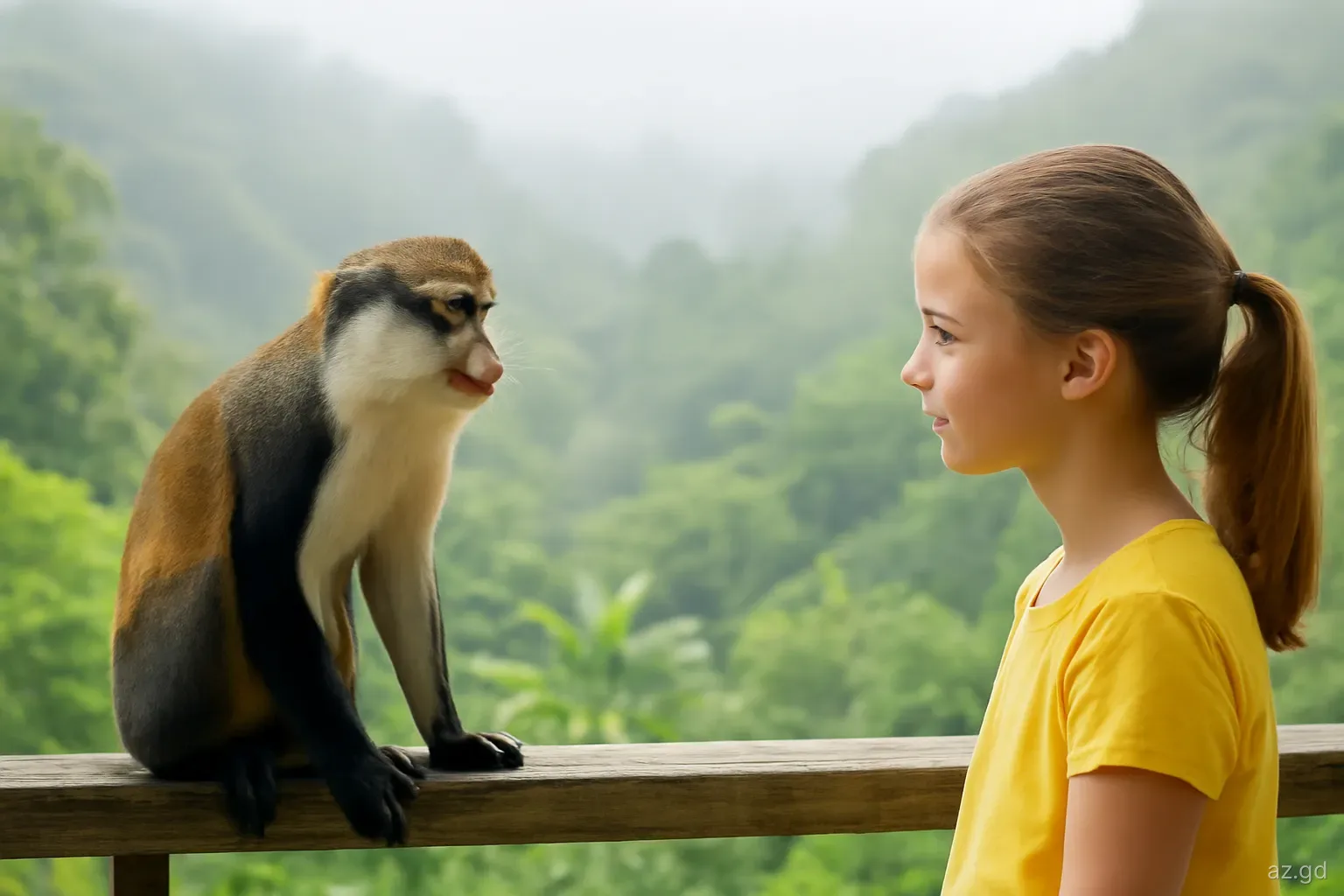
The Mona monkey was brought to Grenada from West Africa centuries ago and now lives wild in the forests of the interior, especially around Grand Etang National Park and Forest Reserve in St Andrew's. The park sits on the main road across the mountains between St George's and Grenville, around 30 to 40 minutes' drive from the south coast. A visitor centre near Grand Etang Lake charges a small entrance fee, which has been in the region of US$2 per person; confirm the current rate on arrival.
Monkeys are often seen near the roadside stops and the visitor centre, sometimes in groups, but they are wild and sightings are not guaranteed. Mornings are usually best. You may find people at the roadside with a monkey on a lead or offering photo opportunities for a fee; many visitors prefer to avoid these, as it encourages keeping wild animals captive.
With children, the key rules are simple: do not feed the monkeys, do not let children approach or try to touch them, and keep food out of sight. Monkeys that associate people with food can snatch bags and bite. Grand Etang is also cooler and wetter than the coast, so bring a light top for children, and be prepared for mud on the trails.
Leatherback turtles at Levera and the north-east
The season. Leatherback turtles, the largest living turtles, nest on beaches in the north-east of Grenada, most famously Levera Beach in St Patrick's. Nesting generally runs from about March to August, with a peak around April to June. Hatchlings emerge roughly two months after eggs are laid.
How to watch. Turtle watching should only be done with an authorised guided tour. The community organisation SPECTO (the St Patrick's Environmental and Community Tourism Organisation) has run night tours, typically starting with a briefing in the evening and continuing on the beach until late, working with the Fisheries Division. Levera is a protected area, and access to the beach at night during the nesting season is restricted.
Check the current year. Tours are not guaranteed every season. In June 2025 SPECTO closed its tours for the rest of that season after a sharp fall in the number of nesting females seen on Levera. Before planning a trip around turtles, contact the organisers directly.
Is it right for your child? Turtle watching means a late night, a long wait in the dark, sand and mosquitoes, and complete silence and stillness near the animal. It works for patient children of about eight and up. Younger children often fall asleep before a turtle appears.
Rules on the beach. No torches or phone lights except the guide's red light, no flash photography, no touching the turtle or the eggs, and stay behind the animal. Light disorientates turtles and hatchlings.
Farm animals and estates
For younger children, farm animals are often a bigger hit than wildlife because they can get close. Options to ask about:
- Belmont Estate, St Patrick's. The working cocoa estate keeps animals that families can visit, including goats, and has been known for its goat dairy. A visit combines easily with lunch at the estate and a look at cocoa drying.
- Roadside livestock. Goats, sheep and cows are tethered along verges and in fields all over the island. Children enjoy spotting them from the car, but they should not approach tethered animals without the owner's permission.
- Chickens and ducks in villages. Free-roaming poultry is part of rural life; drive slowly in villages and remind children not to chase them.
- Horse riding. Riding has been offered at times on beaches and trails in the south; availability changes, so ask your accommodation for a current, reputable operator and check that helmets are provided for children.
Birds, lizards and small creatures to spot
Grenada is a good place to turn children into wildlife spotters without any special trip. Hummingbirds visit flowering plants in gardens and hotel grounds, bananaquits (small yellow-breasted birds) will try to steal sugar from café tables, and egrets follow cattle in the fields. In the evening, tree frogs make the high-pitched whistling chorus that surprises many visitors; finding one with a dim torch around a garden is a good bedtime adventure.
Lizards, including small anoles that puff out a coloured throat fan, are everywhere and harmless. Larger iguanas live in some coastal areas. The nine-banded armadillo, known locally as tatou, and the opossum, called manicou, live in Grenada but are mostly nocturnal and shy. The island's national bird, the Grenada Dove, is critically endangered and found only in a few dry forest areas in the south-west; seeing one is unlikely and should only be attempted with a specialist guide who knows how to avoid disturbing the birds.
Give children a simple checklist of animals to spot over the trip. It turns long drives and slow mornings into a game.
Under the water without diving
Snorkelling from the beach. Calm Caribbean-side spots such as parts of Grand Anse and Morne Rouge suit confident young swimmers with a snorkel and mask. Stay in shallow, clear water and avoid standing on coral.
Glass-bottom and snorkel boat trips. Several operators run boat trips from the Grand Anse and St George's area over the reefs and the Molinere Underwater Sculpture Park, where sculptures sit in shallow water. These let non-swimmers and small children see fish and sculptures from the boat. Check that life jackets in children's sizes are on board.
Rock pools. At low tide, rocky shores reveal crabs, small fish and anemones. Teach children to look, not touch, and wear water shoes against sea urchins.
Fishing boats and fish markets. Watching fishermen bring in their catch in Gouyave, Grenville or at the fish market in St George's is a lively way to see tuna, mahi-mahi and other species up close, and it starts a good conversation about where food comes from.
When to go for which animals
Wildlife in Grenada follows the seasons less dramatically than in temperate countries, but timing still matters. Turtle nesting is the clearest example: a family visiting in January will not see leatherbacks, while one visiting in May has the best chance, conditions permitting. Hatchlings, which emerge from nests and scramble to the sea, are most likely to be seen from around May to August, again only with an authorised guide.
Birdlife is visible all year, though migrating shorebirds pass through the lagoons and wetlands from roughly August to April. Monkeys at Grand Etang can be seen in any month, but heavy rain in the wet season keeps them, and visitors, under cover. Tree frogs are loudest after rain, so the wet season brings the best evening choruses.
For the reefs, the sea on the Caribbean side is usually calmer and clearer in the drier months from January to May, which helps small snorkellers and glass-bottom boat views. Boat trips run all year, but are more often affected by weather from June to November.
Common mistakes with animals
Most problems are avoidable with a little preparation:
- Feeding monkeys, birds or fish. It harms the animals and teaches monkeys to approach people aggressively.
- Paying for photos with captive wild animals. It encourages trapping and poor welfare.
- Turning up at Levera at night without a guide. Access is restricted in the nesting season and unguided visits disturb turtles.
- Touching coral or picking up starfish. Both are easily damaged; take photos instead.
- Letting children pet stray dogs. Many are friendly, but some are not, and bites need medical attention.
- Chasing lizards or crabs into holes and rock crevices, where small fingers can be pinched or scraped.
- Leaving food scraps around a holiday villa, which draws ants, rats and stray animals to the doorstep.
Frequently asked questions
Where can children see monkeys in Grenada?
Mona monkeys live wild in the forest around Grand Etang National Park and Forest Reserve in the centre of the island. They are often seen near the visitor centre and roadside stops, especially in the morning, but sightings are never guaranteed.
When is turtle season in Grenada?
Leatherback turtles nest on beaches in the north-east, especially Levera, from about March to August, with a peak around April to June. Guided tours depend on each season's conditions, so confirm with the organisers before planning.
Is turtle watching suitable for young children?
It is best for patient children aged about eight and older. Tours take place late at night, involve waiting quietly in the dark and require following strict rules about lights and noise. Younger children often struggle to stay awake.
Can kids feed the monkeys at Grand Etang?
No. Feeding wild monkeys is discouraged because it changes their behaviour, makes them bolder around people and can lead to bites or stolen bags. Keep food packed away and watch from a respectful distance.
Are there zoos in Grenada?
Grenada does not have a large public zoo. Children see animals in the wild, on estates and farms, on boat trips over the reefs and in villages. Small private animal attractions may operate from time to time; ask locally about current options.