Building rather than buying lets you choose the view, the layout and the standard of construction, and on the right plot it can cost less than a comparable finished villa. It also means managing an architect, a planning application, a contractor and a construction site in a climate that tests every joint, often from another country. Projects that go well are planned in detail before the first block is laid.
This page follows the sequence from buying land to moving in: choosing a plot, getting approval from the Planning and Development Authority, designing for hurricanes and earthquakes, choosing and paying a contractor, and budgeting realistically. Costs are indicative and move with material prices, so get local quotes for your own project.
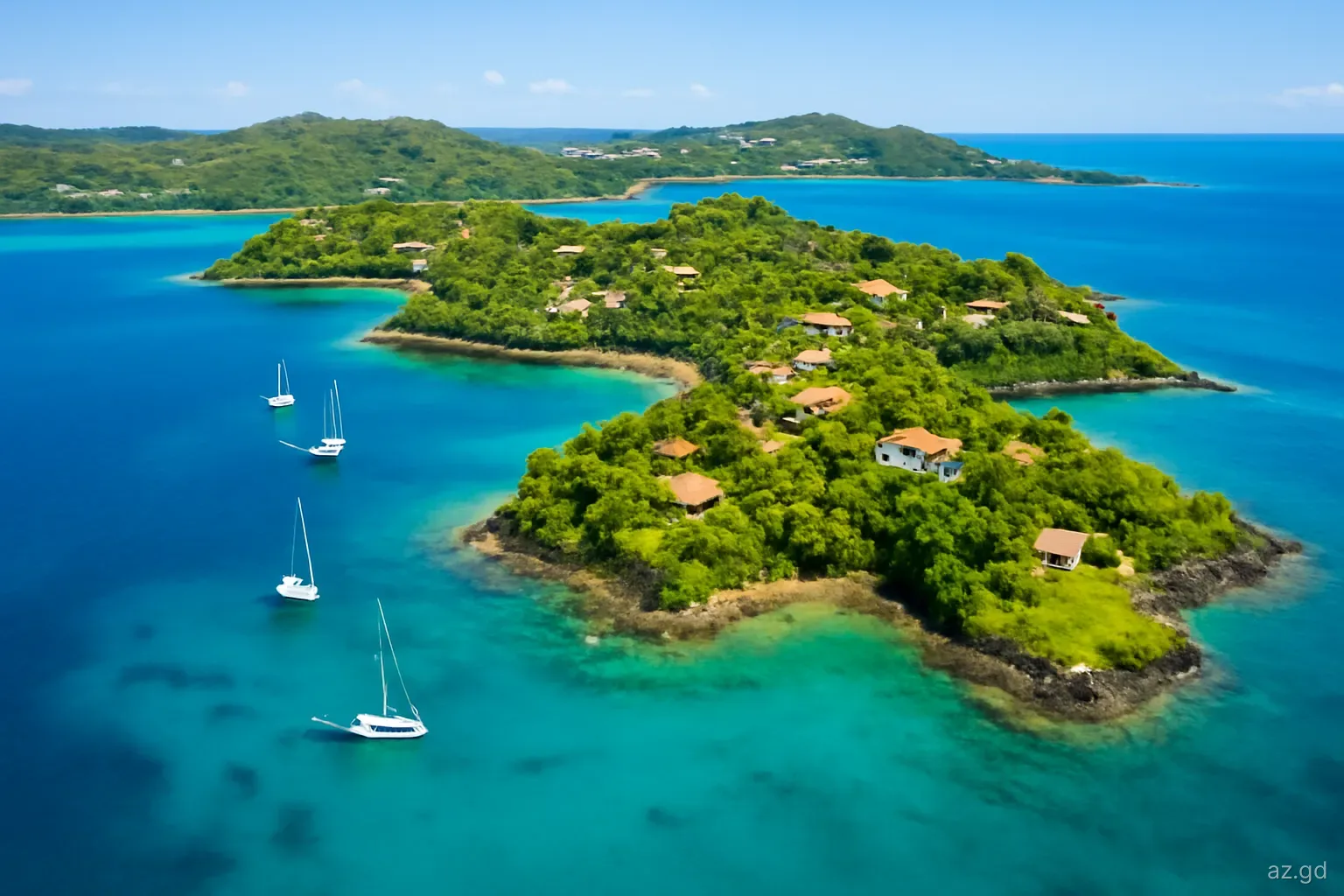
Choosing land that can actually be built on
Access. Confirm there is a legal right of way to the plot, not just a track neighbours tolerate. Steep, unpaved access can make delivering materials expensive and some lots almost unusable in the rainy season.
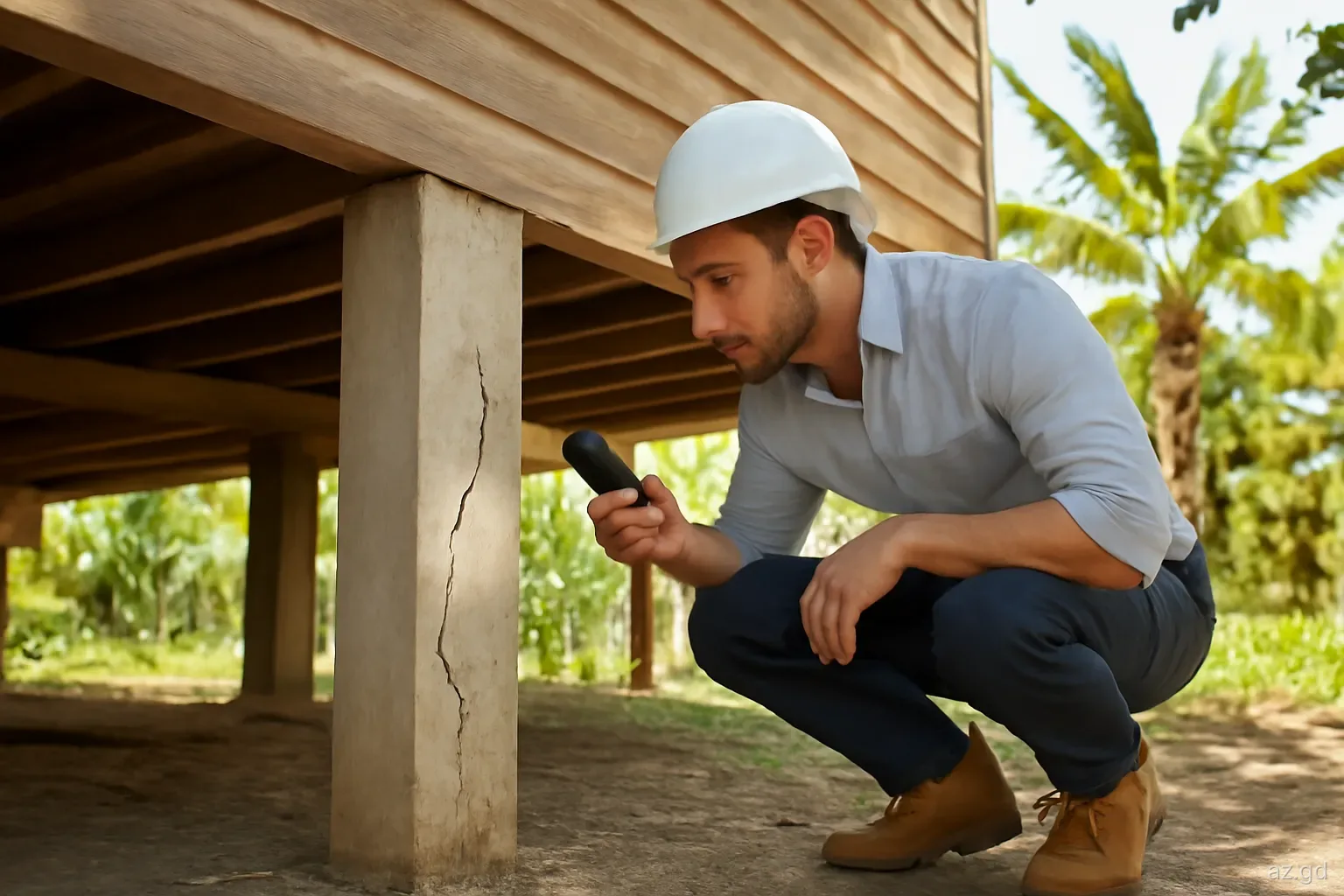
Slope and soil. Hillside lots give views, but steep slopes need retaining walls and deeper foundations, which add substantially to the cost. Ask an engineer to look at the ground before you buy.
Utilities. Find out how far the nearest GRENLEC electricity pole and NAWASA water main are, and what connection will cost. In some areas mains water pressure is low or supply intermittent, so plan for a cistern regardless.
Boundaries. Have a licensed land surveyor confirm the boundaries and the survey plan, and locate the boundary markers on the ground.
Rules that limit building. Estate covenants in managed developments, coastal setbacks near the shoreline and zoning can restrict what you can build. Check before buying, not after designing.
Planning permission and building approval
Development in Grenada needs approval under the Physical Planning and Development Control Act, administered by the Planning and Development Authority through its Physical Planning Unit. Building a house, adding a storey, putting up a boundary wall or changing the use of a building generally requires an application.
Applications are usually prepared by your architect or a draughtsman and include the survey plan, site plan, architectural drawings and structural details, with proof of ownership. The authority reviews setbacks from boundaries and roads, drainage, sewage disposal, height and, near the coast or on sensitive land, environmental impact. Large or coastal projects may need more detailed studies.
Allow several months for approval and budget for application fees. Do not start work before you have written approval: unapproved buildings can be ordered to stop or be removed, and they cause problems with insurance, mortgages and resale. Inspections may be carried out during construction, so keep the approved drawings on site.
Designing for hurricanes, earthquakes and heat
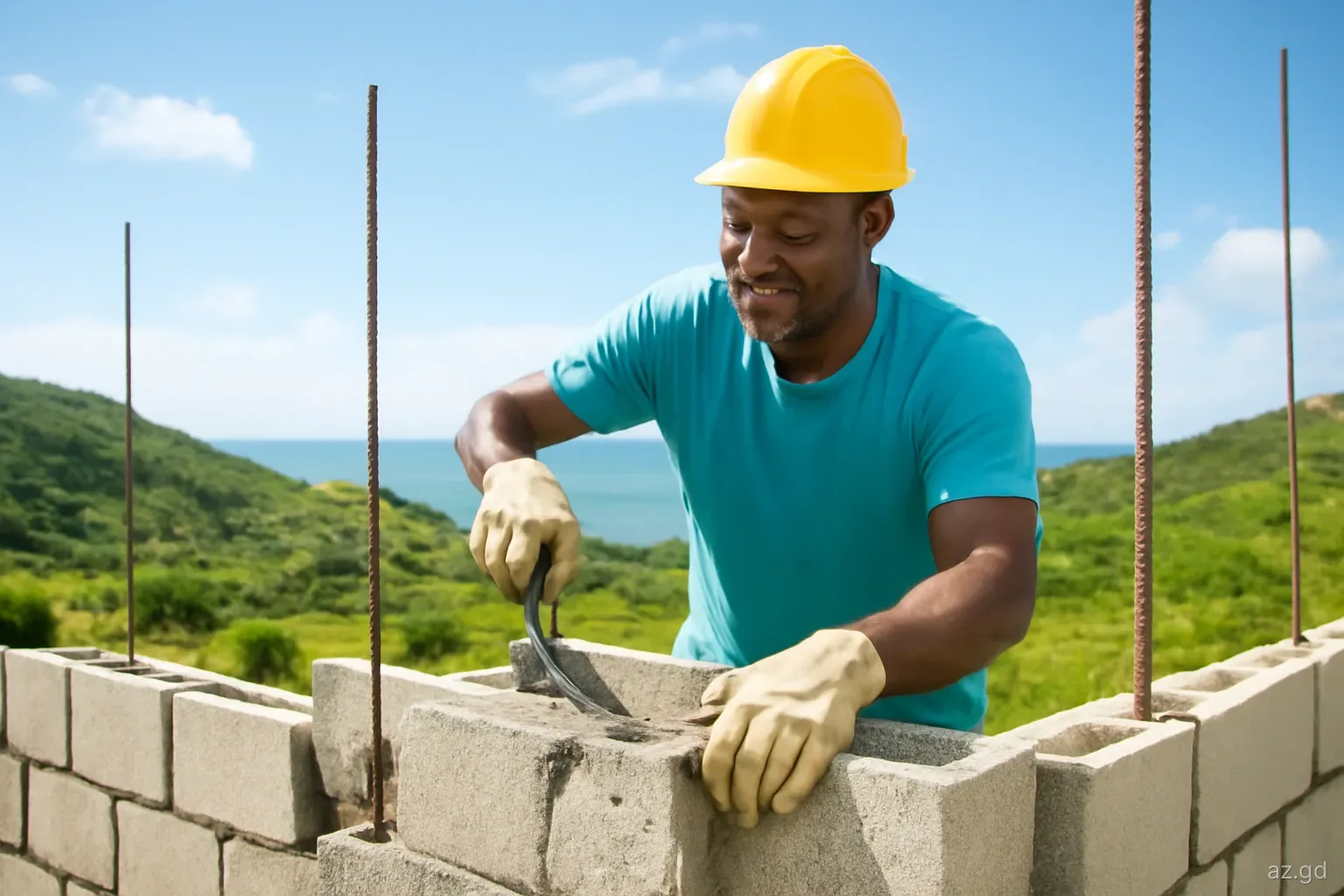
Grenada lies in the hurricane belt and in a seismically active region, with the submarine volcano Kick 'em Jenny off the north coast. Good local practice is a reinforced concrete frame with concrete block infill, properly tied foundations and a roof engineered for high winds. Hurricane straps or ties connecting the roof structure to the walls are essential, and hip roofs generally perform better in wind than gable roofs.
Windows and doors are a weak point. Impact-rated glazing or solid storm shutters protect openings, and stopping the wind getting inside is what keeps a roof on. Ask your engineer to design to recognised building code standards for the region, and make sure the contractor builds to the drawings.
For comfort, orient the house to catch the north-east trade winds, use deep overhangs and verandas for shade, and allow cross-ventilation through each room. A well-designed house needs far less air-conditioning, which matters given electricity prices.
Water, power and the systems that make a house work
Infrastructure inside the plot often costs more than buyers expect. Plan for:
- a cistern under or beside the house to store rainwater and mains water, with a pump and pressure tank;
- water filtration or treatment if you will drink stored rainwater;
- a septic tank and soakaway sized for the house in areas without public sewers, approved as part of the planning application;
- an electrical connection from GRENLEC, plus surge protection; many owners add solar panels and battery storage to cut bills and keep power during outages;
- a standby generator if you need guaranteed power for medical equipment or work;
- drainage to carry heavy tropical downpours away from foundations and neighbours, and erosion control on slopes;
- a secure storage room for hurricane shutters, garden furniture and supplies.
What it costs
Construction costs in Grenada are higher than many newcomers expect, because most materials, fittings and appliances are imported and attract duty and VAT. Agents and builders commonly quote somewhere around US$200 to US$350 or more per square foot for a finished house, depending on the site, the finish and the design. Simple local-style houses come in at the lower end; luxury villas with imported finishes, large glazing and complex rooflines go well beyond the top.
Professional fees for architect, structural engineer, quantity surveyor and electrical engineer together often add around 10% to 12% of construction cost. A swimming pool with deck can add tens of thousands of US dollars. Retaining walls, long access roads and utility connections are site-specific extras that can change the budget sharply.
Add planning and connection fees, insurance during construction, and a contingency of at least 10% to 15%. Prices for materials can shift during a long build, and shipping delays are common. Ordering long-lead items such as windows early protects the timetable.
Choosing and paying a contractor
Most problems on Grenadian building sites come from loose contracts and payments made ahead of work. A safer approach:
- Get at least two or three quotes based on the same full set of approved drawings and a written specification of finishes.
- Visit houses each contractor has built and speak to the owners, ideally ones who were living abroad during the build.
- Sign a written contract that sets the price, what it includes, the timetable and how variations are priced and approved.
- Pay in stages tied to completed milestones, such as foundations, ring beam, roof and finishes, rather than by the calendar.
- Appoint your own quantity surveyor or engineer to certify each stage before payment, especially if you are not on the island.
- Hold back a retention, a small percentage of each payment, released after a defects period once the house is finished.
- Keep receipts, approvals and as-built drawings; they matter for insurance, utilities and resale.
Mistakes that cost owners most
Building before buying the plot properly. Starting a design, or paying an architect, on land whose title, boundaries or licence are not yet confirmed. Secure the plot properly first; drawings for land you never own are money wasted.
Managing from abroad without help. Remote owners who rely on photos from the contractor often find problems too late. Pay for independent supervision.
Underestimating the timeline. A straightforward house commonly takes a year or more from approval; rainy seasons and shipping can stretch it further.
Skimping on the roof and openings. Savings on roof fixings, shutters or windows can be lost entirely in a single storm.
Ignoring neighbours. Drainage onto adjacent land, blocked views or boundary walls built in the wrong place create disputes that outlast the build. A courtesy visit to neighbours before work starts, explaining the plans and the timetable, prevents many complaints.
No paper trail. Changes agreed verbally on site become arguments at the final account. Confirm every variation and its price in writing, even by a short message.
Frequently asked questions
Do you need planning permission to build a house in Grenada?
Yes. New houses, extensions, additional storeys and most significant structures need approval from the Planning and Development Authority. Building without approval risks stop orders, removal and problems with insurance, mortgages and resale.
How much does it cost to build a house in Grenada?
Builders commonly quote around US$200 to US$350 or more per square foot for a finished house, plus professional fees of around 10% to 12% and site-specific costs such as retaining walls and utility connections. Get quotes for your own design.
How long does it take to build a house in Grenada?
Allow several months for design and planning approval, then a year or more for construction of a typical house. Rainy seasons, material shipping and contractor availability often extend the timetable.
Can foreigners buy land and build in Grenada?
Yes. Foreign buyers need an Alien Landholding Licence to buy the land, and the licence may consider how the land will be used. After that, the planning process is the same as for citizens.
Is a cistern necessary for a house in Grenada?
In practice, yes. Even where mains water is connected, supply can be interrupted, especially in the dry season and after storms. A cistern with a pump gives you a reserve and is standard in good local construction.
What roof is best for hurricanes in Grenada?
Engineers generally favour hip roofs, firmly tied to the walls with hurricane straps, with appropriate fixings for the roofing material. Concrete roofs are also common. The details of the connections matter more than the style.