For many families, July and August are the natural time to be in Grenada. Schools in the UK, North America and Grenada itself are on holiday, diaspora families come home to see grandparents, and the island is in carnival mode. It is also the start of the rainy season and the heart of the Atlantic hurricane season, which affects how you plan.
This guide is for parents planning a summer in Grenada with children: what is on, how summer camps work, what the weather is really like, how to approach hurricane risk calmly, and practical tips for keeping a long stay enjoyable. Dates for festivals and camps change each year, so confirm them close to the time.
The Grenadian school calendar and why it matters
Grenada's schools follow a three-term year that runs from early September to early July. The long vacation therefore covers July and August, which is when local summer camps, sports programmes and church activities for children run. If your children will be mixing with local children, this is when there is most going on for them.
For visiting families, it also means that beaches, attractions and restaurants are busier at weekends, as local families are out too. Flights from the UK, the US and Canada fill early, and fares rise, especially around carnival in early August. Book flights and accommodation well ahead.
Families moving to Grenada should note that the summer is when new pupils are enrolled for September. Starting the school application process in spring rather than arriving in August and hoping for a place avoids a stressful wait.
Summer camps: what to expect
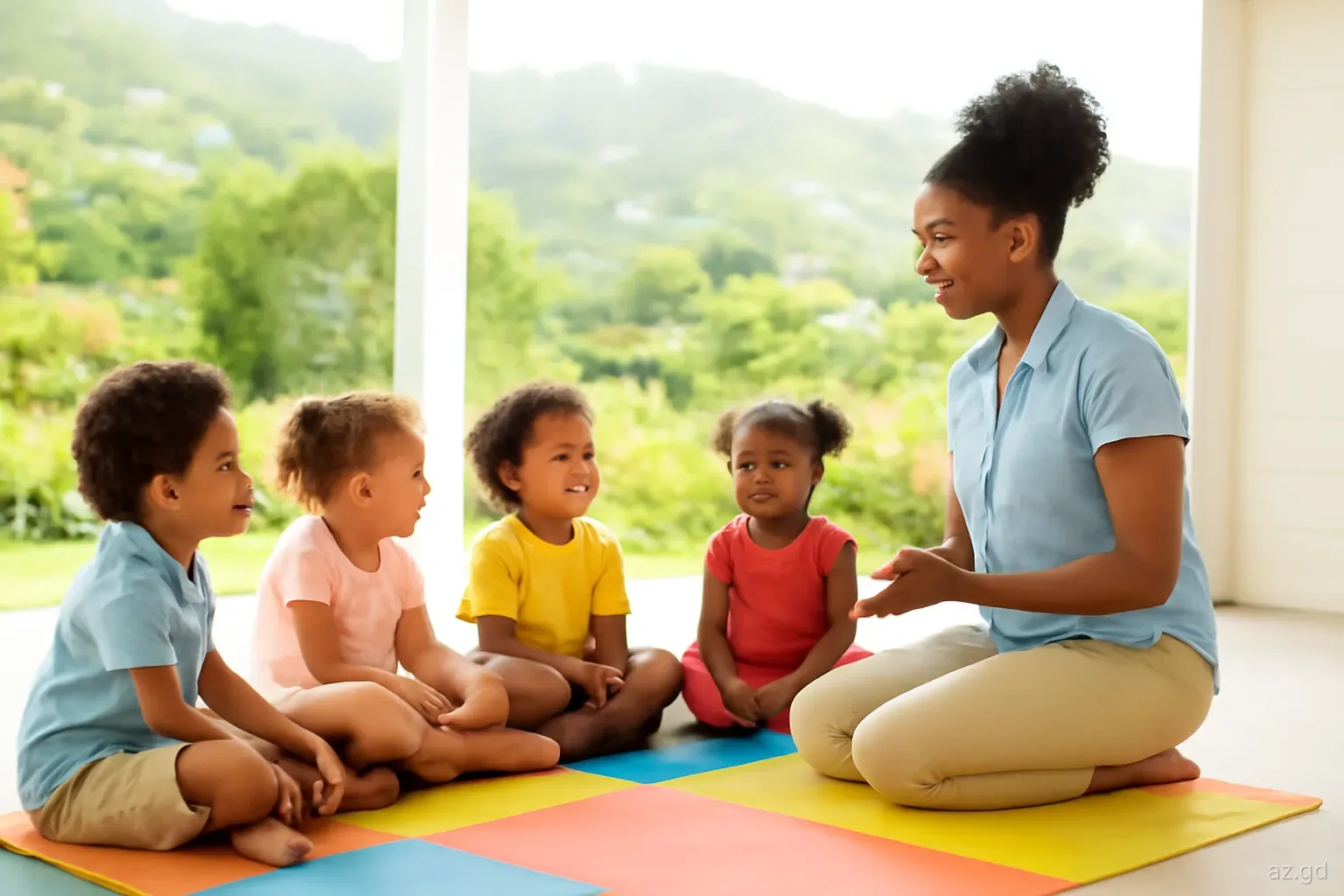
Types of camp. Summer camps in Grenada include general day camps with crafts, games and outings, sports camps for cricket, football, swimming, netball, tennis and athletics, and specialist camps covering subjects such as coding, arts, drama, music or marine science. Churches, schools, sports clubs and private providers all run them.
Format. Most are day camps running for a few weeks between early July and mid-August, typically from morning to mid-afternoon on weekdays. Some offer weekly enrolment, which suits visiting families staying only part of the summer.
Finding them. Camps are advertised close to the end of the school year, often only a few weeks before they start, through schools, churches, social media pages and local radio. Ask other parents and your children's school.
Costs. Fees vary from modest sums for church and community camps to several hundred Eastern Caribbean dollars a week or more for specialist camps. Ask what is included, such as lunch, transport, T-shirts and outings.
Checks. Ask about supervision ratios, swimming safety if water activities are included, staff vetting, sun protection and what happens in bad weather.
Spicemas and the Children's Carnival Frolic
Spicemas, Grenada's carnival, is the biggest event of the year. Events build through late July and early August, with calypso and soca competitions, steel band shows and the Dimanche Gras show on the Sunday, culminating in J'Ouvert in the early hours of Carnival Monday, Monday Night Mas, and the Fancy Mas parade on Carnival Tuesday, held on the second Monday and Tuesday of August.
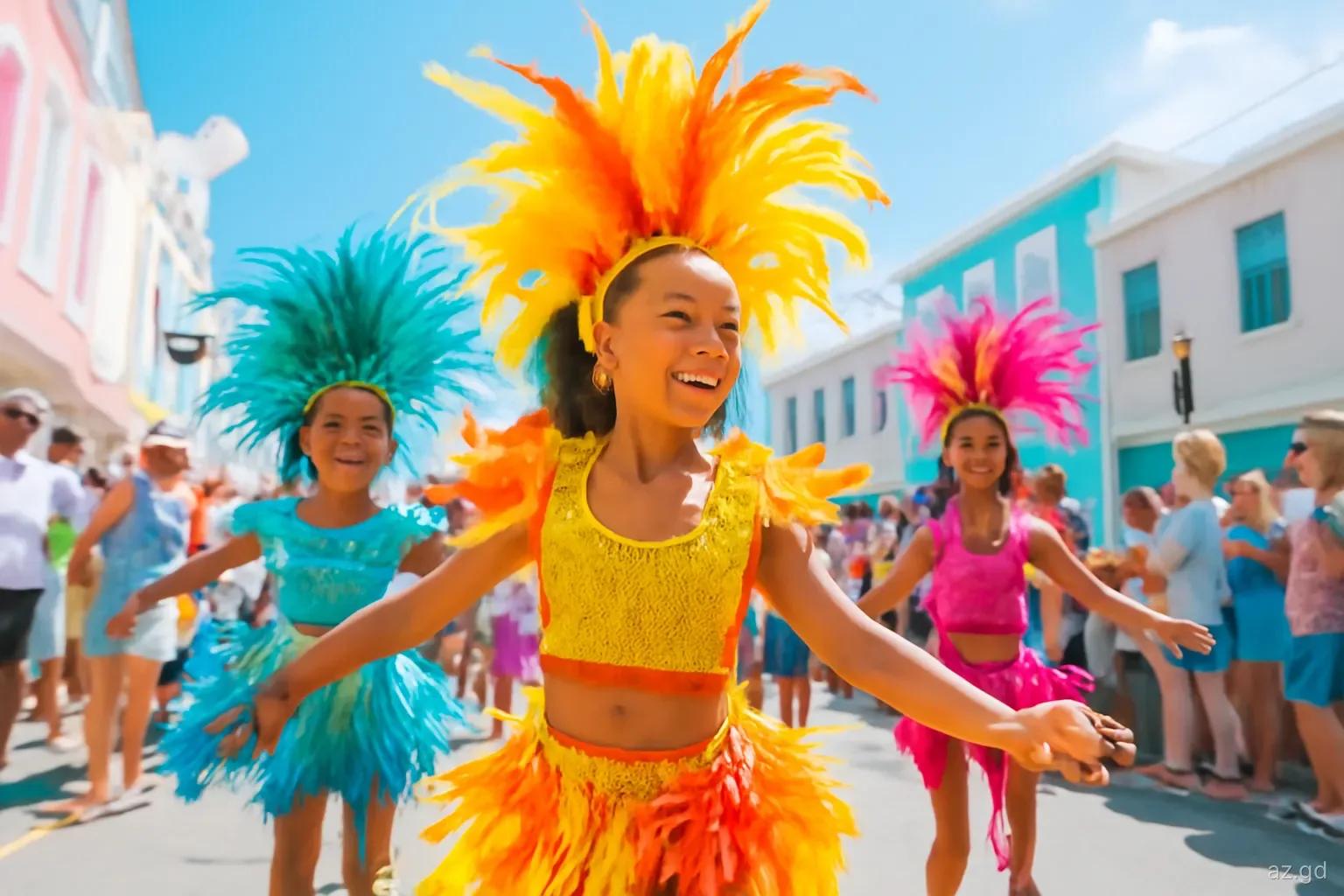
For children, the highlight is the Children's Carnival Frolic, a parade and competition for young masqueraders, open to children aged roughly three to sixteen. In recent years it has been held on a Saturday in late July or the first days of August. Children in elaborate costumes parade with their bands, and families line the route. If your child wants to take part, join a children's band; bands register and sell costumes in advance, so contact them early.
J'Ouvert is a pre-dawn street party in which revellers are covered in oil, paint, chocolate or mud, and traditional characters known as Jab Jab appear blackened with oil and wearing horns and chains. It is a central part of Grenadian culture, but loud, crowded and messy, and generally not suited to small children. Fancy Mas on Tuesday afternoon, watched from a sensible spot, is more family friendly.
Weather and hurricane season, honestly
Rain. July and August are wetter than the winter months, with heavy showers and occasional thunderstorms, often in the afternoon. There are still plenty of sunny days, and the sea is warm and usually calm on the Caribbean side.
Heat and humidity. It is hot and humid, so plan outdoor activities for the morning and late afternoon and keep children well hydrated.
Hurricane season. The Atlantic hurricane season runs from 1 June to 30 November. Grenada lies towards the southern edge of the main hurricane belt but is not immune: Hurricane Ivan in 2004 devastated the island, and Hurricane Beryl hit Carriacou and Petite Martinique hard in July 2024.
What this means in practice. Most summer days are unaffected. When a storm approaches, the National Disaster Management Agency (NaDMA) and the Grenada Meteorological Service issue watches and warnings several days in advance. Follow their updates and those of your accommodation.
Insurance. Buy travel insurance that covers trip disruption from named storms, and buy it before a storm is forecast.
Other summer dates worth knowing
Emancipation Day, a public holiday on 1 August (the observed day can shift when it falls at a weekend), marks the end of slavery in the British Caribbean in 1834. Some communities hold cultural events around it, and banks, government offices and many businesses close. In the same period, the Carriacou Regatta Festival brings boat races of locally built sloops, music and games to Carriacou, traditionally around the start of August; it is a good reason to plan a few nights on the sister island.
Carnival Monday and Tuesday are also public holidays, so expect road closures in St George's, along the parade routes and around the national stadium, and plan supermarket shopping and pharmacy visits around them. Many shops close or open short hours on those days.
Late August, after carnival, is often quieter. Local families recover from the festivities and prepare for the new school term in early September, so beaches can be calmer on weekdays and it is a good time for outings to Grand Etang, the waterfalls or the west coast.
Diaspora families: summers with grandparents
Many children of Grenadian families living in the UK, the United States, Canada and elsewhere spend summers with grandparents and relatives. For children used to city life, it is a chance to roam more freely, learn family history and pick up local expressions and food traditions. For parents, it raises practical questions worth settling before departure.
Make sure children travelling with relatives, or alone with an airline escort, carry passports with plenty of validity and a signed letter of consent from parents, which airlines and immigration officers may ask for. Leave relatives a copy of the children's insurance details, any medical information and authorisation to seek treatment. If children are Grenadian citizens by descent, carrying evidence of that status can simplify entry.
Summer camps are a good way for visiting children to make friends quickly and build a routine that gives grandparents some rest.
Planning tips for a summer with kids
A few small decisions make a long summer stay much easier:
- Choose accommodation with air conditioning in the bedrooms and a backup water supply, as dry spells and heavy rain can both disrupt supply.
- Mix camp days with family days, so children have structure and time with relatives or new friends.
- Plan the big outings, such as waterfalls or a trip to Carriacou, for clear mornings and keep a list of covered outings for showery days.
- Pack light rain jackets and quick-dry clothes alongside swimwear and sun protection.
- Keep a basic storm kit at your accommodation: torches, power banks, drinking water, snacks and copies of important documents.
- Book carnival costumes, camp places and popular boat trips as early as possible.
Frequently asked questions
Is August a good time to visit Grenada with children?
It can be excellent. Schools are on holiday, Spicemas brings the Children's Carnival Frolic and parades, and the sea is warm. It is also rainy season and hurricane season, so plan flexibly and buy insurance that covers storm disruption.
When is the Children's Carnival Frolic in Grenada?
It takes place during the Spicemas season, usually on a Saturday in late July or early August. The date changes each year, so check the official Spicemas programme before travelling or registering a child with a band.
Are there summer camps for visiting children in Grenada?
Yes. Many camps accept children for a week or a few weeks, including sports, arts and general day camps. They are advertised close to the end of the school year, so ask schools, churches and other parents.
Is J'Ouvert suitable for kids?
J'Ouvert is a pre-dawn street party with paint, oil and mud, large crowds and loud music. It is part of Grenadian culture but generally better for adults and older teens. Families with young children usually prefer Fancy Mas on Carnival Tuesday.
How likely is a hurricane in Grenada in July or August?
Most summer weeks pass without a storm, and Grenada lies towards the southern edge of the hurricane belt. Serious storms have struck, including Ivan in 2004 and Beryl in 2024, so follow official forecasts and have a simple plan.