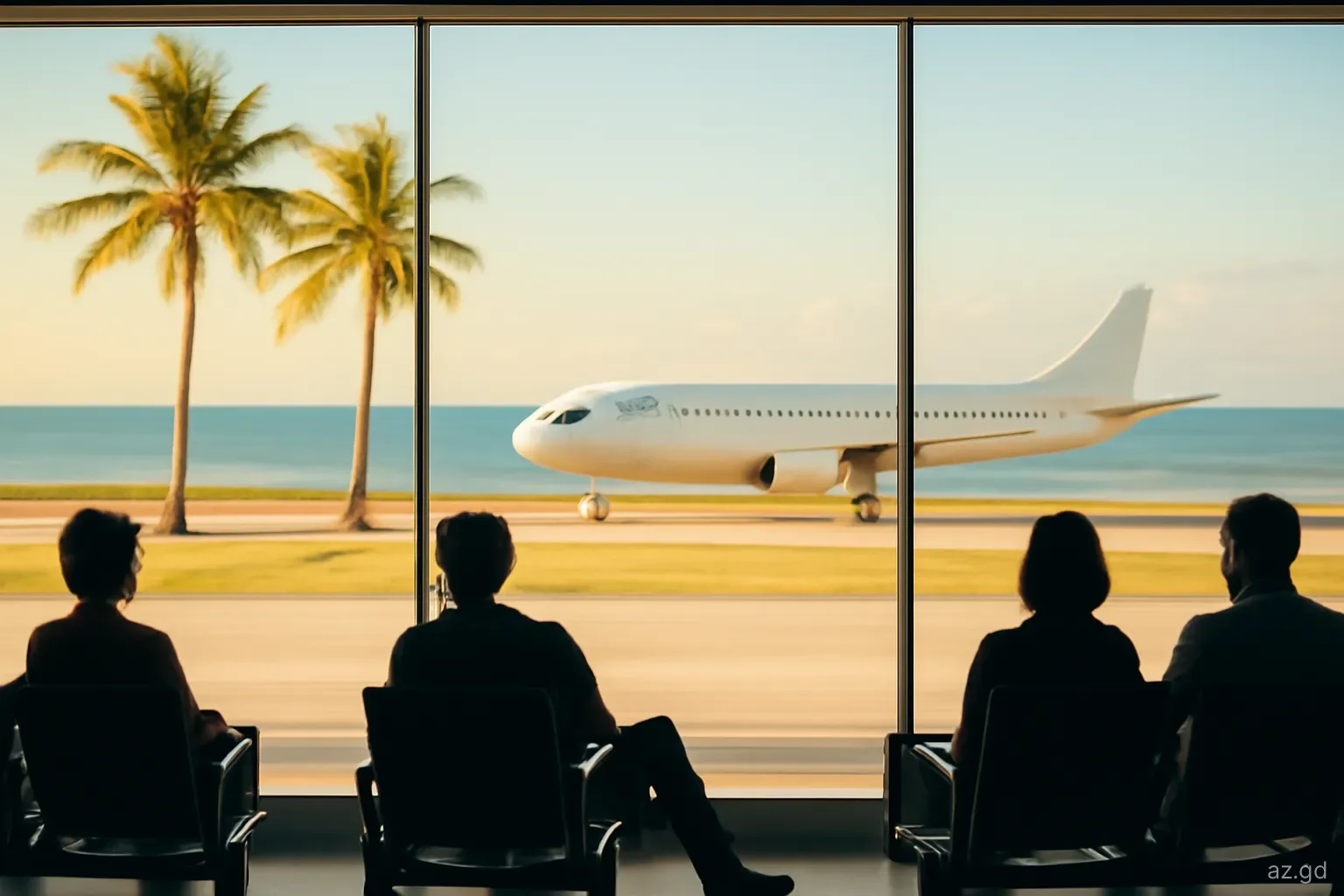
Maurice Bishop International Airport sits on Point Salines, the dry south-western tip of Grenada, about eight kilometres from St George's and a few minutes from the Grand Anse and Lance aux Epines hotel areas. It is a single-terminal airport that handles a few wide-body flights and a stream of regional aircraft each day, so arrival is usually quick, except when two or three jets land within the same hour.
Knowing the order of things helps: walk from the aircraft, immigration, baggage, customs, then a short arrivals area with taxis, car-hire desks and a few services. This page walks through each stage, what officers tend to ask, and how long the ride takes to the main places people stay.
Arrival, stage by stage
The process is straightforward and the terminal is compact. Expect it to take anything from fifteen minutes to well over an hour depending on how many flights land together.
- Leave the aircraft. Depending on the stand you may walk across the apron or use an air bridge; keep your passport and the address of your accommodation within reach.
- Complete any arrival form your airline or the authorities require. Grenada has been moving parts of the immigration and customs paperwork online; check with your airline before departure whether a pre-arrival form applies on your dates.
- Queue for immigration. There are usually separate lines for residents and citizens and for visitors.
- Collect bags from the carousel. Trolleys are available, and porters often offer help for a tip.
- Pass through customs, choosing the declaration lane if you carry anything that must be declared.
- Exit into arrivals, where taxi dispatchers, car-hire counters and people meeting passengers wait.
What immigration usually asks
Officers want to know why you are visiting, how long you will stay and where. Give the full address of your hotel, guesthouse or villa, including the area, not just the name of a booking website. If you are staying with friends or family, have their name and address. A return or onward ticket is normally required for visitors, and you may be asked to show it.
The length of stay stamped in your passport is decided by the officer, based on your plans. If you intend to stay longer than a typical holiday, say so and carry evidence of your plans and funds. Extensions are handled by the Immigration Department in St George's; overstaying is an offence, so keep an eye on the date.
Citizens of CARICOM member states generally face fewer formalities, and Grenadian citizens who also hold another passport should carry proof of Grenadian citizenship to be processed as nationals. Children travelling with only one parent may be asked for a letter of consent from the other parent, so carry one if that applies.
Yacht crew who have flown in to join a boat should carry a letter from the captain or the marina confirming the arrangement, because a one-way air ticket alone tends to prompt questions.
Customs: what to declare
Grenada Customs applies duty-free allowances for personal effects and limited quantities of alcohol and tobacco. Goods beyond those limits, commercial items, large quantities of electronics, and anything you are bringing in for someone else may attract duty and VAT. When in doubt, declare; officers are generally pragmatic with honest travellers.
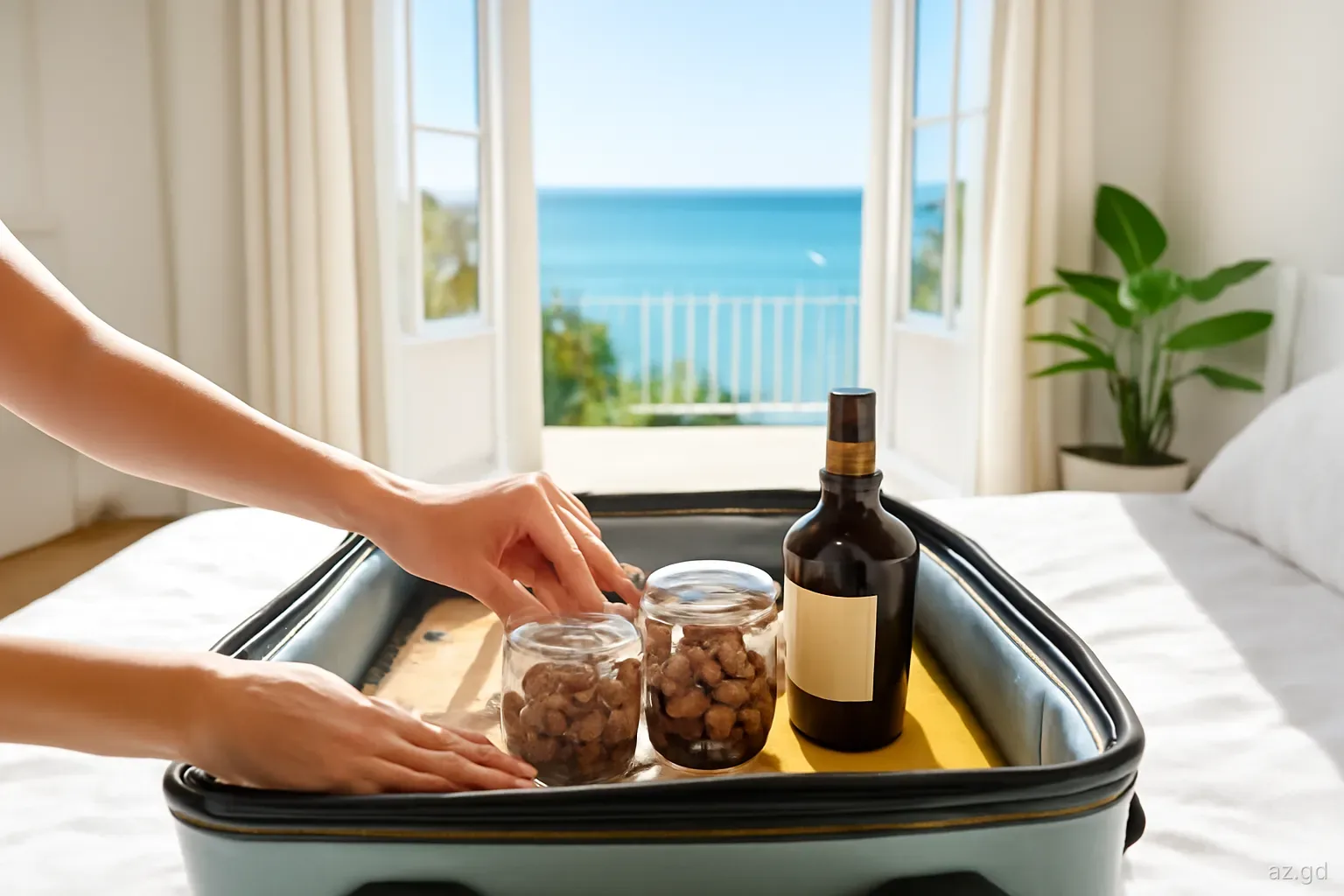
Fresh fruit, vegetables, plants, seeds, meat and soil are restricted to protect agriculture, which matters on an island whose economy still leans on nutmeg, cocoa and fresh produce. Pets need an import permit arranged in advance through the Ministry of Agriculture's veterinary services; an animal that arrives without one faces serious problems. Drones and firearms also have specific rules and need prior approval.
Officers may inspect bags at random. Keep receipts for new expensive items if you are a returning resident, since that helps show what was bought abroad and when.
Grenadians moving home after years abroad may qualify for duty concessions on household goods and a vehicle under the returning nationals arrangements. These have conditions and paperwork that must be completed with Customs, so confirm the current rules before shipping anything.
Money, phones and first practicalities
Cash. The currency is the Eastern Caribbean dollar, pegged at EC$2.70 to US$1. US dollars are widely accepted, but change usually comes back in EC dollars. There are ATMs at the airport; having some small EC notes for tips and buses is useful.
Cards. Hotels, larger restaurants and car-hire firms take cards. Taxis, buses and small shops generally want cash.
Mobile service. The two networks are Digicel and Flow. Local SIM cards and eSIM plans are cheap compared with roaming; if no counter is open in arrivals, both companies have stores in Grand Anse and St George's.
Car hire. Rental firms meet customers at the airport. You will need a Grenadian temporary driving permit, which most firms issue at the counter for a fee; bring your home licence.
Directions. Grenada drives on the left. If you are driving yourself after a long flight, the roads to the south-coast resorts are short and simple, but plan the first trip in daylight.
Tips and porters. Porters and taxi drivers appreciate a tip, usually a few EC dollars per bag for porters. Keep some small notes separate from your main cash so you are not opening a wallet in a busy arrivals area.
Taxi times from the airport
Taxis wait outside arrivals and are not metered. Agree the fare before loading the bags; fares to the nearby resort areas are commonly in the region of US$15–30 for the car, with more for distant parishes and late-night arrivals, and they change, so confirm with the dispatcher. Drivers will usually help with bags, and many are happy to stop at a supermarket on the way if you ask when agreeing the fare. Typical journey times in normal traffic:
- True Blue and Lance aux Epines — about 5 to 15 minutes.
- Grand Anse and Morne Rouge — about 10 to 15 minutes.
- St George's and the Carenage — about 20 to 30 minutes, longer at rush hour on the Lagoon Road.
- St David's and the south-east bays — about 25 to 40 minutes.
- Gouyave and the west coast — about 45 minutes to an hour.
- Grenville — about an hour, by the Grand Etang road or the east coast.
- Sauteurs and the far north — about an hour and a quarter or more.
Night arrivals, busy afternoons and being met
Most long-haul flights land in daylight, but regional connections and delayed services can bring you in after dark. Taxis meet scheduled flights, including late ones, but if your arrival is close to midnight it is worth asking your accommodation to arrange a driver in advance. Roads beyond the south-west are unlit in many places, and finding a villa up a hillside lane is much easier with someone who knows it.
Afternoons when two wide-body jets and several regional flights arrive within an hour can mean long immigration queues. Families should keep snacks, water and a charged phone in hand luggage; the walk from the stand to the hall can be hot.
Pre-arranged transfers are common. Hotels and villa managers often send a named driver who waits outside the arrivals exit; ask for the driver's name and the agreed price in writing beforehand so there is no confusion. If you plan to collect a hire car, keep the confirmation and your driving licence in your carry-on rather than in checked luggage, so a delayed bag does not hold up the paperwork.
Frequently asked questions
How far is the airport from Grand Anse?
Only a few kilometres. A taxi usually takes ten to fifteen minutes from Maurice Bishop International Airport to the Grand Anse hotels, slightly longer at busy times. It is one of the shortest airport transfers in the Caribbean.
Is there a bus from Grenada airport?
Route buses do not stop inside the airport forecourt as a regular service. With light luggage you can walk out to the main road and catch a minibus towards Grand Anse and St George's, but after a long flight most people take a taxi or a pre-arranged transfer.
Are airport taxis in Grenada metered?
No. Fares are set by agreement and guided by published rates, so ask the price before you get in and confirm whether it is for the car or per person, and in EC or US dollars. Expect a surcharge late at night.
Is there an ATM at Grenada airport?
Yes, there are ATMs at the terminal that dispense Eastern Caribbean dollars. It is still sensible to arrive with a small amount of US cash in case a machine is empty or your card is declined.
What should you have ready for immigration?
Your passport, your return or onward ticket, and the full address of where you are staying. If you are visiting friends or relatives, have their name and address. Officers may also ask how long you plan to stay and the purpose of your visit.