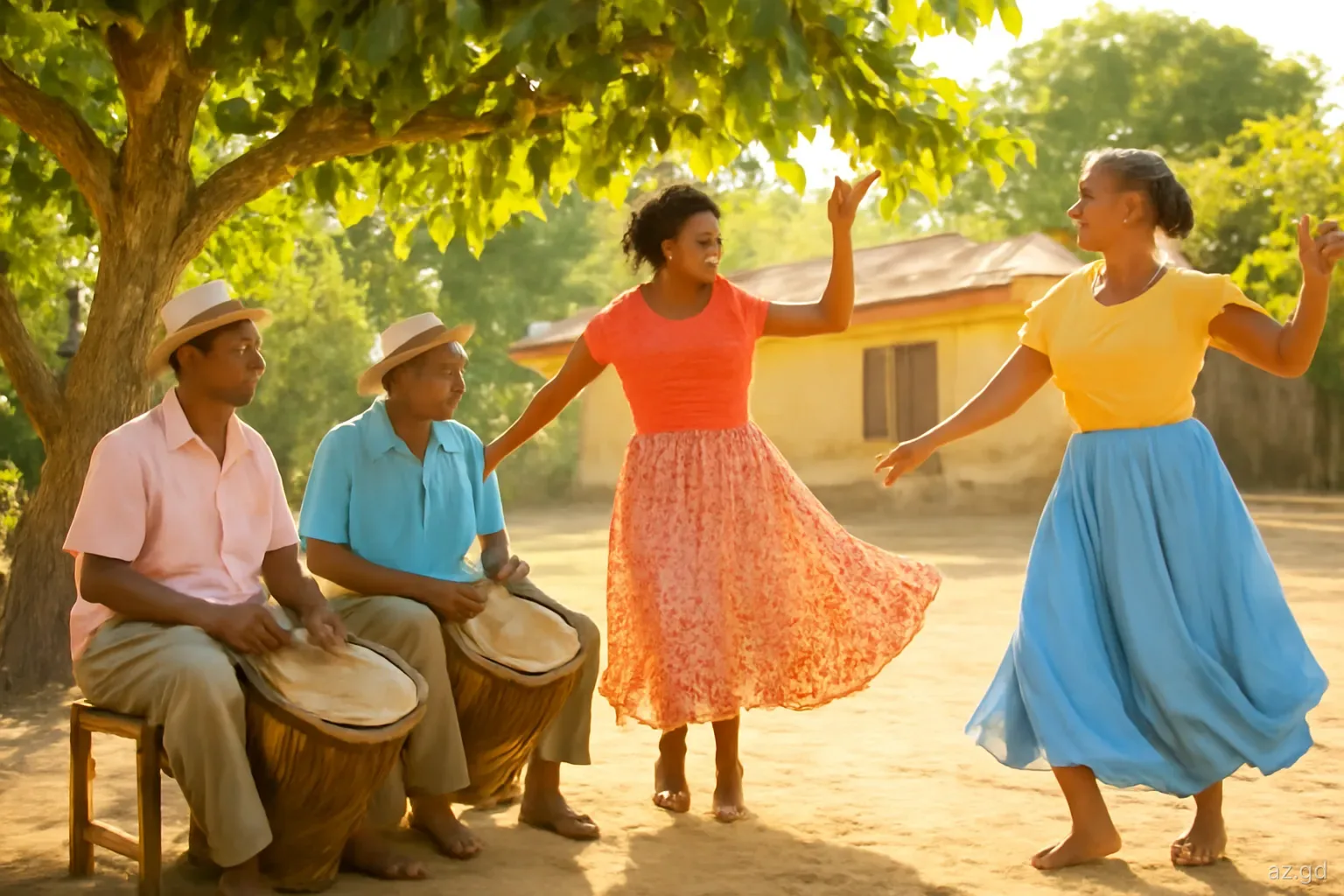
Carriacou has a cultural life out of all proportion to its size. The island has kept musical and ritual traditions that have faded elsewhere in the Caribbean, from the Big Drum nation dances that trace families back to specific African peoples to the string bands that play for quadrille and Christmas serenading. Two festivals bring these traditions together for visitors and returning islanders: the Maroon and String Band Music Festival in late April, and the Parang Festival on the weekend before Christmas.
Neither is a polished tourist event. Both are community festivals, run by local committees with modest budgets, and their programmes shift from year to year. That is part of the appeal. This guide explains the traditions behind each festival, what typically happens, when they are held and how to plan a visit. Confirm dates and venues with the organisers or the Grenada Tourism Authority before travelling.
Big Drum: the root of Carriacou's music
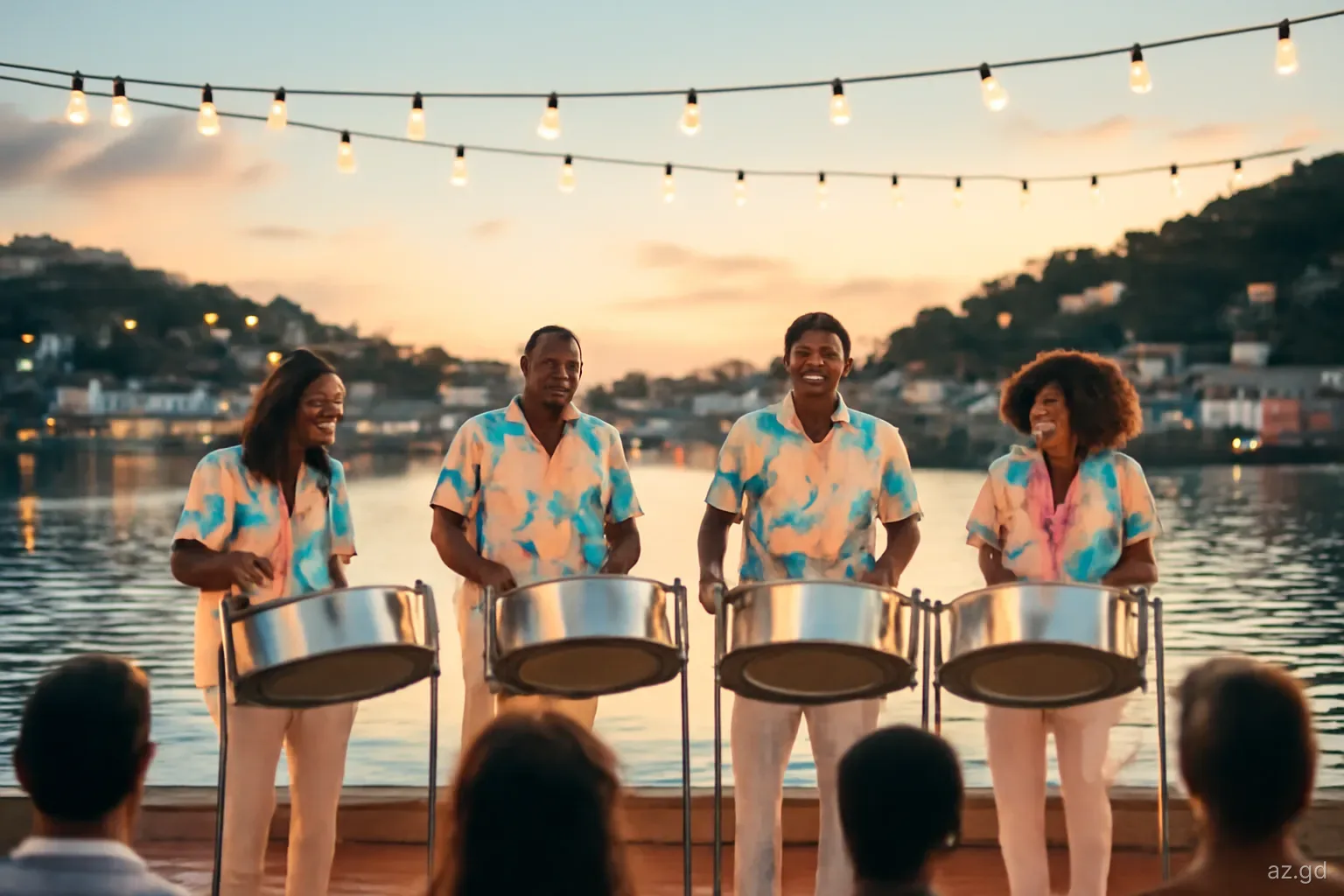
Big Drum, also called the Nation Dance, is the most distinctive element of Carriacou culture. Performed with drums made from rum kegs and goatskin, together with singing and dancing, it preserves songs and dances associated with African nations from which enslaved ancestors were taken, with names such as Cromanti, Ibo, Manding, Chamba and Kongo. Many Carriacou families have traditionally known their "nation" and honoured it through these dances.
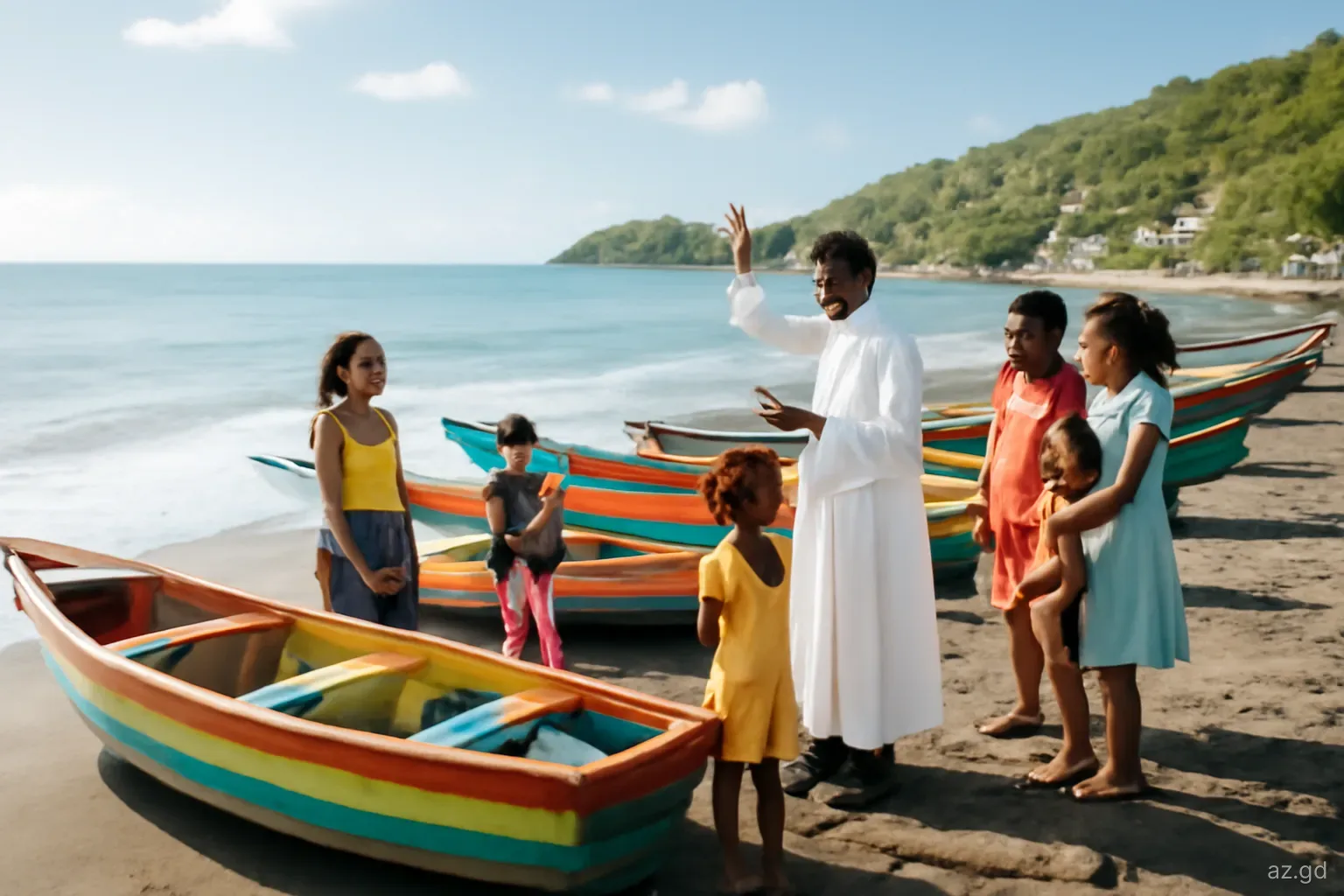
Big Drum is not only a performance. It plays a part in community rituals: boat launchings, memorial ceremonies for the dead, house blessings and the Maroon thanksgiving feasts. Songs often use a Creole that has carried words and phrases across generations. Seeing Big Drum performed in a village yard, with elders leading the singing and dancers moving in turn into the circle, is one of the most memorable cultural experiences in Grenada. Both festivals usually feature it on their programmes. Visitors are generally welcome to watch, and at the end of a performance dancers sometimes invite onlookers to join in, which is best accepted with good humour.
The Maroon tradition and the April festival
On Carriacou, a "maroon" is a communal thanksgiving feast, traditionally held in the dry season to pray for rain and a good harvest before planting. Villagers contribute food, which is cooked outdoors in large pots, shared with everyone present and sometimes offered to the ancestors, accompanied by prayers, Big Drum and dancing. The word is often linked to the history of escaped enslaved people, the Maroons, and to the idea of a gathering away from the plantations, though local explanations vary.
The Carriacou Maroon and String Band Music Festival builds on this tradition. Held over a weekend in late April, it combines Maroon food and ritual with performances by string bands, Big Drum groups and other traditional and contemporary artists from Carriacou, mainland Grenada and the wider region. Events are usually spread across different villages, giving visitors a reason to move around the island. Food is a large part of the experience, and visitors are usually welcome to share in it, though offering to contribute or buying from vendors is good manners. In 2026, the festival ran from 24 to 26 April, opening in Belair.
String bands and quadrille
The instruments. Carriacou string bands typically combine violin or fiddle, guitar, cuatro, banjo or mandolin, with percussion such as a shak-shak or tambourine and sometimes a bass instrument. The sound is lively, acoustic and rooted in older dance music.
Quadrille. The quadrille, a set dance derived from European ballroom traditions, survives on Carriacou in a local form, danced in figures by couples to string band music. Older dancers keep the steps alive, and festival performances are a rare chance to see it.
Serenading. At Christmas, string bands have traditionally gone from house to house in the evenings, singing and playing for neighbours, who offer food and drink in return. This practice is the origin of Carriacou's parang.
Passing it on. Festival organisers and community groups encourage young musicians to learn the instruments and songs, and youth bands increasingly appear on festival stages.
The Parang Festival in December
The Carriacou Parang Festival has been held since 1977, on the weekend before Christmas in Hillsborough. Unlike the Spanish-language parang of Trinidad, Carriacou parang grew from the island's own string band serenading tradition. At its centre is a competition among parang bands, which perform traditional songs and newly composed pieces, often packed with humour and satire about the year's events and personalities.
The satirical segment, known as the "Melee", has been one of the most popular and controversial parts of the festival, as bands mock public figures and neighbours by name. Organisers announced changes to it for 2025 after past disputes, so the format may continue to evolve. The 2025 festival, held from 19 to 21 December under a theme of recovery after Hurricane Beryl, also featured Big Drum, quadrille, Shakespeare Mas and the Hosanna singing competition. Evenings are lively, with food stalls and crowds of residents and returning Carriacouans home for Christmas.
Shakespeare Mas and other traditions you may see
Shakespeare Mas is a unique Carriacou tradition most closely associated with the island's pre-Lenten carnival, though it can appear at other cultural events. Masqueraders in colourful capes and masks meet on the road and challenge each other to recite speeches from Shakespeare's Julius Caesar. A player who falters or makes a mistake receives a blow from the opponent's stick, which padded headgear helps absorb. It is part performance, part contest and part memory test, and it draws enthusiastic crowds.
Other traditions that may appear on festival programmes include Hosanna singing, a style of hymn-singing associated with Christmas, and storytelling, folk songs and local food demonstrations. Carriacou's traditional cooking, including dishes made from pigeon peas, corn, fish and smoked meats, is central to Maroon celebrations. Asking local people about what is happening and where is often the best way to find smaller events that are not widely advertised.
Mistakes to avoid at community festivals
These festivals reward visitors who arrive with the right expectations. A few common missteps are worth avoiding:
- Expecting a fixed schedule. Start times are approximate and events often run late. Bring patience and enjoy the wait with the crowd.
- Treating rituals as shows. Maroon offerings, prayers and some Big Drum songs are sacred to participants. Watch quietly and do not enter the circle unless invited.
- Using flash or drones at night. Bright flashes disturb performers, and drones over crowds are unwelcome and may be restricted.
- Arriving without cash. Food, drink and entry fees are almost always cash only, and Hillsborough's ATMs can run low.
- Ignoring the water situation. Carriacou depends on cisterns and desalination; use water sparingly, especially in the dry April season.
- Leaving it late. Rooms and ferry seats for Parang weekend in particular can be gone weeks before Christmas.
Planning a festival trip to Carriacou
Both festivals fill the island's limited accommodation, so plan early:
- Confirm the dates and programme with the festival organisers or the Grenada Tourism Authority, as they vary year to year.
- Book accommodation on Carriacou as soon as dates are known; Hillsborough is the most convenient base for Parang, while Maroon events move between villages.
- Reserve Osprey ferry tickets from St George's or small-plane flights to Lauriston Airport, especially in the busy pre-Christmas period.
- Arrange transport between villages for Maroon events; minibuses run by day, and taxis can be booked for evenings.
- Bring Eastern Caribbean dollar cash for food, drinks and entry fees, as card payment is uncommon at festival venues.
- Respect ritual elements: ask before photographing ceremonies, especially those involving offerings or prayers, and follow the lead of local participants.
Frequently asked questions
When is the Carriacou Maroon Festival?
The Carriacou Maroon and String Band Music Festival is held over a weekend in late April. In 2026 it ran from 24 to 26 April, with the opening event in Belair. Dates change annually, so confirm the programme with organisers or the Grenada Tourism Authority before booking travel.
What is the Big Drum dance of Carriacou?
Big Drum, or the Nation Dance, is a tradition of drumming, singing and dancing that preserves songs associated with African nations from which Carriacou's ancestors were taken. It is performed at boat launchings, memorials, Maroon feasts and festivals, and is one of the most important parts of the island's cultural heritage.
How is Carriacou parang different from Trinidad parang?
Trinidad parang is sung in Spanish and linked to Venezuelan traditions. Carriacou parang grew from local string band serenading at Christmas, with songs in English and Creole, and is known for humorous, satirical lyrics about the year's events. The Carriacou Parang Festival has been held since 1977.
When is the Carriacou Parang Festival held?
It is held on the weekend before Christmas in Hillsborough. The 2025 edition took place from 19 to 21 December. Because it coincides with Carriacouans returning home for Christmas, accommodation and ferry seats are in high demand, so book well in advance.
What is Shakespeare Mas?
Shakespeare Mas is a Carriacou carnival tradition in which costumed masqueraders challenge each other to recite speeches from Shakespeare's Julius Caesar. Mistakes are punished with a blow from a stick, softened by padded headgear. It is mainly associated with the island's pre-Lenten carnival and sometimes appears at other festivals.