On 7 February 1974, Grenada became an independent nation within the Commonwealth, the first of the Windward Islands to leave colonial rule. Each year the anniversary is the country's main national day: a public holiday marked by a ceremonial parade and rally, the announcement of national honours, church services, cultural shows and a sea of red, gold and green on buildings, cars and clothing across the three islands.
For visitors in Grenada in early February, Independence is a chance to see national pride on display at the height of the dry season. This guide explains the history behind the date, what typically happens during Independence month, how to attend the main ceremony and what practical effect the holiday has on services. The official programme is published each year by the Government of Grenada and should be checked for times and venues.
The road to independence in 1974
Grenada was a British colony from 1763, apart from a brief French reoccupation, and became an Associated State of the United Kingdom in 1967, with internal self-government but Britain retaining responsibility for defence and foreign affairs. Independence came under Eric Gairy, the trade union leader turned politician who led the Grenada United Labour Party and became the country's first Prime Minister.
The transition was not calm. In the months before independence, opposition to Gairy's government grew, with strikes, protests and a period of unrest in which a protester, Rupert Bishop, father of Maurice Bishop, was killed in St George's in January 1974. Independence went ahead on 7 February amid that tension. Five years later, in March 1979, Gairy's government was overthrown by the New Jewel Movement led by Maurice Bishop, beginning the People's Revolutionary Government period. Today, Independence Day is celebrated as a national occasion above party politics, though its history remains part of public conversation.
Independence month: what happens across February
Flag raising and decoration. In the weeks before 7 February, government buildings, schools, businesses and homes put up bunting and decorations in the national colours of red, gold and green. Many people wear national colours throughout the month, and schools hold their own celebrations.
Church services. Thanksgiving and ecumenical services are held in the days around Independence, reflecting the central place of churches in Grenadian life.
Cultural events. Concerts, cultural shows, exhibitions, sporting events and community celebrations are organised around the islands, often with a theme set for that year.
Carriacou and Petite Martinique. The sister islands hold their own ceremonies and events, so Independence is not confined to St George's.
Diaspora celebrations. Grenadian communities in New York, Toronto, London and elsewhere mark the day with their own events, and some families plan visits home around it.
The main ceremony at the National Stadium
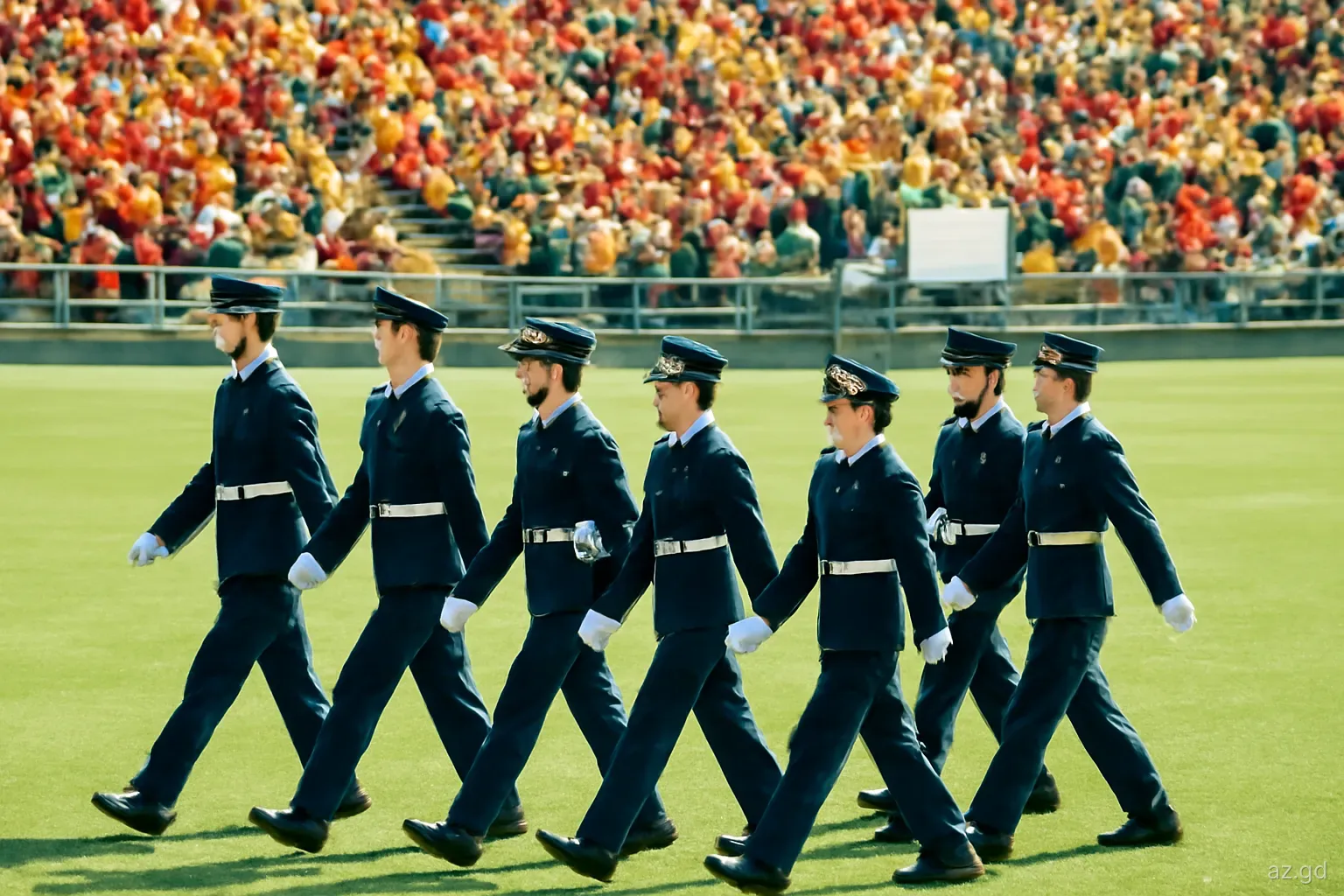
The centrepiece of Independence Day is the ceremonial parade and rally, held in recent years at the National Stadium at Queen's Park, on the northern edge of St George's. Uniformed contingents march on: the Royal Grenada Police Force, including its band, cadet corps, scouts and guides, nurses, fire and other services, along with school groups. A review of the parade, a national salute and the playing of the national anthem follow, and the ceremony usually includes the presentation of national awards and the Prime Minister's Independence address.
The national honours, given under the National Honours and Awards system, recognise Grenadians for service in fields such as public life, culture, sport, business and community work, and the list is followed closely. Recipients range from long-serving teachers, nurses and police officers to cultural figures and athletes, and the announcements are reported in detail by local media. After the formal part, a cultural programme of music, dance and drama typically follows, and celebrations often end with fireworks in the evening. In 2024, Grenada marked the 50th anniversary of independence with an expanded programme of events throughout the year.
Attending the Independence ceremony as a visitor
The ceremony is a public event, and visitors are welcome. A few steps make attending straightforward:
- Check the official programme from the Government Information Service or local media for start times, venue and any ticketing or seating arrangements.
- Arrive early. Seating fills, and roads around Queen's Park and the northern side of St George's become congested before the parade begins.
- Plan transport: police often set special traffic and parking arrangements, and park-and-ride or shuttle services may be offered. Route buses can be busier than usual.
- Bring water, sunscreen and a hat. February is dry and sunny, and the stands offer limited shade at some times of day.
- Dress smartly-casual; many Grenadians wear national colours, which visitors can join in with.
- Stand for the national anthem and remain respectful during the formal parts of the ceremony.
The holiday's effect on services and travel
Independence Day is a public holiday. Government offices, banks and most businesses close, and many shops either close or keep shorter hours. Supermarkets and restaurants in tourist areas usually open, but it is wise to stock up the day before if you are self-catering. When 7 February falls on a Sunday, the following Monday is normally observed as the holiday, as with other public holidays in Grenada.
For travel planning, the main effects are congestion in St George's around the ceremony and slightly reduced public transport. Accommodation is busier than an average February week because some members of the diaspora visit for Independence, but February is already high season, so the extra demand is modest compared with Christmas or carnival. Tours and attractions generally operate as normal, though it is worth confirming with operators, particularly for anything involving government sites. Beaches are busy with local families in the afternoon after the ceremony, which makes for a lively atmosphere at Grand Anse.
Mistakes visitors make around Independence
Independence is easy to enjoy, but a few misunderstandings come up each year:
- Assuming last year's timings. Start times, venues and the order of events change. Check the current programme in the days beforehand.
- Forgetting the holiday-in-lieu rule. When 7 February falls on a Sunday, the closures move to Monday, which catches out people planning bank or government errands.
- Scheduling official business that week. Government offices are busy around the holiday, and some services slow down; allow extra time for permits or documents.
- Treating the national colours casually. Wearing red, gold and green is welcomed, but handle the flag itself respectfully, as Grenadians do.
- Driving into town at parade time. Traffic around Queen's Park and the northern side of St George's backs up; use shuttles or arrive well before the ceremony.
- Missing the wider month. Some of the best events are smaller community concerts and school shows in the days before and after 7 February.
Symbols you will see everywhere
Grenada's national flag, adopted at independence, is a familiar sight throughout February: a red border holding six gold stars, and a central red disc holding a seventh, the seven stars together representing the country's seven administrative divisions, the six parishes plus Carriacou and Petite Martinique. Gold and green triangles fill the field, and a nutmeg sits on the green triangle near the hoist, a nod to the island's identity as the Spice Isle.
The national anthem, "Hail Grenada", is sung at ceremonies and in schools, and the national motto, "Ever conscious of God we aspire, build and advance as one people", appears on official crests. Other national symbols that come up during Independence include the Grenada dove, the national bird, and the bougainvillea, the national flower. Understanding these helps make sense of the decorations, speeches and school displays that fill the month.
Frequently asked questions
When did Grenada become independent?
Grenada became independent from Britain on 7 February 1974, with Eric Gairy as its first Prime Minister. The country remains a member of the Commonwealth. Independence Day on 7 February is a national public holiday celebrated across Grenada, Carriacou and Petite Martinique.
What happens on Independence Day in Grenada?
The main event is a ceremonial parade and rally at the National Stadium in St George's, with uniformed contingents, national honours and the Prime Minister's address, followed by cultural performances and often fireworks. Church services, school events and community celebrations take place throughout February.
Are shops open on Grenada Independence Day?
Government offices, banks and many shops close for the public holiday. Supermarkets and restaurants in tourist areas often stay open, sometimes with shorter hours. If you are self-catering, shop the day before. When 7 February falls on a Sunday, the holiday is normally observed on the following Monday.
Can tourists attend the Independence Day parade?
Yes. The parade and rally are public events, and visitors are welcome. Check the official programme for times and any seating arrangements, arrive early to find a seat and allow for traffic around Queen's Park. Bring water and sun protection, and stand for the national anthem.
What do the colours of the Grenada flag mean?
Red is commonly said to represent courage and vitality, gold the warmth and wisdom of the people and the sun, and green the land and its agriculture. The seven gold stars represent the six parishes plus Carriacou and Petite Martinique, and the nutmeg near the hoist symbolises the Spice Isle.