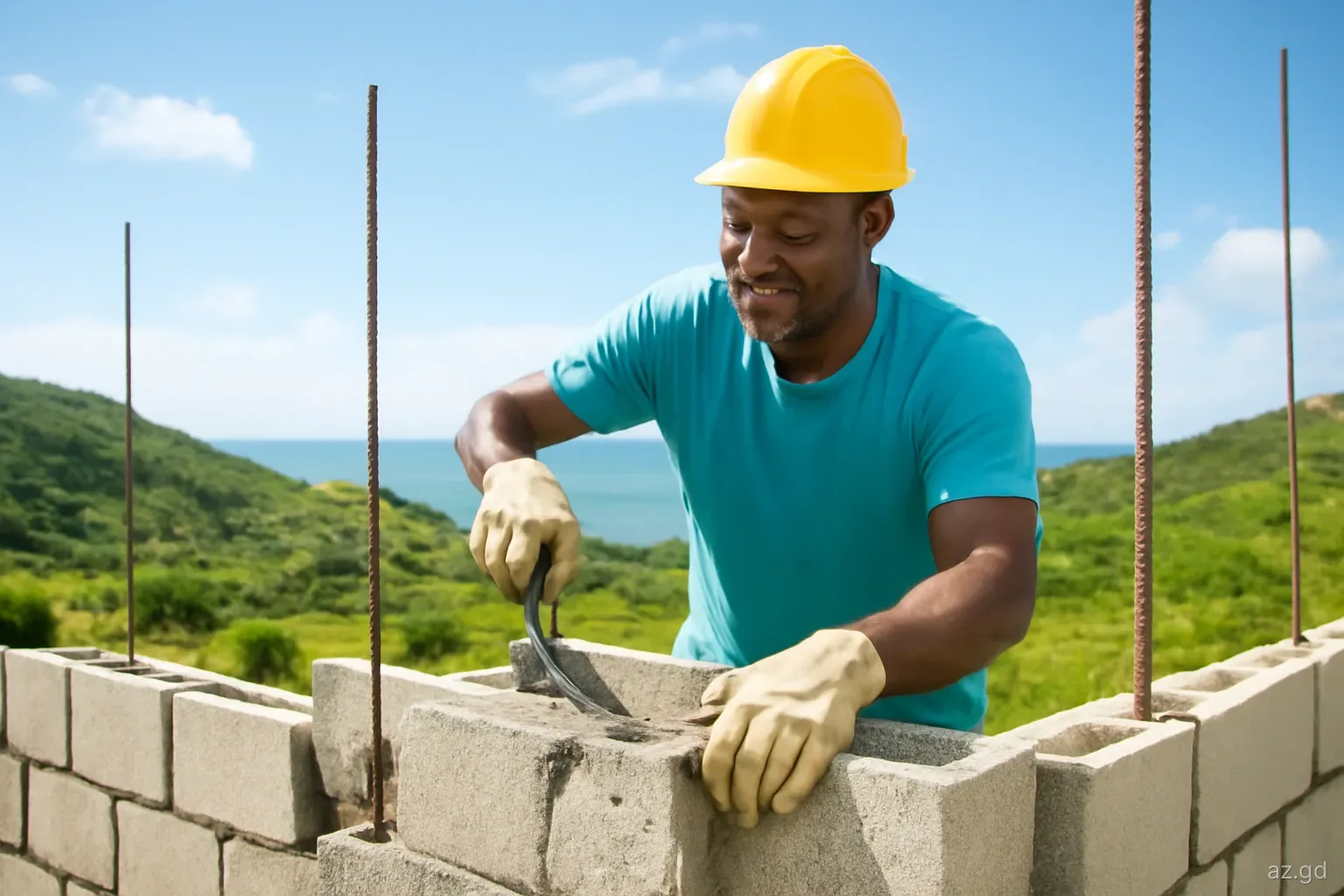
Most property problems in Grenada are not fraud. They are ordinary complications that nobody checked: a house built partly on the neighbour's land, an owner who died without a will leaving a dozen heirs, an extension that never had planning approval, a track to the plot that turns out to cross someone else's land. Each is far easier to resolve before you pay than after.
This page sets out what a careful buyer, and their attorney and surveyor, should check before committing. It complements the general buying process: the searches your lawyer carries out are only part of the picture, and the physical checks are yours to arrange.
Tracing the chain of title
Because Grenada uses a deeds-based system, the seller's ownership rests on a chain of documents recorded at the Deeds and Land Registry: earlier conveyances, wills, grants of probate or letters of administration, and court orders. Your attorney traces that chain back far enough to be satisfied there is no gap or competing claim, and checks that each transfer was properly made and registered.
Searches also cover mortgages and charges that must be released at completion, judgments registered against the seller, and pending court proceedings recorded at the High Court Registry. A property with an unreleased mortgage from years ago can usually be cleared, but it needs the lender's cooperation and time.
Ask your lawyer to explain what the chain shows in plain terms, and to tell you about anything unusual, such as a deed with a vague description, a transfer for no stated price or a long gap between owners. A good attorney will give you a written report on title before you complete.
Family land and estates
A large share of land in Grenada has passed down through families without formal transfers. When an owner dies without a will, the land belongs to the heirs together, often children and grandchildren spread across Grenada, Trinidad, New York, Toronto and London. Any of them may have a claim, and a sale by one family member who lives on the land is not enough to give you good title.
To sell such land properly, the estate must normally be administered: someone obtains letters of administration, or a grant of probate where there is a will, from the High Court, and then transfers the land with the authority of the estate. If the heirs agree, this is routine though slow. If they disagree, or some cannot be found, it can take years, and no deposit should be paid until it is resolved.
Warning signs include a seller who describes the land as "my grandmother's", relatives living on part of the property, and a price that seems low for the area. None of these means you should walk away, but they mean the estate paperwork must be in order before you pay a deposit.
Boundaries, access and neighbours
Survey before you buy. Have a licensed land surveyor compare the survey plan with what is on the ground and locate the boundary markers. Fences, walls and hedges are often in the wrong place.
Encroachments both ways. Check whether any part of the house, driveway, cistern or septic system sits on neighbouring land, and whether a neighbour's structures sit on yours.
Legal access. A plot reached by a track over someone else's land needs a recorded right of way. Without it, access depends on goodwill, and goodwill can change with a new neighbour.
Occupiers. Long-term occupation by someone other than the owner can found a legal claim to the land over time. Find out who lives on or uses any part of the property, including grazing animals or planting crops, and ask your lawyer how to deal with it before completion.
Shared services. Water lines, drains and power cables sometimes cross neighbouring plots. Ask whether these rights are recorded.
Planning compliance and existing buildings
Many houses in Grenada have grown over the years with extra rooms, a second storey or an enclosed veranda. Ask whether these were approved by the Planning and Development Authority, and ask the seller for copies of approved drawings. An unapproved extension may not stop a sale, but it can complicate insurance, mortgage lending and your own plans to renovate.
For land, ask what can be built: the zoning, any estate covenants, minimum setbacks from roads and boundaries, and coastal restrictions near the shoreline. Beaches in Grenada are public, so a waterfront deed does not give you exclusive use of the beach in front of it, and building close to the high-water mark is restricted.
Check environmental risks too: flood-prone land near rivers and gullies, steep slopes prone to landslides in heavy rain, and low-lying coastal plots exposed to storm surge and erosion. Neighbours and long-time residents often know which roads flood and which hillsides moved in past storms.
The physical inspection
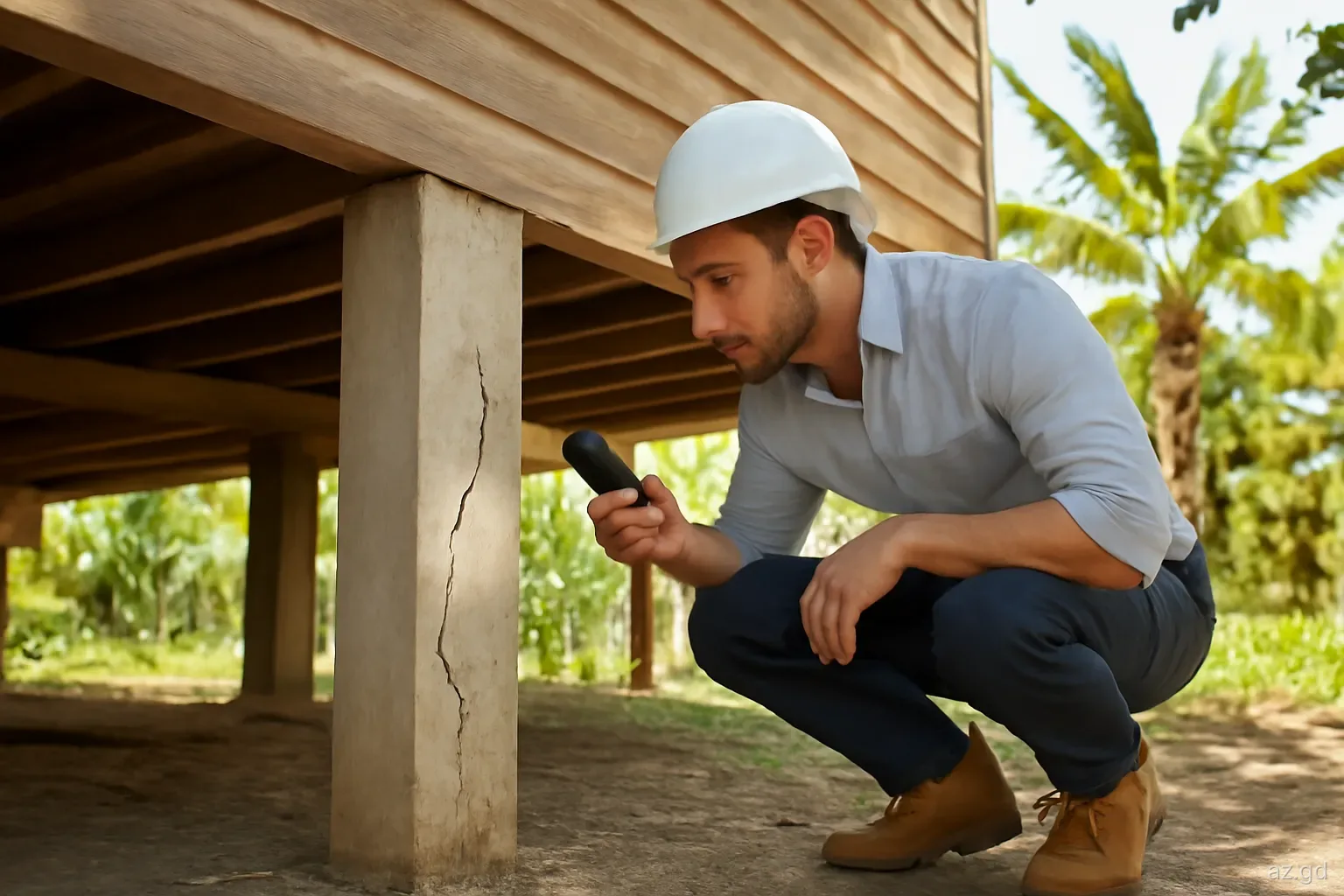
Pay an engineer or an experienced builder to inspect any existing house. In Grenada's climate the usual findings are:
- corroded reinforcement in concrete, shown by cracking and rust stains, especially near the sea;
- termite damage in roof timbers, door frames and built-in cupboards;
- roof condition: fixings, hurricane straps, rusted sheets and repairs made after storms;
- water ingress around windows, flat roofs and verandas, and mould inside;
- cistern and pump condition, leaks and cleanliness;
- septic system location, capacity and whether it has been emptied;
- electrical wiring that is old, overloaded or added piecemeal;
- pool structure, pumps and leaks, which are expensive to fix.
- Ask for a written report with photographs and rough repair costs, and use it to renegotiate the price or ask the seller to repair before completion.
Sellers abroad, powers of attorney and agents
Many Grenadian properties are owned by people living overseas, and sales are often signed by someone holding a power of attorney. That is normal, but the power must be valid, properly executed, registered where required and wide enough to cover the sale. Your attorney should see the original and confirm that the person who granted it is alive and has not revoked it.
Where several co-owners or heirs are selling, each must sign or be represented. A sale agreement signed by one sibling "on behalf of the family" without written authority from the others is a common source of later disputes.
Be cautious with anyone who presents themselves as the seller's agent and asks for money directly. Deposits should go only to an attorney's client account, and the balance only at completion through the attorneys. If a seller pushes for a quick private payment to secure a bargain, treat that as a reason to slow down.
A due diligence checklist to work through
Before signing the sale agreement, or at least before the agreement becomes unconditional, work through these with your attorney:
- Confirm the seller's identity and that they, or the estate they represent, own the property.
- Obtain your attorney's written report on the chain of title, mortgages, judgments and pending claims.
- Commission a boundary survey and compare it with the deed and survey plan.
- Check access, rights of way and any shared services.
- Ask for planning approvals for the house and any extensions, and estate covenants if applicable.
- Obtain proof that property tax has been paid and that there are no arrears on GRENLEC or NAWASA accounts.
- Arrange a building inspection and get insurance quotes based on its findings.
- Check that the sale agreement lists furniture separately, sets a long-stop date and provides for the deposit to be refunded if the licence is refused or title fails.
Frequently asked questions
What is family land in Grenada?
Land that has passed down through a family without formal transfers, often after an owner died without a will. It belongs to all the heirs together, so a sale needs the estate to be properly administered, usually through letters of administration from the High Court.
How do you check who owns land in Grenada?
Your attorney searches the records at the Deeds and Land Registry and the High Court Registry to trace the chain of deeds, wills and court orders, and to find mortgages or claims. A licensed surveyor confirms the boundaries on the ground.
Are beaches private in Grenada?
No. Beaches in Grenada are public, so owning waterfront property does not give exclusive use of the beach. Building near the shoreline is also restricted, so check setbacks before buying a coastal plot.
Do you need a survey when buying property in Grenada?
It is strongly advisable. Boundaries on the ground often differ from fences and walls, and encroachments are common. A licensed surveyor can locate the markers and compare them with the survey plan before you commit.
Can squatters claim land in Grenada?
Long, uninterrupted occupation by someone other than the owner can found a legal claim over time. Find out who occupies or uses any part of the land and resolve it with your lawyer before completing.
What are the most common defects in Grenadian houses?
Corroded steel in concrete near the sea, termite damage, roof problems after storms, leaks around windows and flat roofs, and ageing wiring, pumps and septic systems. An inspection by an engineer or experienced builder is worth the cost.