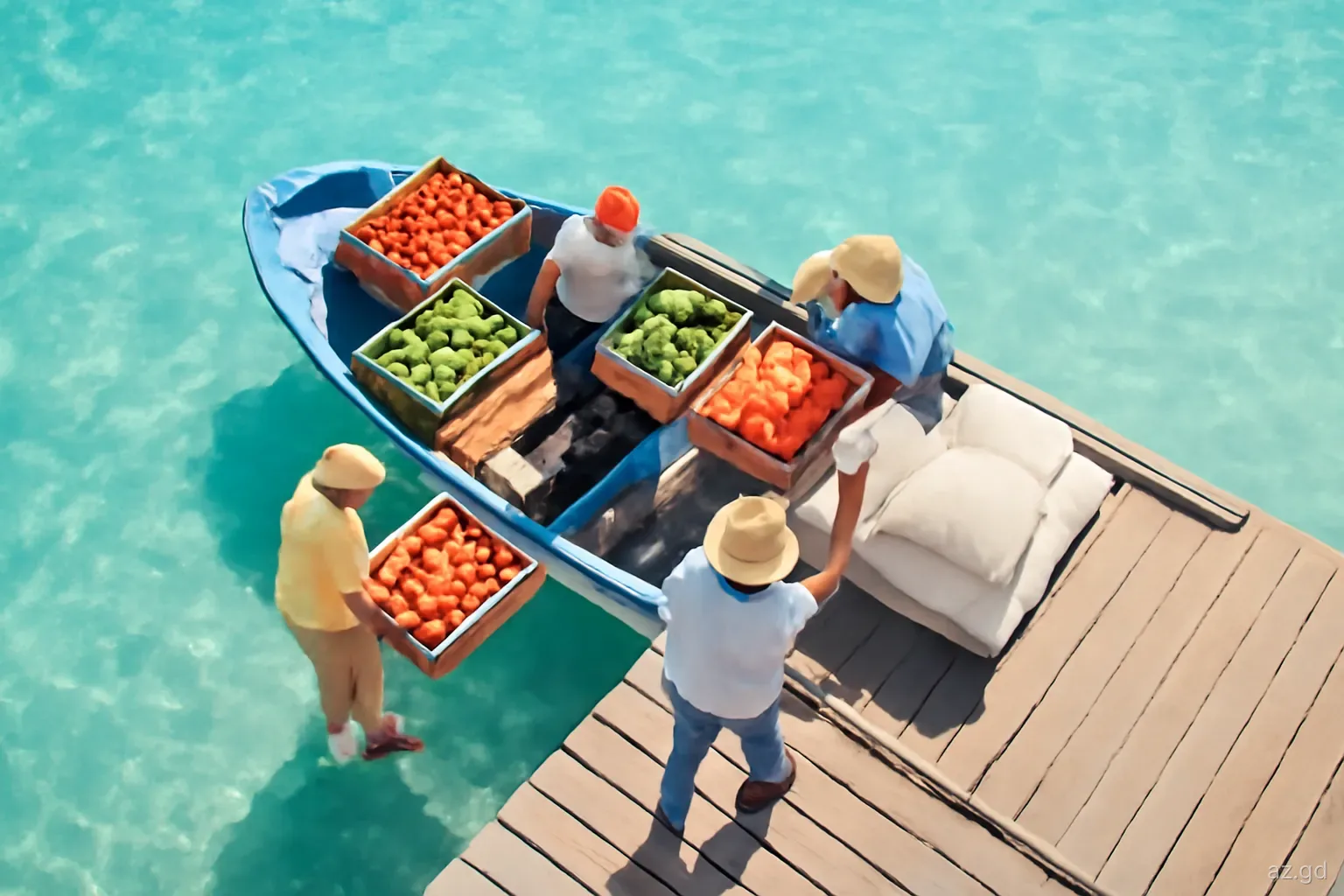
Shopping on Carriacou and Petite Martinique works on a smaller scale and a different rhythm from mainland Grenada. Almost everything that is not grown or caught locally arrives by sea from Grenada, so stock depends on boat schedules, and shelves can be thin before a delivery and full just after.
Both islands were badly hit by Hurricane Beryl in July 2024, and rebuilding has changed the shopping picture in places: some businesses reopened in new premises, some closed, and others are still recovering. Check current details locally before you rely on a particular shop. What follows explains how shopping works on the sister islands and how to plan around it.
Hillsborough: the shopping centre of Carriacou
Hillsborough, on the west coast of Carriacou, is the island's main town and where most shops are. Main Street, running parallel to the bay, has supermarkets and grocery stores, small general stores, hardware, a pharmacy, bars and places to eat. Republic Bank has a branch on Main Street, and other financial services are close by. The town jetty, where cargo boats come in, is at the centre of town, so it is easy to see when supplies arrive; the passenger ferry from Grenada now docks at Tyrrel Bay (confirm when booking).
Outside Hillsborough, villages such as Windward, Bogles, L'Esterre and Harvey Vale have small shops selling basics: bread, drinks, canned goods, gas and phone credit. Tyrrel Bay, a popular anchorage, has shops and services aimed partly at yachts.
Selection is narrower than on the mainland, and prices for imported goods are generally higher because of the extra shipping.
Fresh food: produce, fish and bread
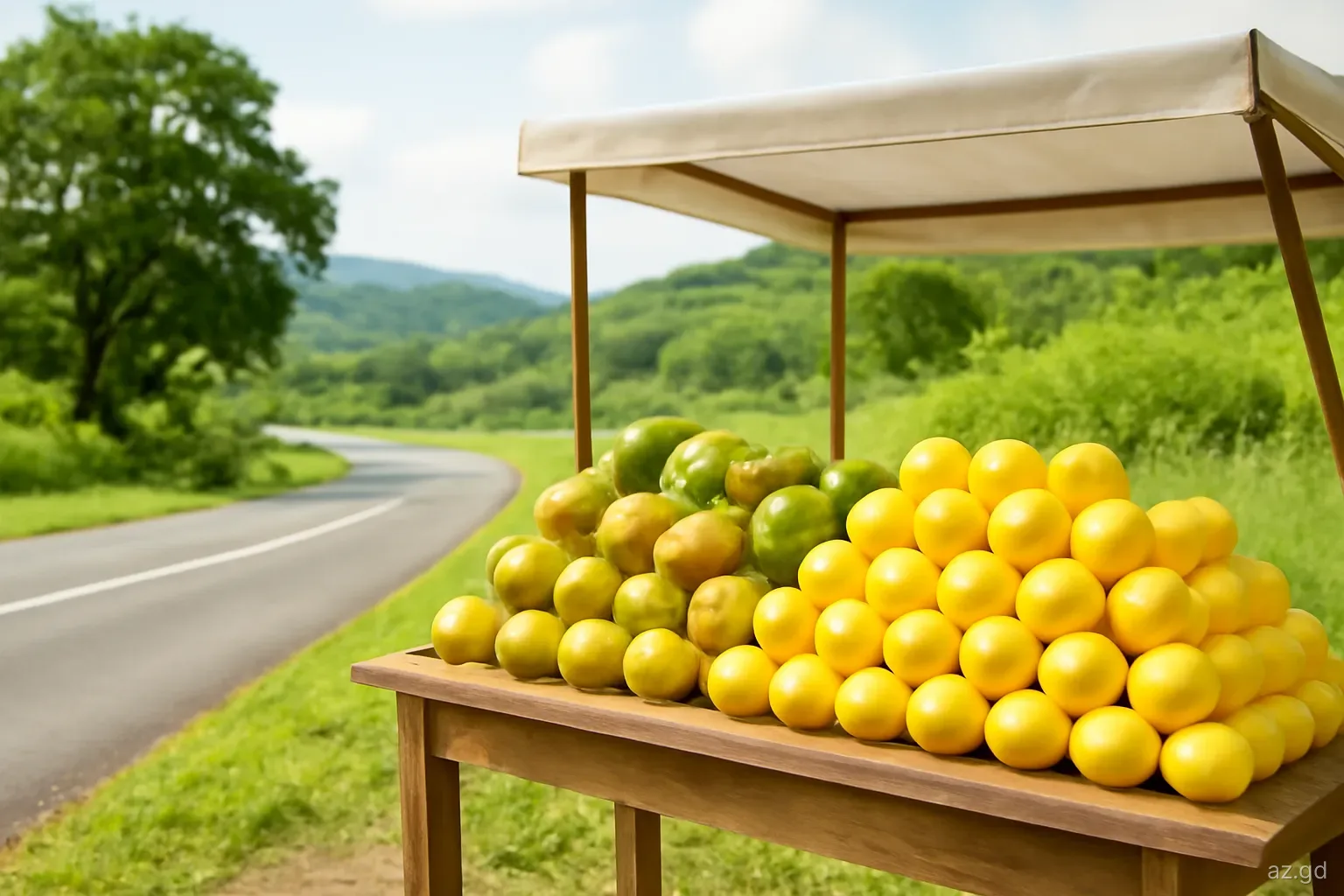
Fresh fruit and vegetables come partly from local farms and partly from Grenada on the boats. Carriacou is drier than Grenada and grows less produce, so variety is limited and quality varies. Buy fresh food soon after a delivery, and be prepared to change your menu around what is available.
Fish is a different matter. Carriacou and Petite Martinique are fishing communities, and fresh fish, lobster in season and conch are available from fishermen and sometimes from vendors in Hillsborough. Lobster has a closed season, during which it should not be sold or bought; ask, and do not buy undersized lobster or females carrying eggs.
Local bakeries supply bread, and some small producers sell eggs, preserves and pepper sauce. Ask your accommodation who sells what; on islands this size, the best supplier is often known by name rather than by a shop front.
For self-catering, a realistic pattern is one main shop in Hillsborough soon after you arrive, small top-ups from village shops, and fish bought directly when boats come in. Restaurants and beach bars fill the gaps, and many cook with whatever arrived that week.
Petite Martinique: a very small market
Petite Martinique is tiny, with a population of under a thousand and a handful of shops near the main jetty. They stock everyday basics, drinks and some hardware and boat supplies. There is no large supermarket. Fuel is available for boats, and the island has long-standing links with seafaring and trade across the southern Grenadines and beyond, which is part of its history.
If you are staying on Petite Martinique, bring any specific food, medication or personal items with you from Grenada or Carriacou. The ferry between Carriacou and Petite Martinique is short, so a trip back to Hillsborough to shop is possible, but it depends on sailing times and the weather.
As on Carriacou, the effects of Hurricane Beryl are still part of daily life for many households, and businesses may have changed since earlier guidebooks were written.
Provisioning a yacht at Tyrrel Bay and Hillsborough
Tyrrel Bay on Carriacou's south-west coast is one of the main anchorages in the southern Grenadines, with a boatyard, chandlery-type services, small shops and places to eat. Yachts also anchor off Hillsborough and at Sandy Island. Crews stock up on fresh food, bread, ice, water and fuel, and on basics from Hillsborough's supermarkets.
Yachts coming from the south often provision fully in Grenada before sailing north, where supermarkets are larger and prices lower. Carriacou covers top-ups well, but specialist items, large quantities of drinks and imported meats are easier to buy on the mainland.
Clearing in and out for yachts is handled at Hillsborough. Check the current procedure and fees with the customs and immigration officers there or through the official channels before arrival.
What to bring from Grenada before the ferry
Buy these on the mainland if you can, especially for a longer stay:
- Prescription medicines and any specific over-the-counter products you rely on.
- Specialist food items: particular cheeses, gluten-free products, baby food, wine you like.
- Sunscreen, insect repellent and toiletries in the brands you prefer.
- Snorkelling gear if you have it, though rental is available.
- Enough cash in EC dollars for several days, in case of ATM outages.
- A cool bag for carrying chilled goods on the ferry.
- Spare phone chargers and power banks, useful during power cuts.
- A torch or headlamp, handy in the evenings and during outages.
- Reusable water bottles; drinking water is sold widely, but refilling reduces waste.
- Any special dietary items, such as plant milks or allergy-free snacks, which may not be stocked at all.
- A small first-aid kit, since the pharmacy may not carry every brand.
Souvenirs from the sister islands
Carriacou has a long tradition of wooden boatbuilding, centred on Windward, where sloops and schooners have been built by hand on the beach for generations. Model boats made by local craftspeople are among the most distinctive things to take home, though larger models need careful packing.
Otherwise, souvenirs are modest: local preserves, pepper sauce, rum, T-shirts and crafts sold in a few shops in Hillsborough and at events. The Carriacou Regatta Festival, usually held around the start of August, and Carriacou Carnival, held at the traditional pre-Lenten time unlike Grenada's August Spicemas, bring more vendors and stalls.
The islands' music and dance heritage, including the Big Drum tradition, is something to experience rather than buy, but recordings and locally produced items sometimes turn up at cultural events.
Water, gas and power: the practical side
Shopping on the sister islands includes some things mainland visitors rarely think about. Carriacou is dry, and many homes depend on rainwater cisterns; bottled water is sold in every shop, and it is sensible to keep a supply. Cooking gas is sold in cylinders through local outlets, and running out on a Sunday can mean a cold dinner.
Electricity supply has been restored after Hurricane Beryl, but outages still happen. A power bank, a torch and some food that does not need refrigeration are worth having, especially if you are self-catering.
Ice is sold in bags at shops and some bars, useful for cool boxes on beach days and for keeping fish fresh. As with everything on the islands, buy it in the morning, before the day's supply runs out.
Money, timing and pitfalls
Cash is king. Some businesses on Carriacou take cards, but many do not, and on Petite Martinique cash is the norm. ATMs on Carriacou are few and concentrated in Hillsborough; they can run out of cash, especially at weekends and during the Carriacou Regatta or Carnival.
Sundays and holidays are very quiet. Expect most shops to be closed on Sundays. Plan meals ahead for weekends and public holidays.
Boat schedules set the pace. If the weather delays the cargo boat, shelves empty. Do not wait until the last day before a holiday to stock up.
Prices are higher. Imported goods cost more than on Grenada because of the extra freight leg. Budget accordingly for self-catering.
Reconstruction is ongoing. Since Beryl, some shops have moved or changed hours. Ask locally rather than relying on old listings.
Frequently asked questions
Are there supermarkets on Carriacou?
Yes. Hillsborough has several supermarkets and grocery stores, and villages have small general shops. Choice is narrower than on mainland Grenada and depends on deliveries by sea, so stock varies through the week and prices for imported goods are higher.
Is there an ATM on Petite Martinique?
Do not count on one. Bring enough EC dollars from Grenada or from Hillsborough on Carriacou before you cross. Petite Martinique's shops mostly deal in cash, and its services are limited because of the island's small size.
Did Hurricane Beryl affect shops on Carriacou?
Yes. Beryl struck Carriacou and Petite Martinique in July 2024 with Category 4 winds and damaged homes, businesses and infrastructure. Many shops have reopened, some in new premises, while others have closed or changed hours. Check locally for current information.
Can fresh fish be bought on Carriacou?
Yes. Fishing is central to life on both islands. Fish, conch and, in season, lobster are sold by fishermen and vendors. Respect the lobster closed season and avoid undersized lobster or females carrying eggs, which should not be sold.
Should food be brought from Grenada to Carriacou?
For a short stay, local shops cover the basics. For a longer stay, or if you need specific foods, medicines or brands, buy them in Grenada before taking the ferry. Bring a cool bag for chilled items and pack carefully for the crossing.
Do Carriacou shops accept credit cards?
Some larger shops, hotels and restaurants do, but many smaller businesses are cash only. Carry EC dollars in small notes for everyday purchases, and do not rely on a single ATM in Hillsborough, which can run out of cash at busy times.