Most visitors do all their shopping between St George's and Grand Anse, but the rest of the island has its own markets, fish landings, processing stations and roadside stalls. Shopping in the country towns is less about souvenirs and more about seeing how Grenadians buy everyday food, and getting produce straight from the people who grow or catch it.
This page covers the main towns outside the capital, what each is good for, and how to shop there without frustration: when to go, what to carry and what not to expect.
Grenville: the market town of the east
Grenville in St Andrew, Grenada's largest parish, is the second town of the island and the shopping centre for the east coast. The market sits in the centre of town close to the bus terminus, with fruit, vegetable, craft and meat stalls. It opens through the week, but Saturday is the traditional market day, when farmers from the surrounding farming districts bring in their produce and the town is at its busiest. Butchers and meat vendors trade mainly on Friday and Saturday.
Around the market are supermarkets, hardware and agricultural supply stores, pharmacies, banks and clothing shops. If you are spending time on the east coast, at places such as Pearls, Bathway or the Grand Etang side of the island, Grenville is where to stock up.
Buses to Grenville leave from the Melville Street terminal in St George's. Allow most of a morning for a trip, especially on Saturday when traffic through town slows.
Gouyave: nutmeg, fish and Friday nights
Gouyave, the main town of St John on the west coast, is a fishing town with a strong identity. Its nutmeg processing station, run by the Grenada Co-operative Nutmeg Association, is one of the largest on the island; visitors can often tour it for a small fee, and nutmeg products are sold nearby. Check opening days before going, as tours depend on the station's working schedule.
Fish is the other reason to stop. Boats land their catch along the shore, and fresh fish, including tuna and other pelagic species in season, is sold close to where it comes in. Morning is the time to buy. Gouyave is also known for its Friday night street food event, known as Fish Friday, which is covered in more detail in our food and dining sections.
The town has small supermarkets and shops for basics, but it is not a place for a big grocery run; most people combine a stop here with a drive up the west coast.
Sauteurs, Victoria and the north
Sauteurs, in St Patrick at the northern tip of the island, is a small town with supermarkets, shops, a market area and banks. It is the base for shopping in the north, and the surrounding countryside is cocoa and nutmeg land. Victoria in St Mark, on the west coast between Gouyave and Sauteurs, is quieter, with small shops and fish sold close to the shore.
Several of the island's best-known agricultural businesses are in the north. The Belmont Estate near Hermitage in St Patrick combines a working cocoa estate with a shop selling its chocolate and estate products. The Grenada Chocolate Company is nearby, and River Antoine Rum Distillery, where you can buy its strong rum, is a short drive east. Opening days and tour times vary, so confirm before you go.
Keep cash on you in the north. Card terminals are less common than in the south, and the nearest ATM may be in town rather than where you happen to be.
St David's and the south-east
St David, east of the Grand Anse area, is mainly residential and agricultural, without a large town, but it has small shops in every village and some of the island's notable agricultural sites. The Westerhall rum estate is in the parish, and the Laura Herb and Spice Garden near the village of Laura lets visitors see and buy the herbs and spices grown on the island. Check opening times before you set off.
Supermarkets and shops in St David's and the nearby part of St George, around places such as Woburn and Calivigny, serve the many residents who live along the south coast bays. For a large shop, most people still drive to Grand Anse or St George's.
Roadside fruit sellers and small stands with coconuts are common along the main roads here, particularly at weekends.
Roadside stalls and vendors
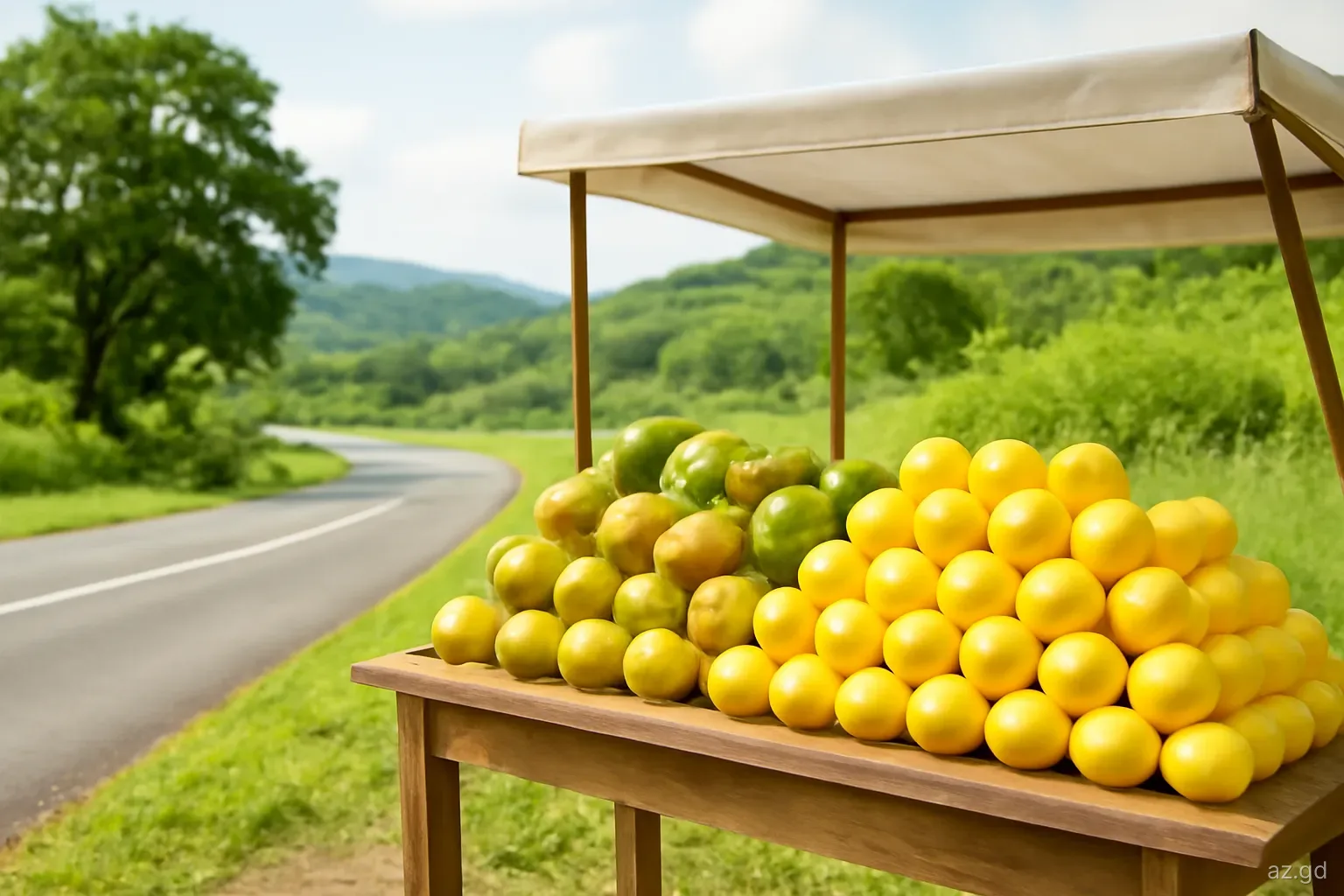
Seasonal fruit. Along the main roads, especially through St John, St Mark and St David, you will see tables of mangoes, golden apples, plums, citrus and bananas, depending on the season. Prices are usually low and paid in cash.
Grand Etang and the interior. On the main road over the mountains near Grand Etang, vendors sell spices, spice necklaces, cocoa balls and fruit to passing traffic and tour vans. It is a convenient stop, but prices are pitched at visitors.
Coconut water. Vendors with a pile of green coconuts and a cutlass will open one for you on the spot. It is one of the simplest and best purchases on the island.
Honey and preserves. Local honey, pepper sauce and home-made preserves are sometimes sold from houses and small stalls. Ask what is in them and when they were made.
Pull over safely. Roads are narrow with few verges. Stop only where you can get completely off the road, and watch for buses.
Buying fish: how it works in the country
Most fishing communities have a fish market or landing site: Gouyave, Grenville, Sauteurs and Victoria among them, as well as the fish market on the Melville Street side of St George's. Fish is sold whole or in pieces, weighed and priced per pound. Common catches include tuna, kingfish, mahi-mahi (called dolphin locally, a fish, not the mammal), snapper, jacks and flying fish, varying with the season.
Arrive in the morning when boats come in. Vendors will scale and clean fish for you. If you are not sure how to cook something, ask; people are usually happy to explain the local way, often stewed or fried with plenty of seasoning.
Prices depend on the catch and the weather. After rough weather, supply drops and prices rise. Carry cash and a cool bag.
A practical loop around the island
A full-day shopping and sightseeing loop is easy by car. Head north from St George's along the west coast in the morning, stopping at roadside fruit stalls and at Gouyave for the nutmeg station and fish. Continue through Victoria to Sauteurs for lunch and supplies, then visit an estate or distillery in St Patrick in the early afternoon.
Return down the east side through Grenville, where you can pick up anything else at the market and supermarkets, and cross back to St George's either over the mountain road via Grand Etang or around the south-east through St David. Allow plenty of time: roads are winding, and the drive takes longer than distances suggest.
If you are using route buses, split the trip into separate days, as connections between the north and east are slower and services thin out in the late afternoon.
What to check before heading out
A few habits make country shopping go smoothly:
- Bring cash in small EC dollar notes. Many stalls and small shops cannot take cards or change large bills.
- Shop in the morning. Fish sells out early, and many rural shops close in the late afternoon.
- Avoid Sundays for errands. Country towns are very quiet, with most shops closed.
- Check whether estates, distilleries and processing stations are open on the day you plan to visit.
- Carry a cool bag if you are buying fish or anything chilled for a long drive back.
- Expect fewer imported goods. If you need something specific, buy it in Grand Anse or St George's before you set off.
- Have a plan for fuel; petrol stations are fewer in the north and on the east coast.
Frequently asked questions
What day is market day in Grenville?
Saturday is the traditional market day in Grenville, as it is across Grenada. The market operates through the week, but Saturday has the most vendors and produce, with meat sellers mainly trading on Friday and Saturday. Go early for the best choice.
Can the Gouyave nutmeg station be visited?
The Grenada Co-operative Nutmeg Association's processing station in Gouyave has long welcomed visitors for short guided tours for a small fee. Tours depend on the station's working days, so check current opening times locally before making a special trip.
Are there ATMs outside St George's?
Yes, banks have branches and ATMs in Grenville, Gouyave, Sauteurs and other towns, but there are far fewer than in the south. Machines can run out of cash or be offline, so carry enough EC dollars for a day out in the country.
Is it safe to buy fish on the beach?
Buying fish where it is landed is normal in Grenada and the catch is usually very fresh. Buy in the morning, keep it cold on the way home, and cook it the same day. Ask the fisherman which fish it is and how locals cook it.
Where can chocolate be bought in the north of Grenada?
The Belmont Estate in St Patrick sells its own chocolate and estate products, and the Grenada Chocolate Company is nearby. Bars from Grenadian makers are also stocked in supermarkets across the island. Check opening days before driving out to an estate.
Do roadside vendors accept US dollars?
Some will, but roadside sellers price in EC dollars and may not have change in either currency. Small EC notes and coins are the practical choice. Agree the price before the vendor bags or opens anything.