Grenada sits where deep Atlantic and Caribbean water meet a narrow shelf, so blue water and big pelagic fish are often within an hour's run of the south coast marinas. Sailfish, blue and white marlin, yellowfin tuna, wahoo and mahi-mahi all pass through, and the island has hosted one of the Caribbean's longest-running billfish competitions, the Spice Island Billfish Tournament, since the 1960s.
This guide is for visitors and residents who want to fish: when the main species are around, how a charter day works, what it costs in broad terms, and the rules and etiquette that keep the fishery healthy. Local fishing communities depend on the same fish, so it pays to understand how sport and commercial fishing coexist.
What you can catch, and when
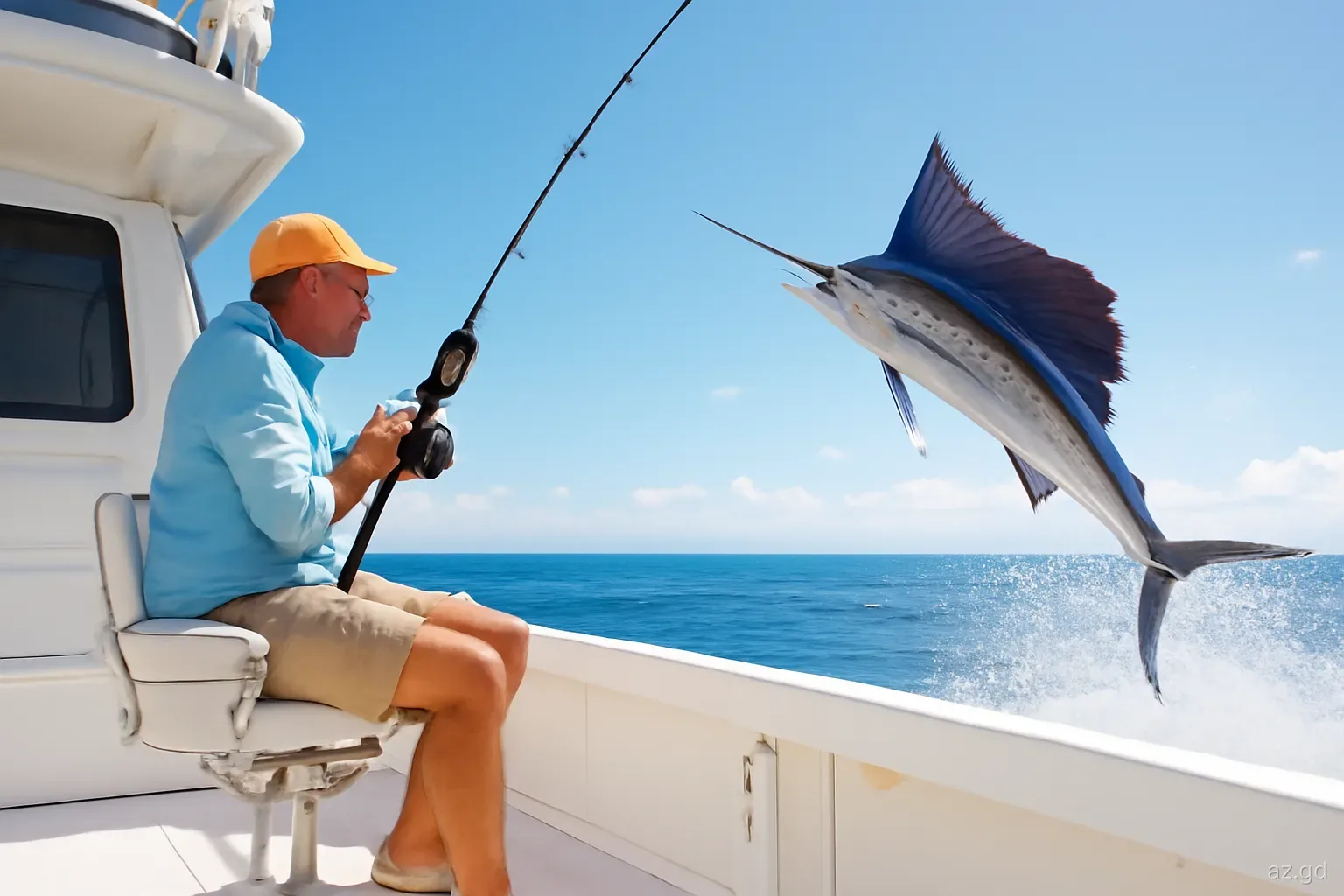
Sailfish and marlin. Billfish are the headline catch. Sailfish and blue and white marlin are generally most active from late in the year through the dry season, roughly November to May, which is why the billfish tournament is held in January. Marlin can turn up at other times too.
Yellowfin and blackfin tuna. Tuna are caught for much of the year, with yellowfin a prized catch offshore. Blackfin tuna are smaller and often found closer to shore.
Wahoo. Fast and hard-fighting, wahoo are commonly targeted in the cooler months of the dry season and are excellent eating.
Mahi-mahi. Known locally as dolphin or dorado, mahi-mahi travel near floating weed and debris, especially from late in the year into spring.
Kingfish and reef species. King mackerel, barracuda, jacks and snapper are caught closer to shore and around banks, making inshore trips productive when offshore conditions are rough.
How a charter day works
Most sport fishing charters leave from marinas on the south and south-west coast, around the St George's lagoon and the bays near Prickly Bay and Lance aux Epines. Boats range from small open boats for inshore trips to fully equipped sportfishing boats with fighting chairs, outriggers and electronics for blue-water trips.
Typical charters run for half a day or a full day. A half-day trip suits beginners and families and usually stays closer to shore. Full-day trips allow time to run to deeper water and are the better choice for billfish. Captains normally provide rods, reels, tackle, bait and safety gear, and many include drinks and snacks. Confirm exactly what is included, how many people the boat takes, and whether the price is per boat or per person.
Prices depend on the boat, duration and season and change often, so get quotes from several operators. Expect a full-day sportfishing charter to cost considerably more than a half-day inshore trip, and agree the price in writing, stating the currency, EC or US dollars, before departure.
Children and first-timers are usually welcome on half-day trips, and captains are used to teaching beginners how to work a rod and reel. If anyone in your group is prone to seasickness, choose a calm day, a larger boat and a morning departure, when the sea is often flatter.
The Spice Island Billfish Tournament
The Spice Island Billfish Tournament, usually held over several days in late January, draws boats and anglers from Grenada, neighbouring islands, North America and Europe. Its 2026 edition ran at the end of January, keeping the traditional mid-winter slot when billfish are expected to be active and the trade winds are steady.
The tournament has long promoted tag-and-release for billfish, with points awarded for releases and a strong emphasis on conservation. Anglers fight the fish, bring it alongside, tag or release it, and record the catch for points rather than bringing billfish ashore. This approach helps protect slow-growing billfish populations and supports scientific research on their movements.
Even if you are not competing, tournament week is lively, with boats coming and going, prize-givings and social events around the host marina. Accommodation and charters near the south coast fill up, so book early if you plan to visit then. Check the organisers' current schedule and entry rules before travelling, as dates and formats can change from year to year.
Rules and etiquette on the water
Grenada's fisheries are managed under national law, and some areas are protected. Sport anglers should respect these rules and local customs.
- Marine protected areas. The Moliniere-Beausejour marine protected area on the west coast, home to the underwater sculpture park, and the Sandy Island/Oyster Bed area off Carriacou restrict fishing. Your captain should know the boundaries; ask if unsure.
- Spearfishing. Spearfishing is regulated and restricted, particularly for visitors and with scuba gear. Do not bring or use spearguns without checking the rules with the Fisheries Division.
- Size limits and protected species. Some species, such as lobster and conch, have closed seasons and minimum sizes. Turtles are protected and must never be caught.
- Tag-and-release. Release billfish and undersized fish quickly and carefully, keeping them in the water where possible.
- Share the catch. Charter captains often keep or sell some of the catch, which is part of how they make a living. Agree beforehand how much of the eating fish you will take.
- Respect local fishermen. Keep clear of fish pots, nets and moored fishing boats. Commercial fishermen work the same waters and depend on them.
Local fishing communities
Commercial fishing is an important livelihood in Grenada, especially in Gouyave, Grenville, Sauteurs, Grand Mal and on Carriacou and Petite Martinique. Gouyave, in St John, is known as the fishing capital and celebrates the feast of St Peter, patron saint of fishermen, at the end of June with the Fisherman's Birthday festivities.
Many local fishermen use small open boats called pirogues, often painted in bright colours, and target tuna, kingfish, flying fish and reef species with handlines, longlines and fish pots. The fish market in St George's and landing sites around the island sell the day's catch, and buying fresh fish directly from fishermen as they come in is a common practice.
Visitors who show interest and respect will usually find fishermen happy to talk about their work. Some captains offer trips that mix fishing with sightseeing along the coast, and they are a good way to learn about traditional fishing.
Mistakes to avoid when booking a fishing trip
A little planning prevents most disappointments. Check these points before you hand over a deposit.
- Booking a half-day trip and expecting marlin. For billfish, choose a full day in blue water.
- Not checking the weather. Strong winds and swell, especially on the Atlantic side, can make trips rough or lead to cancellations.
- Failing to confirm the price, inclusions and payment method in writing.
- Forgetting seasickness tablets, sunscreen, a hat and polarised sunglasses.
- Assuming the catch is yours to keep. Clarify catch-sharing arrangements first.
- Using operators without proper safety equipment. Ask about life jackets, radios and the captain's experience.
- Eating a heavy breakfast and drinking the night before a blue-water trip. The swell offshore is often bigger than it looks from the beach.
- Leaving cameras and phones unprotected. Spray soaks everything on a fast run out to the fishing grounds.
Fishing from Carriacou and Petite Martinique
The sister islands have deep seafaring traditions. Petite Martinique is known for its boatbuilders and fishermen, and Carriacou's Windward has a long history of building wooden sloops. Fishing here is mostly small-scale and commercial, but local boat owners can sometimes arrange trips for visitors, mixing trolling for kingfish and tuna with snorkelling stops and visits to nearby cays.
Arrangements are informal, so agree everything clearly: duration, price, what is provided and who keeps the catch. Safety equipment on small boats varies, so look for life jackets before you leave the shore.
Remember that the Sandy Island/Oyster Bed marine protected area covers some of the most popular waters off Carriacou's west coast. Fees apply for visiting the area, and fishing within it is restricted. Hurricane Beryl damaged many boats and much fishing equipment in July 2024, and the fleet has been rebuilding since, so availability may be more limited than before.
Frequently asked questions
When is the best time for sport fishing in Grenada?
Billfish such as sailfish and marlin are generally most active from about November to May, during the dry season, which is why the Spice Island Billfish Tournament is held in late January. Tuna, wahoo and mahi-mahi can be caught at different times through much of the year.
What is the Spice Island Billfish Tournament?
It is a long-running international billfish competition held in Grenada, usually in late January, dating back to the 1960s. Boats compete to catch and release sailfish and marlin, and the event promotes tag-and-release conservation. Check the organisers' current dates and rules.
Where do fishing charters leave from in Grenada?
Most sport fishing charters depart from marinas and bays on the south and south-west coast, around the St George's lagoon and the Prickly Bay and Lance aux Epines area. Some operators can arrange pick-ups from nearby hotels or anchorages.
Do you need a fishing licence in Grenada?
Visitors fishing from a licensed charter boat are usually covered by the operator's arrangements. Spearfishing, fishing from your own boat and fishing in protected areas are regulated, so check with the Fisheries Division or your captain before you fish independently.
Can you keep the fish you catch in Grenada?
It depends on the species and your agreement with the captain. Billfish are normally released, while eating fish such as tuna, wahoo and mahi-mahi may be shared between the anglers and the crew. Agree catch-sharing before you leave the dock.