Foreigners can own land and homes in Grenada outright, and many do, from apartments near Grand Anse to villas on the south-coast peninsulas and cottages on Carriacou. The process is familiar to anyone who has bought in Britain or the Caribbean: an agreed price, a deposit, a lawyer's title search and a deed registered with the state. The difference is the Alien Landholding Licence, a government permit every non-citizen buyer needs, which adds both time and a fee of 10% of the value.
A straightforward purchase by a foreign buyer commonly takes three to six months from accepted offer to completion, most of it waiting for the licence. This page walks through each stage in order, explains who does what, and flags the points where buyers lose money or time.
How property ownership works in Grenada
Grenada uses a deeds-based system. Ownership is proved by a chain of conveyances, wills and court orders recorded at the Deeds and Land Registry in St George's, rather than by a single state-guaranteed title certificate. Each sale adds a new deed to the chain. That is why the buyer's lawyer must trace ownership back through earlier deeds to be satisfied the seller really owns what is being sold.
Conveyancing is done by attorneys-at-law admitted in Grenada. In a typical sale the seller's attorney prepares the sale agreement and the buyer's attorney checks it, carries out the searches, applies for the Alien Landholding Licence and prepares or approves the deed. If you borrow, the bank's attorney prepares the mortgage, usually at your cost.
Estate agents market property and negotiate, and their commission is normally paid by the seller. Agents are useful for finding property and understanding prices, but they act for the seller. Your own lawyer is the person whose job is to protect you.
The stages, in order
Most residential purchases follow the same path:
- Budget properly. Add roughly 13% to 15% to the price for a foreign buyer: the 10% licence fee, stamp duty of about 1%, legal fees of around 2% and incidental costs. Citizens pay much less.
- Choose your lawyer early. Pick an independent Grenadian attorney before you make an offer, not one introduced by the seller's side.
- Make an offer. Offers are usually made through the agent. Once a price is agreed, the seller's attorney drafts the sale agreement.
- Sign the agreement and pay the deposit. A deposit of 10% is customary, held in escrow by the seller's attorney. The agreement should make the sale conditional on the licence being granted and on good title.
- Searches and survey. Your lawyer searches the Deeds and Land Registry and the High Court Registry for the chain of title, mortgages, judgments and claims. Commission a surveyor to confirm boundaries if there is any doubt.
- Apply for the Alien Landholding Licence. Your lawyer files it with your police certificate, references and the agreement.
- Complete. When the licence is granted and its fee paid, the balance is transferred, the deed is signed and stamp duty is paid.
- Register. The deed is recorded at the Deeds and Land Registry. Ask your lawyer for a registered copy for your records.
The deposit and the sale agreement
The sale agreement is the document that matters most, and it is often a few pages long. Read it with your lawyer line by line. It should identify the property precisely, by survey plan and registered deed, not just by a house name. It should list any furniture and fittings included, because furnishings are not land and can be excluded from the licence fee and transfer tax.
Deposits of 10% are normally described as non-refundable, except where the licence is refused or the seller cannot prove good title. Make sure the agreement says exactly that, and sets a long-stop date: if the licence has not been granted by a certain date, either side can withdraw and the deposit is returned.
Check who pays what. By law the seller pays the property transfer tax, and it cannot lawfully be shifted to the buyer. The buyer pays stamp duty, registration fees and their own legal fees. Property tax should be paid up by the seller to the completion date; ask for proof from the Inland Revenue Division.
Moving money and paying for the property
Most foreign buyers pay cash. Local banks do lend for property, but loans to non-residents are less common, require a substantial down payment and take time to arrange. If you need a mortgage, speak to banks before you make an offer, not after.
Expect detailed questions about the source of your funds. Grenadian banks and attorneys must comply with anti-money-laundering rules, and large incoming transfers from abroad are checked. Have bank statements, sale documents for assets you sold and tax returns ready. Delays at this point are common and avoidable.
The Eastern Caribbean dollar is pegged at EC$2.70 to US$1, and prices are often quoted in US dollars. Agree in writing which currency the price is in and how the balance will be paid. Wire money only to an attorney's client account whose details you have confirmed by speaking to the firm directly, because email-based payment fraud does happen.
Off-plan, new-build and Carriacou purchases
Buying a unit in a development that is not yet finished adds a layer of risk. Payments are usually staged against construction milestones. Ask how deposits are protected, whether money is held by an attorney until each stage is certified, what the completion date is and what happens if it slips. Check that the developer has planning approval for the whole project, not just the first phase, and that the land is owned free of mortgages that could rank ahead of you.
New-build houses sold by small builders should come with drawings, approvals and, ideally, a defects period during which the builder returns to fix problems. Get these promises in the agreement.
On Carriacou and Petite Martinique the legal process is the same, but practicalities differ. Searches are still done in St George's, utilities are more limited, many homes rely on rainwater cisterns, and Hurricane Beryl in July 2024 damaged a large share of buildings. Inspect roofs and repairs with particular care, and ask what insurance the seller held and what was claimed.
Where foreign buyers go wrong
Using the seller's lawyer. It saves a little money and removes your only independent check. Always instruct your own attorney.
Underestimating the licence timeline. Booking a moving date or shipping a container before the licence is granted invites expensive storage and rental bills.
Buying by description. Boundaries on the ground do not always match the deed. Walk the boundary with a surveyor and look for the pins.
Ignoring estate rules. Gated communities such as Westerhall Point, Fort Jeudy and parts of Lance aux Epines have covenants and annual maintenance fees. Read them before you sign.
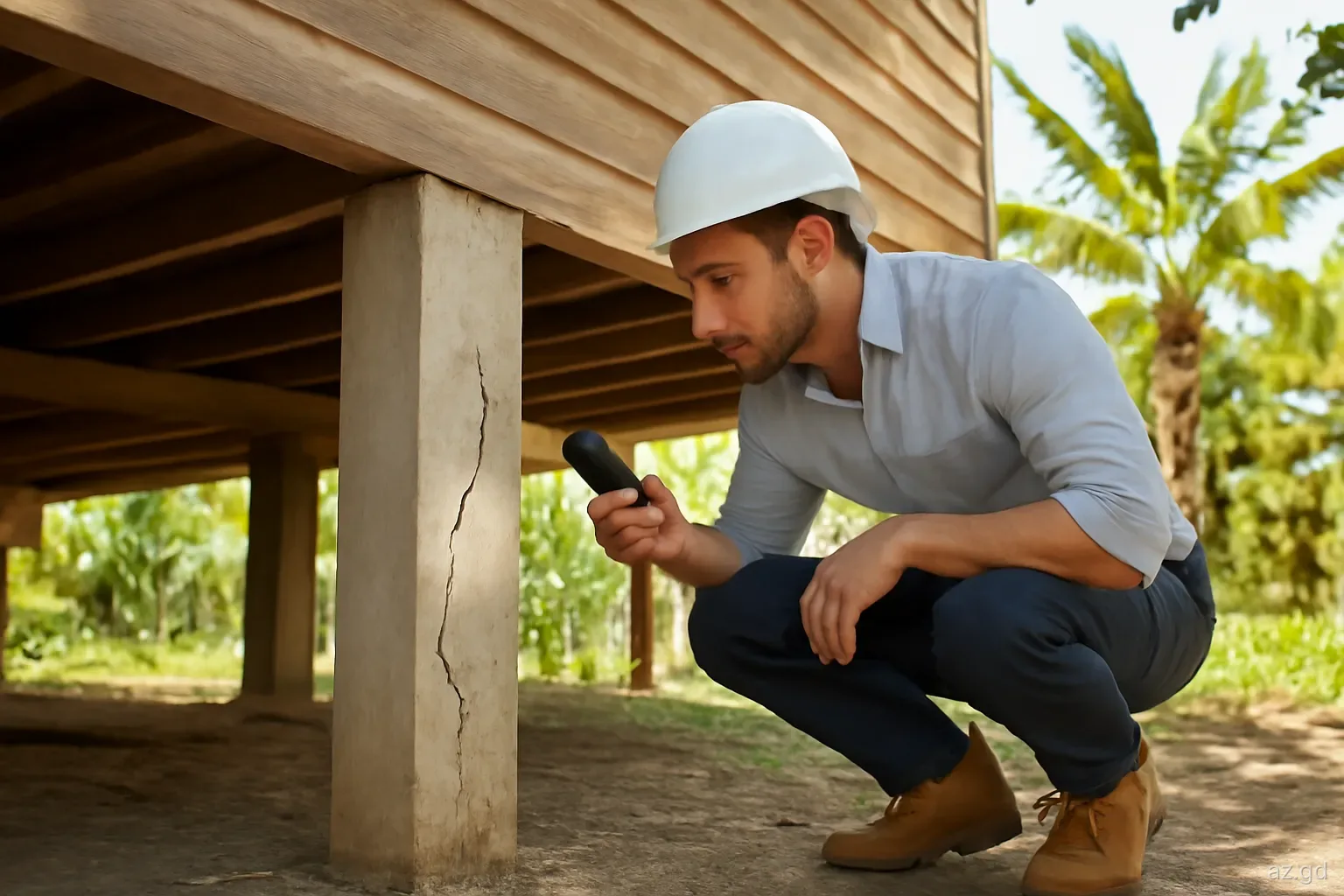
Skipping a building inspection. Salt air, termites, roof damage from storms and corroded steel in concrete are the common hidden defects. Pay an engineer or builder to look.
After completion: the first-month checklist
Owning the house is only the start. Within the first weeks:
- transfer electricity into your name with GRENLEC and water with NAWASA, and check there are no arrears on either account;
- arrange buildings insurance with windstorm cover from the day of completion, not from when you move in;
- register as the owner for property tax with the Inland Revenue Division, so demand notices reach you;
- keep the registered deed, licence and survey plan together, with scanned copies stored off the island;
- change locks and gate remotes, and note the stopcock, cistern pump and main switch locations;
- if you will be away for long periods, agree a caretaker or property manager, especially for the hurricane season from June to November, and give them a written list of who to call for roof, plumbing and electrical repairs.
Frequently asked questions
Can foreigners buy property in Grenada?
Yes. Non-citizens can own land and homes outright, but must obtain an Alien Landholding Licence from the government before the purchase completes. The licence fee is 10% of the value, and processing commonly takes about three months or more.
How long does buying a house in Grenada take?
For a foreign buyer, three to six months from accepted offer to completion is typical, mainly because of the licence. Citizens and buyers in government-approved investment projects can usually complete faster.
Who pays property transfer tax in Grenada?
The seller. The tax is charged on the transfer of real property, at rates between 5% and 15% depending on the circumstances, and it cannot lawfully be passed to the buyer. The buyer pays stamp duty and registration fees.
Is the 10% deposit refundable?
Usually only if the Alien Landholding Licence is refused or the seller cannot prove good title. Make sure the sale agreement says this clearly and includes a date after which either side can withdraw.
Do you need to be in Grenada to buy property?
Not necessarily. Many buyers sign documents abroad before a notary and give their lawyer a power of attorney for completion. Visiting the property, and walking the boundaries, before committing is strongly advisable.
Can a foreigner get a mortgage in Grenada?
Some banks lend to non-residents, but expect a large down payment, detailed income checks and a longer process. Most foreign buyers pay cash or borrow against assets at home.