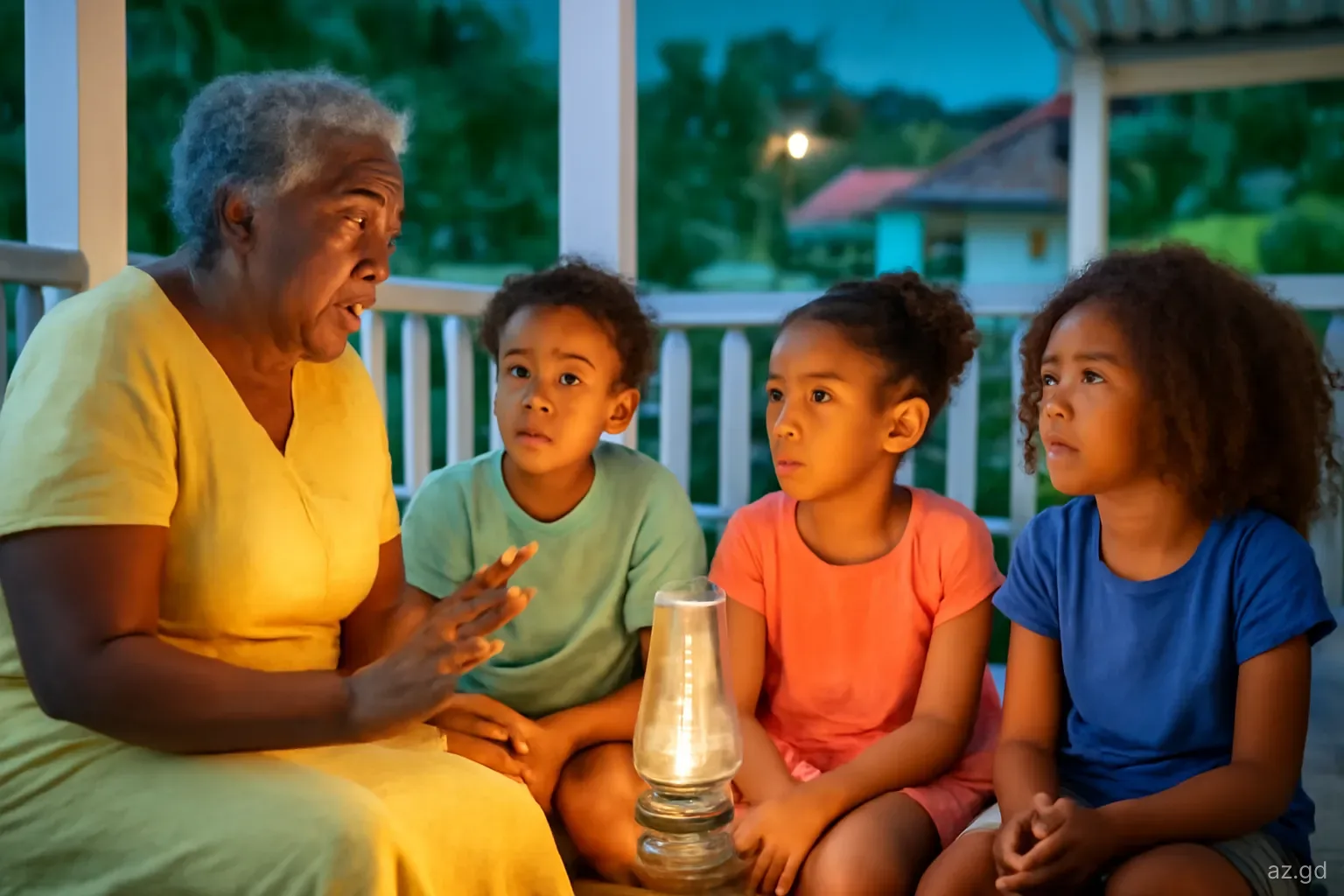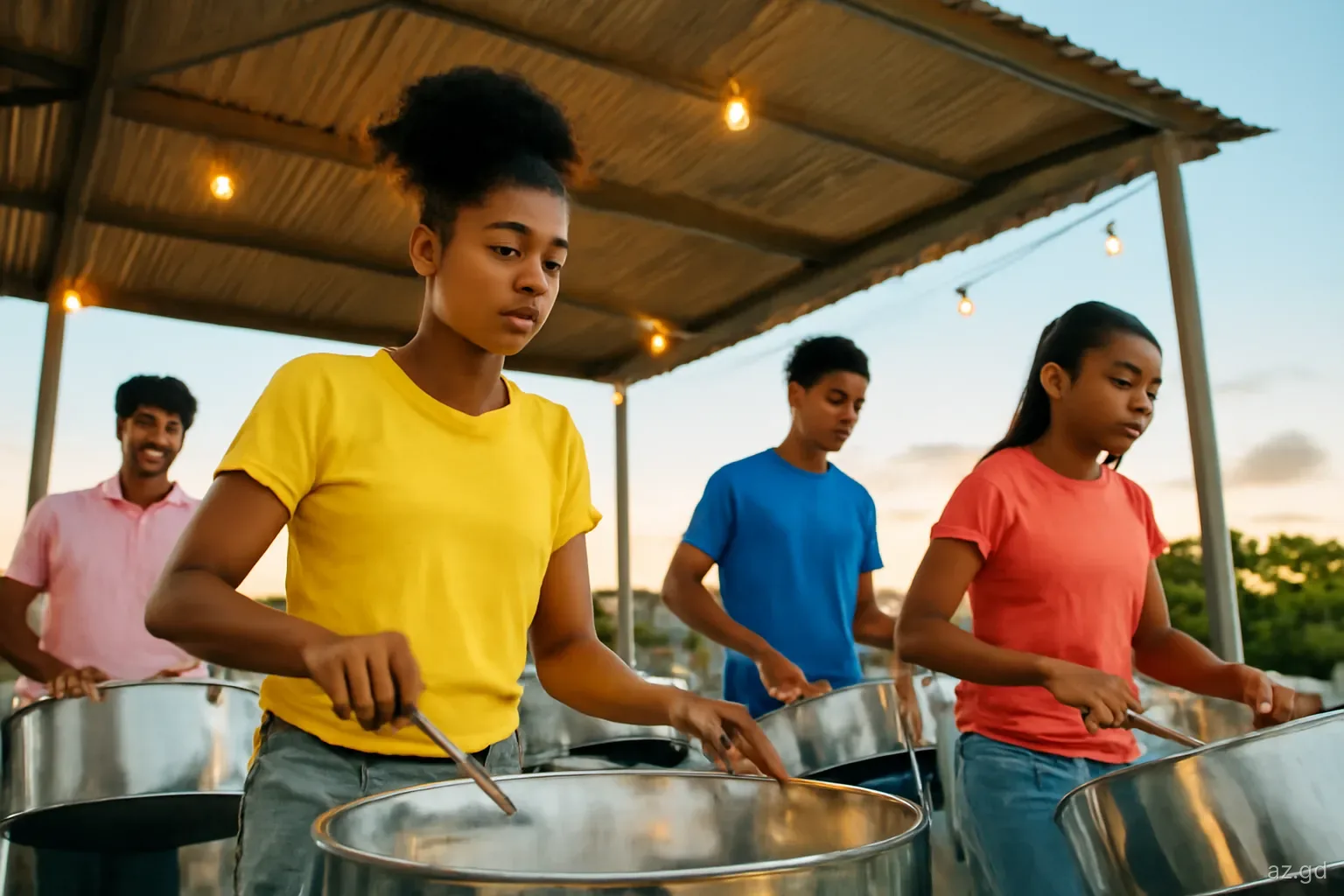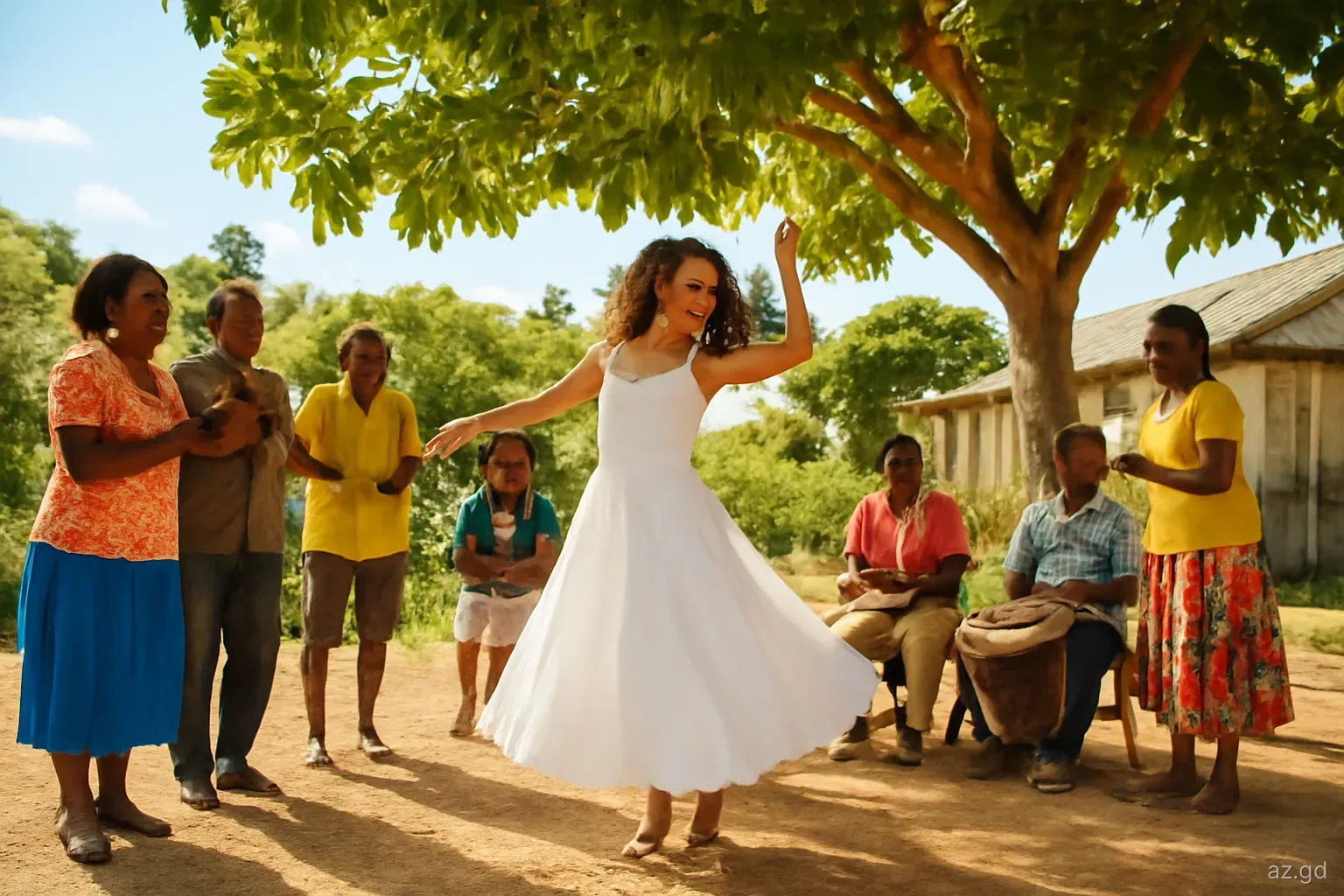
On Carriacou, a family that has built a new house, launched a boat or finished a dead relative's tombstone may hold a ceremony that would be recognisable in some form across West Africa. Food is cooked for the ancestors, rum and water are poured on the ground, and drummers on rum-keg drums play songs named after African peoples: Cromanti, Igbo, Manding, Temne, Chamba, Kongo. Dancers in long skirts move inside a ring of family and neighbours.
This is Big Drum, also called the Nation Dance, the best-known part of a cluster of traditions that make Carriacou one of the most important places in the Caribbean for understanding African survival through slavery. This guide explains what each tradition is, when you might see it, and how to behave as a guest.
Why African traditions survived so strongly on Carriacou
Carriacou is small, about 34 square kilometres, and was a plantation island of cotton, sugar and limes worked by enslaved Africans. After emancipation and the collapse of the estates, most owners left. Land passed into the hands of formerly enslaved families, and the island was relatively isolated from the churches, schools and officials who discouraged African practices elsewhere.
Families kept track of which African nation their ancestors belonged to, and that identity was renewed every time the old songs were sung. Scholars who recorded Carriacou's traditions in the twentieth century were struck by how specific this memory was: people could name their nation and sing its songs generations after the last Africans had arrived. Carriacou also absorbed influences from its French period, its Scottish planters and boatbuilders, and the constant traffic of sailors between Grenada, the Grenadines and Trinidad, which is why its culture mixes African, French Creole and British elements so freely.
Big Drum: the Nation Dance explained
The instruments. Usually three drums: two boula drums that keep the rhythm and a cutter drum, the lead, which plays the decorative patterns and answers the dancers. Drums are traditionally made from rum casks with goatskin heads. Shakers and the singing of the women complete the sound.
The chantwell. A lead singer, very often an older woman, calls the songs and the chorus answers. There is no priest; the chantwell and the elders guide the order of events.
The order of songs. Nation songs come first, each honouring an African people and inviting the ancestors of that nation. Creole songs follow, including belé and hallecord dances, and the evening ends with lighter pieces, sometimes called pique or frivolous songs, open to anyone in the ring.
Wetting the ground. Before the drumming, libations of rum and water are poured to invite the ancestors. Visitors sometimes mistake this for a party opener; it is the most serious moment of the ceremony.
The dancers. Women dance barefoot in wide skirts, often holding the hem; men dance in some pieces. Movements differ by nation, and good dancers are recognised and respected.
The occasions: Saraka, stone feasts and Maroon
Saraka. A feast offering to ancestors, from a word found across Muslim West Africa. Plates of food are set aside for the dead, often unsalted, and later shared with children and the community. Saraka may be held before a journey, after a death, for a new house or to deal with misfortune revealed in a dream.
Tombstone feast. Often called a stone feast. Some time after a burial, sometimes years later, the family erects a permanent headstone, and the unveiling is marked with a Saraka, Big Drum and a night of food and music. On Carriacou this can be bigger than the funeral itself.
Boat launching. When a new wooden vessel is launched at Windward or elsewhere, a ceremony with offerings and drumming blesses the boat and its crew before it slides into the water.
Maroon. Community thanksgiving feasts held in villages in the dry season, traditionally to pray for rain and a good harvest. The Carriacou Maroon and String Band Music Festival, usually held in the spring, brings these customs onto a public stage alongside string band music.
Carnival, Shakespeare Mas and Christmas Parang
Carriacou's carnival happens in the weeks before Lent, not in August like Spicemas on mainland Grenada. Its most distinctive feature is Shakespeare Mas, held on Carnival Monday and Tuesday. Masqueraders in brightly coloured costumes and padded headgear meet at crossroads and duel by reciting passages from Shakespeare, especially Julius Caesar. A player who forgets a line or stumbles can be struck with a whip on his padded headpiece by his rival. In December 2024 UNESCO inscribed Shakespeare Mas on its Representative List of the Intangible Cultural Heritage of Humanity.
In December, Parang takes over. Groups of singers with guitars, cuatros, violins and shak-shak go from house to house singing Christmas songs with improvised, often teasing, verses about people in the community, and the Carriacou Parang Festival grew out of that custom. Quadrille dancing, brought from Europe and adapted with local fiddle and drum music, survives in Carriacou longer than almost anywhere else in the region, though it is kept alive by a small number of dedicated groups.
Learning more before and after a visit
Carriacou's traditions have been studied for nearly a century, and some of the best recordings of Big Drum were made by folklorists in the mid-twentieth century, including field recordings made by the American folklorist Alan Lomax in the early 1960s, now held in archives abroad. Listening to them before a visit makes a live performance far easier to follow. On the island, the Carriacou Museum in Hillsborough has material on African heritage, though it has had closures and suffered damage from Hurricane Beryl, so confirm whether it is open.
Elders in villages such as L'Esterre, Harvey Vale, Windward and Mount Pleasant are the real keepers of the tradition, and cultural groups organise performances for schools and festivals. The Grenada government's culture department and local cultural organisations sometimes stage Big Drum in St George's as well, especially around Independence and heritage events. If you are writing, filming or researching seriously, approach community groups with time and respect; relationships matter more than permissions on paper. Petite Martinique shares many of the same customs, including boat launching ceremonies, on an even smaller scale.
Remember too that these practices are not museum pieces. Young people on Carriacou drum, dance and debate how to keep traditions relevant, and some ceremonies adapt to modern life, with diaspora relatives flying home from New York, Toronto or London for a stone feast. A tradition that changes is still a living one.
How to attend respectfully
Most Big Drum and Saraka events are private family occasions. If you are invited or a public performance is advertised, these guidelines help:
- Wait to be invited. Do not walk into a ceremony because you hear drumming. Ask a local host, guesthouse owner or someone at the event whether visitors are welcome.
- Keep out of the ring unless someone pulls you in for the later, open songs.
- Ask before filming or photographing, and never use flash during the libation or the nation songs.
- Accept food if offered, but do not help yourself to plates set aside for the ancestors.
- Dress modestly and avoid beachwear; these are family and spiritual occasions.
- Check dates locally. Festival dates shift from year to year, and Hurricane Beryl's damage in July 2024 disrupted community life and venues across Carriacou and Petite Martinique.
Frequently asked questions
What is the Big Drum Nation Dance?
A Carriacou ceremony of drumming, singing and dancing that honours African ancestors. Songs are named for African nations such as Cromanti, Igbo and Temne. It is performed at tombstone feasts, boat launchings, Maroon festivals and family occasions.
Can tourists see Big Drum on Carriacou?
Sometimes. Public performances happen at festivals such as the Maroon and String Band Music Festival and at cultural events. Family ceremonies are private, though visitors are occasionally invited. Ask your guesthouse or local contacts about upcoming events.
What is a Saraka?
A feast offered to the ancestors, with food prepared and some set aside for the dead before being shared. It may be held for a death, a new house, a journey or a dream, and often goes with Big Drum.
What is Shakespeare Mas?
A Carriacou carnival tradition in which masked players compete by reciting Shakespeare, especially Julius Caesar, at crossroads. A mistake can earn a whip on the padded headpiece. UNESCO added it to its intangible heritage list in December 2024.
When is carnival on Carriacou?
Carriacou holds its carnival before Lent, usually in February or early March, unlike mainland Grenada's Spicemas in August. Shakespeare Mas takes place on Carnival Monday and Tuesday. Confirm dates each year with local organisers.
Which African peoples are remembered in Big Drum?
Nation songs name groups including Cromanti (Akan), Igbo, Manding, Temne, Chamba, Kongo, Banda, Arada and Moko. Families traditionally know which nation their ancestors came from, and those songs are sung for them during ceremonies.