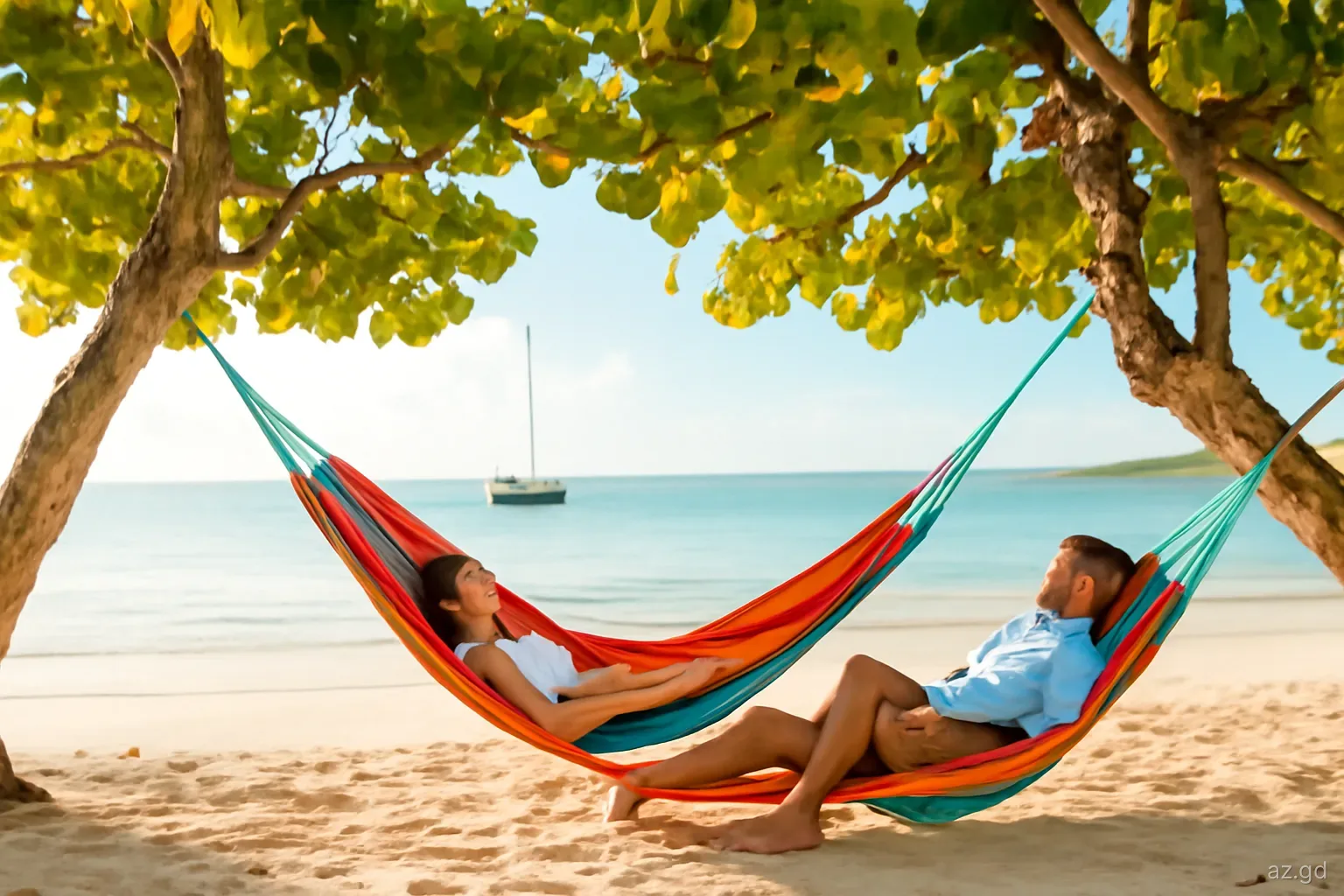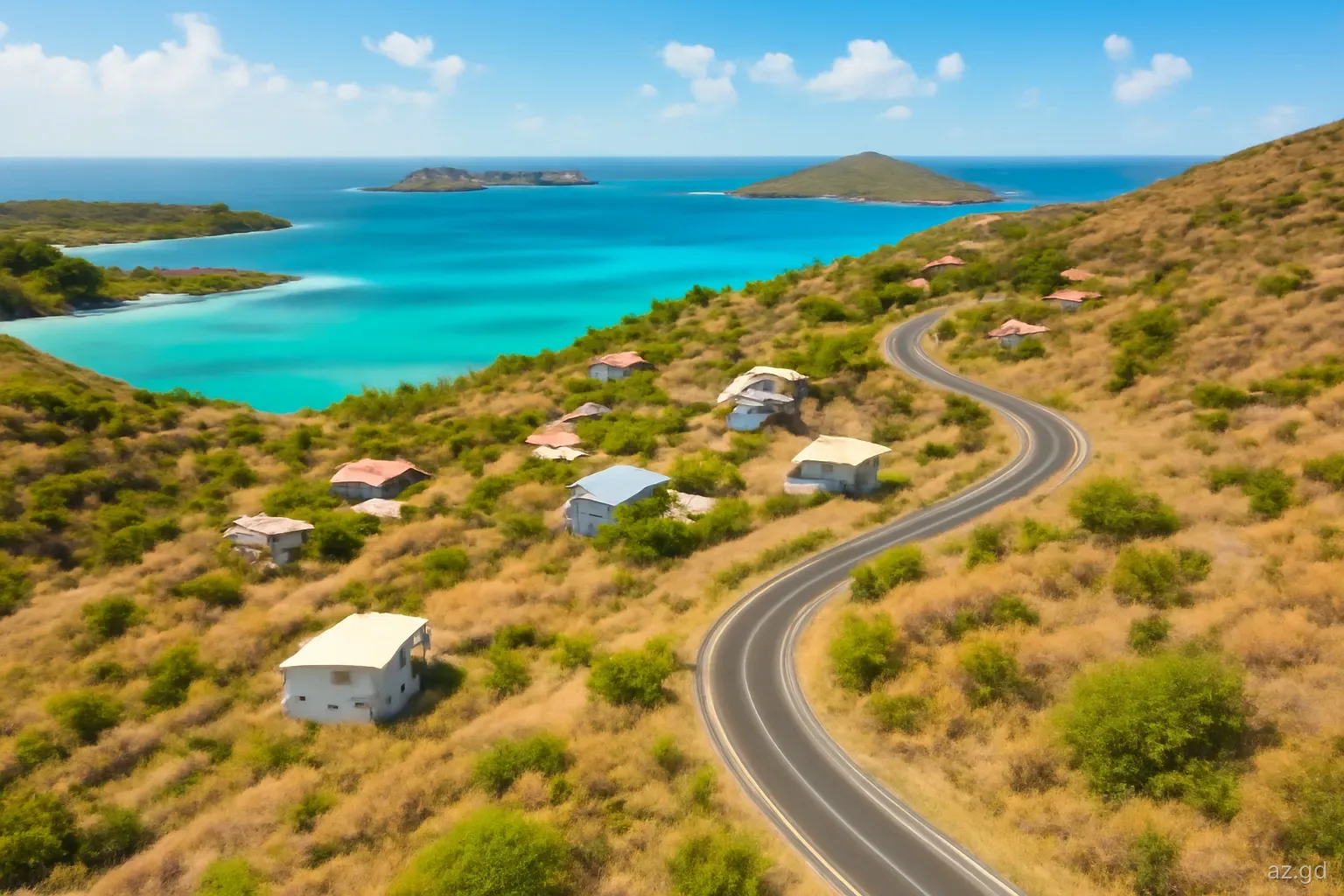
On 1 July 2024 Hurricane Beryl made landfall on Carriacou as a high-end Category 4 storm, the strongest on record to hit the island. Within hours, most homes on Carriacou and Petite Martinique were damaged or destroyed, power and communications were cut, trees were stripped bare, and boats were thrown ashore. It was the worst disaster in the sister islands' modern history.
Recovery has been steady since then, led by residents, the Government of Grenada and international partners. The airport reopened within weeks, ferries returned, and key public buildings have been repaired. But a storm of that strength changes an island for years, and visitors who arrive expecting everything to be exactly as before can be caught out.
This guide summarises what happened, what has been restored according to official reports, and how to plan a trip that is comfortable for you and genuinely helpful to the islands.
What Beryl did to the sister islands
Beryl formed unusually early in the season and strengthened very rapidly before reaching the southern Windward Islands. Its core passed over Carriacou and Petite Martinique, bringing destructive winds, storm surge and heavy rain. Union Island and other parts of the Grenadines in St Vincent and the Grenadines were also badly hit.
Officials estimated that the vast majority of buildings on Carriacou were damaged, and on Petite Martinique up to 95 per cent of homes were destroyed or made uninhabitable. The electricity network and mobile towers went down, desalination plants that supply drinking water were damaged, and the terminal at Lauriston Airport was among the infrastructure severely affected. Princess Royal Hospital was damaged, and its full reopening was delayed until power, water, communications and equipment could be verified.
Natural systems took a heavy blow too. Mangroves, forests and coastal vegetation were stripped, beaches reshaped and some reefs damaged. Fishing boats and yachts in the bays were sunk or driven ashore, affecting livelihoods that depend on the sea.
What has been restored, according to official reports
The pace of recovery has varied by sector. The following milestones have been publicly reported; conditions continue to change, so treat this as a guide and confirm current details before travel.
- Air access. The Grenada Airports Authority confirmed in August 2024 that commercial flights could resume at Lauriston Airport, initially with manual operations. SVG Air has since operated scheduled flights from Grenada.
- Ferries. Osprey Lines and the cargo-passenger boats resumed service in the months after the storm, using Tyrrel Bay as the Carriacou port.
- Health care. The government reported in 2026 that refurbishment of Princess Royal Hospital had been completed, with a new digital x-ray system and, from February 2026, an on-site oxygen generation plant.
- Water. NAWASA, the water authority, began works in 2025 that include new large storage tanks on Carriacou, one of them at Belair, to improve supply resilience.
- Housing. A Build Back Better programme has been rebuilding homes to stronger standards, including on Petite Martinique.
- Power and telecoms. Electricity and mobile services were restored in stages, though outages may still be more frequent than on the mainland.
What this means for visitors now
For most visitors, the practical effects are about availability and reliability rather than safety. Some guesthouses, restaurants and tour operators reopened quickly; others took longer, relocated or did not return. Listings online may be out of date, so contact accommodation directly, ask about water and power arrangements, and confirm that they are taking guests.
You may see construction sites, temporary roofs and areas where vegetation is still recovering. Landscapes that looked lush in older photographs may appear sparser. Equally, many residents are proud of how much has been rebuilt and welcome visitors who come with realistic expectations and an interest in the islands as they are now.
Services such as banking, shopping and transport function, but with less slack than before. ATMs can be offline, some goods may be out of stock, and taxis and buses may be fewer. Building in extra time and carrying cash goes a long way.
It also helps to stay informed. Local radio, community social media groups and your accommodation host are often the quickest sources of news about water schedules, power works, road closures or changes to the ferry timetable. Asking a neighbour is normal and usually gets a friendly, accurate answer.
How to plan a trip that helps rather than hinders
Visitor spending is an important part of recovery, provided it is planned with care. These steps help.
- Book accommodation directly with locally owned guesthouses or hotels where possible, and confirm by message shortly before travel that they are open and have water and power.
- Ask hosts what is in short supply. Small items that are hard to obtain locally can sometimes be welcome, but never bring goods for sale or donation without checking customs rules.
- Eat at local restaurants, buy from local vendors and hire local guides and taxi drivers, so your money stays on the island.
- Use water sparingly. Supply depends on rainwater, storage and desalination, all of which were affected by the storm.
- Be sensitive with photography. Many people lost homes; ask before photographing people or damaged property, and avoid treating recovery sites as attractions.
- Follow official guidance during the hurricane season, from June to November, including advisories issued by Grenada's National Disaster Management Agency.
Hurricane season: preparing if you travel between June and November
Beryl was a reminder that powerful storms can arrive early and intensify quickly. If you visit during hurricane season, monitor forecasts from the US National Hurricane Center and local announcements from the meteorological service and the National Disaster Management Agency. Have a plan for what you would do if a storm threatens, including how you would get back to Grenada or home.
Ferries and flights stop running well before a storm arrives, and they may not resume for days afterwards. If a system is forecast to approach, decide early whether to leave the sister islands; waiting until a warning is issued can mean that seats are already gone.
Travel insurance that covers trip interruption, medical evacuation and natural disasters is strongly recommended. Read the policy carefully, as some insurers stop covering named storms once they have formed.
Booking flexible or refundable accommodation and transport is worth the small extra cost in these months. Many small operators on the sister islands are understanding about storm-related changes, but they cannot always refund deposits they have already spent on preparing for guests.
Accommodation hosts on the sister islands generally know which buildings are strongest and where official shelters are. Ask on arrival, keep a charged phone, torch and some cash, and follow instructions from local authorities if a warning is issued.
Nature, reefs and the protected area
The islands' natural environment is recovering alongside its homes and businesses. Mangroves, which protect coastlines and shelter young fish, were badly damaged in places, and replanting and natural regrowth take years. Reefs around the islands, already under pressure from warming seas, were affected by the force of the waves. Beaches shifted, and some lost sand while others gained it.
The Sandy Island Oyster Bed Marine Protected Area, which covers Sandy Island, the mangroves near Harvey Vale and surrounding waters, remains an important area for conservation. Visitors can help by following its rules: no anchoring on reefs, no collecting coral or shells, no feeding fish, and using reef-safe sunscreen.
Some local groups organise beach clean-ups, mangrove planting or reef monitoring. If you want to take part, ask your accommodation or local dive and tour operators about current initiatives, and follow the guidance of the organisers rather than undertaking projects independently.
Frequently asked questions
When did Hurricane Beryl hit Carriacou?
Hurricane Beryl made landfall on Carriacou on 1 July 2024 as a high-end Category 4 storm, the strongest on record to strike the island. Petite Martinique was also hit directly, with widespread damage to homes, power, water and communications on both islands.
Is it safe to visit Carriacou now?
Carriacou has been receiving visitors again since flights and ferries resumed in the months after Beryl. The main considerations are availability and reliability of services rather than safety, so confirm accommodation, carry cash and allow for occasional outages.
Is the hospital on Carriacou open?
Princess Royal Hospital at Belair serves Carriacou and Petite Martinique. The government reported in 2026 that its post-Beryl refurbishment was complete, with new x-ray and oxygen generation equipment. Serious cases are still transferred to St George's on the main island.
Are hotels on Carriacou open after Beryl?
Many guesthouses and hotels have reopened, but some took longer or did not return. Listings can be outdated, so contact properties directly before booking, and ask about water, power and how they recovered from the storm.
How can visitors support the recovery?
Stay at locally owned accommodation, eat at local restaurants, hire local guides and taxis, and buy from island vendors. Use water carefully, respect people's privacy around damaged homes, and check with hosts before bringing any items as gifts.
Should you avoid travelling during hurricane season?
Not necessarily, but plan carefully. Monitor forecasts, buy insurance covering storms and evacuation, keep flexible travel dates and know your accommodation's plan. August to October is the most active period, and early-season storms like Beryl are also possible.