Carriacou is known across the Caribbean for keeping older traditions alive. The best known is the Big Drum, or Nation Dance, a ceremony that honours African ancestors through drumming, song and dance. Alongside it are saraka offering feasts, tombstone feasts, boat launchings, a masquerade in which players duel with lines from Shakespeare, and a sailing regatta that has run since the 1960s.
These are not shows staged for visitors. They are part of family and community life, tied to death and remembrance, faith, the sea and the seasons. That is exactly what makes them remarkable, and it is also why visitors should approach them with respect and some understanding of what is going on.
This explainer describes the main traditions, when they usually happen and how to experience them appropriately. Dates for festivals vary from year to year, so check with local organisers or the Grenada Tourism Authority before planning a visit around them.
The Big Drum Nation Dance
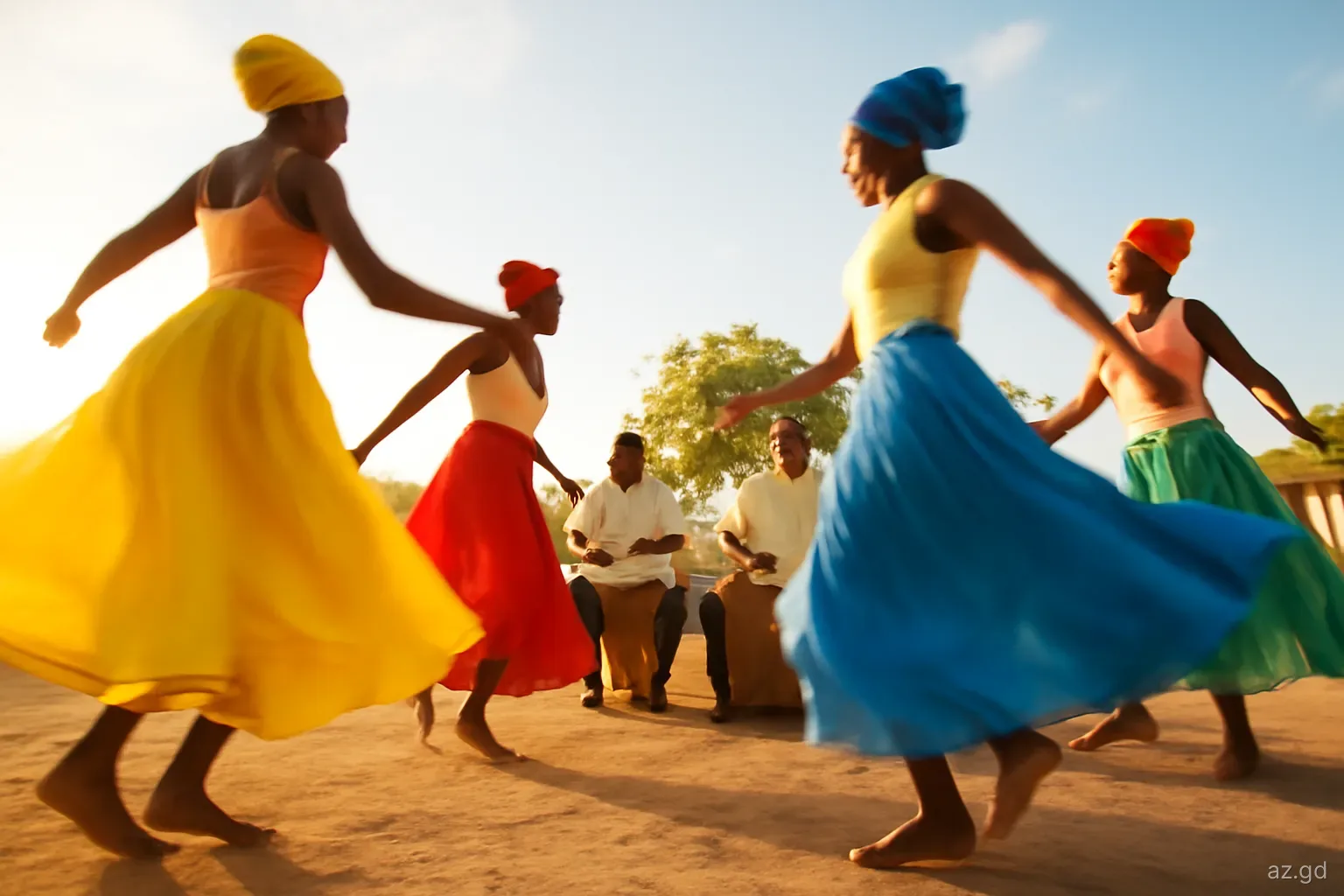
The Big Drum is the most celebrated tradition on Carriacou. It is a sequence of songs and dances associated with the different African nations from which enslaved ancestors were taken, with names such as Cromanti, Igbo, Manding, Kongo and Chamba among those remembered. Through the dances, families acknowledge their lineage and pay respect to the ancestors, who are believed to be present and to expect such recognition.
The music is played on drums traditionally made from rum kegs covered with goatskin. A lead drummer on the central drum improvises and responds to the dancers, while supporting drummers keep the rhythm, and a lead singer calls songs answered by a chorus, mostly women. Dancers, often in long skirts and head ties, move in a ring, with individual dancers stepping forward to dance with the drummers.
Big Drum is performed at important family and community occasions, including tombstone feasts, boat launchings, weddings and saraka, and at times of illness or misfortune. It also appears at village festivals known as maroons and at cultural events. The tradition has been recorded by researchers since at least the 1950s and is considered one of the most important surviving African-derived ceremonies in the Caribbean.
Saraka, maroons and tombstone feasts
Saraka. An offering feast, often held to honour ancestors, give thanks or ask for protection. Food is prepared in large quantities, a portion is set aside for the ancestors, and the rest is shared with family, neighbours and anyone who comes. Prayers, songs and Big Drum may accompany it.
Maroons. Community gatherings, traditionally linked to the agricultural year and to prayers for rain in the dry season. Families cook together, often outdoors, and share food, music and dance. The name is now also used for the Carriacou Maroon and String Band Music Festival.
Tombstone feasts. Held some time after a death, often a year or more later, when the family erects a permanent headstone. It is a major occasion, with a church service, the unveiling of the stone, feasting and Big Drum dancing that can go late into the night.
Wakes and nine nights. Gatherings after a death bring the community together with hymns, stories and food, part of a wider Caribbean tradition of mourning and remembrance.
Role of the community. These events are open in spirit, and neighbours contribute food, labour and money. Hospitality is central, and guests are expected to eat.
Carriacou Carnival and Shakespeare Mas
Carriacou holds its Carnival on the traditional pre-Lenten dates, usually in February or early March, rather than in August like Grenada's Spicemas. It includes calypso and soca, J'ouvert and street parades, but its best-known feature is Shakespeare Mas, a masquerade unique to the island.
In Shakespeare Mas, groups of masqueraders in colourful costumes, often with capes and decorated headpieces, meet at crossroads and in villages to challenge one another by reciting speeches, many from Julius Caesar. If a player falters or misquotes, an opponent may strike them with a stick or whip, and the contest is judged by the crowd. The performances mix scholarship, theatre, rivalry and comedy, and players take great pride in their delivery.
The tradition reflects the strong place of recitation and memorisation in island schooling and culture, where learning long passages by heart was once a central part of education. Older players are often remembered for particular speeches, and younger masqueraders are coached by them. Spectators should stand back from the performers, as the contests can be physical, and follow local advice about where to watch safely.
Boats, launchings and the Regatta
Carriacou's boatbuilding tradition, centred on Windward and shared with Petite Martinique, produced sloops and schooners that carried goods across the region. Launching a new boat is a community event: the hull is blessed, sometimes with prayers, food offerings and Big Drum, before being hauled into the sea with the help of many hands.
The Carriacou Regatta began in 1965 and has grown into a festival held around the start of August. Locally built sloops race in the bays, alongside other boat classes, and onshore events include music, food, donkey races, greasy pole competitions and cultural shows. It is one of the busiest periods on the island, and transport and accommodation fill well in advance.
For visitors, the Regatta offers a chance to see traditional craft under sail and to join in a festival with a strong community feel. Watch the races from vantage points around Hillsborough Bay and Windward, and ask locals about the programme, which varies from year to year.
Parang, quadrille and other traditions
Beyond the major events, smaller traditions mark the calendar and family life.
- Parang. In the weeks before Christmas, bands of singers and string musicians perform parang, with songs and humorous verses. Carriacou holds a parang festival in December.
- String bands. Fiddles, guitars, banjos and percussion play for dances and events, a tradition celebrated at the Maroon festival.
- Quadrille. A European-derived formal dance, performed by couples to string band music, which survives on Carriacou at cultural events.
- Canute Caliste. The folk painter from L'Esterre recorded many of these traditions, from regattas to mermaids, in brightly coloured paintings.
- Storytelling and recitation. Proverbs, stories and recitation remain part of island life, especially among older residents, and feed directly into performances such as Shakespeare Mas.
- Church festivals. Anglican, Catholic and other churches mark feast days, harvest festivals and Christmas with services, food and music that draw the whole community.
How to experience the traditions respectfully
Visitors are often welcome at community events, but they are guests at occasions that matter deeply to the families involved.
- Ask before attending private events. Saraka, tombstone feasts and wakes are family occasions. Go if invited, or ask a local host whether it is appropriate.
- Dress modestly. Wear respectful clothing, especially for church services and ceremonies connected with the dead.
- Ask before photographing. Some moments, such as offerings to ancestors, are sacred. Follow the lead of your hosts.
- Accept hospitality. Food is offered generously. Accepting is polite; contributing something, such as drinks, is appreciated.
- Check festival dates. Carnival, the Maroon festival, the Regatta and parang events vary each year. Confirm with organisers before planning travel.
- Stay for the late hours. Big Drum and feasts often build slowly and continue into the night. Arriving early and leaving before the main dancing means missing the heart of the event.
Frequently asked questions
What is the Big Drum dance in Carriacou?
The Big Drum, or Nation Dance, is a ceremony of songs and dances honouring African ancestors, associated with nations such as Cromanti, Igbo and Manding. It is performed at tombstone feasts, boat launchings, weddings, saraka and community festivals, accompanied by drums and call-and-response singing.
What is Shakespeare Mas?
Shakespeare Mas is a Carriacou Carnival masquerade in which costumed players challenge each other by reciting speeches, often from Julius Caesar. A player who forgets or misquotes may be struck by an opponent. It is unique to the island and draws large crowds.
When is the Carriacou Regatta?
The Carriacou Regatta is usually held around the start of August. It began in 1965 and features races between locally built sloops and other boats, plus music, food and onshore competitions. Check the programme each year, as dates and events vary.
What is a tombstone feast?
A tombstone feast is held some time after a death, often a year or more later, when a family erects a permanent headstone. It includes a church service, the unveiling, a large shared meal and often Big Drum dancing, honouring the deceased and the ancestors.
Can tourists attend Big Drum performances?
Yes, Big Drum is performed at public cultural events and festivals such as the Maroon festival, and visitors are welcome. Private family occasions like saraka or tombstone feasts should only be attended by invitation or with a local host's advice.
Why is Carriacou Carnival held at a different time from Grenada's?
Carriacou kept Carnival on the traditional pre-Lenten dates, usually February or early March, when Grenada moved its main Carnival, Spicemas, to August. As a result, the sister islands celebrate separately, with traditions such as Shakespeare Mas.