Every August, Carriacou fills up for its Regatta Festival, a celebration of the island's boats and the people who build and sail them. It began in 1965 as a race for working sloops, the wooden cargo and fishing boats built on the beaches of Windward, and has grown into a multi-day festival of racing, music, food and contests ashore. It is widely described as the longest-running regatta of its kind in the Caribbean.
Unlike yachting regattas elsewhere in the region, the heart of Carriacou's event is local: hand-built workboats crewed by islanders, many of them from families who have built boats for generations. This guide explains what happens over the festival, how to watch the racing, what goes on ashore and how to plan a visit. Dates vary year to year, so confirm the programme with the organisers or the Grenada Tourism Authority.
Why boats matter so much on Carriacou
Carriacou has a long boatbuilding history. On the beaches of Windward on the north-east coast, shipwrights have built wooden sloops and schooners by hand for generations, a tradition commonly linked to Scottish settlers of the 18th and 19th centuries and carried on by local craftsmen. These boats carried cargo between the islands, served fishermen and supported trade across the southern Grenadines, Grenada and beyond.
Launching a new boat is a community event marked by a blessing, music and a feast, often with the Big Drum dance that is central to Carriacou's African heritage. The Regatta grew out of that culture: a chance for builders and crews to test their boats against each other and celebrate the skill that went into them. While modern fibreglass boats and outboard engines have replaced much of the working fleet, the regatta keeps the sailing tradition alive and gives young islanders a reason to learn it.
On the water: what the racing looks like
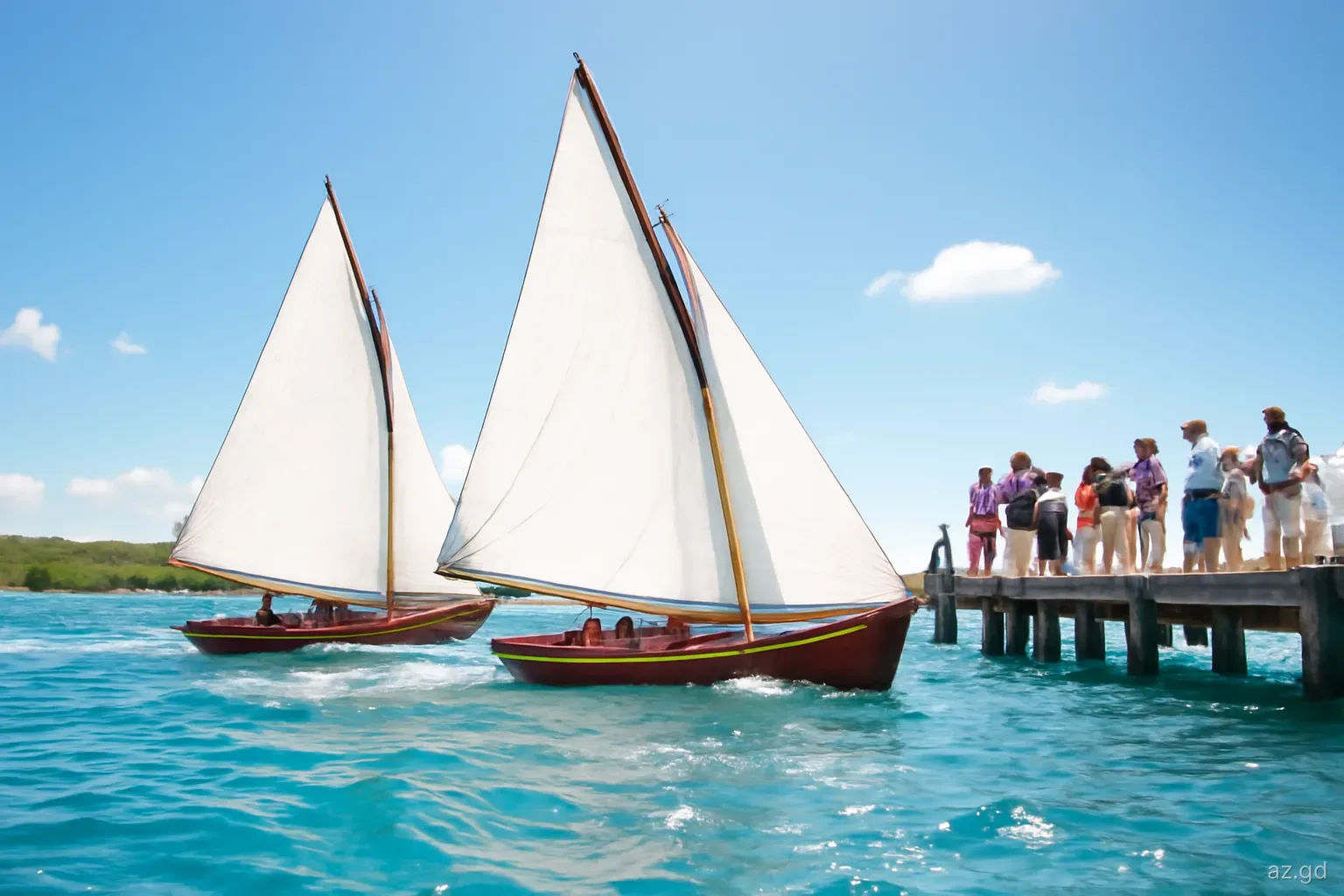
Workboat classes. Boats race in classes by size and type, from larger decked sloops to smaller open boats. Many are gaff- or sprit-rigged traditional designs with patched and much-repaired sails, and the crews work hard, shifting ballast and hiking out in the trade winds.
Courses. Races typically start and finish in Hillsborough Bay, with longer races running along or around the island. The finish near the town beach and jetty is the best free viewing point.
Visiting sailors. Boats from Petite Martinique, the Grenadines islands of St Vincent and the Grenadines and mainland Grenada have often taken part, and the regatta draws visiting yachts that anchor in the bay to watch.
Following the action. Some spectators follow longer races by road or watch from higher ground above the town, while local boat owners sometimes take passengers out to see the racing up close. Agree any trip and price in advance and make sure life jackets are aboard. Spectator boats should stay well clear of racing boats and their courses, following any instructions from race officials and the Coast Guard.
Model boats. Children race model sloops built in miniature, a Carriacou tradition that trains the next generation of sailors and is one of the most charming events of the festival.
Ashore: the festival around the races
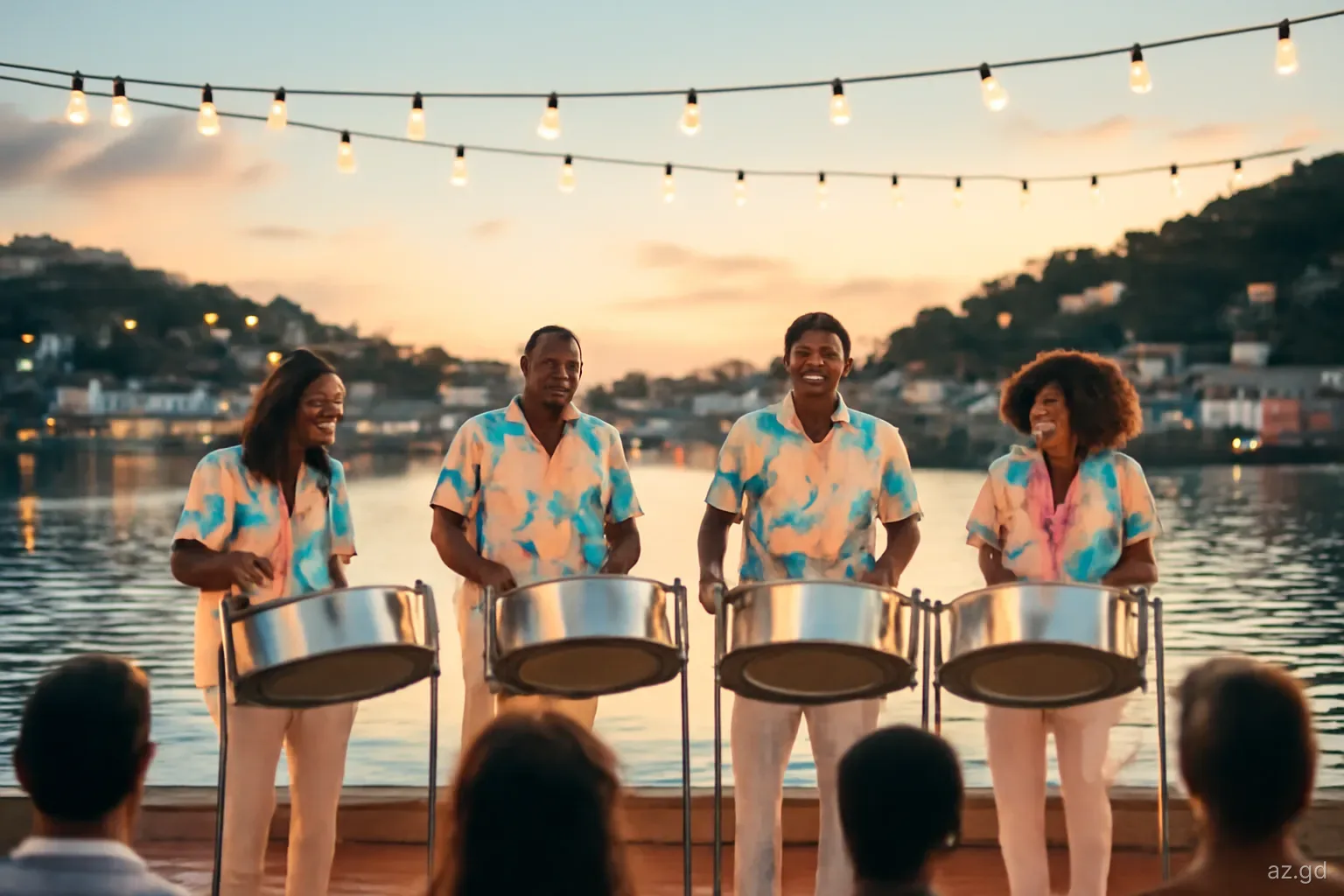
The Regatta is as much about the land as the sea. Over the festival days, Hillsborough hosts a programme of cultural and fun events that has traditionally included donkey races, the greasy pole contest, a beauty pageant, road races, and evening concerts and fetes with soca, calypso and string band music. Big Drum performances and other traditional dances often appear on the programme, giving visitors a chance to see Carriacou culture beyond the boats.
Food stalls line the waterfront, selling grilled fish, chicken, souse, oil down and local drinks, and the town stays busy late into the night. The exact programme varies from year to year and depends on funding, sponsorship and organisers' plans; in the years since Hurricane Beryl damaged much of the island in July 2024, organisers and residents have had recovery to contend with as well. Check the current programme before travelling, and treat any event list from a previous year as a guide only. Small local events, such as a string band at a rum shop or a Big Drum performance in a village, are often announced only by word of mouth during the festival, so ask around once on the island.
When it happens and how it fits with Spicemas
The Carriacou Regatta Festival is traditionally held over several days around the first weekend of August, close to Emancipation Day on 1 August. Recent editions have started in the last days of July or the first days of August. That places it the week before Spicemas reaches its climax on the mainland, on the second Monday and Tuesday of August.
The timing makes it possible to combine both festivals in one trip: a few days on Carriacou for the Regatta, followed by the return ferry to St George's for carnival week. It also means that early August is the busiest period of the year for travel between the islands. Ferries are full, accommodation on Carriacou is booked up well in advance, and mainland hotels fill as carnival approaches. Anyone planning to attend both should book everything at the same time, several months ahead.
On Carriacou, the festival also overlaps with Emancipation Day observances, so the opening days can include cultural events marking the end of slavery. Many Carriacouans living abroad, in Grenada, the wider Caribbean, North America and Britain, time their visits home for the Regatta, which gives it the feel of a homecoming as much as a sporting event.
Planning a Regatta visit
A visit to the Regatta needs more forward planning than most Carriacou trips because the island's small accommodation stock fills fast:
- Confirm the year's dates and programme with the Regatta organisers or the Grenada Tourism Authority.
- Book accommodation on Carriacou early. Hillsborough is the most convenient location, since most shore events take place in and around the town.
- Reserve Osprey ferry tickets from the Carenage in St George's, or seats on small-plane flights to Lauriston Airport, and allow time for delays in busy periods.
- Bring Eastern Caribbean dollar cash; ATMs in Hillsborough can run low during festivals.
- Pack sun protection, a hat and water for long hours watching races in the open.
- If arriving by yacht, follow clearance procedures and anchor considerately in Hillsborough Bay, keeping clear of race courses.
- Respect the island's water supply. Carriacou relies on cisterns and desalination, and demand spikes during the festival.
Petite Martinique and the wider regatta tradition
Carriacou's neighbour Petite Martinique shares the same seafaring culture and stages its own celebrations, including a regatta tradition around Whitsuntide, the Pentecost weekend in late May or June. Boats and sailors from both islands race at each other's events, and the rivalry is friendly but serious.
On the mainland, Grenada's sailing calendar is dominated by events aimed at yachts, such as Grenada Sailing Week in late January, which in recent years has also started with racing around Carriacou. These are very different from the Regatta: modern yachts, international crews and racing rules. For visitors interested in traditional sailing and island culture, the August Regatta on Carriacou remains the event that shows the sister islands at their most distinctive.
Visitors who cannot make August can still see the boatbuilding culture at Windward, where boats are sometimes under construction on the beach, and occasionally at launching ceremonies, which are announced locally and are community celebrations to which respectful visitors are usually welcome.
Frequently asked questions
When is the Carriacou Regatta held?
Traditionally over several days around the first weekend of August, close to Emancipation Day. Recent editions have started in the last days of July or the first days of August. Exact dates and the programme change from year to year, so confirm them with the organisers or the Grenada Tourism Authority before booking.
How old is the Carriacou Regatta?
The Regatta began in 1965 as a race between the island's working sloops. It has grown into a festival with racing, cultural shows and contests ashore, and it is widely described as the longest-running regatta of its kind in the Caribbean.
Where is the best place to watch the Carriacou Regatta?
Races usually start and finish in Hillsborough Bay, so the town beach and the area around the jetty give the best free views. Visitors on yachts anchored in the bay also watch from the water, keeping clear of the courses. Some longer races run along the coast and are harder to follow from land.
Can visitors take part in the Carriacou Regatta?
The workboat races are crewed mainly by local sailors, but visitors with sailing experience sometimes join crews by invitation. Most visitors attend as spectators and join the shore events, food stalls and evening fetes. Visiting yachts are welcome to anchor and watch.
Can you attend both the Carriacou Regatta and Spicemas?
Yes, many people do. The Regatta usually falls around the first weekend of August, before Spicemas reaches its climax on the second Monday and Tuesday. Book accommodation on both islands and ferry tickets well in advance, since early August is the busiest time for travel between Grenada and Carriacou.