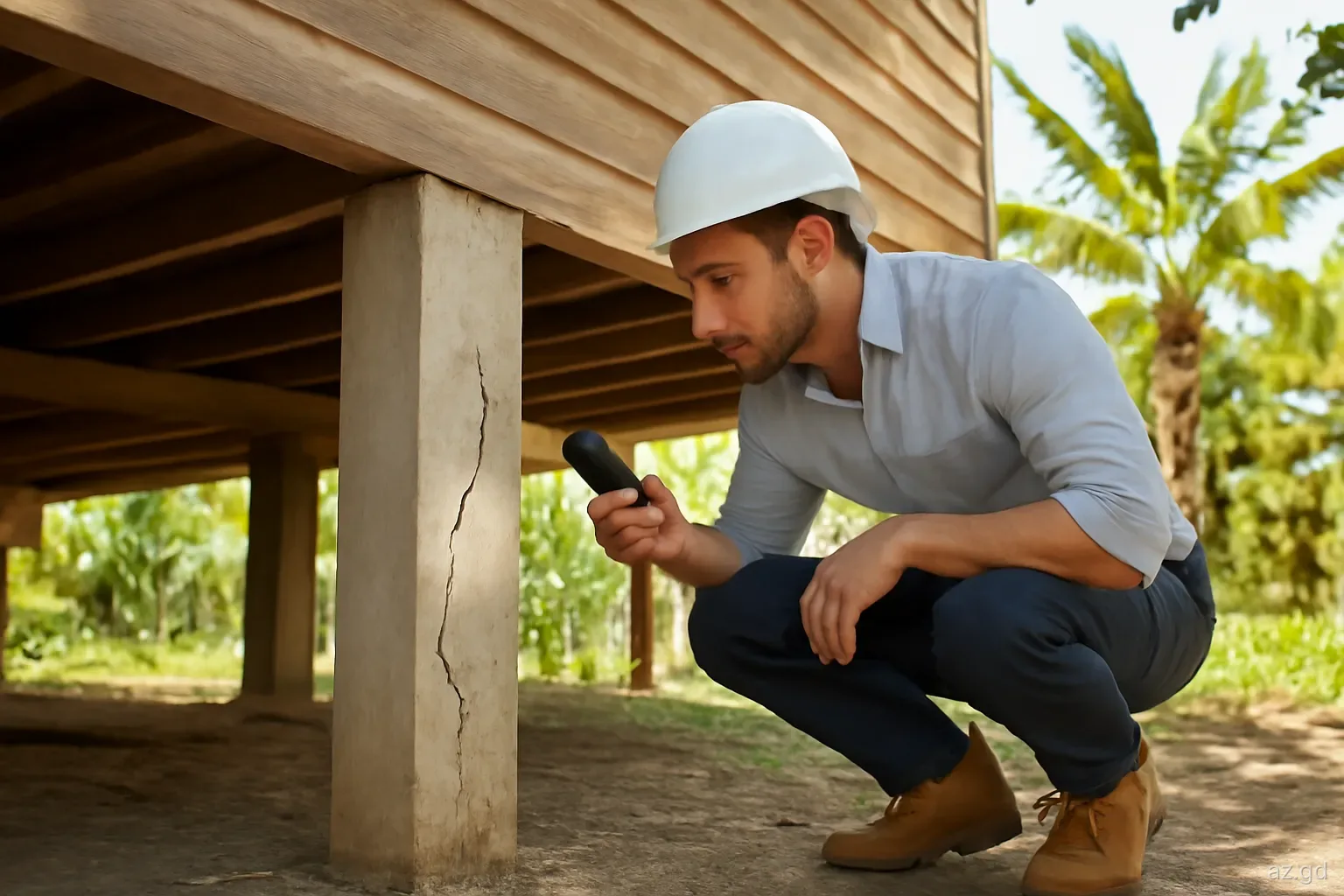
The asking price is the easy number. What catches buyers out in Grenada is everything around it: a 10% licence fee for foreigners, stamp duty, legal fees, surveys, then the yearly costs of property tax, insurance, estate charges and keeping a concrete house in good order in salt air and hurricane season.
This page sets out who pays what at purchase, works through an example for a foreign buyer and a citizen, and covers the running costs and the seller-side taxes you will face when you eventually sell. Rates are those commonly applied at the time of writing; budget measures change them, so confirm the figures with your attorney and the Inland Revenue Division before you commit.
Costs paid by the buyer at purchase
Alien Landholding Licence: 10%. Non-citizens only. Charged on the value of the land and buildings, generally excluding furniture listed separately in the agreement, and paid when the licence is granted. Citizens and investors in approved citizenship by investment projects do not pay it.
Stamp duty: about 1%. Paid by the buyer on the conveyance, and on the mortgage too if you borrow. Your lawyer calculates the exact amount.
Legal fees: roughly 1.5% to 3.5%. Attorneys commonly charge a percentage of the price, guided by the Bar Association scale, plus VAT where it applies. Ask for a written quote that covers the conveyance, the licence application and searches. If you take a mortgage, you also pay the bank's lawyer.
Registration and incidentals: around 0.5%. Registration fees at the Deeds and Land Registry, oath fees, courier costs, certified copies.
Surveys and inspections. A boundary survey by a licensed surveyor and a building inspection by an engineer or experienced builder. Costs depend on the size of the plot and the house; get quotes.
Costs paid by the seller
The seller pays the property transfer tax to the Government of Grenada, and the law does not allow it to be passed to the buyer. Rates run from 5% to 15% depending on the circumstances of the parties, with non-nationals at the top of that range, and the tax applies to the value above a small allowance. Furniture and contents genuinely sold with the house are not real property, which is another reason the agreement should list them.
Estate agents' commission is normally paid by the seller out of the proceeds, at a rate agreed in the listing. Sellers also pay their own attorney for preparing the sale agreement, and must clear any property tax owed up to completion.
As a buyer you are not liable for these, but they matter in two ways. They shape what a seller will accept, because a non-national seller keeping 85% of the price before agent fees has less room to negotiate. And they will apply to you when you sell, which affects how much of any gain you actually keep. Grenada has no capital gains tax, but the transfer tax does much the same work.
A worked example
Take a furnished two-bedroom villa on the south coast agreed at US$400,000, of which US$30,000 is furniture listed in the agreement. Approximate buyer costs for a foreign buyer:
- Alien Landholding Licence: 10% of US$370,000 = US$37,000;
- stamp duty at about 1% of the price: roughly US$4,000;
- legal fees at about 2%: roughly US$8,000, plus VAT where charged;
- registration and incidentals at about 0.5%: roughly US$2,000;
- survey and building inspection: typically US$1,000 to US$3,000 in total;
- total: about US$52,000 to US$54,000, or 13% to 14% on top of the price.
- A Grenadian citizen buying the same villa skips the licence and pays roughly US$15,000 to US$17,000. That gap is why some buyers eligible for citizenship by descent or marriage register first and buy afterwards.
Running costs once you own
Property tax is assessed on market value by the Inland Revenue Division, with separate rates for land and buildings depending on use, ranging from nothing up to about 0.5%. An owner-occupier can claim an exemption on the first EC$100,000 of building value, for one property per taxpayer. For a mid-range villa, the annual bill is usually a few thousand EC dollars, and paying promptly avoids penalties. Demand notices are issued early in the year.
Insurance with windstorm cover is the largest running cost for many owners and has become more expensive since recent hurricanes. Premiums depend on rebuild value, construction, roof type and location. Get quotes before you buy, because some properties, especially older timber houses or homes close to the shoreline, are expensive or difficult to insure.
Estate fees apply in gated or managed developments, covering security, roads, landscaping and shared facilities. Ask for the last few years of charges and any planned special levies.
Maintenance: the line buyers forget
Salt and sun. Paint, metal railings, air-conditioning units and window hardware deteriorate quickly near the sea. Budget for repainting and replacing fittings far more often than in temperate countries.
Roofs and gutters. Check roofs and fixings before every hurricane season, and clear gutters and cistern inlets regularly.
Water systems. Many homes have cisterns, pumps and filters, and septic tanks outside sewered areas. Pumps fail, and septic systems need emptying.
Termites. Timber roofs, doors and cupboards attract termites. Regular treatment is cheaper than replacement.
Gardens and caretaking. Tropical gardens grow fast. If you are away for months, a gardener and a caretaker who checks the house after heavy rain are worth paying for. Electricity from GRENLEC is not cheap by international standards, so solar panels and efficient air-conditioning can pay their way over time.
If you borrow: the extra costs
Most foreign buyers pay cash, but those who borrow from a Grenadian bank or credit union face additional costs. The bank's attorney prepares the mortgage deed and the borrower pays for it. Stamp duty is charged on the mortgage as well as the conveyance, and the mortgage must be registered. Lenders usually require a valuation by an approved valuer, buildings insurance assigned to the bank, and often life cover.
Interest rates and down payments vary by lender and borrower, and non-residents are usually asked for a larger deposit than locals. Ask each lender for a written breakdown of every fee, not just the rate, and compare the total cost over the term.
Borrowing in your home country against other assets can be simpler, but it brings exchange-rate exposure if your income is not in US or EC dollars, and the Grenadian property cannot then be used as security. Whichever route you choose, arrange it before making an offer, so that the timetable in the sale agreement is realistic.
Currency, VAT and furnishing costs
Grenada uses the Eastern Caribbean dollar, pegged at EC$2.70 to US$1, so dollar-based buyers face no exchange-rate risk on local costs. Property prices are often quoted in US dollars, while taxes, utility bills and many contractor quotes are in EC dollars. Keep a clear note of which currency each figure is in.
VAT at 15% applies to many goods and services, including building materials, furniture bought locally and professional fees. Imported furniture and appliances attract customs duty and VAT on arrival, which can make shipping a container less of a saving than it looks. Grenadians returning to live permanently may qualify for concessions on household effects.
Finally, keep a contingency. Older houses almost always need something soon after purchase, whether a new water heater, roof repairs or rewiring. Ten per cent of the price set aside for the first year is not excessive for an older property.
Frequently asked questions
What are closing costs for a foreigner buying in Grenada?
Roughly 13% to 15% of the price: 10% for the Alien Landholding Licence, about 1% stamp duty, around 2% legal fees and about 0.5% in registration and incidental costs, plus surveys and inspections. Citizens pay about 3% to 4%.
Is there capital gains tax on property in Grenada?
No. Grenada does not levy capital gains tax, but the seller pays property transfer tax of between 5% and 15% of the value on a sale, with the higher rates applying to non-nationals. Factor this into any resale plan.
How much is property tax in Grenada?
Property tax is charged on market value at rates of up to about 0.5%, with separate rates for land and buildings. Owner-occupiers can claim an exemption on the first EC$100,000 of building value for one property.
Does the buyer or seller pay stamp duty in Grenada?
The buyer pays stamp duty, usually about 1% of the price, on the conveyance and also on any mortgage. The seller pays the property transfer tax. Your lawyer will confirm the exact amounts at completion.
Is furniture included in the licence fee and transfer tax?
Generally not, if it is genuinely sold with the property and listed with a fair value in the sale agreement. Inflating the furniture value to reduce tax can lead to reassessment and penalties.
Is home insurance expensive in Grenada?
It is a significant cost because policies need windstorm cover, and premiums have risen after recent hurricanes. Rates depend on construction, roof and location. Get quotes before you buy.