Grenada has two seasons that matter for planning: a dry season from roughly January to May and a rainy season from about June to December. Locals often talk about the wet half simply as the rainy season; hotels prefer the gentler name green season. Both are warm. The real differences are price, crowds, sea and trail conditions, which events are on, and how much storm risk you are willing to manage.
This guide sets the two halves of the year side by side by the questions that actually decide a trip. There is no universally better season; a family tied to school holidays, a diver, a honeymoon couple and a remote worker staying three months will each come to a different answer.
Cost and availability
Dry season is peak season. From mid-December to April, room rates at the established resorts around Grand Anse, Morne Rouge and Lance aux Epines are at their highest, and the best-value villas and guesthouses are often booked months ahead. Christmas, New Year and Easter are the tightest weeks. Car hire and flights from North America and the UK follow the same curve.
Rainy season is cheaper, with exceptions. From May or June many properties drop rates and run longer-stay offers. Some small hotels and restaurants close for a few weeks in September or October for maintenance and staff holidays, so check that the places you want will be open. Late July and August are an exception to the low-price rule: Spicemas brings home a large Grenadian diaspora, and flights from New York, Toronto and London fill up.
Flights. Seasonal routes matter. Some direct services from North America and Europe to Maurice Bishop International Airport run more often in the winter peak and are reduced in summer and autumn, so a green-season trip may mean connecting through a regional hub such as Barbados, Trinidad or Miami. Check the schedule before fixing your dates.
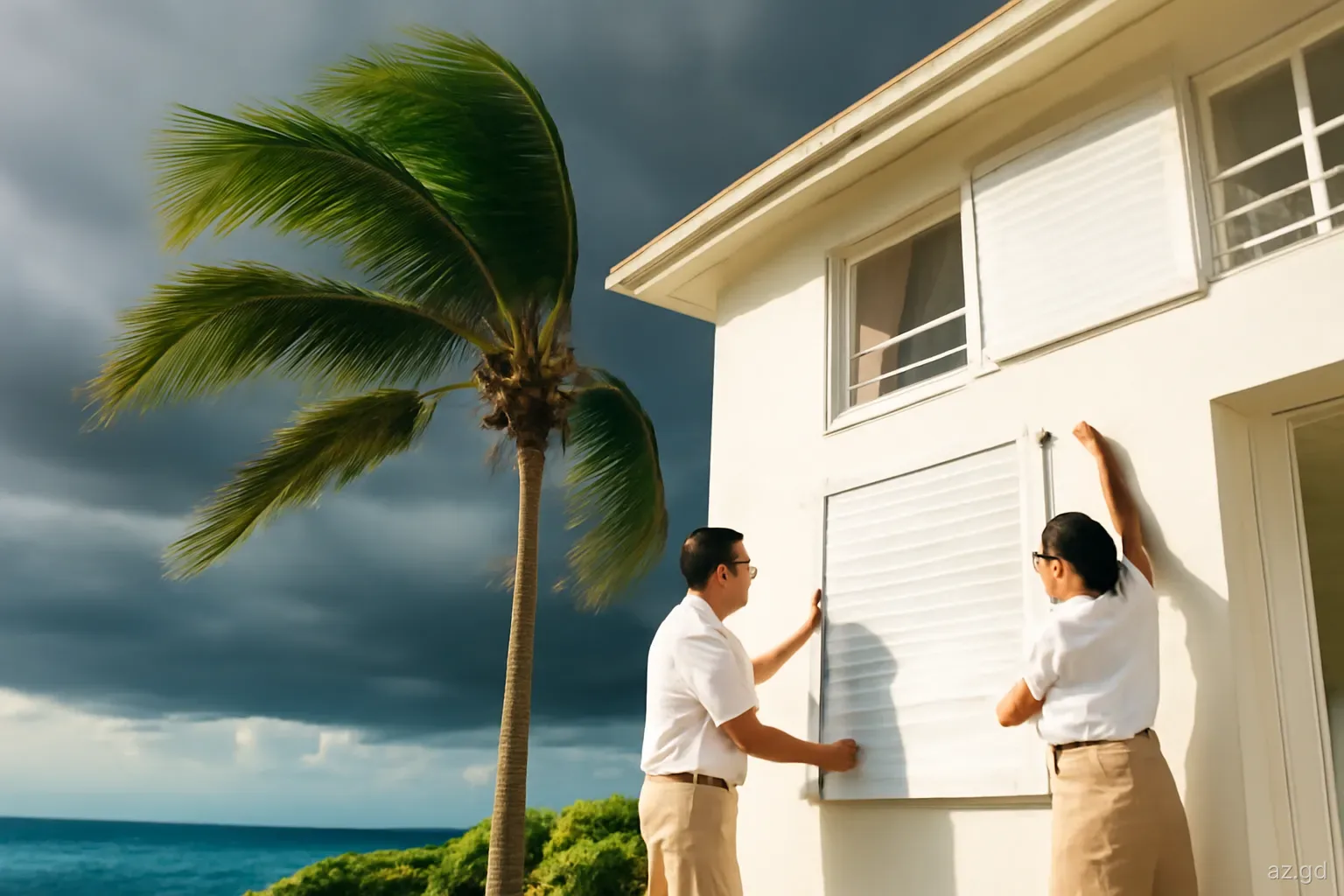
Long stays. Monthly rentals are easier to negotiate from June to November. Owners who let to winter visitors may offer meaningful discounts for a summer or autumn tenancy, though ask about hurricane shutters and what happens if a storm causes damage during your lease.
Beaches, diving and the sea
Dry season. Leeward beaches such as Grand Anse, Morne Rouge, La Sagesse and Carriacou's Paradise Beach are at their most reliable, and underwater visibility on reefs and wrecks is usually good. The flip side is the wind: strong trades in December and January can make the Atlantic coast rough and the ferry to Carriacou bumpy. Winter northerly swells occasionally reach the north coast.
Rainy season. Winds generally ease in summer and many days are glassy calm, which suits snorkelling at Molinere and the underwater sculpture park. Heavy rain can wash river water and sediment into bays and briefly reduce visibility near river mouths. Sea temperature peaks around 29°C. Saharan dust haze and sargassum seaweed are more common in summer, the latter mostly on east-facing Atlantic beaches.
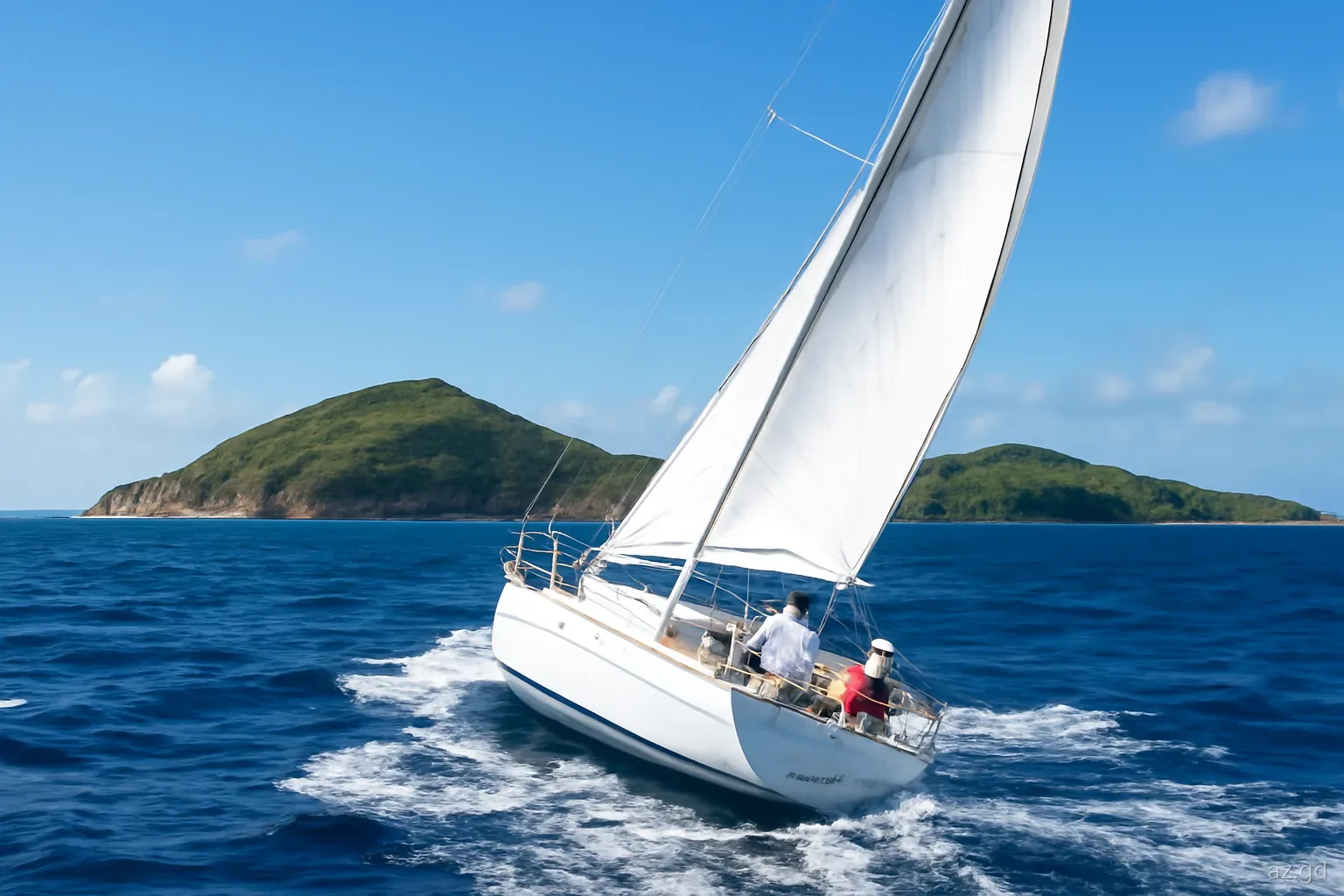
For sailors. Grenada has long been a summer base for yachts because insurers have treated it as lower-risk than islands further north. Beryl in 2024 showed that lower risk is not zero risk, and boat owners should read their policy's named-storm terms carefully.
Hiking, waterfalls and the interior
The trade-off inland is almost the reverse of the beach picture. In the dry season, trails in the Grand Etang Forest Reserve, the climb towards Mount Qua Qua and the routes up Mount St Catherine are firmer underfoot, and river crossings on the way to the Seven Sisters falls are lower and safer. By April and May, however, some waterfalls are a fraction of their winter volume and the bush on lower slopes looks scorched.
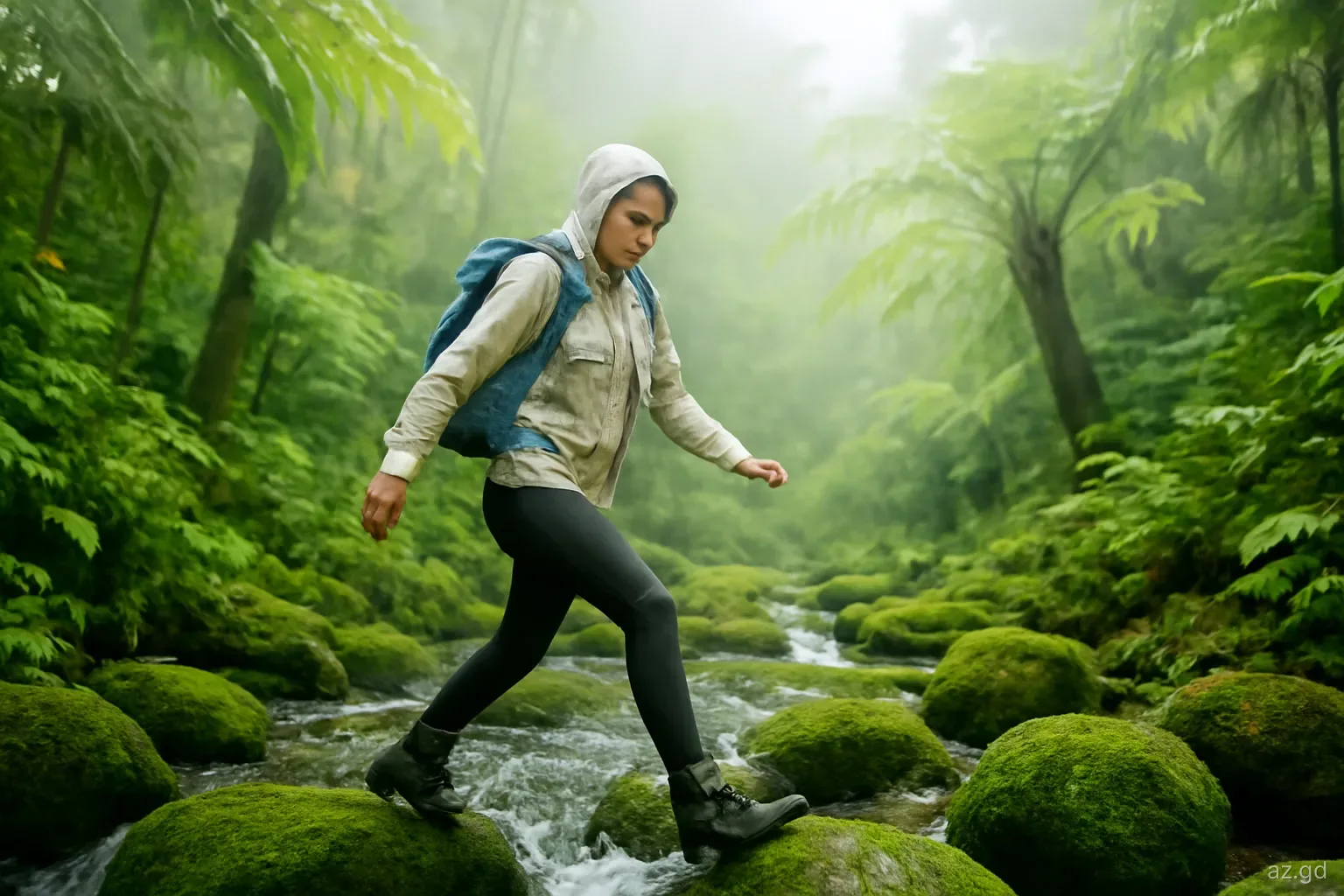
In the rainy season the forest is at its most impressive and the falls at Annandale, Concord and Seven Sisters run hard. Trails become slippery clay and roots, mosquitoes are busier, and rivers can rise quickly after rain upstream even when it is dry where you stand. Hike in the morning, go with a licensed local guide for the longer routes, and turn back if the water at a crossing is above the knee or has turned brown.
Mountain roads are another consideration. Heavy rain can bring rockfalls and landslides on the Grand Etang road and on coastal roads in St Mark and St John, so allow extra time and avoid driving in the hills during intense downpours.
Festivals and what is on
Events are spread across the year rather than clustered in one season, which can tip the balance either way:
- Dry season: Independence Day on 7 February, the Grenada Sailing Week regattas in late January or early February, Easter celebrations, and Carriacou's Maroon and String Band Music Festival in late April.
- Rainy season: Spicemas carnival building through July and peaking in mid-August, Carriacou Regatta in late July or early August, Fisherman's Birthday around 29 June with Gouyave at its centre, and Carriacou's Parang Festival in December.
- Dates move. Many events are fixed only a few months in advance by organisers, so confirm with the Grenada Tourism Authority or the event committee before booking travel around them.
- Effect on prices. Event weekends push up accommodation and car hire demand even in the green season, especially on Carriacou where rooms are limited.
Storm risk: how much it should weigh
The honest position is that a tropical storm or hurricane affecting Grenada in any given week of the season is unlikely, but the consequences when it does happen are serious. The island is south of the main track most storms take, which is why many years pass without a direct hit. Janet in 1955, Ivan in 2004, Emily in 2005 and Beryl in 2024 are the reminders that it can and does happen.
For a one or two-week holiday, storm risk is mostly about disruption: cancelled flights, a day or two sheltering indoors, closed attractions. Good travel insurance bought at the time of booking, flexible fares and accommodation with a clear storm policy cover most of that. For people bringing a boat, renting a house for months or planning a wedding, the risk deserves more weight, and the safest window for those plans is December to May.
Remember too that the effects of a storm last longer than the storm. After Beryl, the main island was declared fully open to visitors within weeks, while Carriacou and Petite Martinique needed many months to rebuild housing, utilities and guest accommodation. If a storm has passed shortly before your trip, ask your accommodation directly about water, power and road access rather than relying on general statements.
If you choose to travel between August and October, build some slack into connections, avoid tight onward bookings, and follow the Grenada Meteorological Service and NaDMA during your stay.
Quick decision guide
Choose the dry season if you want the most reliable beach weather, are travelling for a short break where a lost day matters, are planning an outdoor wedding, or want firm trails for multi-hour hikes.
Choose May, June or early July if you want mostly good weather at lower prices, with the green landscape starting to return and fewer visitors at popular spots like Grand Anse and the sculpture park.
Choose August if carnival is the point of the trip. Spicemas, J'ouvert and the parades are one of the Caribbean's great festivals, but book early and accept heat, crowds and the odd shower.
Choose September to November if price and quiet matter most, you are flexible, you have good insurance, and you enjoy waterfalls and rainforest at full strength. Check which hotels and restaurants are taking their annual break.
Frequently asked questions
Is the rainy season a bad time to visit Grenada?
Not necessarily. Many visitors enjoy it for lower prices, fewer crowds, calm seas and green scenery. Showers are often short. The trade-offs are higher humidity, slippery trails, a small but real storm risk and some businesses closing for a few weeks in autumn, so flexibility is the key requirement.
When are Grenada hotels cheapest?
Rates are usually lowest from May to early July and from September to mid-November, outside the Spicemas period. Some properties offer reduced long-stay deals in these months. Peak prices run from mid-December to April, especially over Christmas, New Year and Easter.
Are waterfalls worth visiting in the dry season?
Yes, though volume falls as the dry season goes on. In January and February most falls are still flowing well; by late April some are much reduced. The bonus of dry-season visits is safer river crossings and firmer paths, particularly on the walk to Seven Sisters.
Should visitors avoid Grenada in hurricane season altogether?
Most travellers do not need to. Direct hits are infrequent at Grenada's latitude, but they happen. Buy insurance when you book, keep plans flexible, and monitor official forecasts. People with boats, long leases or once-in-a-lifetime events may prefer to plan for December to May.
Is Spicemas in the dry or rainy season?
Spicemas falls in the rainy season, with the main parades usually around the second week of August. Showers are possible but rarely stop events. The bigger planning issue is demand: flights and accommodation fill early because of the large number of returning Grenadians.