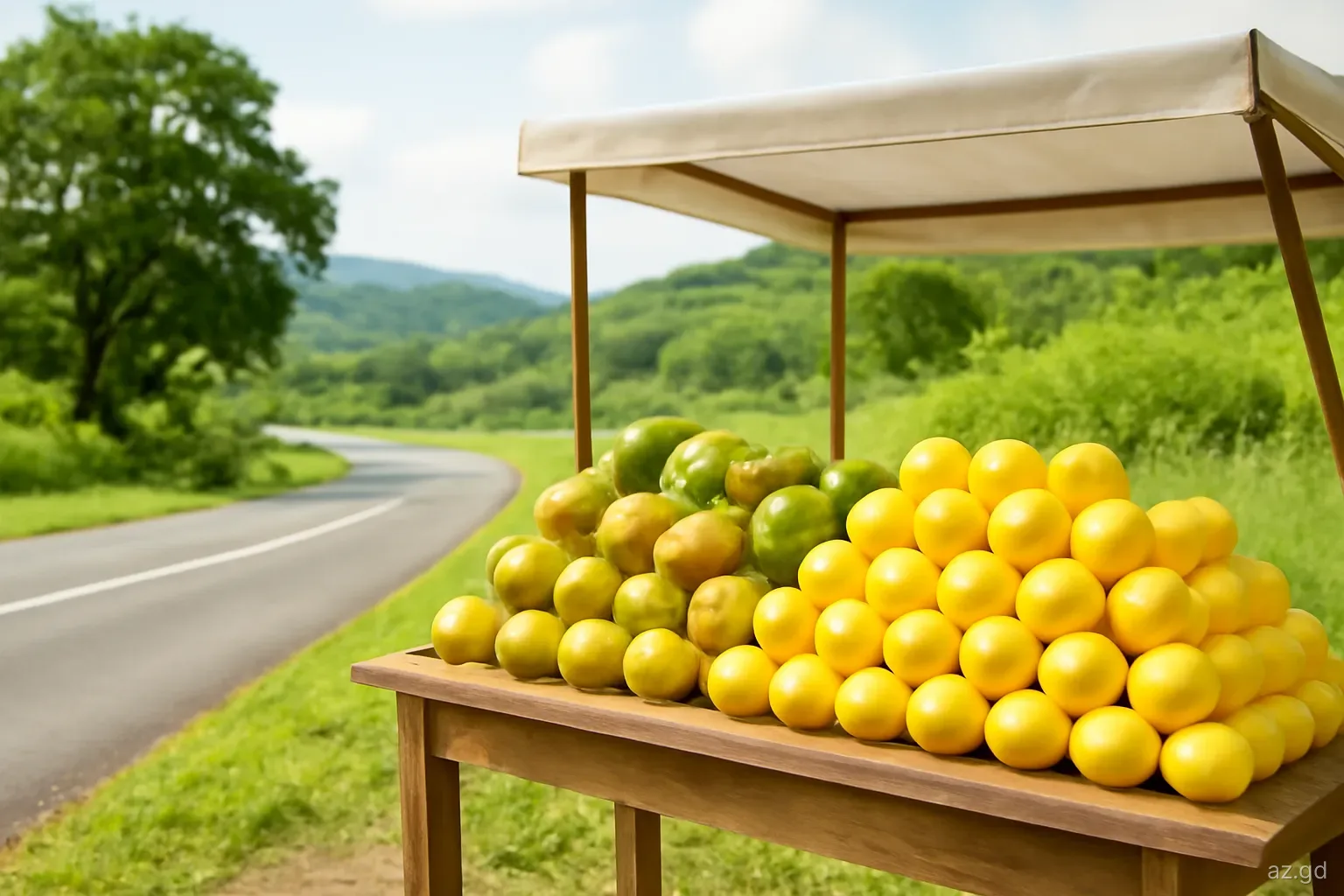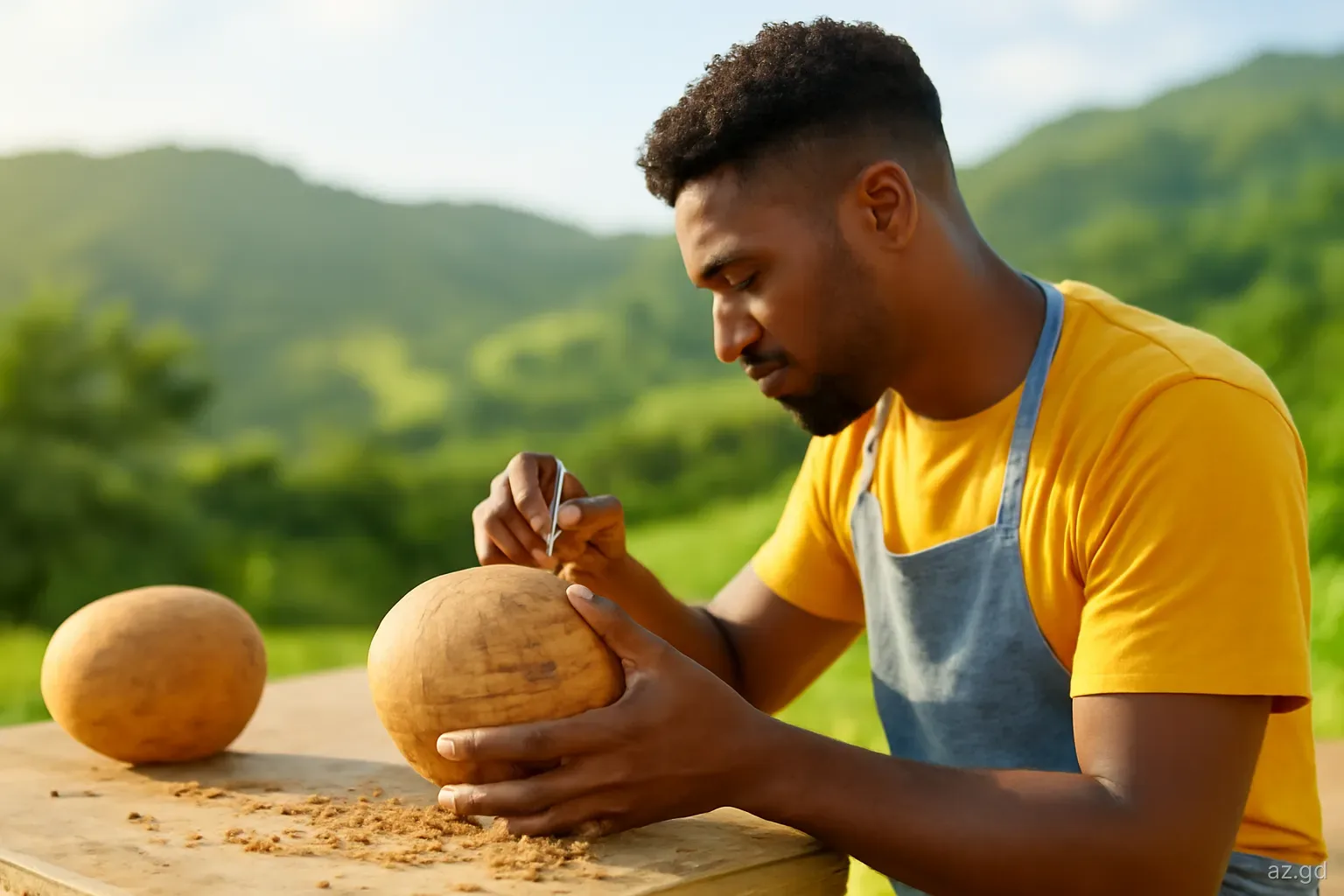
Grenada's craft scene is small and personal. Much of what is sold is made by one person or a family workshop: batik printed and dyed in St George's, calabash shells carved by hand, baskets woven from local fibre, jewellery strung from seeds. The challenge for a buyer is that these pieces sit on the same tables as imported trinkets, and nobody is obliged to point out the difference.
This guide covers the main places makers sell, the crafts that are genuinely Grenadian, how to judge quality and price, and a few items that look local but are best avoided.
Young Street and St George's
Young Street, which climbs from the Carenage up through the old town, has long been the artistic strip of St George's. The Grenada National Museum sits on it, and over the years it has been home to batik studios, gift shops and chocolate and craft outlets. Art Fabrik, a batik workshop that has been producing hand-dyed fabric there for decades, is the best-known name; check current hours before you go, as small shops in town can change their days.
The Carenage itself has gift and duty-free shops aimed at visitors, and the Esplanade Mall by the cruise terminal adds more. These are convenient, but they mix local goods with imported ones. Look at labels and ask directly who made something. Shop staff usually know, and a proud answer naming a person or a village is a good sign.
Market Square also has a few craft stalls among the spice sellers, particularly on cruise days.
The Grand Anse Craft and Spice Market
Opposite the Grand Anse beach area, the Grand Anse Craft and Spice Market is a purpose-built group of booths managed by the Grenada Tourism Authority. It has roughly eighty stalls selling spices, crafts, clothing, jewellery, beachwear and refreshments, and some vendors offer hair braiding. It was built partly to give beach vendors a fixed base, and it is the easiest place for visitors staying on the south coast to browse a wide range at once.
Opening hours are generally daytime, every day, but they vary by vendor and season and are longer when cruise visitors are expected. Quality is mixed: some stalls sell work made by the vendor or their relatives, others resell bought-in stock. Take time to walk the whole market before buying, and expect a friendly but persistent welcome at each booth.
Prices are usually given in EC$ or US$ on request. Light bargaining is acceptable here in a way it is not in shops, especially if you buy several items from one vendor.
Crafts that are genuinely Grenadian
Batik. Wax-resist dyed cotton and rayon made into wraps, sarongs, shirts, dresses, wall hangings and table linen. Real batik has slight irregularities and colour on both sides of the fabric; printed imitations are bright on one side and pale on the other.
Calabash. The dried shell of the calabash fruit, cut and carved into bowls, cups, ladles, maracas and decorative pieces. Hand-carved designs show tool marks and variation; stamped or painted mass-produced versions look identical across a whole table.
Basketry and weaving. Spice baskets, mats and hats woven from local palm and grass. The traditional spice basket lined with leaf is the most common form.
Seed and shell jewellery. Necklaces and bracelets using local seeds, nutmeg shell and coconut. Ask what the seeds are.
Woodwork. Carved pieces and small furniture from local timber, made by individual carpenters and carvers. Larger items are hard to ship and may need treatment certificates for import into some countries.
Paintings and prints. Grenada has an active community of painters, many working in bright, figurative styles that show village life, the sea and Carnival. Galleries and some hotels sell their work.
Finding artists and galleries
Grenadian painters and sculptors sell through a handful of galleries in and around St George's and the south coast, through hotel boutiques, and directly from their own studios. Exhibitions are held from time to time at venues including the National Museum and cultural centres, and art and craft stalls appear at festivals, particularly around Independence in February and Spicemas in August.
Buying directly from an artist is the best way to make sure the money reaches the maker, and it often means you can ask about the work and arrange packing. For a painting, ask for a signed receipt describing the piece and the artist's name; if you plan to bring it into another country, a receipt helps at customs.
Prices for original work vary widely, from modest sums for small prints to considerably more for large canvases by established names. There is no standard price list, so compare and ask.
What fair prices look like, and how to pay
There is no official price list for craft, and prices reflect how long a piece took to make, the materials, and where it is sold. The same type of calabash bowl or batik wrap can cost noticeably more in a hotel boutique than at a market stall, partly because of rent and partly because of the customer base. That does not necessarily mean the boutique is overcharging; it may be selling better work.
Before buying something expensive, look at a few examples and ask the price at two or three places. Ask whether the price is in EC$ or US$, since visitor-facing sellers sometimes quote in US dollars. Market stalls are mostly cash, while studios, galleries and shops often take cards.
For a commissioned piece, such as a painting or a custom batik, agree the price, deposit and completion date clearly, and get it in writing. Pay the balance on collection.
Craft at festivals and seasonal events
Craft sales pick up around Grenada's big cultural moments. In the run-up to Independence Day on 7 February, cultural events and exhibitions often include artisans. During Spicemas, the Carnival season that peaks in August, stalls appear around the shows and parade routes, though the focus is more on food, drink and costume than on craft.
Christmas brings craft fairs and pop-up markets, where local makers sell gifts, preserves, sorrel and black cake alongside jewellery and textiles. On Carriacou, the Regatta Festival around the start of August and Carriacou Carnival earlier in the year draw vendors from across the islands.
Dates and venues vary each year, so check local news and the Grenada Tourism Authority's event listings close to your visit. Buying at these events is a good way to meet makers in person.
Pitfalls when buying craft
A few checks prevent most disappointments:
- Ask who made it. If the answer is vague, the piece may be imported.
- Skip coral, black coral and turtle shell, even when offered as old stock. Hawksbill turtle products are covered by international wildlife trade bans and can be seized at your home border.
- Avoid jewellery with bright red seeds that have a black spot. These are jumbie beads, the seeds of the rosary pea, which are highly toxic if chewed and restricted in some countries.
- Check wooden items for small holes or powder, a sign of insects. Many countries inspect untreated wood and may destroy infested pieces.
- Carry small notes. Craft vendors are mostly cash businesses and may struggle to change large bills.
- Get a receipt for larger purchases. It helps with customs declarations and any later dispute.
Getting larger pieces home
Small items fit in a suitcase, but paintings, wall hangings and carvings need more thought. Many galleries and artists will roll unframed canvases into a tube or pack framed work for travel; ask before buying. Unframed work is easier and cheaper to transport and can be framed at home.
For items too large for your luggage, international couriers and freight forwarders operate in Grenada and can ship parcels abroad, at a cost that can exceed the value of a modest piece. Get a quote first. Ask the seller to provide an invoice describing the item, its materials and value, which the courier and your home customs will need.
Wood, plant fibre and seed products may be inspected on arrival in countries with strict biosecurity, such as Australia and New Zealand. Declare them; most well-made pieces pass inspection.
Frequently asked questions
Where is the best place to buy crafts in Grenada?
For range, the Grand Anse Craft and Spice Market gathers about eighty booths in one place. For batik and higher-quality pieces, Young Street in St George's is the traditional area. Buying directly from artists and makers at festivals and studios ensures the money goes to the person who made the work.
Is bargaining acceptable at craft markets?
Gentle bargaining is accepted at market stalls, especially if you buy several items from the same vendor. It is not appropriate in shops, galleries or when buying from an artist who has set a price. Keep it friendly and stop once a fair price is reached.
How can real batik be recognised?
Hand-made batik shows small irregularities and fine crackle lines where the wax cracked during dyeing. The colour also goes through the fabric, so the reverse is nearly as strong as the front. Machine prints are uniform and noticeably paler on the back.
Who manages the Grand Anse craft market?
The Grand Anse Craft and Spice Market is managed by the Grenada Tourism Authority. Individual vendors rent the booths and run their own businesses, so stock, prices and hours vary from stall to stall within the market.
Can wooden crafts be taken out of Grenada?
Yes, but the rules of your destination apply. Some countries inspect untreated wooden items for insects and may require fumigation or destroy infested pieces. Small, well-finished items rarely cause trouble; for large pieces, ask the seller about treatment and keep the receipt.
Are seed necklaces safe to buy?
Most are, but avoid any with shiny red seeds marked with a black spot. Those are rosary pea seeds, known locally as jumbie beads, which contain a dangerous toxin. They are a particular risk around small children and are restricted in some countries.