Rum gets the attention, but most of what Grenadians drink on an ordinary day is something else: an ice-cold Carib after work, coconut water from a roadside vendor, a glass of fresh soursop or passion fruit juice with lunch, and a mug of cocoa tea at breakfast. These drinks say as much about the island as its distilleries do, and many of them are made from things that grow within sight of where they are sold.
Here is a guide to the beers brewed in Grenada, the juices and soft drinks worth trying, the hot drinks of a Grenadian morning and the seasonal specials, with notes on where to find each and a few things to watch for.
Beer: Carib, Stag and the local brewery
Grenada's main brewery is at Grand Anse, on the Maurice Bishop Highway. It started brewing in December 1961, traded for decades as Grenada Breweries Limited and became Carib Brewery (Grenada) Limited in 2020; it is part of the Trinidad-based ANSA McAL group. Its two everyday lagers are Carib, a light, crisp lager, and Stag, a slightly stronger, fuller lager with a loyal following. The brewery also produces Guinness under licence, a staple in rum shops, along with shandies and malt drinks.
Carib and Stag are sold everywhere: supermarkets, rum shops, beach bars and restaurants. They are cheapest in shops and rum shops and noticeably more expensive at hotels. Shandy Carib, a lower-alcohol mix of beer with ginger, sorrel or lime flavours, is popular in the heat. Imported beers are widely available, but most visitors who settle into island life end up asking for a cold Carib or Stag by name.
Grenada also has a craft brewing scene. The West Indies Beer Company, founded in 2014 in the south of the island, brews a range of ales and ciders and has run a taproom; check its current location and opening hours before going. Craft beer is sold in some bars and restaurants around Grand Anse, Lance aux Epines and True Blue.
Fresh juices worth ordering
Most cookshops, snackettes and restaurants offer at least one fresh local juice, often made that morning. The choice changes with what is in season: mango and golden apple are plentiful at different points in the year, while passion fruit and lime are available most of the time. Ask what was made today rather than reading from a fixed list.
- Passion fruit: tart, fragrant and the most common fresh juice on the island.
- Soursop: thick, creamy and sweet-sour, sometimes blended with milk and nutmeg.
- Golden apple (also called June plum): tangy and refreshing, often with ginger.
- Tamarind: sweet and sharp, made from the pulp of the brown pods.
- Guava, carrot and beetroot: common blends at juice bars and some snackettes, often spiced.
- Lime squash: fresh lime, sugar and water, sometimes with Angostura bitters.
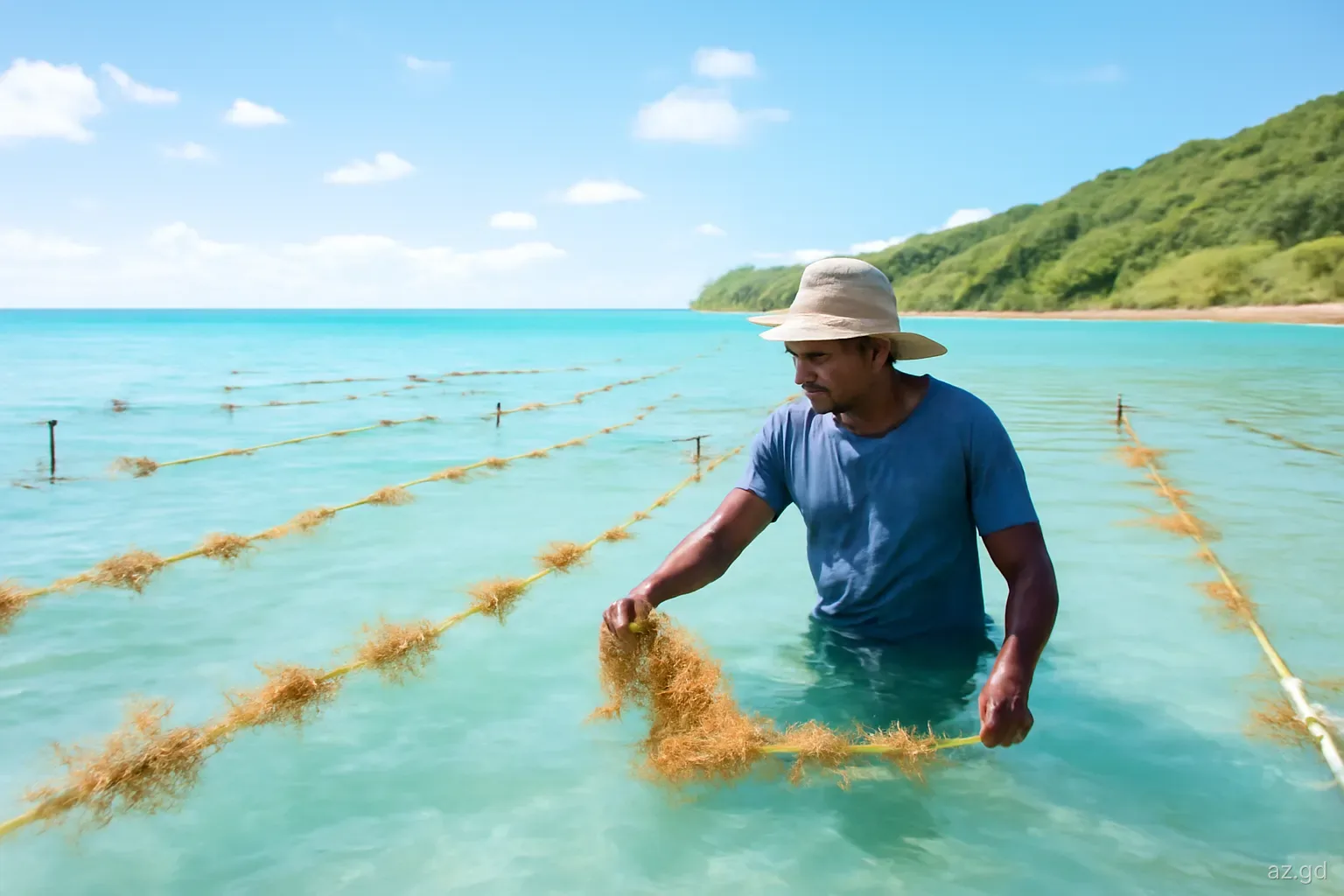
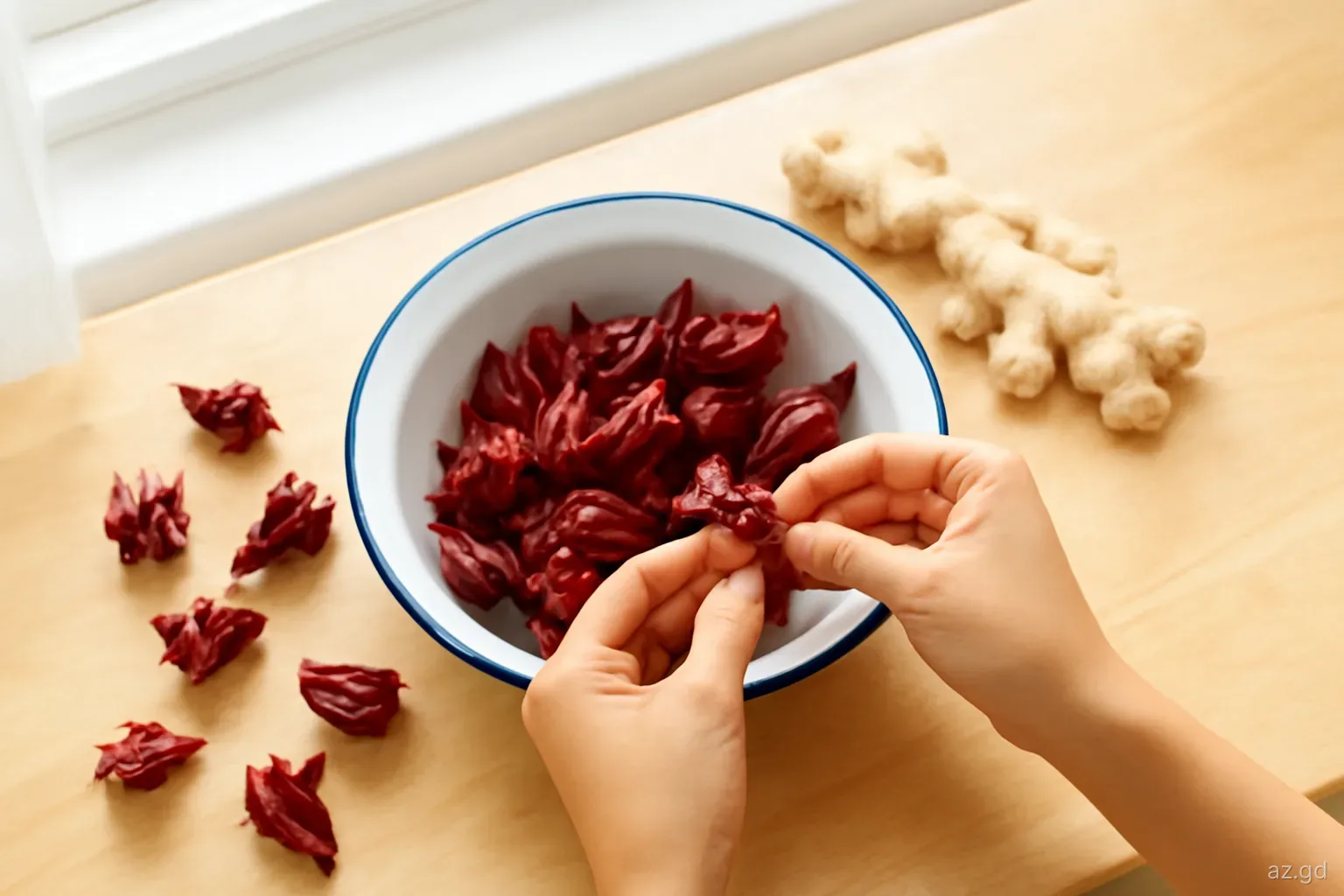
- Sorrel in December and January, and sea moss all year for something more filling.
Coconut water and soft drinks
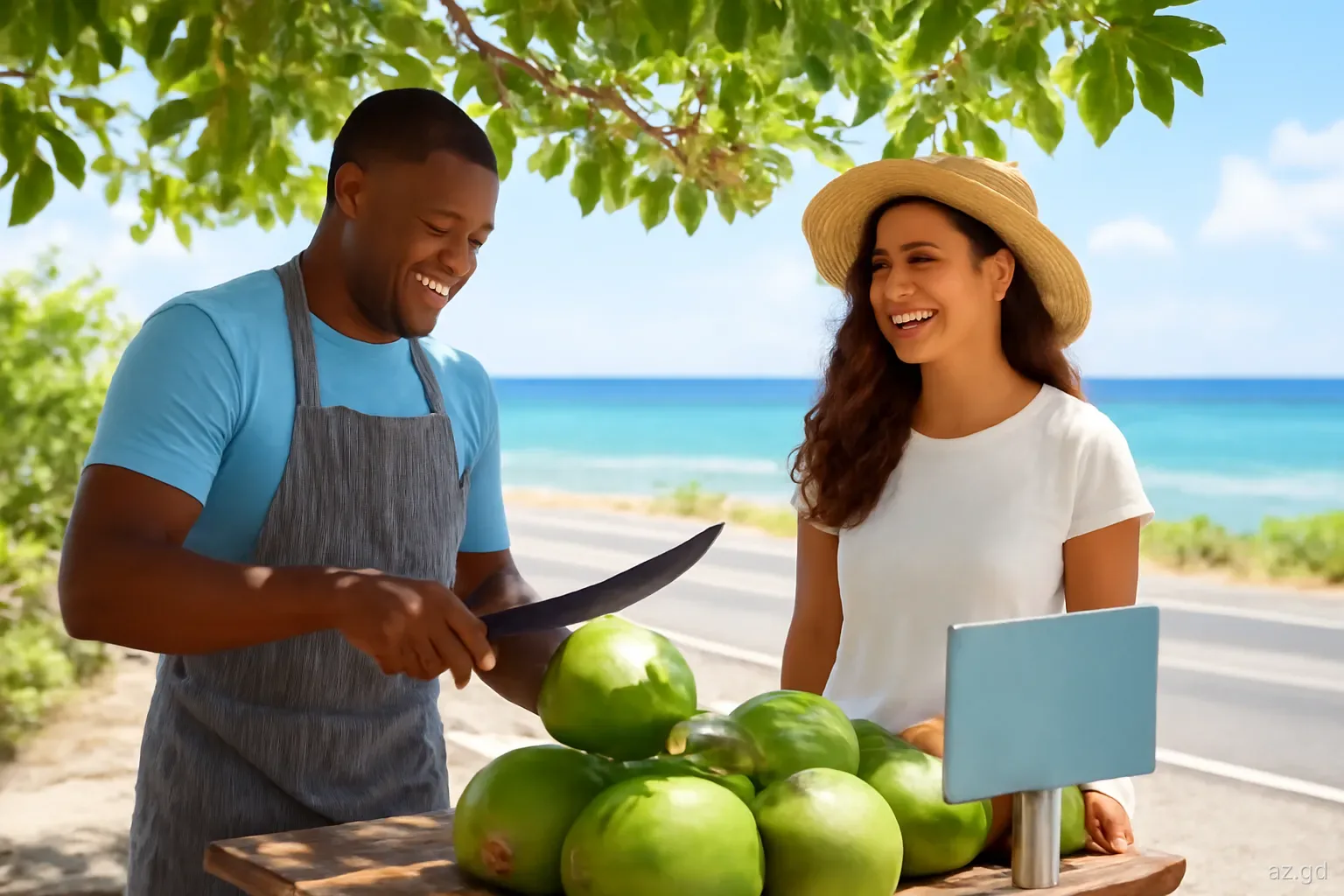
Green coconuts from the roadside. Vendors with a pile of green coconuts and a cutlass are a familiar sight around Grand Anse, St George's and along main roads. They slice the top off, hand it over with a straw, and when you have finished, split the nut so you can scoop out the soft jelly. It is the cheapest and most refreshing drink on the island.
Bottled coconut water. Supermarkets stock chilled local coconut water in bottles. Check it is kept cold and drink it quickly once opened; fresh coconut water ferments fast in the heat.
Sweet drinks. Fizzy soft drinks, called sweet drinks locally, are everywhere, including Caribbean favourites such as grapefruit and kola-flavoured sodas. They are often very sweet, so many people dilute them or alternate with water.
Malt. The dark, sweet, non-alcoholic malt drink is popular with all ages and is a good option in a rum shop if you are not drinking alcohol.
Water. Tap water from the National Water and Sewerage Authority (NAWASA) is treated, and many residents drink it, but after storms or supply interruptions bottled or boiled water is the sensible choice. Bottled water is sold everywhere.
Cocoa tea and the hot drinks of a Grenadian morning
In Grenada, "tea" can mean any hot drink, and the best-loved is cocoa tea. It is made from balls or sticks of locally processed cocoa, which are grated into boiling water or milk and simmered with spices such as nutmeg, cinnamon and bay leaf, then sweetened. The result is richer and less sweet than commercial hot chocolate, with a slight oiliness from the cocoa butter. It is classic breakfast fare, often with bakes or bread, and you will find it at some cookshops, guesthouses and breakfast stalls.
Bush teas are the other morning tradition. Fever grass (lemongrass), soursop leaf, mint, ginger and other garden plants are steeped as herbal teas, sometimes for comfort when someone feels unwell. Coffee is widely available, from instant to good espresso in Grand Anse cafés, and Grenada also grows a little coffee of its own. If you are offered tea in a Grenadian home, ask what kind; it may well be cocoa. Hot drinks are also part of evening routines for older Grenadians, and a cup of cocoa tea or a bush tea before bed is still common in country districts.
Seasonal drinks and things to watch
Christmas brings its own drinks. Alongside sorrel, many households brew ginger beer from fresh ginger, sugar, lime and water, fermented briefly for a fiery, cloudy, mostly non-alcoholic drink. Mauby, made from the bitter bark of a tree, is sweetened and spiced into a drink with a bitter, liquorice-like edge; it is more common in some islands than others, but you will find it bottled in Grenadian supermarkets. Punches made with peanut, sea moss or local fruit, often thickened with milk, appear at fairs and festivals.
A few cautions apply to all of them. Home-made juices and punches are usually sweetened generously, so ask for less sugar if you prefer. Drinks containing milk spoil quickly in the heat; buy them cold and drink them soon. Ice is generally safe in restaurants and hotels, but at a roadside stall after a storm or water interruption you may prefer to skip it. And if you are offered a glass of something home-made at a lime, ask whether it has rum in it before you drink it.
Where drinks cost what
Drink prices in Grenada vary more by where you buy than by what you buy. The same bottle of Carib can cost two or three times as much at a resort bar on Grand Anse as in a village rum shop or supermarket, and a glass of fresh juice at a hotel is priced very differently from one at a cookshop that pours it from a jug in the fridge. Prices are set in Eastern Caribbean dollars, change with costs and season, and should be checked locally, but the pattern is consistent.
Supermarkets are cheapest for beer, soft drinks and bottled juices, especially if you buy in multiples. Rum shops and snackettes are next, and they serve drinks cold. Beach bars and restaurants charge more for the setting and the service, and hotel and resort bars are the most expensive, often with VAT and a service charge added to the bill. If you are self-catering, a cooler bag and a supermarket run will save a good deal over a week.
Frequently asked questions
What is the local beer in Grenada?
The two local beers are Carib and Stag, both lagers brewed at Carib Brewery (Grenada) at Grand Anse. Carib is lighter and crisper; Stag is slightly stronger and fuller. The brewery also makes Guinness under licence and shandies. A craft brewery, the West Indies Beer Company, also brews ales on the island.
What is cocoa tea?
Cocoa tea is a traditional Grenadian breakfast drink made by grating locally processed cocoa balls or sticks into boiling water or milk, simmering with nutmeg, cinnamon and bay leaf, and sweetening. It is richer and less sugary than commercial hot chocolate and is often served with bakes or bread.
Is the tap water safe to drink in Grenada?
Tap water supplied by NAWASA is treated, and many residents drink it. After heavy rain, storms or supply interruptions, quality can be affected, so boil it or use bottled water at those times. Ask your accommodation about the local supply, especially if the building uses a rainwater cistern.
Where can visitors buy fresh coconut water?
Look for roadside vendors with a pile of green coconuts and a cutlass, common around Grand Anse, St George's and along main roads. They open the coconut on the spot and will split it afterwards so you can eat the jelly. Supermarkets also sell chilled bottled coconut water.
What should non-drinkers order in a Grenadian bar?
Fresh juices such as passion fruit, soursop or golden apple, coconut water, malt, ginger beer and lime squash are all widely available. Most bars can also make a non-alcoholic rum punch. Grenadians do not expect everyone to drink alcohol, so ordering one of these attracts no comment.