Sea moss is two things in Grenada: a seaweed that people harvest and increasingly farm in shallow coastal water, and a thick, creamy, spiced drink made from it that you will find in bottles at vendors' coolers, snackettes and supermarket fridges. The drink has been part of Caribbean life for generations, and the global craze for sea moss gel has given Grenadian growers a new market.
This guide explains what the drink is, how it is made, how the seaweed is grown, where to buy it and what to check before you drink a bottle from a cooler on the roadside. It also covers the claims made about sea moss, because some of them deserve a sceptical eye.
What the drink is
A Grenadian sea moss drink is closer to a milkshake than a juice. The dried seaweed is soaked, washed and boiled until it releases its natural gel, which thickens the drink. That gel is blended with milk, evaporated or condensed milk, sugar and spices: nutmeg is almost always there, often with cinnamon and vanilla, sometimes with ground linseed, oats, peanut or a dash of stout. It is served very cold, and the texture is smooth and slightly thick.
Recipes vary from vendor to vendor and household to household. Some make it rich and sweet; others keep it lighter. Versions with Guinness or with a spoon of rum turn up at weekends and celebrations, while dairy-free versions made with plant milks or coconut milk have become common as demand from vegans and health-minded drinkers has grown. Many people drink it as a filling snack or breakfast rather than as a refreshment.
Sea moss is also used in other ways: as a thickener in punches and ice cream, and as a plain gel that people stir into smoothies. That plain gel is what is sold abroad, but in Grenada the drink is still the everyday form.
How sea moss is grown in Grenada
For generations, Grenadians harvested sea moss from the wild, gathering it from rocks and reefs along the coast. Wild stocks are limited and easily over-picked, so in recent years the emphasis has shifted to cultivation. Grenada is regarded as one of the leading Caribbean countries in sea moss propagation. Farmers tie cuttings of the seaweed to lines or nets in sheltered, shallow bays and harvest the growth every few weeks.
The species most often farmed in the region is Kappaphycus alvarezii, which local growers call sea moss, alongside native species. In mid-2024 the Food and Agriculture Organization and Grenada's agriculture and fisheries authorities trained more than forty farmers, technicians and extension officers in shallow and deep-water growing systems and in post-harvest handling. Community plots have been developed in places such as Telescope in St Andrew, and farming has been supported as part of Grenada's blue economy plans.
It is a vulnerable livelihood. Hurricanes can wipe out farms in a night, mats of sargassum seaweed can smother lines, and drying, cleaning and packaging the harvest to export standards takes equipment that small growers often lack. When you buy local sea moss, you support people working against those odds. Look for packaging that names a Grenadian producer, or ask the vendor where the moss came from; locally grown moss keeps the money on the island rather than with importers.
Where to buy sea moss
Sea moss is sold in several forms. These are the places Grenadians themselves buy it.
- Roadside and market vendors with coolers of chilled bottled drink, common around St George's, the Melville Street bus terminal, Grenville and at events.
- Snackettes and juice bars, which often make sea moss to order or keep it bottled alongside fresh juices.
- Supermarkets, which stock bottled sea moss drinks from local producers in the chiller and, sometimes, dried sea moss on the shelf.
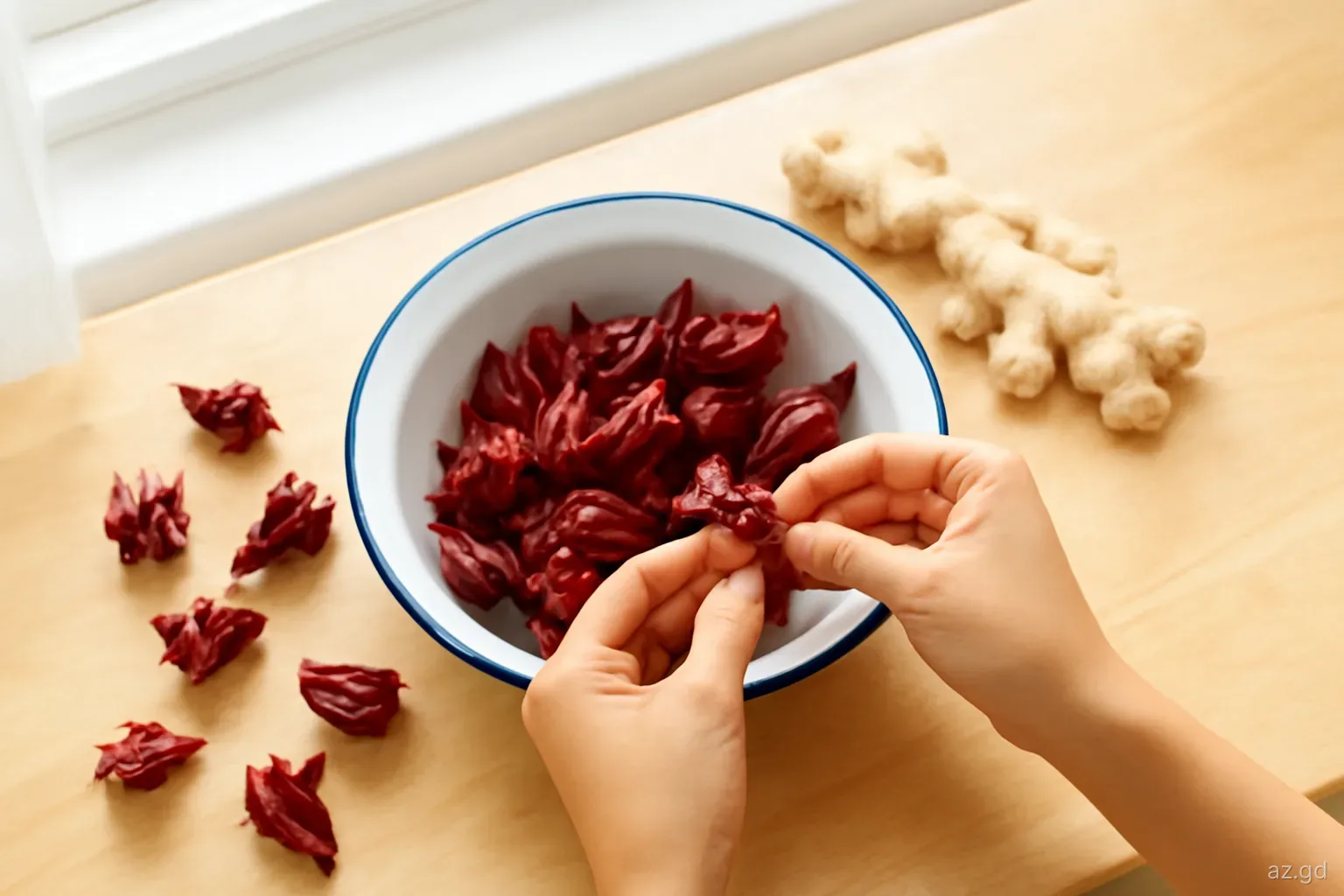
- Markets such as Market Square in St George's, where dried sea moss is sold by weight or in bags for home preparation.
- Local-products and craft shops, which increasingly sell jars of sea moss gel and packaged dried moss aimed at visitors.
- Directly from growers in coastal communities, if you are introduced through a local contact or tour.
Making the drink at home
If you buy dried sea moss in Grenada and want to make the drink yourself, the basic process is straightforward.
- Rinse the dried sea moss several times in fresh water, picking out sand, shell fragments and any discoloured pieces.
- Soak it in clean water for several hours or overnight, until it swells and softens. Some add lime juice to the water to reduce the sea smell.
- Rinse again, then boil in fresh water until it softens and the water turns thick. Strain, or blend the softened moss with a little of the water into a smooth gel.
- Blend the gel with milk or a plant milk, sweetener and spices: grated nutmeg, cinnamon and vanilla are classic. Add linseed or oats if you want it thicker.
- Chill thoroughly and keep the drink refrigerated. Drink it within a few days; the gel on its own keeps a little longer in a sealed jar in the fridge.
What to check, and claims to treat with caution
Is it cold? Sea moss drinks contain milk and are perishable. A bottle from a cooler should feel properly cold. A bottle sitting in the sun is a risk, especially in the middle of the day.
Is the bottle clean and sealed? Reputable vendors use clean, capped bottles, often with a date or batch mark. Avoid drinks in reused containers that look grimy, and do not buy from a vendor who cannot tell you when it was made.
Dairy and allergies. Most versions contain milk and condensed milk; some contain peanut, oats or stout. Ask if you have an allergy, intolerance or avoid alcohol.
Iodine and medication. Seaweeds can be high in iodine. People with thyroid conditions, those who are pregnant and anyone on regular medication should ask a doctor before drinking sea moss often, and should be wary of concentrated supplements.
Folk claims. Sea moss is promoted locally and online as a strength tonic, an aphrodisiac and a cure for many ailments. It does contain minerals and fibre, but the bigger claims are not supported by solid evidence. Enjoy it as food.
Buying dried sea moss: what to look for
Natural colour. Sun-dried sea moss comes in shades of gold, tan, green or purple depending on the species and how it was dried. Very white, uniform moss may have been bleached; ask how it was processed.
A clean sea smell. Good dried moss smells faintly of the ocean. A strong, rotten or chemical smell suggests it was stored badly or treated.
Salt and sand. A light crust of sea salt is normal on ocean-grown moss and rinses off. Heavy sand and grit mean more work in the kitchen and a less careful harvest.
Ocean-grown versus tank-grown. Internationally, some sea moss is grown in pools or tanks with added salts, which buyers abroad tend to avoid. Grenadian moss sold locally is generally grown or gathered in the sea, but it is fair to ask the seller where and how it was grown.
Packaging and dates. Packaged moss from a local producer should show the producer's name and a packing or best-before date. Loose moss from a market is fine, but buy what you will use within a few months and keep it dry and sealed.
Frequently asked questions
What does sea moss drink taste like?
It tastes mainly of what it is blended with: milk, sugar, nutmeg, cinnamon and vanilla, giving a creamy, spiced, lightly sweet flavour. The seaweed itself adds body and a faint ocean note rather than a strong taste. Versions with peanut, linseed or stout taste richer and heavier.
Is sea moss from Grenada farmed or wild?
Both. Wild harvesting from rocky shores is traditional, but cultivation in shallow bays has grown, supported by government and FAO training for farmers in 2024. Much of what is sold now comes from small-scale farms, though products do not always say which, so ask the seller.
Is roadside sea moss safe to drink?
Usually, if it is properly cold, in a clean sealed bottle and from a busy vendor with a steady turnover. It contains dairy and spoils quickly in heat, so avoid bottles that are warm, unlabelled or sitting in the sun, and drink it soon after buying.
Can you take sea moss home from Grenada?
Dried, commercially packaged sea moss is often allowed, but each country sets its own rules on food and marine products, so check and declare it. Bottled sea moss drink is perishable and contains dairy, which makes it unsuitable for travel. Gel is a liquid for hand luggage purposes.
Is sea moss vegan?
The seaweed is, but the traditional Grenadian drink is made with dairy milk and often condensed milk. Some vendors and producers now make dairy-free versions with coconut, oat or soy milk. Ask before buying, and check labels on supermarket bottles.