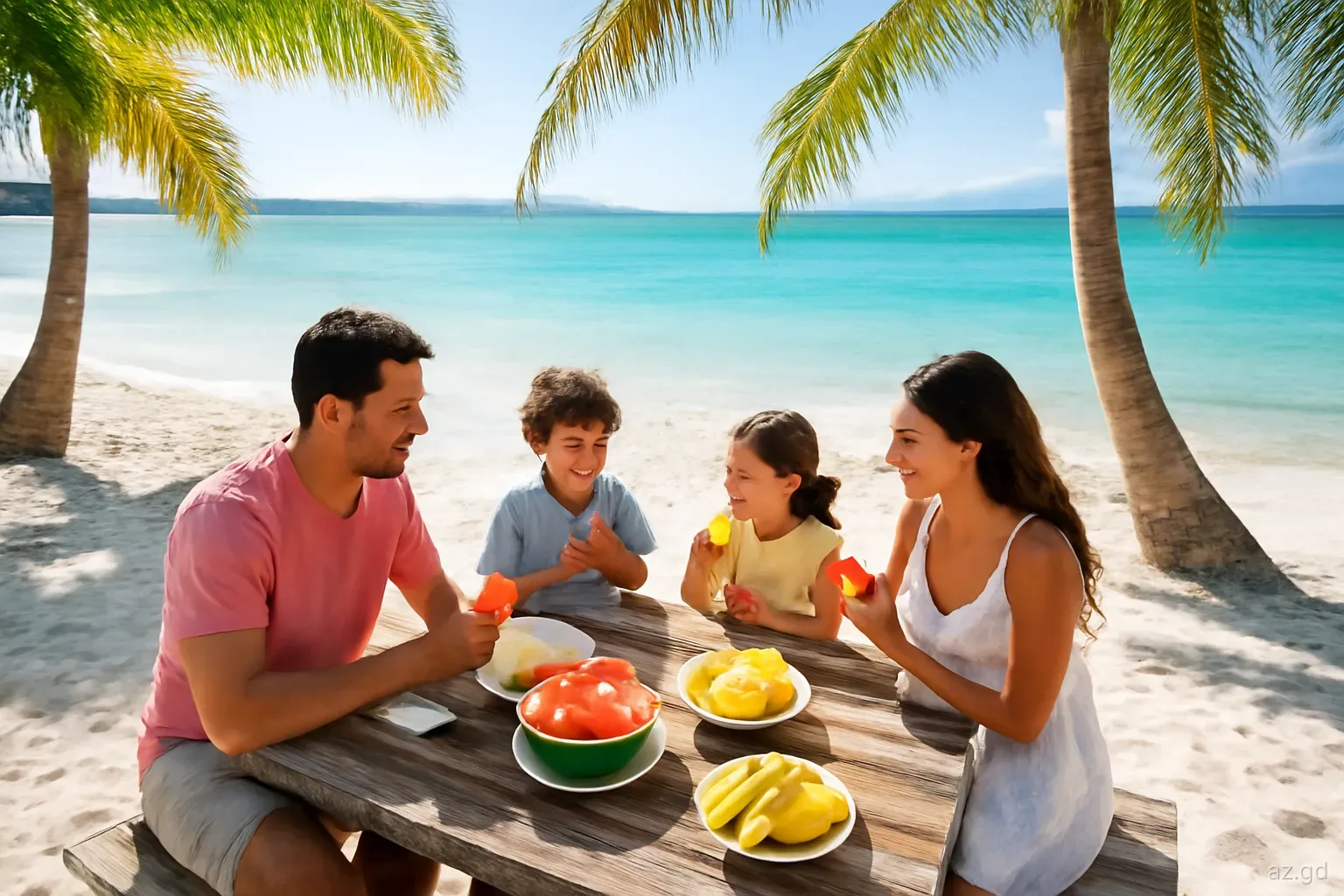
Small children travel well to Grenada. The flight from the UK or the US east coast is manageable, the island is small enough that no drive is longer than about an hour and a half, and Grenadians are openly fond of babies: expect strangers to coo, offer to hold the child, and tell you to put a hat on them. What catches parents out is not the island itself but the details: the car seat that was assumed to come with the taxi, the brand of formula that is not on the shelf, the pushchair that turns out to be useless on a steep village road.
This guide sorts what you genuinely need to bring from home from what you can pick up in Grenada, and flags the practical points about heat, transport and sleep that matter most with under-fours. Prices are indicative and change; Grenada uses the Eastern Caribbean dollar, pegged at EC$2.70 to US$1.
Bring from home: the short, non-negotiable list
A car seat you trust. Taxis and route buses do not carry child seats, and you should not assume a driver can produce one. Some car hire firms can supply a seat if you ask well in advance, but availability and condition vary. Most airlines carry a car seat free of charge as checked baggage; a lightweight travel seat is worth the space.
Your preferred formula and any specialist milk. Supermarkets and pharmacies stock infant formula, but the range is narrower than at home and a particular brand or stage may not be in stock that week. Bring enough for the whole trip if your baby is fussy or on a hypoallergenic or lactose-free formula.
Prescription medicines and a copy of the prescription. Standard children's paracetamol and ibuprofen are available over the counter at pharmacies, but brand names and strengths may differ. Bring anything prescribed, plus an oral syringe you know how to use.
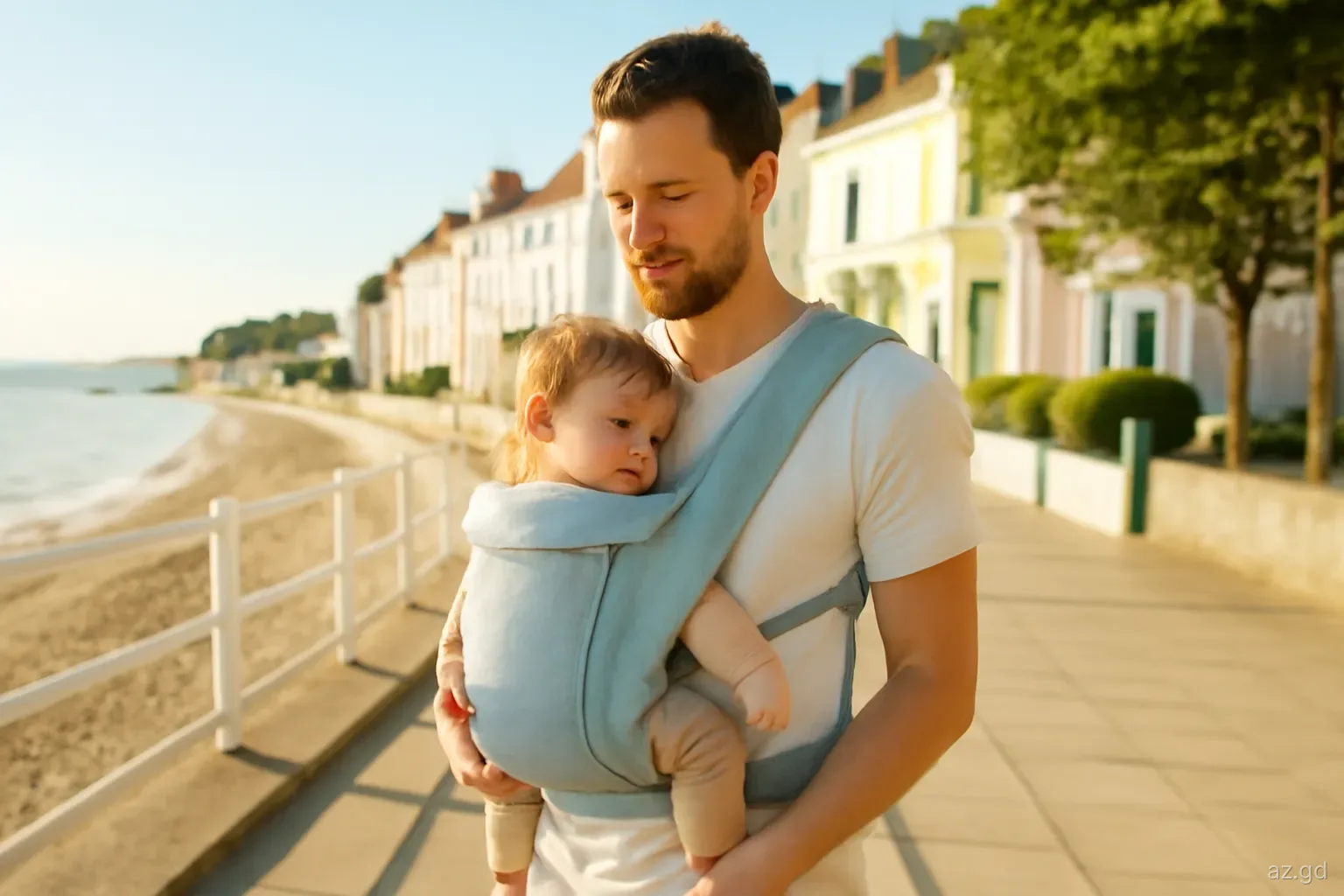
A compact carrier. A soft structured carrier or sling often beats a pushchair. Pavements in St George's are narrow and broken in places, the town is built on hills, and beaches are sand from the road edge to the water.
Swim nappies for the first few days. They can be found locally but not everywhere. Pack a starter supply so beach days are not held up by a shopping trip.
What you can buy in Grenada without hassle
Disposable nappies, wipes, baby shampoo, nappy cream, bottles and teats are all on sale in the larger supermarkets in the Grand Anse area, in St George's and in Grenville. Expect to pay noticeably more than in the UK or US for imported brands, because almost everything is shipped in and import duties apply. A pack of branded nappies can cost between one and a half and two times what you would pay at home. Buying a few days' worth on arrival and topping up is sensible; carrying two weeks of nappies in a suitcase rarely is.
Baby food in jars and pouches is available but the selection is limited. For older babies, local produce makes it easy to prepare simple food: ripe bananas, papaya, mango, avocado (called "zaboca" locally) and soft-cooked sweet potato or breadfruit are on sale at the Market Square in St George's and at roadside stalls across the island. Bottled water is everywhere, and many households drink treated tap water, but for mixing formula boiled water or bottled water is the cautious choice, particularly after heavy rain.
Sun cream for children, after-sun and insect repellent are stocked by pharmacies and supermarkets. If your child reacts to certain sunscreens, bring a supply of the one you know.
Heat, sun and the daily rhythm
Plan the day around the sun. Grenada sits about 12 degrees north of the equator, so the sun is strong all year. Beach time early in the morning and after about three in the afternoon is far more comfortable for little ones than the middle of the day.
Shade is not guaranteed. Grand Anse has stretches shaded by sea grape and almond trees, and many hotels have umbrellas, but smaller beaches may have none. A pop-up sun tent or a lightweight beach shade is one of the most useful things to pack for a baby.
Dress for sun, not for fashion. Long-sleeved swim suits and wide-brimmed hats with a neck flap do more than repeated sunscreen applications, which wash off quickly in the sea.
Watch hydration. Toddlers get through more fluids than usual in the heat. Coconut water bought from a vendor who cuts the nut in front of you is a popular local option, but keep plain water as the main drink.
Air conditioning helps sleep. Check that the room or villa has air conditioning or at least ceiling fans in the bedroom, and ask whether a cot is provided before booking. Many guesthouses can arrange one, but not all.
Arriving at the airport with small children
Maurice Bishop International Airport sits at Point Salines on the south-western tip of the island, about ten to fifteen minutes by road from Grand Anse and the main hotel areas of the south. That short transfer is a real advantage after a long flight with a tired toddler: you are rarely more than half an hour from your bed, even if you are staying in St George's or Lance aux Epines.
Immigration queues can build up when several international flights land close together, typically in the early afternoon in the winter season. Keep snacks, water and a change of clothes in your hand luggage, and have passports, the address of your accommodation and any return ticket details ready for the immigration officer. Customs officers may ask about food items, so declare any baby milk or food you are carrying if asked; ordinary quantities for your own child are not normally a problem.
If you have arranged a taxi, confirm the agreed fare before you load the luggage. Official taxi fares from the airport to the main areas are set at standard rates, and a tip is appreciated if the driver helps with car seats and bags.
Getting around with a baby or toddler
Transport is where most families have to adapt their usual habits. These steps help avoid the common problems.
- Decide before you book whether you will hire a car. With a toddler, a hire car with your own car seat gives the most flexibility. Visitors need a local driving permit, issued against your home licence; ask your hire company how they handle it.
- Remember that Grenada drives on the left, roads are narrow and winding, and there are steep stretches with no pavement, so keep drives short and plan stops.
- If you are using taxis, agree the fare before setting off and mention that you have a child and a car seat to fit, so the driver can allow time.
- Avoid the route buses with a baby in arms during busy periods. The minibuses are cheap and frequent, but they are crowded, fast and have no restraints for small children.
- For the ferry to Carriacou, keep the baby's things in one small bag you can hold, because the crossing can be rough and moving around the deck with a child is difficult.
Mistakes parents make (and easy fixes)
Most problems on a family trip to Grenada come from assumptions carried over from home. The ones that come up again and again:
- Assuming a taxi or airport transfer will provide a child seat. Bring one, or confirm in writing with the hire company.
- Bringing a large, heavy pushchair. A compact folding buggy or a carrier is far more practical on hilly roads and sand.
- Underestimating mosquitoes in the evening. Use repellent suitable for your child's age, cover arms and legs at dusk, and sleep under a net or in a screened room if available.
- Packing only for sunshine. Short, heavy showers are common, especially from June to December, so a light rain cover for the buggy and a spare outfit are useful.
- Scheduling too much. A beach morning, a nap and one short outing is a full and happy day for a toddler in the tropics.
- Forgetting travel insurance that covers children. Medical care is available but private treatment and any evacuation are expensive.
Frequently asked questions
Is Grenada a good destination for babies and toddlers?
Yes. Calm beaches on the Caribbean side, short travel distances and a warm attitude towards children make it straightforward. The main adjustments are bringing your own car seat, managing the strong sun and planning for limited choice of baby brands.
Can you buy nappies and formula in Grenada?
Yes, larger supermarkets and pharmacies stock nappies, wipes and infant formula. Choice is narrower and prices are usually higher than in the UK or US, so bring any specific brand or specialist formula with you.
Do taxis in Grenada have child seats?
Generally no. Taxis and route buses do not routinely carry child seats. Bring a travel car seat from home, or arrange one in advance with your car hire company and check its condition when you collect the car.
Is the tap water safe for making up baby formula?
Public supplies are treated, and many residents drink tap water, but for babies the cautious approach is to use boiled or bottled water, especially after heavy rain when supplies can become cloudy. Bottled water is widely sold.
Are pushchairs practical in Grenada?
Only in limited places such as hotel grounds, the Grand Anse area and malls. Pavements are often narrow or missing and the towns are hilly. A baby carrier or a very light folding buggy works far better for most families.
What happens if a baby gets ill in Grenada?
Pharmacies can advise on minor problems. For anything more serious, the General Hospital in St George's has an emergency department, and private doctors and clinics see children. In an emergency, call 911. Travel insurance that covers children is strongly recommended.