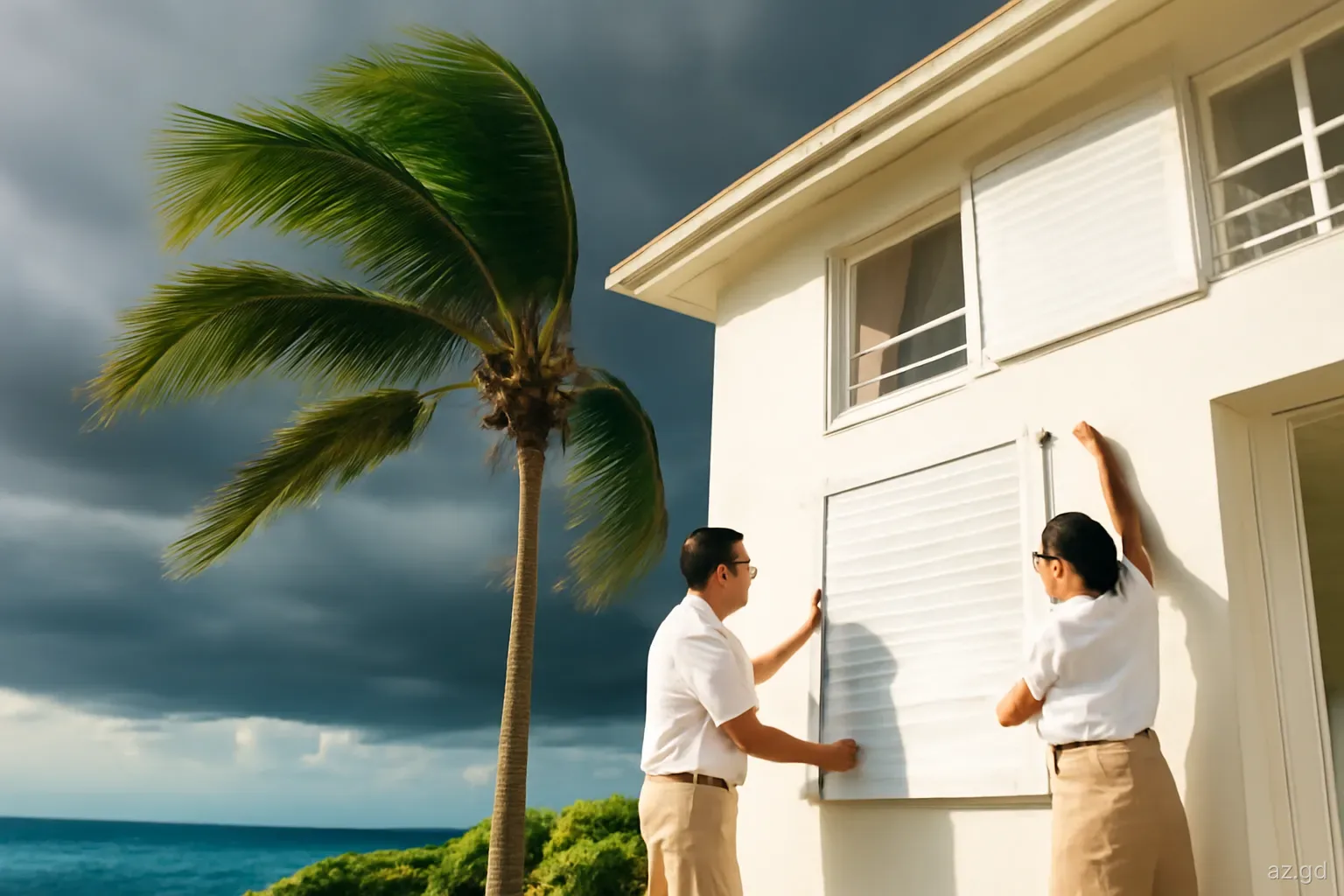
On the morning of 1 July 2024 the eye of Hurricane Beryl passed over Carriacou with sustained winds of around 150 mph. It was the first time a storm of that strength had been recorded in the Atlantic so early in the season, and it struck two of the smallest communities in the country. Within hours most houses on Carriacou and Petite Martinique had lost roofs or walls, the islands' power and telecommunications were down, and roads were blocked by debris and fallen trees. The Prime Minister described the scenes as Armageddon-like.
More than two years on, the sister islands are open to visitors and rebuilding continues. This article sets out what happened, how recovery has been organised and paid for, and what a visitor or returning national should check before booking. It is written to stay accurate as conditions change, so wherever a detail matters to your trip, confirm it directly with your accommodation or the relevant service.
What happened on 1 July 2024
Beryl formed in the central Atlantic in late June and strengthened with unusual speed over very warm water. Grenada, Carriacou and Petite Martinique were placed under a hurricane warning, shelters were opened by NaDMA and the district disaster committees, and many people on the sister islands moved to stronger buildings. The core of the storm crossed Carriacou late in the morning and passed close to Petite Martinique and Union Island in neighbouring St Vincent and the Grenadines.
Lives were lost on Carriacou and on the main island, where early reports included a death caused by a falling tree. UN situation reports estimated that between 95 and 100 percent of homes on Carriacou and Petite Martinique were damaged or destroyed. Schools, churches, the hospital, desalination plants, cell towers and fibre links were hit, and much of the islands' vegetation was stripped bare. Many boats moored or stored around Tyrrel Bay and Hillsborough were damaged or sunk.
The main island escaped the core but not the storm. The north, especially St Patrick, saw fallen trees, roof damage and power cuts, while much of the south and the tourism belt around Grand Anse came through with limited damage. The Grenada Tourism Authority was able to declare mainland hotels and attractions operational within weeks.
How recovery has been organised and paid for
Emergency response. In the first weeks, food, water, tarpaulins and medical supplies were moved across by sea and air, with help from CARICOM states, regional disaster bodies and international agencies. Many residents were temporarily housed on the main island while emergency shelters operated on Carriacou.
Parametric insurance. Grenada holds policies with the Caribbean Catastrophe Risk Insurance Facility. Beryl triggered an initial payout of about US$44 million (roughly EC$118 million), at the time the largest single payout in CCRIF's history, with later reports putting the total for Grenada higher still. Parametric cover pays quickly on measured storm strength rather than assessed losses.
Tax concessions. The government introduced waivers for residents of the sister islands, including full relief from import taxes on building materials, machinery, appliances and furnishings for rebuilding, and a waiver of property tax for 2025. Business loan and grant facilities were also announced.
Utilities. Telecommunications providers rebuilt networks across both islands; Flow reported its service fully restored on Carriacou and Petite Martinique by the first anniversary. Electricity and water systems were rebuilt in stages, with desalination capacity a particular priority because the islands have no rivers.
What it means for visitors now
Carriacou and Petite Martinique welcome visitors, and tourism spending is one of the most direct ways to support recovery. The Osprey ferry links St George's with Carriacou, where it now docks at Tyrrel Bay rather than the Hillsborough jetty (confirm when booking), and Petite Martinique, and small aircraft serve Lauriston Airport, but schedules have changed at times since the storm, so check current timings directly before planning connections. Guesthouses, small hotels and rental cottages have reopened progressively, some fully rebuilt and stronger than before, others still finishing work.
The landscape itself has changed. Hillsides that were wooded may still look open, and some beaches lost trees and shade. Coral reefs and mangroves around Carriacou, including the Sandy Island and Oyster Bed Marine Protected Area, were affected by wave action and debris, and conservation groups have been monitoring and restoring them. Divers should ask local operators which sites are in the best condition.
Expect a community that has been through a great deal and is proud of how much has been rebuilt. Visitors are welcome to ask about the storm, but many people have told their story countless times; a little sensitivity goes a long way, and buying from local shops, rum shops and fishermen keeps money on the island.
Daily life on the islands today
Hillsborough, the main town of Carriacou, is again the focus of island life, with government offices, shops, the market area and the hospital nearby at Belair. Windward on the north-east coast, home of the traditional boatbuilding culture, and the villages of L'Esterre, Harvey Vale and Bogles have been rebuilding house by house, often with help from family members abroad. Petite Martinique, with its tight-knit seafaring community, rebuilt quickly in many places thanks to strong family networks and remittances.
Visitors may notice new roofs, fresh concrete and many homes painted in bright colours alongside sites still waiting for work. Cultural life has returned too: events such as the Carriacou Regatta, the Maroon and String Band Music Festival and the Parang Festival in December have been central to restoring a sense of normality, and the Big Drum tradition remains a living part of community celebrations. Check event dates with organisers, as some programmes were adjusted in the first year after the storm.
What to check before you book
A trip to the sister islands needs slightly more homework than a holiday on the main island. Before committing, confirm the following directly with your hosts or the service provider:
- Water supply. Whether the property has its own cistern or relies on public desalinated supply, and whether there are any restrictions in the dry season.
- Power backup. Whether there is a generator or solar backup if the grid is interrupted.
- Rebuilding next door. Construction noise can still be part of daily life in some villages; ask what is happening nearby.
- Transport. Current ferry days and times, and whether the small-plane service is operating on your dates.
- Food and supplies. Whether nearby shops and restaurants are open, especially in Windward, L'Esterre and on Petite Martinique.
- Cash and cards. ATM availability in Hillsborough and card acceptance, which is less reliable than on the main island.
- Diving and boat trips. Which operators are running and which sites they recommend.
Lessons for the next storm
Beryl changed how people across Grenada think about the season. On the sister islands, rebuilding has placed more emphasis on hurricane straps, stronger roof connections, concrete construction and secure water storage. Community shelters and the storage of relief supplies before a storm are receiving more attention, as is the need to get vulnerable residents and those in fragile houses to safety early.
For visitors, the lesson is practical. The south of the main island can be calm while the sister islands take a direct hit forty kilometres away, and the reverse is possible. If you are on Carriacou when a storm is forecast, the ferry and flights will stop well before conditions deteriorate, so decisions about leaving or staying have to be made early. Follow NaDMA announcements and your hosts' advice, and do not wait for the warning to be upgraded before acting.
Finally, the CCRIF payout showed the value of pre-arranged finance. Households and businesses that had their own insurance generally recovered faster than those that did not, which is a point worth weighing for anyone buying property on the islands.
Frequently asked questions
Is Carriacou open to tourists after Hurricane Beryl?
Yes. Carriacou and Petite Martinique welcome visitors, and many guesthouses, restaurants and dive operators have reopened. Rebuilding is still part of daily life in places, so confirm that your chosen accommodation, transport and activities are operating on your dates before you travel.
How bad was the damage from Beryl on Carriacou?
Extremely severe. UN estimates suggested that 95 to 100 percent of homes on Carriacou and Petite Martinique were damaged or destroyed, along with utilities, schools, the hospital, communications and many boats. Lives were lost, and many residents had to be housed temporarily on the main island.
Did Hurricane Beryl hit mainland Grenada?
The main island was affected but avoided the core of the storm. The north, particularly St Patrick, saw the heaviest mainland damage with fallen trees, roof losses and power cuts, while the south and the Grand Anse area came through with comparatively limited damage and reopened to visitors within weeks.
How can visitors support Carriacou's recovery?
The simplest way is to visit and spend locally: stay in locally owned guesthouses, eat at small restaurants and buy from local shops, fishermen and craft makers. Registered relief funds and community organisations have also supported rebuilding; check that any appeal is run by an established body before donating.
Are the reefs around Carriacou still good for diving?
Some sites were damaged by waves and debris, while others came through well. Local dive operators and marine park staff have been monitoring conditions and know which reefs are in the best shape, so ask them for current recommendations rather than relying on older reviews.