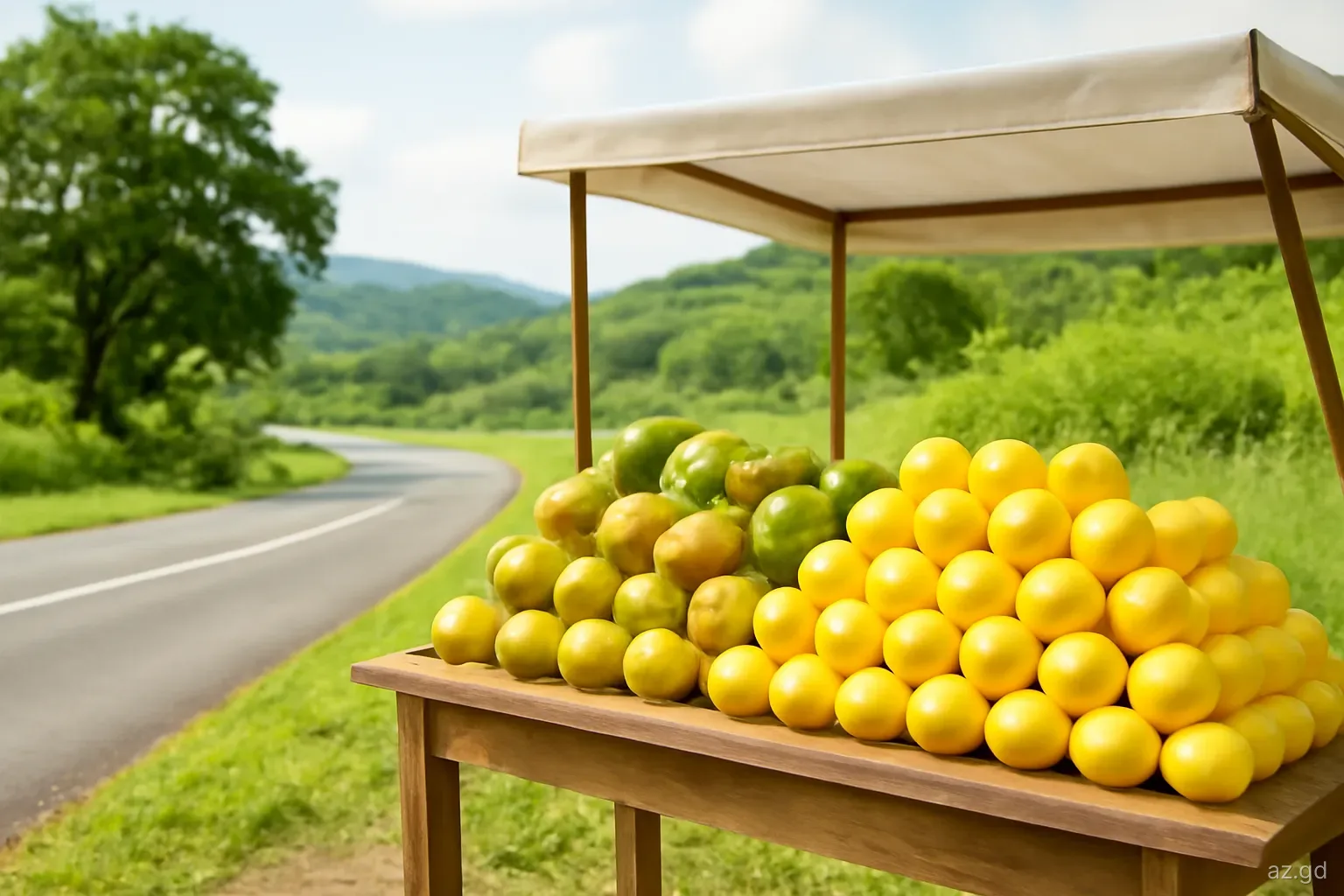
Market Square is the working heart of St George's: a sloping open square in the middle of town where farmers, spice sellers and craft vendors set up under umbrellas and corrugated roofs. It is where Grenadians buy their weekly provisions, and it is also the easiest place for a visitor to see, smell and buy the island's produce in one spot.
The square has other roles too. It has long been used for public gatherings, rallies and the opening of national events, so on some days the stalls share the space with a stage or a crowd. On an ordinary Saturday morning, though, it is about callaloo, plantain, ground provisions and heaps of spice.
This page covers how the market is organised, the best days and hours, what things are called, what a fair deal looks like, and the few traps that catch first-time buyers.
Where it is and how the stalls are arranged
Market Square sits in the lower part of town, a few minutes on foot from the Esplanade, the Melville Street bus terminal and the cruise ship terminal. If you arrive by route bus you are already close; from the Carenage it is a short walk over the hill or around through the streets behind the waterfront. The streets are steep and narrow, so wear shoes with grip, especially after rain.
Food vendors dominate the open square and the covered sections. Fruit, vegetables and ground provisions such as dasheen, yam, eddoe, sweet potato and breadfruit are piled on tables and tarpaulins. Spice sellers cluster in their own rows, often with ready-made gift baskets alongside loose spices. Craft and clothing vendors fill some of the edges. Meat and fish are sold separately: the fish market is down on the Melville Street side near the water, not in the square itself.
When to go: days and hours that make a difference
Saturday morning is the main event. Saturday is Grenada's traditional market day. Farmers come in from St John, St Mark and St Andrew, the choice is widest and the atmosphere is busiest. Arrive between about 7am and 10am for the best produce; by early afternoon many vendors are packing up.
Friday is a good second choice. Friday is busy too, as people stock up before the weekend, but it is a little easier to move around and talk to vendors.
Weekdays are quieter. Monday to Thursday there are fewer stalls, but you can still buy fruit, vegetables and spice. Spice sellers who serve cruise passengers are usually there on ship days whatever the weekday.
Sunday is not a market day. Most of St George's is closed on Sunday. Do not plan a Sunday market trip.
Cruise days change the mood. When one or more large ships are in, the spice rows fill with visitors and sellers become more insistent. If you want a calmer browse, check the cruise schedule and go on a non-ship day, or go early before passengers walk up from the terminal.
Buying produce: names, measures and seasons
Produce is sold by the pound, by the piece, or by the heap, a small pile at a fixed price. Ask before you pick anything up; vendors prefer to serve you rather than have you handle the stock. Many local names differ from what you may know: callaloo is the leaf of the dasheen plant, not the amaranth sold under that name elsewhere; christophene is chayote; golden apple is the June plum; bluggoe and figs refer to cooking and eating bananas.
Seasons matter. Mangoes are at their peak in the drier months into early rainy season, roughly late spring to mid-summer, when Julie mangoes are everywhere. Golden apple, soursop, sugar apple, passion fruit and guava come and go through the year. Breadfruit and plantain are almost always available. Vendors will tell you what is ripe today and what will be ready to eat tomorrow, which is useful if you are cooking in a holiday apartment.
Prices are low by North American and European standards for local produce, and higher for anything imported. They also rise after storms or in drought, so a figure that was right last year may not be now.
Greens, ground provisions and what to cook with them
If you have a kitchen, the market is the place to buy the ingredients of everyday Grenadian cooking. For an oil down, the national dish, you need breadfruit, dasheen leaves (callaloo), green bananas or figs, dumplings, salted meat or fish, and coconut milk, plus turmeric, chive, thyme and hot pepper. Vendors are used to visitors asking and will often put together the vegetables for you and explain the order they go into the pot.
Seasoning peppers, chive (a local spring onion), broad-leaf thyme, celery and the long-leafed herb sold as shadow beni or culantro are the foundation of Grenadian seasoning. They are cheap and sold in small bundles. Pumpkin, christophene and cabbage turn up in soups and stews; sorrel appears around Christmas for the deep red drink of the same name.
Ripe plantain is sweet and soft, green plantain starchy. If you are unsure, ask for something to cook today, and let the vendor choose.
The spice stalls: what you are actually buying
The spice rows are where most visitors spend their money. Typical goods are whole nutmeg (often still with the red mace wrapped around the shell), ground nutmeg, cinnamon bark rolled in quills, cloves, bay leaf, ginger, allspice, cocoa balls for cocoa tea, and baskets lined with banana leaf holding a selection of everything. Small gift baskets are sold for a few EC dollars upwards depending on size; ask the price in EC$ and in US$ and compare.
Two labels need care. What is sold as saffron is almost always turmeric, a genuine and useful spice, but not saffron. What is sold as vanilla or vanilla essence is often made from tonka beans, not vanilla pods. Tonka contains coumarin, which is restricted as a food ingredient in some countries, including the United States, and should be used sparingly if at all. A seller will usually tell you honestly if you ask what it is made from.
Whole spices keep far better than ground ones. A nutmeg in its shell stays fresh for a long time; crack it and grate it as needed. Cinnamon quills, cloves and bay leaf also travel well. Ground mixes are convenient but lose flavour within months.
Combining the market with the rest of town
Market Square is easy to combine with other errands in St George's. The Melville Street bus terminal, where route buses leave for Grand Anse, Grenville, Gouyave and the rest of the island, is a few minutes' walk away, so you can carry your shopping straight onto a bus. The fish market is on the same side of town near the water, and the Esplanade Mall, banks and pharmacies are close by.
From the square, the streets lead up to the older part of town and across to the Carenage, the horseshoe harbour lined with shops, restaurants and offices. Walking between the two takes ten to fifteen minutes, longer if you take the hill slowly in the heat. Taxis wait near the Esplanade and on the Carenage if your bags get heavy.
Do the market first, while it is cool and the produce is fresh, and leave sightseeing and lunch for later in the day.
Common mistakes and what to check
Most problems at the market are small and avoidable:
- Carrying only large notes. Vendors often cannot change an EC$100 note early in the morning. Bring EC$5, EC$10 and EC$20 notes and some coins.
- Paying US dollars without asking the rate. Many vendors accept US cash, but the rate they use and the change they give (usually in EC$) is up to them. Agree the total first.
- Buying fresh fruit to take home. Most countries restrict fresh fruit, plants and seeds in baggage. Eat the mangoes here and take whole dry spices instead, declaring them on arrival if your country asks.
- Taking photos of people without asking. Vendors are working; a greeting and a quick question goes a long way, and some will say no.
- Forgetting to greet first. In Grenada you say good morning or good afternoon before asking for anything. Skipping it reads as rude.
- Leaving bags unattended in the crowd. Petty theft is not common, but busy markets anywhere attract it. Keep phones and wallets in front pockets.
Frequently asked questions
What day is market day in St George's?
Saturday is the main market day, with the most vendors and the freshest choice from about 7am. Friday is also busy. The market operates on weekdays with fewer stalls, and Sunday is not a market day because most of the town is closed.
Can cruise passengers walk to Market Square?
Yes. Passengers leaving the Melville Street cruise terminal walk out through the Esplanade Mall into town, and Market Square is a short walk uphill from there. The streets are steep and busy with traffic, so take care at corners and wear comfortable shoes.
Is the saffron sold in Grenada real?
Usually not. The bright yellow powder or root sold as saffron in Grenadian markets is turmeric. It is a good spice in its own right and is used in local cooking, but it is not the expensive crocus-stigma saffron used in Mediterranean dishes.
Do vendors at Market Square take cards?
Very few do. Treat the market as cash only and bring small EC dollar notes. US dollars are often accepted, but you will usually get change in EC dollars at a rate the vendor chooses, so agree the total before you pay.
Can spices from the market be taken home?
Whole dried spices such as nutmeg, cinnamon and cloves are generally allowed into most countries but often must be declared on arrival. Fresh fruit, seeds for planting and soil are usually restricted. Check your own country's customs and agriculture rules before packing.
Where is the fish market in St George's?
Fish is not sold in Market Square itself. The fish market is near the waterfront on the Melville Street side of town, close to the bus terminal. Mornings are best, and the catch depends on the weather and the season.