Hurricanes dominate any conversation about natural hazards in Grenada, and with good reason: Ivan in 2004 and Beryl in 2024 shaped the country's modern history. But hurricanes are seasonal and forecast days in advance. Some of Grenada's other hazards arrive with little or no warning: an earthquake, a flash flood in a river valley, a landslide on a mountain road after a night of heavy rain.
None of these is a reason to avoid Grenada, and serious events are rare. They are reasons to know a few rules, particularly if you hike, sail north towards the Grenadines, or live in the hills. This guide covers the hazards other than hurricanes, which are dealt with in detail in the weather and seasons section of this site.
Kick 'em Jenny: the underwater volcano
Kick 'em Jenny is an active submarine volcano about 8 kilometres off the north coast of Grenada, west of Ronde Island. Its summit lies under the sea, at a depth of roughly 180 metres, and it is one of the most active volcanoes in the Eastern Caribbean, with more than a dozen recorded eruptions since the first documented one in 1939. Most eruptions have been entirely underwater, sometimes noticed only by seismic monitors or by disturbed water at the surface.
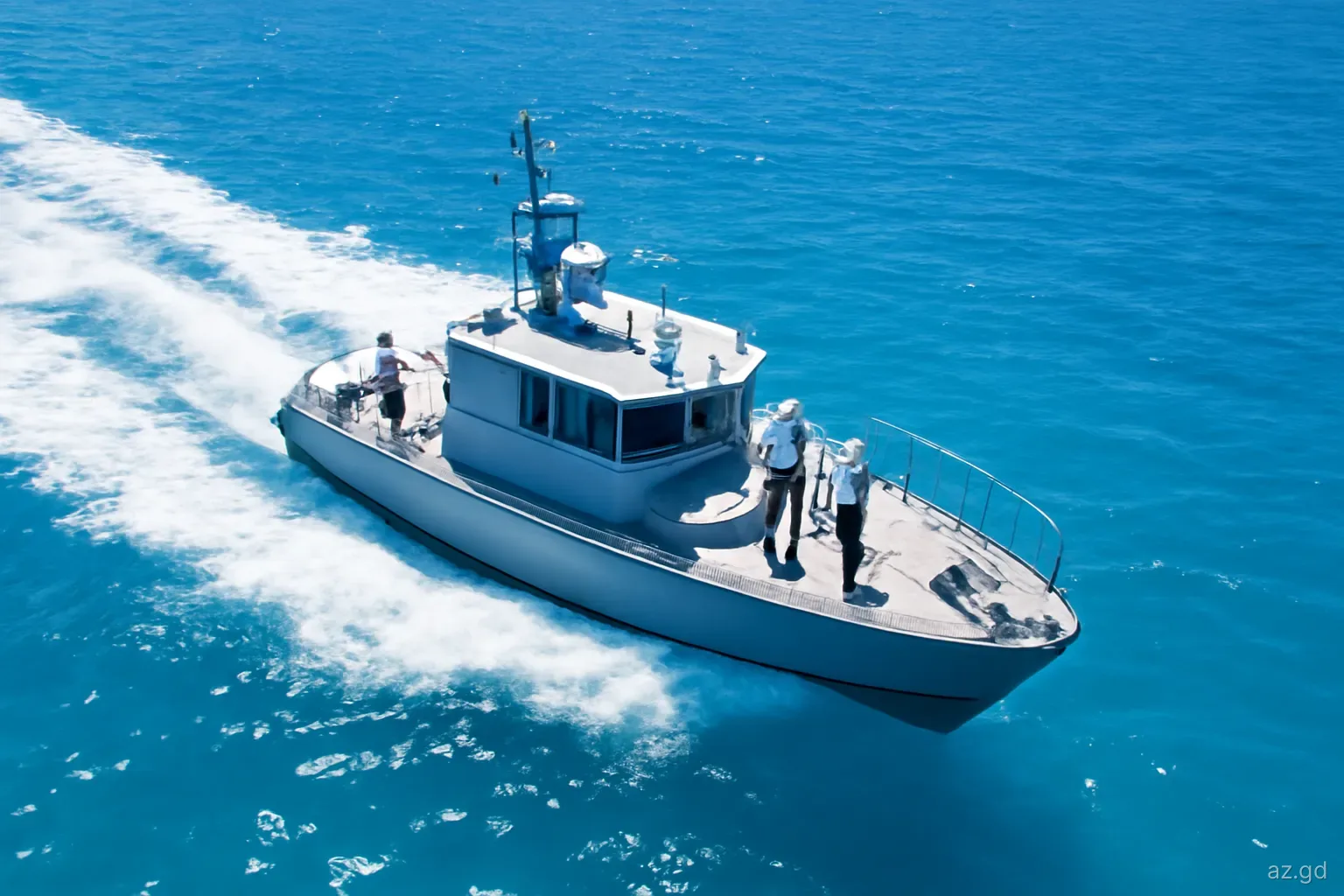
The University of the West Indies Seismic Research Centre monitors the volcano, and Grenada's National Disaster Management Agency (NaDMA) issues alerts using a colour scale from green through yellow and orange to red. The main practical effect is on shipping: at lower levels boats must keep outside a 1.5 kilometre exclusion zone around the summit, and at higher levels the zone is widened to 5 kilometres. The greatest local danger from an eruption is to vessels directly above, because gas in the water can reduce buoyancy and the sea surface can become violently disturbed.
For people on land, a typical Kick 'em Jenny eruption has little direct effect, though tremors may be felt in the north. Scientists have studied the possibility of a volcano-generated tsunami; the risk is considered low, but it is one reason coastal residents should know how to respond to tsunami warnings.
Earthquakes
Grenada sits on the Lesser Antilles volcanic arc, near the boundary where the Atlantic seafloor slides beneath the Caribbean plate. Small earthquakes happen regularly in the region and most are too weak to feel. Every few years a stronger regional earthquake is felt across Grenada, rattling windows and sending people outside, though damaging earthquakes have been rare in recent memory.
Because a large earthquake cannot be predicted, the useful preparation is knowing what to do. Grenadian buildings are mostly reinforced concrete and block, which performs reasonably well, but heavy furniture, water tanks on stands, hillside retaining walls and unreinforced older structures can fail. Secure tall shelves and water heaters, and know which parts of your home are strongest.
Anyone renting or buying a house on a slope should ask about the foundations and retaining walls, because earthquakes and heavy rain together are the conditions most likely to trigger damage on steep sites. Keeping a basic emergency kit, with water, a torch, a radio, a first-aid kit and copies of documents, serves for earthquakes as well as for hurricanes, so most households in Grenada need only one kit for every hazard.
What to do in an earthquake or tsunami warning
The same simple actions recommended worldwide apply in Grenada. Practise them once so they come naturally:
- Indoors: drop to your hands and knees, take cover under a sturdy table or against an interior wall, and hold on until the shaking stops. Stay away from windows, mirrors and anything that could fall.
- Outdoors: move away from buildings, power lines, steep slopes and retaining walls, then crouch down.
- Driving: pull over somewhere safe, away from bridges, cliffs and overhead lines, and stay in the vehicle until the shaking stops.
- On the coast: if shaking is strong or long, or you see the sea draw back unusually far, do not wait for an official warning. Move inland or to higher ground immediately, on foot if roads are congested.
- Stay away from the shore until authorities give the all-clear. Tsunamis come as a series of waves, and later waves can be larger.
- Expect aftershocks. Check for gas leaks, damaged wiring and cracks before going back inside, and listen to NaDMA advisories on local radio.
Flash floods and rivers
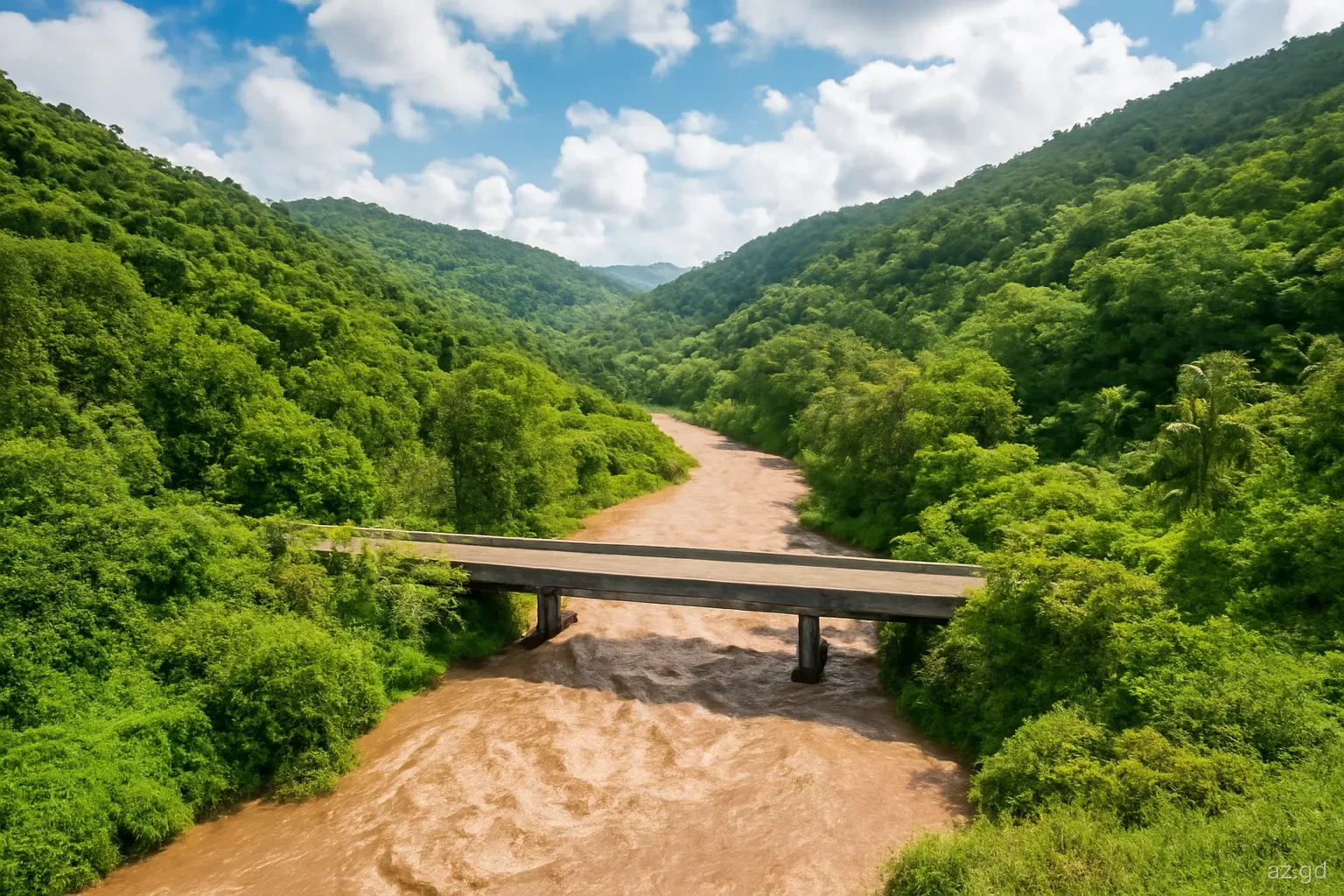
Grenada's mountainous interior collects rain fast and channels it into short, steep rivers. After intense rain, especially in the rainy season from about June to December, a river can rise by a metre or more in minutes, turning brown and fast. Flash floods can happen even when it is sunny where you are, because the rain is falling higher up in the hills around Grand Etang and Mount St Catherine.
This is a real danger for hikers at waterfalls and river crossings, such as the trails to Seven Sisters, Concord, Annandale and other falls. Do not hike to waterfalls or cross rivers during or right after heavy rain. If the water turns muddy, rises, or you hear a roar upstream, get out and climb to higher ground straight away. Never try to drive or walk through flowing water on a road or ford: just 30 centimetres of moving water can float a car.
Low-lying parts of towns, including areas near river mouths and coastal roads, can flood during heavy downpours, and drains overflow quickly. Residents should know whether their home or route to work floods and plan around it.
Landslides and road hazards after rain
Where they happen. Landslides and rockfalls are most common on steep, cut slopes along mountain roads, including the Grand Etang road across the interior and roads in St John, St Mark, St Andrew and St David. Heavy rain saturates soil and loosens rocks.
Warning signs. Fresh cracks in the road or slope, small stones rolling down, muddy water seeping from a hillside, tilting trees or poles and unusual cracking sounds all suggest a slope may be moving.
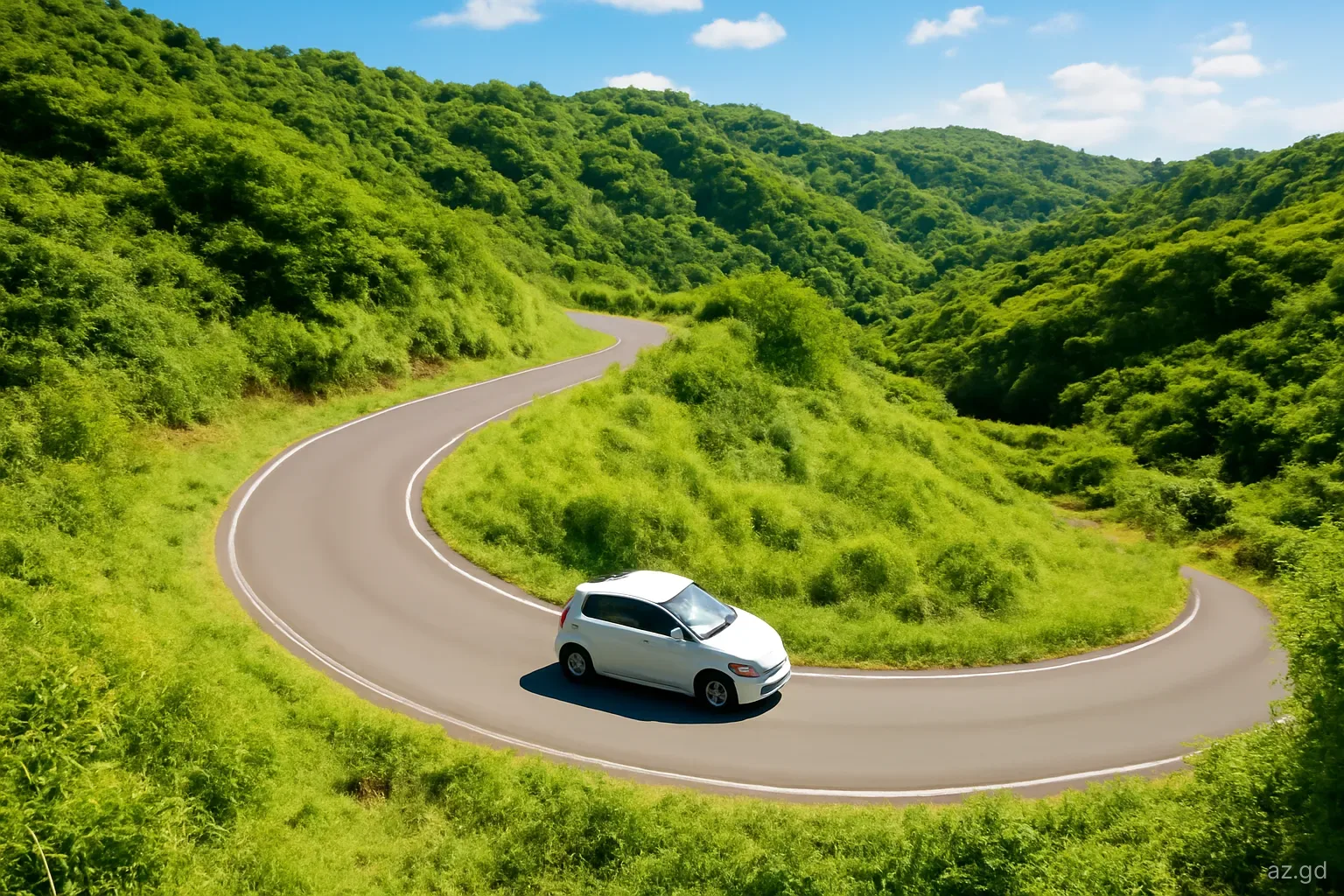
On the road. Drive slowly after heavy rain, watch for debris around bends and do not stop under steep cuttings. If a road is blocked, turn back rather than trying to cross the debris, which may still be moving.
At home. Residents on slopes should keep drains and gutters clear, avoid cutting into slopes without engineering advice and watch for new cracks in walls and foundations. The Physical Planning Unit and NaDMA can advise on hazard-prone areas.
High seas, swells and storm surge
Even without a hurricane, the sea can become dangerous. Distant storms in the North Atlantic can send long, powerful swells, known around the Caribbean as ground seas, onto normally calm leeward beaches on the west and north coasts. Waves can wash over coastal roads, damage jetties and make swimming and snorkelling hazardous. Passing tropical waves and storms bring rough seas on the Atlantic side and in the channels between islands.
The Grenada Meteorological Service and NaDMA issue small craft advisories and high surf warnings when conditions are expected to be dangerous. Heed them: stay off exposed jetties and seawalls, avoid swimming at affected beaches, and keep small boats in harbour. Many drownings and boating accidents in the Caribbean happen in conditions that looked manageable from the shore.
Frequently asked questions
Is Kick 'em Jenny dangerous to people in Grenada?
For people on land, the risk is low. Most eruptions have been underwater with little effect onshore. The main danger is to vessels near the summit, which is why NaDMA sets a maritime exclusion zone of 1.5 or 5 kilometres depending on the alert level.
Does Grenada get earthquakes?
Yes. Grenada lies on an active volcanic arc and small earthquakes happen regularly in the region. Stronger regional earthquakes are felt every few years, though damaging ones have been rare. Knowing how to drop, cover and hold on is the main preparation.
Is there a tsunami risk in Grenada?
The risk is low but not zero. A large regional earthquake or, less likely, an eruption at Kick 'em Jenny could generate waves. If shaking is strong or long, or the sea withdraws unusually, move inland or uphill without waiting for an official warning.
Is it safe to hike to waterfalls in the rainy season?
Yes, with care. Avoid waterfalls and river crossings during or right after heavy rain, because rivers can rise suddenly from rain falling higher in the mountains. If water turns muddy or starts rising, leave the riverbed immediately and climb to higher ground.
Where can you check the Kick 'em Jenny alert level?
The National Disaster Management Agency of Grenada issues official alerts, based on monitoring by the University of the West Indies Seismic Research Centre. Both publish current status updates. Marinas and the cruisers' radio net also pass on changes to the alert level.