For most visitors, the biggest everyday safety risk in Grenada is not crime but the roads. They are narrow, steep and winding, often without pavements or shoulders, and edged by deep concrete drains. Traffic drives on the left. Route buses move fast and stop suddenly. None of this makes driving in Grenada unusually dangerous for a careful driver, but it does demand more attention than the average commute at home.
This guide focuses on staying safe rather than on the mechanics of hiring a car or catching a bus, which are covered in the getting around section of this site. It covers drivers, pedestrians and bus passengers, because most visitors end up being all three.
What makes Grenadian roads different
Left-hand traffic. Grenada drives on the left. Visitors from North America and most of Europe find the first day the hardest, especially at junctions and when pulling out of car parks. Many hire cars are right-hand drive, but some imported vehicles are left-hand drive, which affects visibility when overtaking.
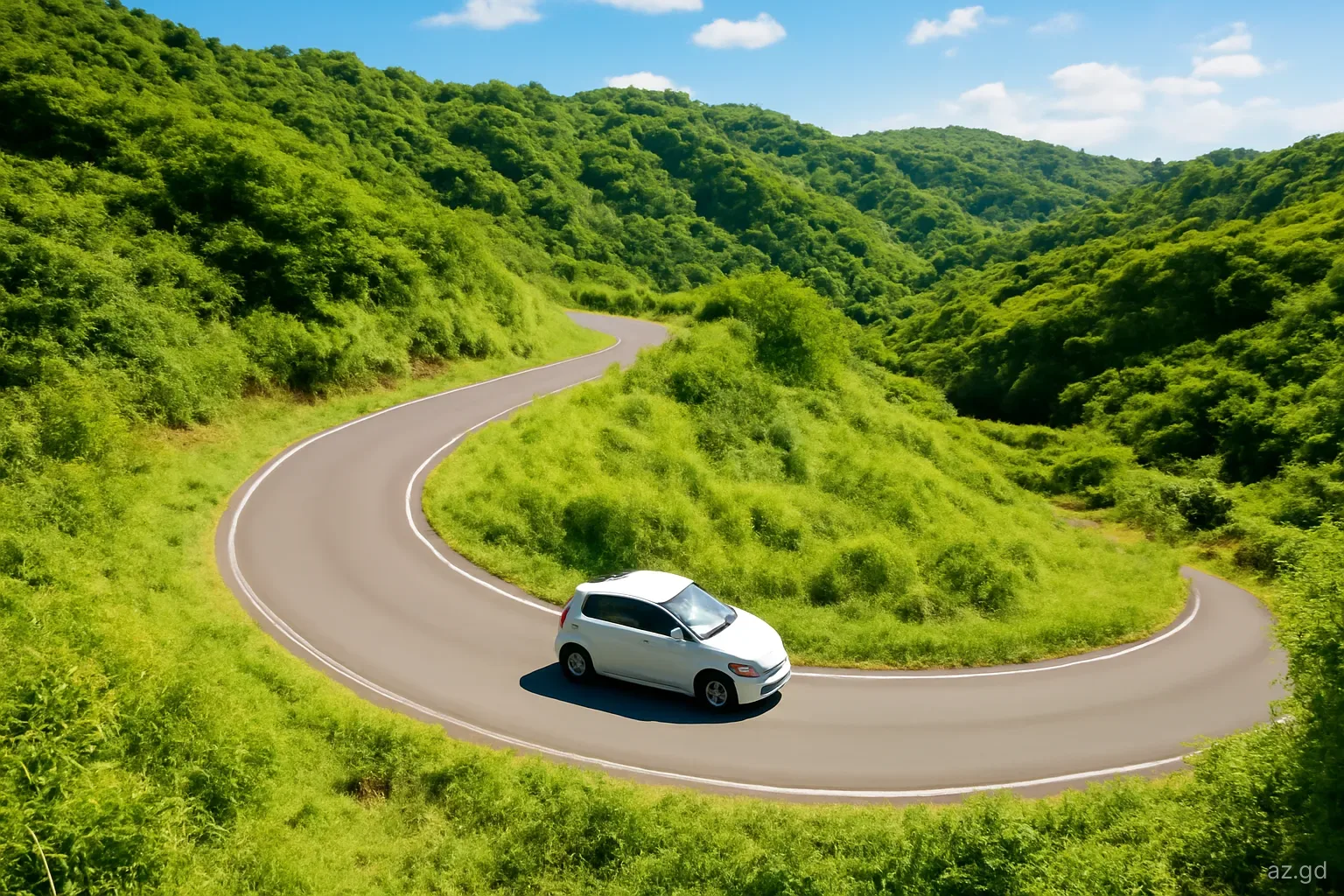
Narrow, steep and winding. Outside the main south coast roads, most routes are barely two lanes wide, climb steeply and twist through blind bends. Oncoming buses and trucks often take the centre of the road on corners.
Open drains. Deep concrete drains, often called gutters, line many roads with no barrier. A wheel dropped into one can mean a damaged car or a rollover. They are especially hard to see at night and in heavy rain.
No pavements. People walk in the road, including children going to school, and dogs, goats and occasionally cattle wander onto the carriageway in rural areas.
Potholes and speed bumps. Road surfaces vary, and speed bumps appear without warning near schools and villages. Repair works can leave loose gravel.
Driving safely: habits that local drivers use
Experienced drivers in Grenada sound their horn briefly before blind bends on hill roads, which warns oncoming traffic. A short toot is also a friendly greeting or a thank you, not usually aggression. Flashed headlights can mean "go ahead" or a warning, so do not assume either; wait until the intention is clear.
Keep well to the left on bends, slow right down before blind corners and be ready to stop for a bus pulled up just around the curve. Do not overtake unless you can see a long clear stretch, which in Grenada is rare. Let faster vehicles pass where the road allows; route bus drivers working to a schedule will not wait patiently.
Wear seatbelts in every seat and put children in proper car seats, which you may need to request in advance from the hire company. Never drink and drive. Rum shop culture is part of life, but alcohol plays a part in many serious crashes, and driving under the influence is a criminal offence. Keep your phone out of your hand while driving.
Night driving and rain
Many roads have no street lighting, and darkness falls quickly around 6pm to 6.30pm all year. Pedestrians in dark clothing, unlit bicycles, animals and parked vehicles are hard to see, and the open drains disappear entirely in the dark. Visitors unfamiliar with the roads are wise to plan long drives, such as a trip to the north coast or across the Grand Etang road, so that they are back before dusk.
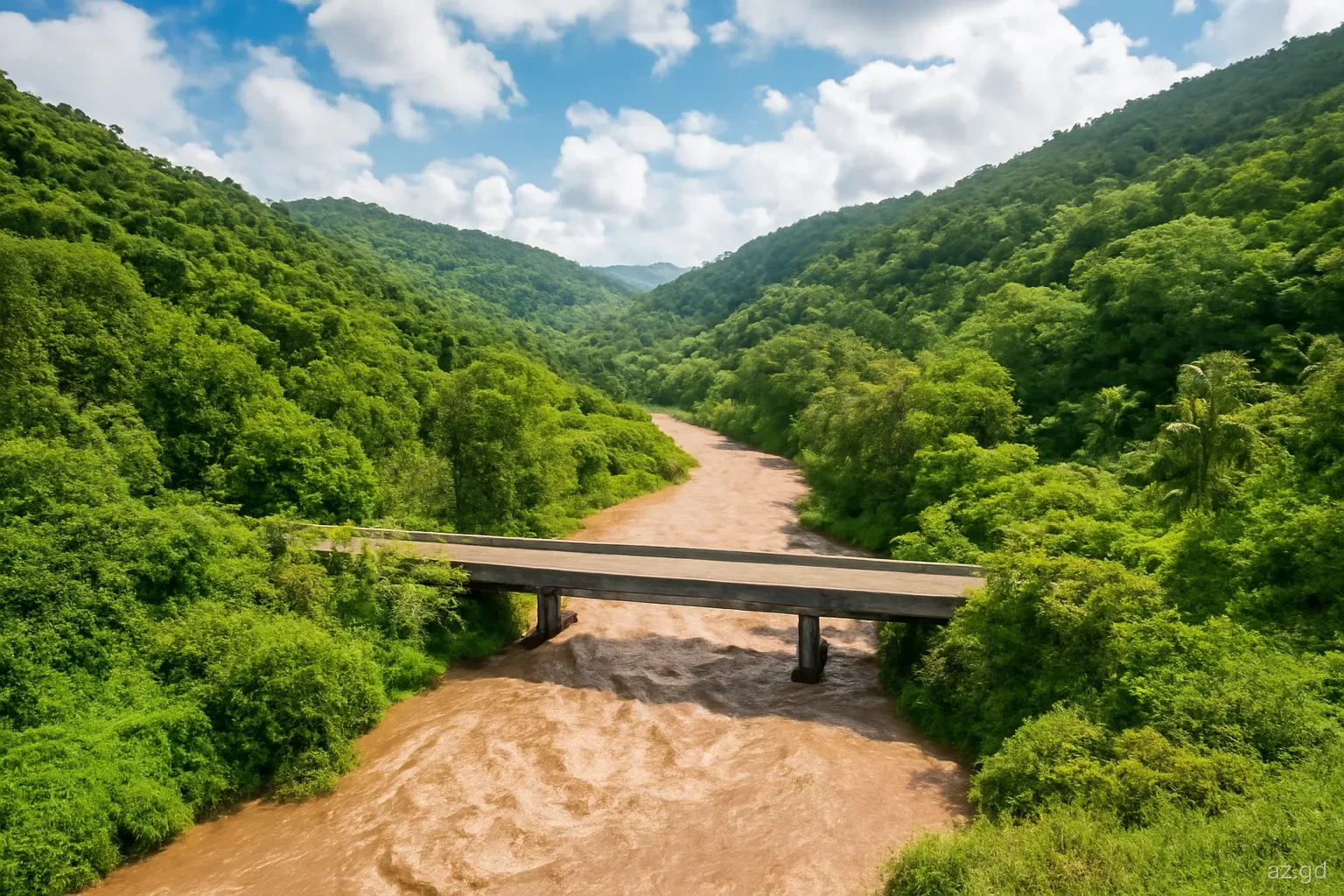
Heavy tropical showers reduce visibility in seconds and make roads slippery, particularly where oil has built up after a dry spell. Slow down, switch on headlights and, if visibility becomes very poor, pull over in a safe spot until the worst passes, which is usually quick. After heavy rain, watch for debris, rocks and mud on mountain roads, and avoid fords or flooded dips: moving water can push a car off the road.
Pedestrians and bus passengers
Walking and riding the route buses are part of everyday life in Grenada, and both are generally safe with a few precautions:
- Walk facing oncoming traffic where there is no pavement, so you can see vehicles and step aside.
- At night, wear something light or carry a torch, and avoid walking on unlit roads where possible.
- Cross where you have a long view in both directions; vehicles appear quickly around bends.
- On route buses, sit down before the bus moves off if you can and hold on; buses accelerate and brake hard.
- If a bus is being driven in a way that makes you uncomfortable, it is fine to ask the conductor to let you off and catch the next one.
- Keep bags on your lap and phones secure in crowded buses around St George's at rush hour.
- Children should be walked on the inside, away from traffic, as many roads have no verge at all.
Mistakes visitors make on Grenadian roads
Car hire staff, taxi drivers and police officers see the same errors from visitors again and again. Most can be avoided with a little forethought:
- Drifting to the right on the first morning, particularly when turning out of a junction or a car park onto an empty road.
- Trusting a phone navigation app blindly. Apps sometimes route along steep, rough back roads that are barely passable, especially in St John, St Mark and the hills above Grenville. Stick to main roads when unsure.
- Parking with a wheel at the edge of a drain, or reversing into one while turning on a narrow road.
- Stopping on a bend or the brow of a hill to take a photograph, where following traffic cannot see the car in time.
- Underestimating journey times. A 30-kilometre drive to the north coast can take well over an hour on winding roads.
- Driving without the local permit, which can invalidate insurance after an accident.
- Leaving bags visible in the car at viewpoints, waterfalls and beaches.
Scooters, motorbikes and bicycles
Two wheels are the most dangerous way to travel on Grenada's roads. Gravel on bends, potholes, sudden bus stops and drains at the edge of the road give riders very little margin. Visitors who are not experienced motorcyclists should think carefully before hiring a scooter here, and should check that their travel insurance covers it, as many policies exclude motorbike accidents or require a full motorcycle licence at home.
If you ride, wear a proper helmet, closed shoes and clothing that covers your skin, and avoid riding at night or in rain. Cyclists face the same issues, plus steep climbs and heat. Road cycling is popular with local clubs, who usually ride early in the morning when traffic is light; that is a good model to follow.
If you are involved in an accident
Road accidents are stressful anywhere, and more so in an unfamiliar place. Follow these steps in order:
- Check for injuries and call 911 if anyone is hurt. Do not move injured people unless they are in immediate danger.
- Switch on hazard lights and warn oncoming traffic, especially if the crash is near a bend.
- Do not move the vehicles until the police have attended, unless they are blocking a dangerous spot or there is a fire risk.
- Photograph the scene, vehicle positions, number plates, damage and road conditions.
- Exchange names, contact details and insurance information with the other driver, and note witnesses.
- Call your car hire company as soon as you can; most require immediate notification.
- Give a statement to the police and ask for the report reference, which your insurer and the hire company will need.
Frequently asked questions
Which side of the road do they drive on in Grenada?
Grenada drives on the left. Most vehicles are right-hand drive, though some imported vehicles are left-hand drive. Visitors need a local driving permit, which car hire companies can help arrange. Take extra care at junctions and on the first day of driving.
Is it safe to drive in Grenada?
Yes, for careful drivers. Roads are narrow, steep and winding, with blind bends, open drains and no pavements, so concentration matters. Sound the horn before blind corners, avoid overtaking, drive slowly at night and in rain, and never drink and drive.
Is it safe to drive in Grenada at night?
Many roads are unlit, and pedestrians, animals and open drains are hard to see after dark, which falls around 6pm to 6.30pm year-round. Experienced drivers manage it, but visitors new to the roads are wise to finish long drives before dusk.
Are route buses in Grenada safe?
Route buses are used by thousands of people daily and are generally safe, though some drivers go fast and play loud music. Sit down and hold on, and if you feel uncomfortable, ask to get off and wait for the next bus. Buses are cheap and frequent on main routes.
What should you do after a car accident in Grenada?
Call 911 if anyone is injured, keep the vehicles where they are until police attend unless there is danger, photograph everything, exchange details and contact your hire company. Get a police report reference for insurance purposes.