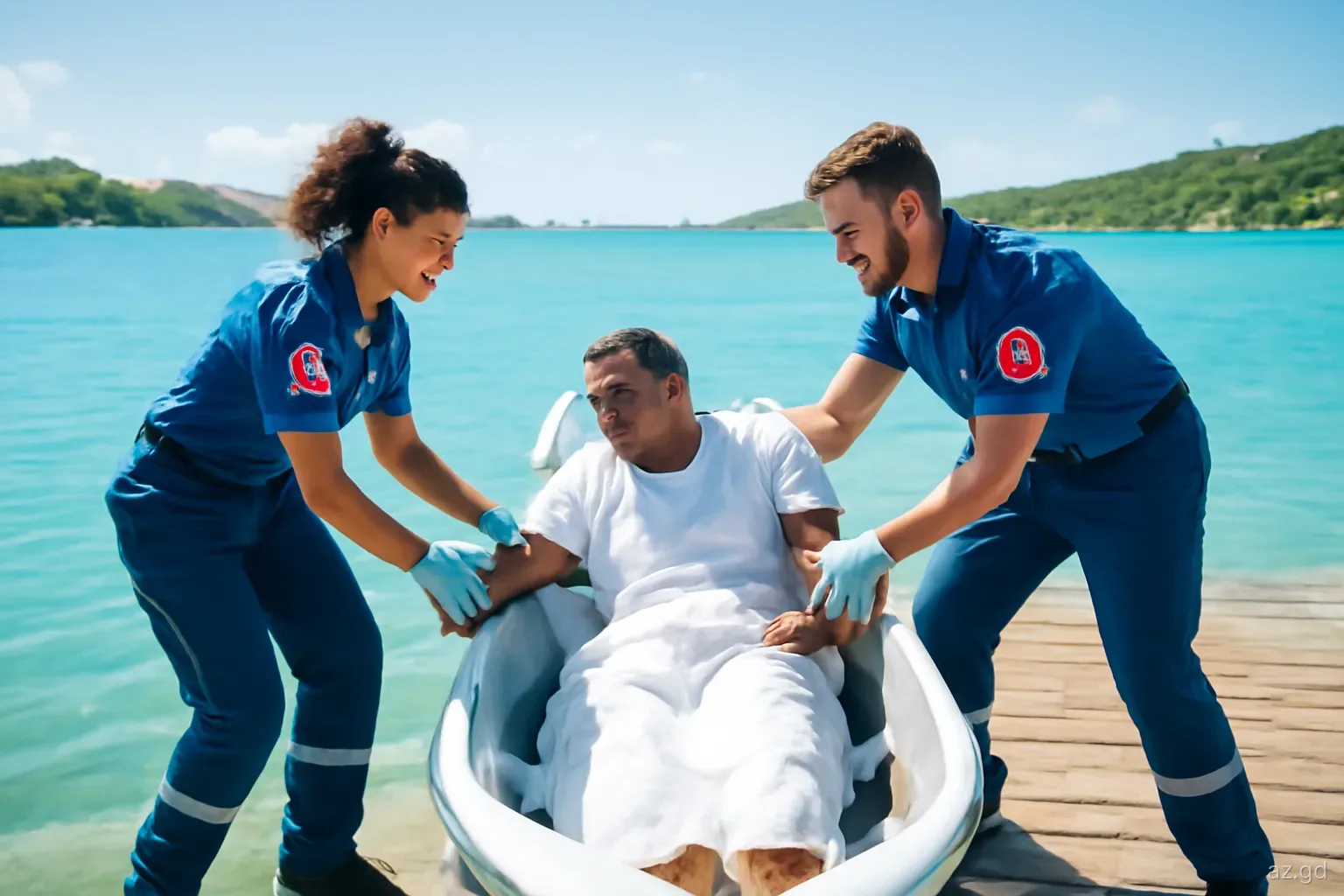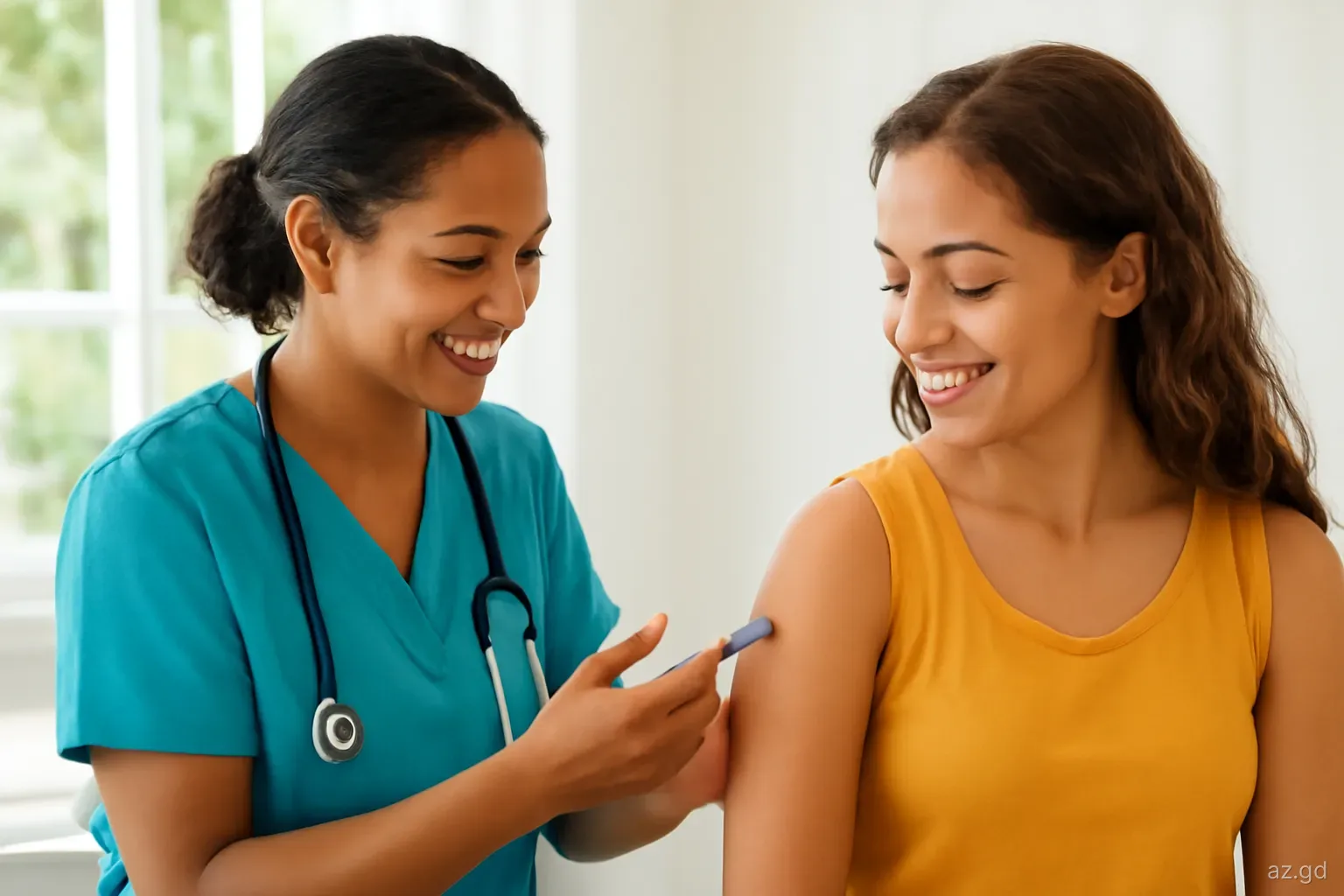
For anything short of an emergency, the first stop in Grenada is either a public health centre or medical station, or a private doctor's surgery. Residents tend to use both: the public network for free or low-cost routine care, and private doctors when they want an appointment this week rather than a place in a morning queue.
Visitors with a fever, an ear infection or a wound that needs checking almost always end up with a private general practitioner, simply because it is faster and easier to arrange. This piece explains how each route works, what you will pay, and how to avoid the usual frustrations.
How the public primary care network works
The Ministry of Health organises primary care into health districts, each overseen by a district medical officer. Every district has a larger health centre and a set of smaller medical stations, around 30 in all across Grenada, Carriacou and Petite Martinique. Medical stations are the first point of contact in villages: nurses run clinics for child health, antenatal care, immunisation, blood pressure and diabetes checks, and a doctor visits on scheduled days.
For citizens and legal residents, consultations at health centres are generally free, though medicines, laboratory tests and other diagnostics may carry a charge. Clinics usually work on a first-come basis in the morning, so people arrive early and expect to wait. Each clinic has its own schedule of doctor days, which is posted locally and known in the community; the quickest way to find out is to ask at the station itself.
Residents often register with the medical station nearest their home, where nurses get to know families over years. The public network is excellent for vaccines, child health and long-term condition monitoring. It is less suited to a visitor who needs to be seen today at a time of their choosing.
Private general practitioners
Private surgeries cluster in St George's, along the Grand Anse and Morne Jaloux corridor, around True Blue and Lance aux Epines, and in Grenville. Smaller towns such as Gouyave and Sauteurs have fewer options, and Carriacou has very few. Many private doctors trained in the Caribbean, the United Kingdom, North America or Cuba, and some also work part-time at the public hospitals.
Most private practices take appointments by phone or messaging and see walk-ins if there is space. Opening hours are typically weekday daytime with a Saturday morning session; evening and Sunday cover is limited, so a problem that starts on Saturday afternoon may mean the hospital casualty department instead. Hotels and villa managers usually know which doctors will see visitors at short notice, and some doctors make visits to hotels and yachts for an extra fee.
What a visit costs
General consultation. A private GP visit commonly falls somewhere around EC$100 to EC$250 (roughly US$37 to US$93). Home or hotel visits cost more. Fees vary by doctor and change over time, so ask when booking.
Specialists. Consultant appointments with a paediatrician, gynaecologist, cardiologist or orthopaedic surgeon cost more than a GP visit, and some specialists hold clinics only on certain days. A GP referral is not always required for private specialists, but it helps the specialist and often speeds things up.
Tests and imaging. Blood tests, X-rays and ultrasound are billed separately by private laboratories and imaging centres. Results for routine bloods often come back the same or next working day.
Payment. Cash in EC dollars is universally accepted; cards are accepted at many but not all surgeries. US dollars are often taken at the fixed rate of EC$2.70 to US$1, but change will come in EC dollars. Always ask for a receipt that lists the diagnosis for insurance claims.
Dentists and opticians
Dental care in Grenada is almost entirely private. Practices in St George's, Grand Anse and Grenville handle check-ups, fillings, extractions, root canals and crowns, and a few offer cosmetic work. Costs for routine work are often lower than in North America or the United Kingdom, but complex treatment may involve sending work to an off-island laboratory, which adds time. For a dental emergency on holiday, a lost filling or a broken tooth, most practices will fit you in within a day or two.
Opticians in St George's and the malls at Grand Anse test eyes and make glasses, though unusual lenses may need to be ordered in. Bring a copy of your prescription if you wear contact lenses, and pack a spare pair of glasses: replacing them locally is possible but can take longer than a short trip allows.
Choosing a regular doctor if you live here
New residents, retirees and families staying for a school year benefit from choosing one private GP early, before anything goes wrong. A doctor who already has your history, medication list and baseline blood pressure can deal with a sudden problem far more quickly, can write repeat prescriptions without a full work-up, and knows which specialists to refer you to on and off the island.
Word of mouth is how most people choose. Neighbours, colleagues, church members and other expatriates are all quick to recommend doctors, and the same few names come up repeatedly in each area. When you register, ask about the practice's arrangements for out-of-hours advice, whether the doctor makes house visits, how long routine test results take and whether the practice keeps records electronically. Ask too whether the doctor has admitting rights at a private hospital, which can matter if you ever need a short admission.
Keep your own copies of results, scans and letters. Records do not follow you automatically between public and private providers, let alone overseas, and a simple folder or phone album of your own documents saves repeat tests later.
Children, pregnancy and routine screening
Families moving to Grenada will find child health well organised in the public system. Medical stations and health centres run regular child health clinics that track growth and deliver the national immunisation schedule, and schools ask for vaccination records at enrolment. Private paediatricians practise in St George's and the south for families who prefer them, and many parents use both.
Antenatal care is offered free to residents at health centres, with deliveries at the public hospitals, while private obstetricians offer care that ends in a delivery at either a public or private facility depending on the case. Routine adult screening such as cervical smears, blood sugar and blood pressure checks is available through both public clinics and private practices. Mammography and more specialised screening are available in Grenada but at fewer locations, so ask your GP where to go and how long the wait is.
Common mistakes and how to avoid them
A few habits make the difference between a smooth visit and a wasted morning:
- Turning up at a medical station expecting a doctor on a non-doctor day. Ask locally which days the doctor attends.
- Leaving a problem until the weekend. Private cover thins out from Saturday afternoon to Monday morning.
- Arriving without your medication list. Doctors here, as anywhere, prescribe more safely when they know what you already take.
- Assuming a foreign prescription will be filled without question. A local doctor may need to rewrite it.
- Forgetting to keep receipts and the doctor's note. Insurers usually want both, and asking for them weeks later is awkward.
- Not asking the price beforehand. It is normal and polite to ask what a consultation or test will cost.
Frequently asked questions
Can a tourist see a doctor in Grenada without an appointment?
Often yes. Many private GPs accept walk-ins when they have space, and hotels can usually arrange a same-day appointment. Calling ahead saves waiting. Outside office hours, the casualty departments at the General Hospital or Princess Alice Hospital are the fallback.
Is primary health care free in Grenada?
For citizens and legal residents, consultations at public health centres and medical stations are generally free, while medicines and some tests may be charged. Visitors should expect to pay, and most visitors use private doctors anyway because appointments are easier to arrange.
How much is a doctor visit in Grenada?
A private GP consultation commonly costs somewhere around EC$100 to EC$250, which is about US$37 to US$93. Specialist appointments, house calls and tests cost extra. Prices vary between practices and change over time, so confirm the fee when booking.
Are there doctors on Carriacou?
Yes, but only a few. Carriacou has public health services, Princess Royal Hospital and a small number of private practitioners. Anyone with a chronic condition should bring enough medication and records, and check current services before a long stay on the island.
Do doctors in Grenada speak English?
Yes. English is the official language and all medical consultations are conducted in English. Some doctors also speak Spanish or other languages, especially those trained abroad, but there is no need to bring an interpreter for English-speaking patients.