Carriacou and Petite Martinique are small, quiet and a long way from a specialist. Carriacou has one hospital, Princess Royal at Belair, plus a network of community health services and a few private practitioners. Petite Martinique has basic primary care. For anything beyond that, patients travel to mainland Grenada by air or sea, and that journey shapes how anyone with a health concern should plan a visit or a move.
Hurricane Beryl made landfall on Carriacou on 1 July 2024 as a Category 4 storm and badly damaged homes, infrastructure and health facilities on both islands. Recovery has been under way since, but services can still differ from what older guides describe. The advice here is built to stay useful whatever the current state of rebuilding: check before you go, and come prepared.
Princess Royal Hospital and community health services
Princess Royal Hospital sits on the hill at Belair, inland from Hillsborough. Before Beryl it was a 40-bed hospital that had recently been retrofitted, offering casualty, inpatient care, maternity and basic diagnostics. The hurricane removed most of the roof and flooded wards, and care was run from a small surviving area and an emergency field hospital while repairs were planned. Visitors should not assume the full pre-storm range of services is available; ask your accommodation or the Ministry of Health about current capacity.
Primary care on Carriacou is delivered through health centres and medical stations under a district medical officer, with nurses running clinics for child health, antenatal care, chronic diseases and immunisation, and doctors attending on scheduled days. A small number of private doctors practise on the island, mostly in or near Hillsborough. Petite Martinique has its own small medical station for routine care and first response, with serious cases transferred to Carriacou or the mainland.
How transfers to the mainland work
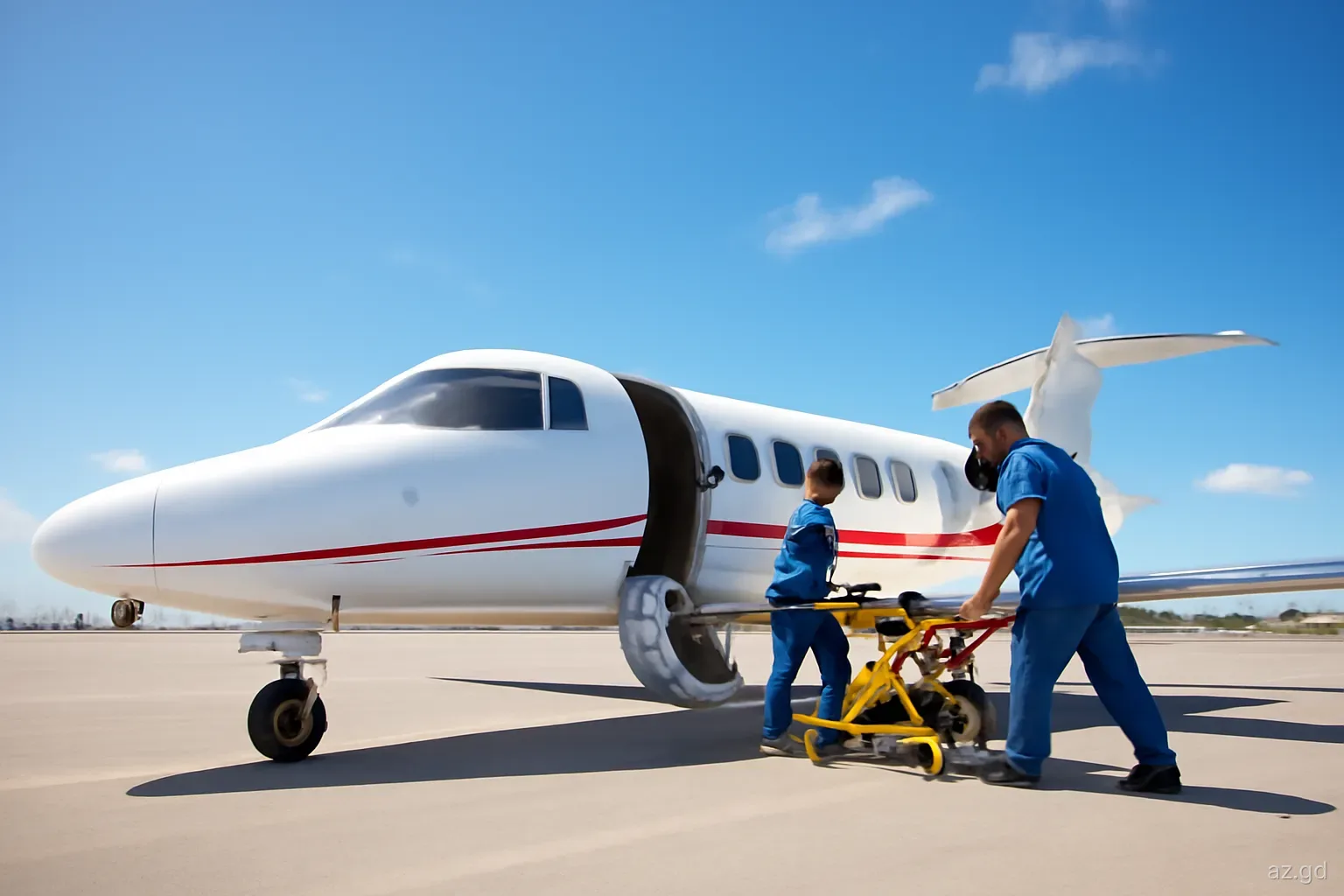
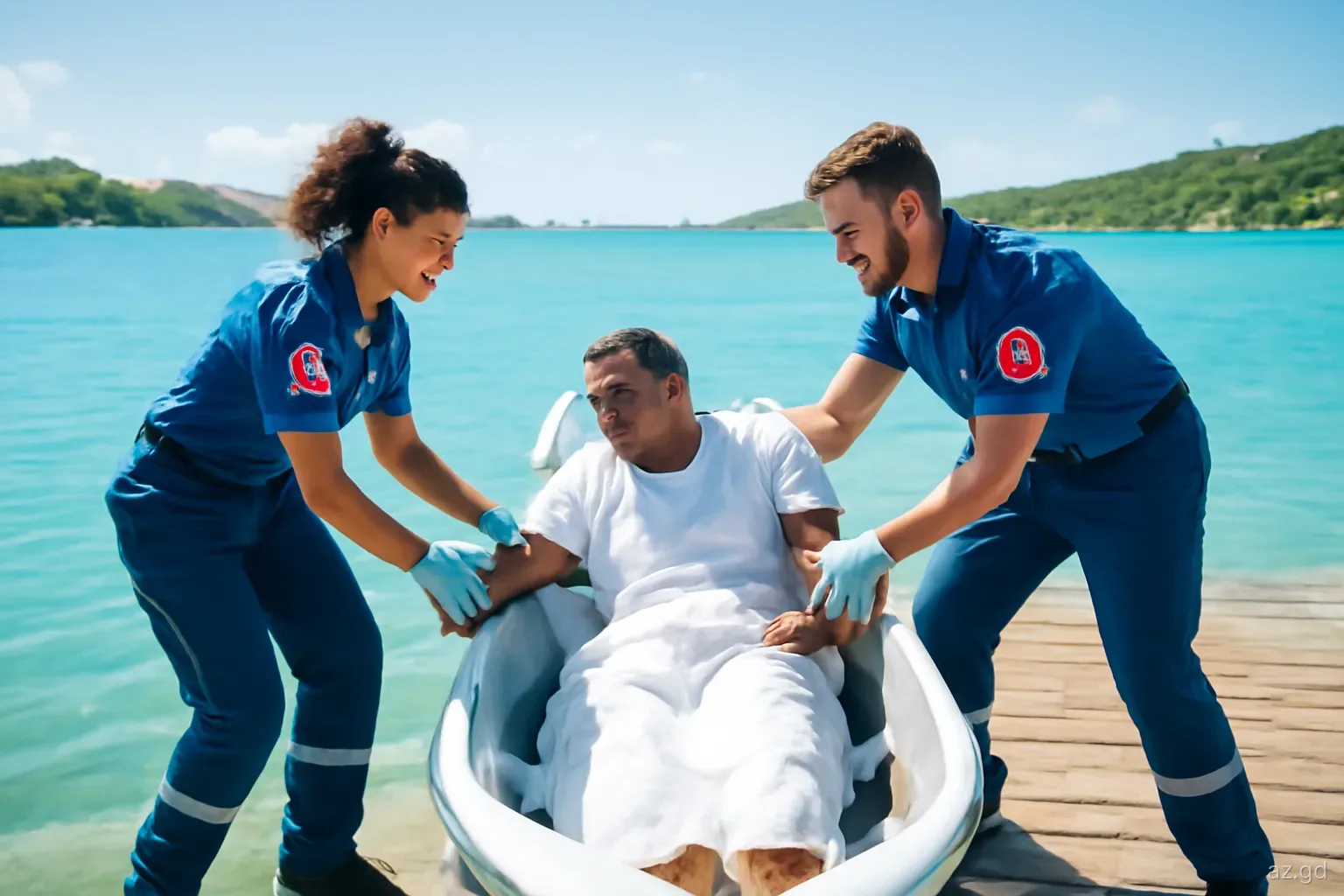
When a patient needs care that the sister islands cannot provide, the doctor arranges transfer to the General Hospital in St George's. There are two routes. By air, Lauriston Airport on Carriacou handles small aircraft, and medical flights to Maurice Bishop International Airport take only around 20 minutes in the air, though arranging an aircraft takes time and depends on daylight and weather. By sea, the crossing from Carriacou (the ferry now uses Tyrrel Bay) to St George's takes a couple of hours on the inter-island ferry, and the Royal Grenada Coast Guard has assisted with urgent transfers.
Rough seas, storms and darkness all slow things down. That is the main reason why people with heart conditions, high-risk pregnancies, brittle diabetes or other conditions that can turn quickly are often advised to stay on the mainland or to plan visits carefully. Pregnant residents of Carriacou and Petite Martinique are commonly advised to arrange to deliver on the mainland if there is any added risk.
From Petite Martinique there is an extra step. The island has no airstrip, so a patient first crosses by boat to Carriacou, a short trip of a few miles that can still be uncomfortable in a heavy swell, before any onward flight or ferry to the mainland. Residents and visitors on Petite Martinique should factor in that additional leg when judging how far they are from hospital care.
Travel insurance with evacuation cover matters even more here than on the mainland, because an inter-island transfer can be followed by an onward evacuation overseas.
Pharmacies, supplies and water
Pharmacies. Carriacou has a small number of pharmacies, mostly in Hillsborough, and stock is limited compared with St George's. Petite Martinique has very little. Bring every medicine you need for the entire stay, plus a margin, in case ferries or flights are disrupted.
Opening hours. Expect shorter hours, little or no Sunday service and closures for public holidays. Plan refills during weekday working hours.
Water. There are no rivers on either island. Households rely on rainwater cisterns, with a desalination plant serving parts of Hillsborough. Boil, filter or buy bottled water, and ask your host how the cistern is maintained.
First aid. Carry a better first-aid kit than you would on the mainland: wound dressings, antiseptic, rehydration salts, antihistamines, pain relief and seasickness tablets for the crossing.
Diving and sailing. Divers and sailors around Sandy Island, the Sisters rocks and the wider Grenadines should know where the nearest care is and how their insurer handles evacuation from remote anchorages.
Preparing for a stay on the sister islands
A little planning makes a stay on Carriacou or Petite Martinique far safer for anyone with health concerns:
- Before booking, ask your doctor at home whether your condition is manageable a sea crossing or short flight away from the main hospital.
- Check the current status of Princess Royal Hospital and health services, especially since post-Beryl rebuilding is ongoing.
- Pack medicines in hand luggage for the whole stay, with a written list of conditions, allergies and doses.
- Save the details of your travel insurer's assistance service and confirm that inter-island transfers are covered.
- Ask your accommodation who they call in a medical emergency and how long it typically takes for help to arrive.
- Note the ferry timetable and flight options back to the mainland, and keep some flexibility in your plans.
- In any emergency, call 911 first, then follow the advice of local health staff about transfer.
Routine care for residents of the sister islands
People who live on Carriacou or Petite Martinique, whether born there, returning from abroad or retiring to the islands, quickly learn to plan routine health care around trips to the mainland. Specialist consultations, most imaging beyond basic X-rays, many laboratory tests, dental work beyond the basics and optician appointments usually mean a day or two in St George's. Residents often group several appointments into one visit and travel on the early ferry or a morning flight.
This makes good record-keeping especially important. Keep your own copies of test results and letters, ask mainland doctors to send reports to your local doctor, and set reminders for repeat prescriptions well before the medicine runs out. Older residents and people with chronic illnesses benefit from having a named contact on the mainland, a relative or friend who can collect prescriptions or provide a place to stay before an early appointment.
Community ties do a lot of work here. Neighbours check on elderly residents, church groups help during illness, and in an emergency, people with boats and vehicles often help with transport. New arrivals who make those connections early are better placed when something goes wrong.
Common mistakes on small islands
The commonest error is assuming that a small island means small risks. Carriacou's roads are quiet, but they are steep, narrow and unlit at night, and scooter and road accidents are a regular cause of injury. A fall on rocks while snorkelling at Anse La Roche or hiking to the High North peak can be far more serious when the nearest operating theatre is on another island.
A second mistake is relying on buying medicine on arrival. Even common items run out, and a delayed ferry or bad weather can stretch a three-day supply into a crisis. A third is ignoring the sun: Carriacou is drier than the mainland, natural shade on many beaches is limited, and the heat on beaches such as Paradise Beach is intense by late morning.
Finally, people sometimes underestimate the crossing itself. The channel between Grenada and Carriacou can be rough, and seasickness is a real problem for some passengers, especially for elderly travellers or anyone already unwell. Take seasickness tablets before boarding, not after the boat starts rolling.
Frequently asked questions
Is there a hospital on Carriacou?
Yes. Princess Royal Hospital at Belair is the hospital for Carriacou and Petite Martinique. It was badly damaged by Hurricane Beryl in July 2024, and rebuilding has been ongoing, so check its current capacity before travelling if you have a medical condition.
How are emergencies on Carriacou handled?
Call 911. Patients are stabilised at Princess Royal Hospital or a health centre, and those needing more advanced care are transferred to the General Hospital in St George's by air or sea. Weather, daylight and aircraft availability affect how quickly transfers can happen.
Is there a pharmacy on Carriacou?
Yes, Carriacou has a small number of pharmacies, mainly in Hillsborough, but stock and opening hours are more limited than on the mainland. Petite Martinique has very little. Bring all the medicine you need for your stay plus extra in case of transport disruption.
Can you drink the water on Carriacou?
Most water on Carriacou comes from rainwater cisterns, with desalinated water supplying parts of Hillsborough. Water quality depends on how cisterns are maintained. Boil or filter cistern water, or drink bottled water, unless your host confirms the supply is treated.
Is Carriacou suitable for people with medical conditions?
Many people with stable conditions visit without problems, but anyone whose condition could change suddenly should discuss the trip with their doctor first. Specialist care is only available on the mainland or overseas, so evacuation cover and a full supply of medicines are essential.
How long does a medical transfer from Carriacou take?
A medical flight from Lauriston Airport to the mainland takes around 20 minutes in the air, but organising an aircraft takes longer. A sea crossing to St George's takes a couple of hours. Bad weather and darkness can add significant delays, which is why planning ahead matters.