Most health problems visitors have in Grenada happen in the first few days and are completely avoidable: sunburn from a first afternoon on Grand Anse, dehydration from a hike in the heat, an upset stomach, and a rum punch that turned out stronger than expected. None of these needs a hospital if you see them coming.
Grenada sits about 12 degrees north of the equator. The sun is high all year, the humidity is constant, and the body needs a few days to adjust. This checklist-style guide covers the questions people ask most in their first week, starting with the one that comes up first: can you drink the water?
Can you drink the tap water?
On mainland Grenada, piped water is supplied by NAWASA, the National Water and Sewerage Authority, and it is treated, filtered and chlorinated. NAWASA and the Ministry of Health describe the public supply as safe to drink, and many residents drink it. Quality at the tap still depends on the condition of local pipes and the storage tanks in a building, and after very heavy rain the water can turn cloudy for a while. Many hotels and villas filter their water or provide bottled water, and many visitors prefer bottled water during the first days while their stomach adjusts.
Carriacou and Petite Martinique are different. There are no rivers to draw from, so households and guesthouses rely mainly on rainwater collected from roofs into cisterns, with a desalination plant supplying parts of Hillsborough. Supplies were strained after Hurricane Beryl in 2024. On the sister islands, treat cistern water as safe only if it is filtered or boiled, or follow your host's advice, and drink bottled water if in doubt.
Ice in established restaurants and bars is generally made from treated or filtered water. If water has been cloudy or interrupted after a storm, boil it for a minute before drinking until the supply is confirmed safe.
Sun and heat: the real risk
The UV is extreme. The UV index in Grenada regularly reaches 11 or higher around midday, which is classed as extreme. Fair skin can burn in 15 minutes, even on cloudy days, and the sea breeze hides the heat.
Time your exposure. Plan beach time and outdoor activities for the morning and after about 3pm. From late morning to mid-afternoon, use shade: almond trees, umbrellas and beach bars rather than open sand.
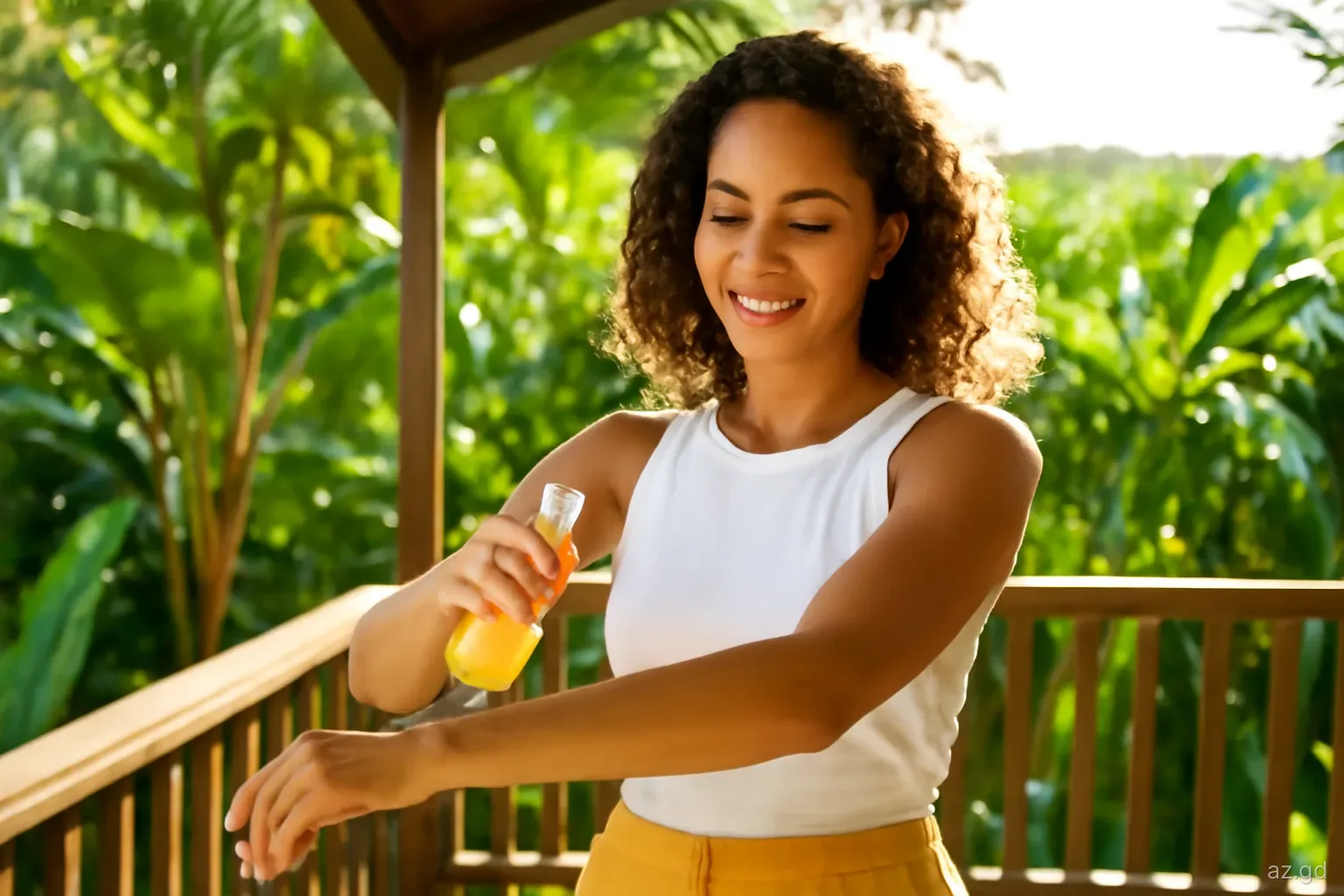
Sunscreen properly. Use a broad-spectrum, water-resistant sunscreen of SPF 30 or higher, apply generously 15 to 20 minutes before going out, and reapply after every swim. A rash vest or swim shirt is easier than reapplying for snorkellers, whose backs burn first.
Hydrate before you are thirsty. In Grenada's heat and humidity, adults can lose a lot of fluid through sweat on a hike or a long walk. Drink water regularly, add oral rehydration salts on hot active days, and remember that alcohol and strong coffee add to fluid loss.
Know the signs. Headache, dizziness, nausea, cramps and heavy sweating suggest heat exhaustion: move to shade, cool down and drink. Confusion, hot dry skin or collapse may be heatstroke, which is an emergency; call 911 and cool the person while waiting.
Food: what to enjoy and what to watch
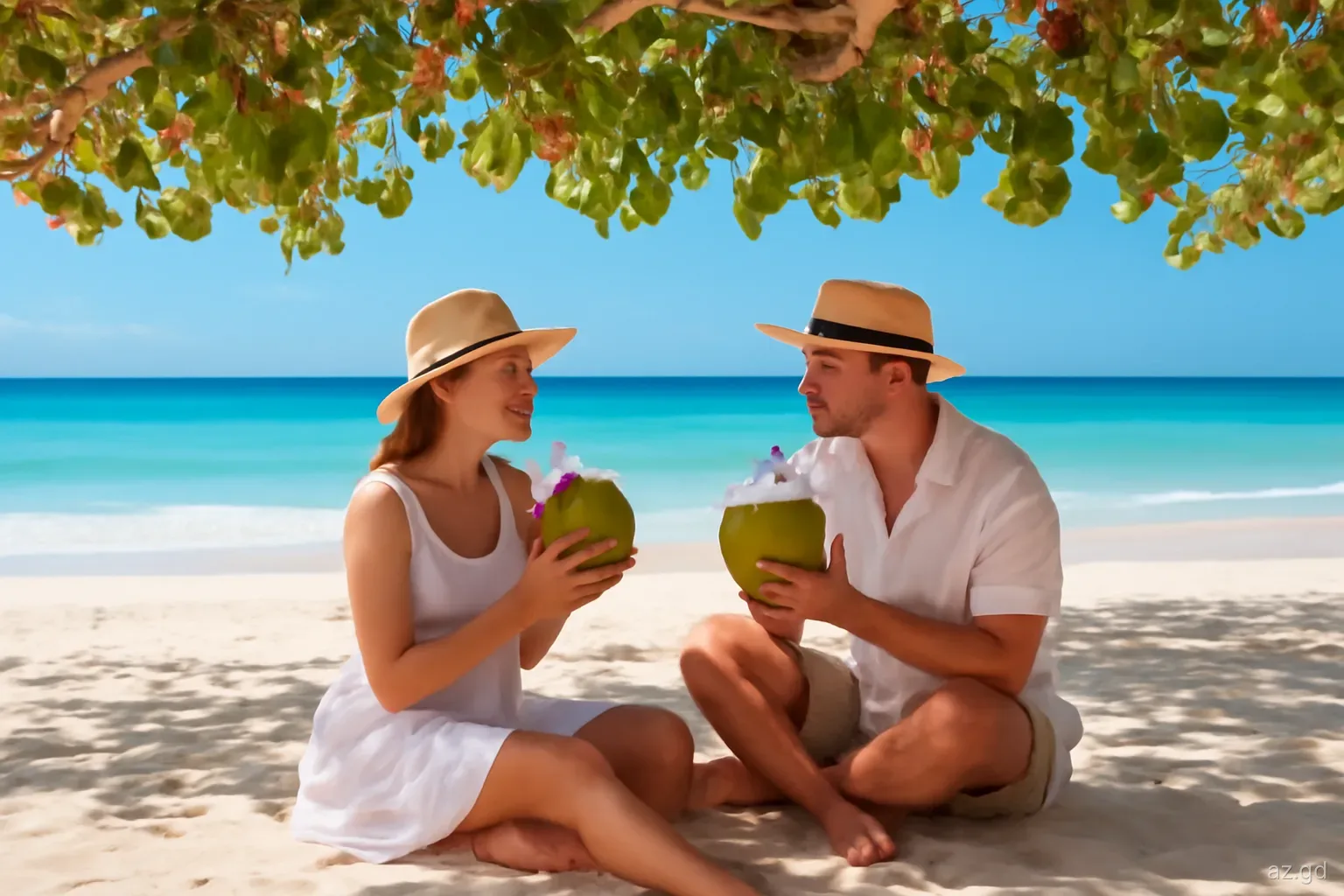
Grenadian food is generally safe and fresh. Street food is part of daily life, from roti and bakes to fish cakes, corn soup and barbecue at the Friday night fish fry in Gouyave. Busy stalls with high turnover, food cooked in front of you and served hot are good choices everywhere. Fruit you peel yourself, such as bananas, mangoes and golden apples, is low-risk. Fresh coconut water, cut in front of you from green coconuts sold from trucks along the roads, is safe and an excellent way to rehydrate.
Take a little more care with salads and cut fruit that has been sitting in the heat, mayonnaise-based dishes in the sun and anything lukewarm. Wash your hands or use sanitiser before eating, especially after handling money and snorkel gear.
Ciguatera fish poisoning is caused by toxins that build up in some large reef fish, particularly predators such as barracuda. Restaurants generally avoid selling high-risk species, and many fishermen will not sell large barracuda for eating. If you are offered fish by a fisherman, ask what it is and follow local advice. Symptoms include stomach upset and tingling or a strange reversal of hot and cold sensations; see a doctor if they occur after a fish meal.
Rum, travellers' diarrhoea and other first-week traps
A handful of situations account for most of the minor visits to doctors and pharmacies by people new to Grenada:
- Rum strength. Rum punch is often made with strong local rum, and the overproof white rums from local distilleries are much stronger than standard spirits. Pace yourself, alternate with water, and never swim, drive or dive after drinking.
- Upset stomach. Mild diarrhoea usually settles in a day or two. Drink plenty of fluids with oral rehydration salts. See a doctor for blood in the stools, high fever, signs of dehydration, or symptoms lasting more than a few days.
- Coral cuts and grazes. Scrub them clean with fresh water and soap and use antiseptic, because they infect easily in the heat.
- Jet lag plus heat. Arrival day is not the day for a long hike up to the Seven Sisters falls. Give yourself 24 hours to adjust.
- Shoes. Wear sandals on beaches and in shallow water to avoid cuts, sea urchin spines and hot sand burns.
A simple first-week health routine
Most of the advice above comes down to a daily routine that takes a few minutes and prevents nearly all the common problems newcomers face:
- Start the day with a large glass of water, and carry a refillable bottle everywhere, including on short trips into St George's.
- Put on sunscreen before leaving the room, and repellent on top of it, rather than waiting until you are already on the beach.
- Do active things early: hikes, walks around the Carenage, market visits and snorkelling are all better before 10am.
- Spend the hottest part of the day in shade, in the water with a swim shirt on, or indoors.
- Eat regular meals; skipping lunch on a hot day and then drinking rum punch at sunset is a common recipe for feeling unwell.
- Check your skin each evening for sunburn, bites, scratches or coral cuts, and clean anything that needs it.
- Keep rehydration salts, a basic first-aid kit and a list of nearby doctors and pharmacies in your room.
The manchineel tree
One hazard on Grenada's beaches deserves its own warning. The manchineel tree grows along the shoreline on many Caribbean beaches, including in Grenada and Carriacou. It looks harmless: a spreading tree with shiny green leaves and small green fruit that resemble little apples. Every part of it is poisonous. The fruit can cause severe burning and swelling of the mouth and throat if eaten, and the milky sap blisters skin and can damage eyes.
Never eat fallen fruit from beach trees unless someone local confirms what it is. Do not shelter under a manchineel in the rain, because rainwater carrying sap can burn skin. Do not touch the leaves or use the branches for firewood, as the smoke is also harmful. Some trees are marked with a painted red band or warning, but many are not, so learn to recognise the tree. If sap gets on your skin, wash it off thoroughly with plenty of water; if it reaches your eyes, rinse and see a doctor.
Frequently asked questions
Is the tap water safe to drink in Grenada?
On the mainland, NAWASA treats and chlorinates the public supply and the authorities describe it as safe to drink. Quality can vary with local pipes, storage tanks and heavy rain, so many visitors use bottled or filtered water at first. On Carriacou and Petite Martinique, boil or filter cistern water.
How strong is the sun in Grenada?
Very strong. The UV index often reaches extreme levels around midday all year because Grenada is close to the equator. Use SPF 30 or higher, reapply after swimming, cover up and avoid direct sun from late morning to mid-afternoon, especially in the first few days.
Is street food safe in Grenada?
Street food is widely eaten and generally safe, especially from busy stalls where food is cooked fresh and served hot. Fish fries, roti shops and roadside coconut sellers are part of local life. Avoid food that has been sitting lukewarm in the sun and wash your hands before eating.
Are there poisonous trees on Grenada beaches?
Yes, the manchineel tree grows on some beaches. Its small green apple-like fruit and its sap are poisonous. Do not eat unknown fruit, do not shelter under the tree in rain and avoid touching it. Some trees are marked with red paint, but not all.
What should you do about heat exhaustion in Grenada?
Move to shade, loosen clothing, cool the skin with water and drink fluids, ideally with rehydration salts. Most people recover within an hour. If the person becomes confused, stops sweating or collapses, treat it as possible heatstroke and call 911.