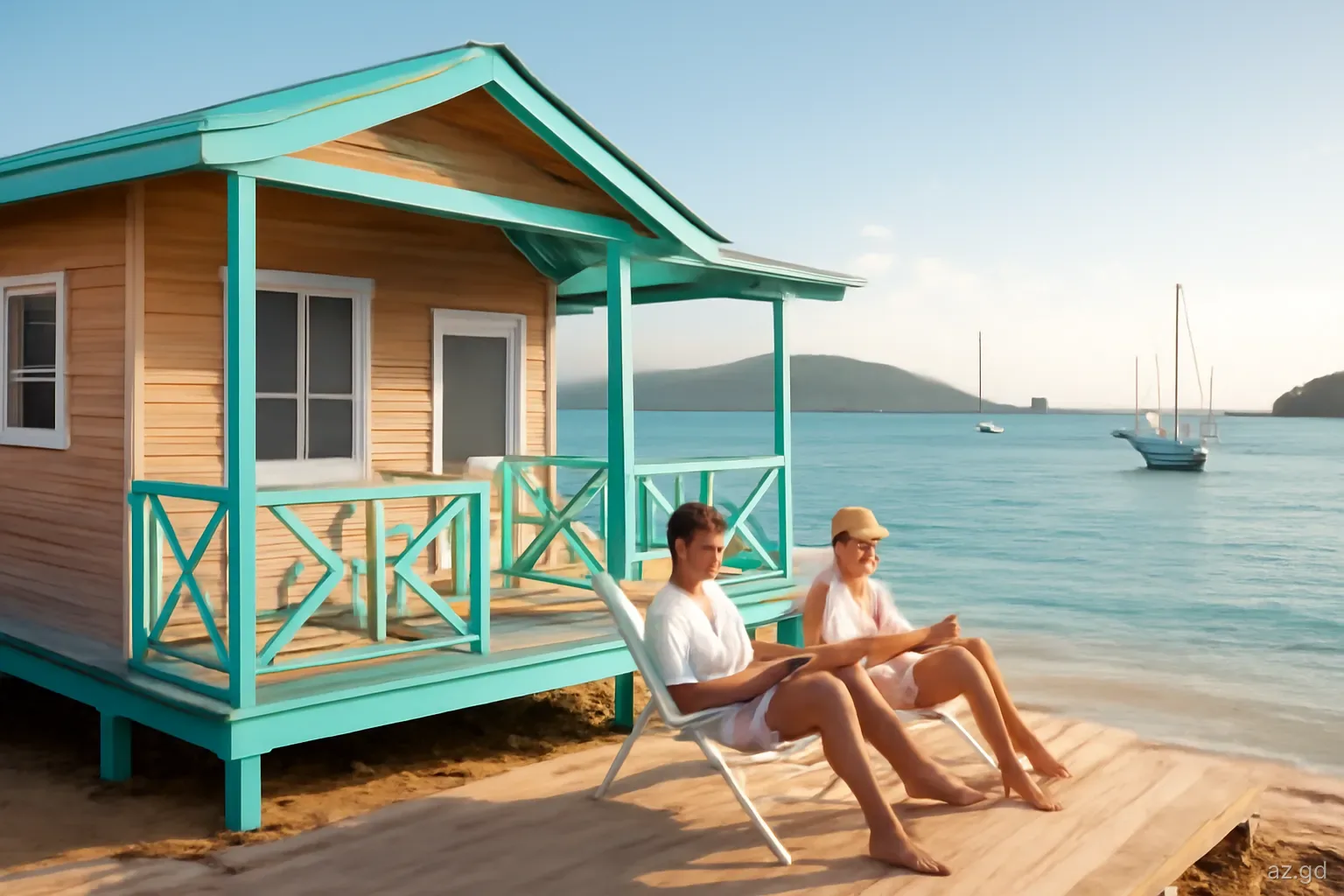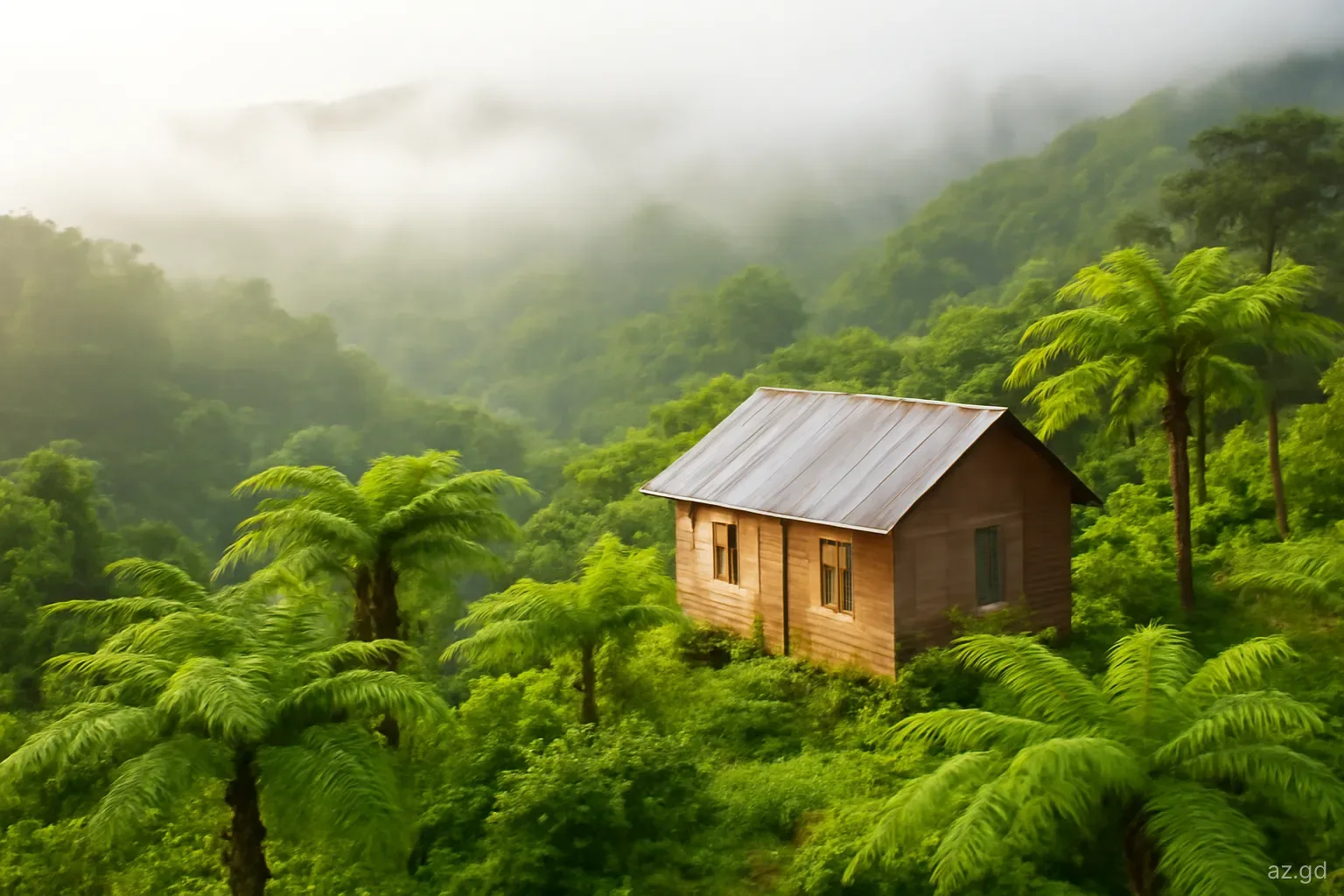
Ask where to stay in Grenada and the answer is almost always Grand Anse. Yet most of what makes the island distinctive lies outside the south-west: the rainforest around Grand Etang, the cocoa and nutmeg estates of St Andrew and St Patrick, the fishing towns of the leeward coast and the wild Atlantic beaches of the north-east. Day-trippers see these places in a rush between hotel and cruise ship. Staying a few nights changes the experience.
The trade-offs are real: fewer places to stay, simpler facilities, longer drives and very quiet evenings. This guide looks at each region as a base, what is within reach, what to expect from accommodation and transport, and how to fit a rural stay into a wider trip.
Why split a stay at all
Grenada's roads make distance deceptive. From Grand Anse, Sauteurs in the far north is typically well over an hour each way on winding roads, whether you go via the west coast through Gouyave and Victoria or across the island. A day trip to Levera, Bathway Beach and Belmont Estate therefore means spending a large part of the day in a vehicle and leaving before sunset to avoid driving the hills in the dark.
Spending two or three nights in the north or east turns those long round trips into short hops. Early mornings, when the forest is cool and birds are active, become accessible for hikes. Evening fish nights in Gouyave stop being a logistical problem. And you see daily life in towns where tourism is a small part of the economy, which is how most Grenadians actually live. A common pattern for a ten- to fourteen-night trip is a few nights in the north or east, followed by the rest in the south-west close to the airport.
Region by region: what each base offers
Grand Etang and the interior. The forest reserve and crater lake in the mountains of St Andrew and St George sit at around 530 metres, noticeably cooler and wetter than the coast. Trails to waterfalls and Mount Qua Qua start nearby. Accommodation in the interior is very limited, so most people stay on the edge of the forest or within easy driving distance. Bring a light jacket and expect rain at almost any time.
Grenville and St Andrew. Grenada's largest parish has its main town on the Atlantic coast. Grenville's market, bus connections and services make it a practical base for the east: the Pearls area, river walks and the estates are all close. Places to stay are mainly small guesthouses with simple facilities.
Sauteurs and St Patrick. The northernmost parish combines Leapers' Hill in Sauteurs, the River Antoine distillery, Lake Antoine, Belmont Estate, Bathway Beach and Levera National Park. Petite Anse is one of the better-known small hotels in the area; other options are villas and guesthouses scattered along the coast.
Gouyave, Victoria and the leeward coast. St John and St Mark are Grenada's smallest and quietest parishes. Gouyave has the nutmeg processing station and Friday fish night, Victoria sits below Mount St Catherine, and Concord Falls is inland from the coast road. Rooms here are scarce, so book early.
St David. The south-east parish is the compromise: rural and green, but within about half an hour of the airport and Grand Anse. Villas and a few resorts line the bays from Westerhall to La Sagesse.
Accommodation outside the south-west: what to expect
Outside St George and St David parishes, places to stay tend to be small: family guesthouses, cottages, a handful of small hotels and privately owned villas. Facilities are simpler than in Grand Anse. Air conditioning may be limited to bedrooms or replaced by fans, hot water may be solar, and Wi-Fi speeds vary. Restaurants are fewer and may close early or open only on certain days, so many guesthouses offer dinner on request and it is worth asking in advance.
Booking is also less straightforward. Some properties are not on the big booking sites and respond to email, sometimes slowly. Confirm the exact location, because addresses in rural Grenada are often given by village name rather than street, and ask for directions that a driver will understand. Card payment is not universal; bring enough EC dollar cash, as ATMs are concentrated in Grenville, Sauteurs and Gouyave and may occasionally be out of service.
Transport when you stay in the countryside
Getting around is the deciding factor for a rural stay. These are the realistic options:
- Hire car. The most flexible choice. Roads are narrow, steep and winding, driving is on the left, and a local driving permit is required. A vehicle with good ground clearance helps on some estate and village roads.
- Route buses. Minibuses connect St George's with Grenville, Sauteurs, Gouyave and Victoria from the Bus Terminus. They are cheap and frequent by day but sparse in the evening and on Sundays.
- Taxis and private drivers. Useful for transfers and day excursions. Agree the fare before setting off; arranging a driver through your accommodation is common.
- Airport transfer times. Allow well over an hour from the north and around an hour from Grenville, more in traffic or heavy rain, and do not plan to drive mountain roads in the dark straight after an evening arrival.
Fitting a rural stay into a longer trip
The simplest structure is to start in the countryside and finish near the airport. Most international flights arrive in the afternoon or evening, so the first night is often best spent in the south-west, followed by a drive north the next morning in daylight. Two or three nights around Sauteurs or the north-east coast cover Levera, Bathway, Belmont Estate, River Antoine and Lake Antoine without rushing. A night or two near Grenville or the edge of Grand Etang then puts the rainforest trails and waterfalls within easy reach early in the day.
Ending the trip with several nights in Grand Anse, Morne Rouge or Lance aux Epines leaves time for the beach and removes the risk of a long drive on departure day. If you are not hiring a car for the whole trip, it is common to arrange a private driver for the transfers between bases and for one or two excursion days, which can work out cheaper than several days of car hire plus fuel. Whatever the plan, confirm the driver's pick-up time the evening before, since rural roads and phone signal can both be unpredictable. Visitors short on time can still get a flavour of rural Grenada with a single night in Gouyave on a Friday, timed for the weekly fish night.
What to check before booking a rural stay
Rain is the first consideration. The interior and the windward side receive far more rain than the south-west, and in the wet season, roughly June to December, landslips and flooding occasionally close roads for hours. Ask the property how access holds up after heavy rain and keep plans flexible. The Atlantic coast also brings rougher seas: beaches such as Bathway have a protective reef in parts, but many east-coast bays are unsuitable for weak swimmers.
Second, food and supplies. Shops in villages stock basics, and larger towns have supermarkets, but variety is limited, so arriving with a few essentials makes sense if self-catering. Third, connectivity: if you need to work, ask about the internet connection and mobile coverage, since some valleys have weak signal. Finally, make sure someone knows your plans if hiking. Trails in the interior can be muddy and poorly marked, and the Grenada Forestry Department and licensed local guides are the best sources of current trail conditions.
Frequently asked questions
Is it worth staying on the east coast of Grenada?
For visitors interested in estates, rivers, rural life and dramatic Atlantic scenery, yes, for two or three nights. It is less suited to beach holidays focused on calm swimming, and accommodation is simple and limited. Most people combine an east or north stay with a longer base in the south-west.
How long does it take to drive from Grand Anse to Sauteurs?
Usually well over an hour each way, depending on the route, traffic and weather. The west coast road through Gouyave and Victoria and the routes across the island are all winding. Allow extra time in heavy rain and avoid starting mountain drives late in the day if you are unfamiliar with the roads.
Can you stay near Grand Etang rainforest?
Options inside the forest reserve itself are very limited, so most visitors stay in villages on its edges or within easy driving distance and arrive early for hikes. Expect cooler temperatures and frequent rain at altitude. Check current trail conditions with the Forestry Department or a licensed guide before setting out.
Are there buses to the north of Grenada?
Yes. Route minibuses run from the Bus Terminus in St George's to Gouyave, Victoria and Sauteurs along the west coast, and to Grenville on the east. They are inexpensive and frequent during the day, but services become sparse after early evening and on Sundays, which limits evening plans.
Which parish in Grenada is quietest to stay in?
St John and St Mark on the leeward coast are the smallest and quietest parishes, with Gouyave and Victoria as their towns, followed by rural St Patrick in the north. They have very little tourist accommodation, so availability is the main constraint. St David offers a quiet setting closer to the airport.