Grenada does not require visitors to show health insurance on arrival, but going without it is one of the costliest risks a traveller can take here. Treatment for straightforward problems is affordable, but anything that needs care beyond what the islands can provide means an air ambulance to Barbados, Trinidad or the United States, and that bill can easily reach tens of thousands of US dollars.
The right policy is not just about hospital costs. It is about who organises and pays for getting you to the right hospital when Grenada's are not enough. This explainer covers what to look for, the special cases of divers, sailors and older travellers, and how residents approach cover.
Why evacuation is the key risk
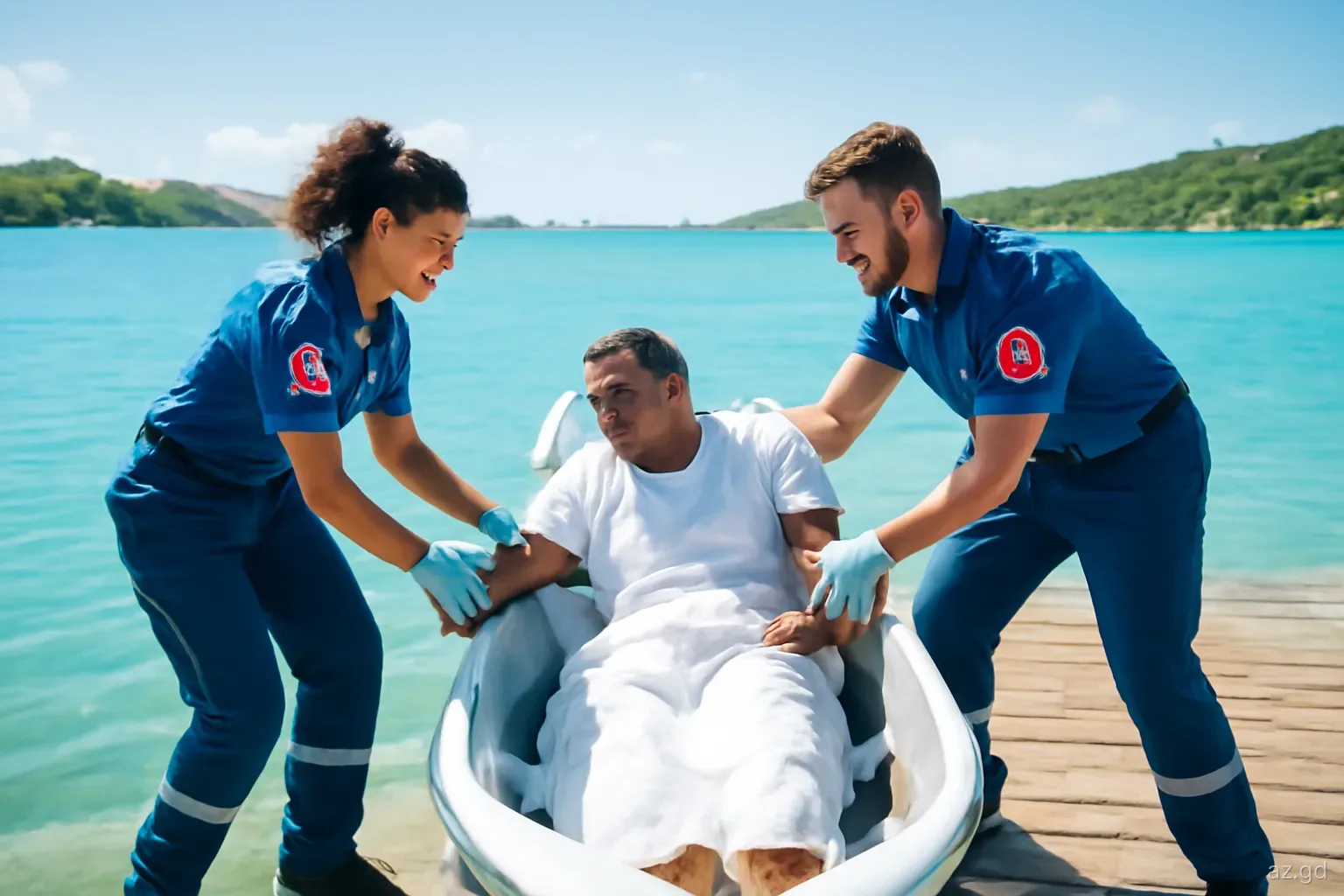
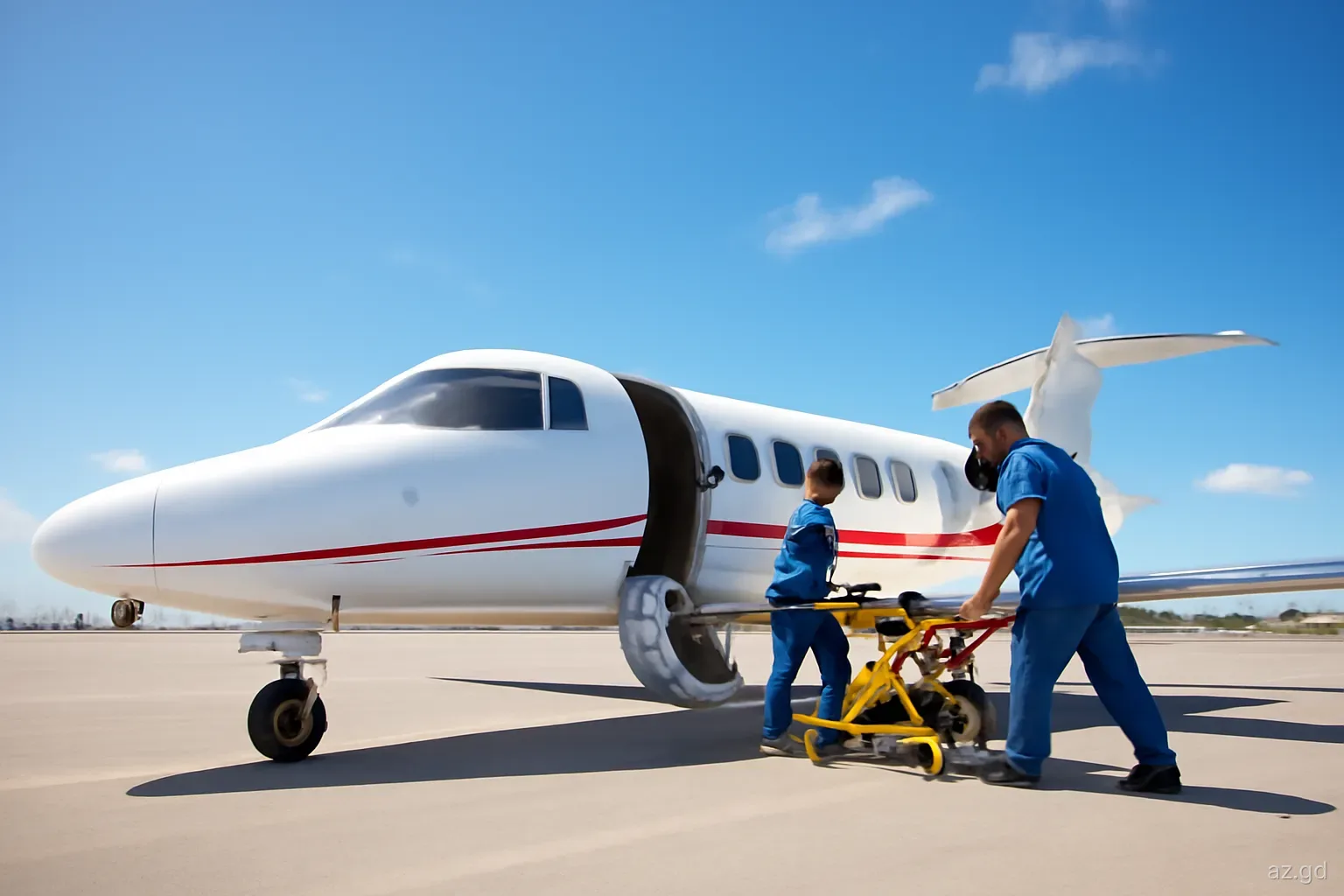
The General Hospital in St George's handles a wide range of emergencies, and many visitors who need care are treated and discharged locally. The issue is the minority of cases that need a specialist service, such as certain heart procedures, neurosurgery, major burns or prolonged intensive care. When that happens, the doctor recommends transfer, and a medically equipped aircraft with a doctor or nurse on board has to be arranged.
Air ambulances serving the Eastern Caribbean are usually based off-island, so the aircraft may need to fly in before it can fly you out. A good insurer's assistance team arranges this, guarantees payment to the operator and finds a receiving hospital that will accept you. Without that guarantee, operators commonly want payment or a firm commitment before take-off, which is not something a family wants to negotiate at midnight.
Evacuation can also be needed for reasons that are not about the patient alone: storms, airport closures or a hospital temporarily losing capacity, as happened on Carriacou after Hurricane Beryl in 2024.
What a good policy for Grenada should include
When comparing policies, read the schedule rather than the headline. Look for:
- Emergency medical treatment with a high limit; many advisers suggest at least US$1 million for travel in the Caribbean.
- Emergency medical evacuation and repatriation, with no requirement that you pay first and claim later.
- A 24-hour assistance service you can contact from Grenada, ideally by messaging app as well as by phone.
- Cover for your declared pre-existing conditions, written into the policy rather than assumed.
- Your actual activities: scuba diving to your certified depth, sailing, hiking in Grand Etang or hiring a scooter.
- Cover for travel to Carriacou and Petite Martinique, including inter-island transfers.
- Trip interruption if a hurricane or medical emergency forces you to cut the stay short.
Special cases
Scuba divers. Standard travel policies often exclude diving or cap the depth. Divers should have specialist dive cover that includes decompression treatment and transfer to a hyperbaric chamber, and should carry their diving insurer's emergency details on the boat.
Yacht crews. Sailors spending hurricane season in Grenada's marinas and boatyards often stay months at a time. Check that your policy covers long stays, care while living aboard, and evacuation from a boat at anchor, not just from a hotel.
Older travellers. Premiums rise with age and some policies set upper age limits. Declaring heart conditions, diabetes or recent surgery is essential, because an undeclared condition is the most common reason claims are refused.
Families with babies. Check that infants are named on the policy and that evacuation covers a parent travelling with a sick child. Paediatric intensive care in the region is limited, so the evacuation benefit matters even more for young children than for adults.
Pregnant travellers. Many policies stop covering pregnancy-related care after a set number of weeks, and airlines have their own limits. Late in pregnancy, confirm both before booking, and know that complicated deliveries may need specialist neonatal care that is not available on the islands.
Students. St George's University students usually have insurance requirements set by the university. Check what that plan covers off campus and on trips to other islands.
Single-trip, annual or expatriate plans
A single-trip policy suits most holidaymakers coming for a week or two. Frequent visitors, such as diaspora families who come home for Christmas, Carnival in August and a funeral or wedding in between, often find an annual multi-trip policy cheaper, but check the maximum length of each trip: many annual plans cap individual trips at 30, 45 or 60 days.
Remote workers, retirees testing Grenada for a winter and sailors waiting out hurricane season fall between categories. Standard travel policies are designed for short absences from a home country and may not suit someone who has effectively moved. An expatriate or international health plan, bought for a year at a time, is designed for that situation and usually includes routine care as well as emergencies.
Whichever type you choose, buy it as soon as you book. Cancellation cover only protects you from the date of purchase, and a diagnosis between booking and departure can make a condition harder to insure.
Cover for residents and long stays
Citizens and legal residents can use the public health system, where primary care is largely free and hospital care is subsidised. Even so, many residents, expatriates and returning nationals hold private health insurance, either through an employer's group plan with a local or regional insurer or through an international policy. The main reasons are faster access to private doctors, a private room, and above all, overseas treatment and evacuation, which the public system does not fund as a routine benefit.
Grenada has discussed a national health insurance scheme for many years. Check with the Ministry of Health on its current status rather than relying on older reports. For people retiring to Grenada, an international health plan that includes treatment in the United States or the United Kingdom is the usual choice, and it is easier to buy before moving than after a diagnosis.
Why claims get refused
Undeclared conditions. If a heart, lung or diabetic problem flares up and was not declared when the policy was bought, the insurer may refuse the whole claim, including evacuation. Declare everything, even if it adds to the premium.
Alcohol and risky behaviour. Most policies exclude injuries linked to heavy drinking or illegal drugs. A fall after a rum-shop evening or a scooter accident without a helmet can fall outside cover.
Unlicensed driving. Driving in Grenada requires a local permit, which car hire firms help visitors obtain. Driving without one, or riding a motorbike without the right licence, can void cover for any resulting injury.
Activities not listed. Diving beyond your certified depth, cliff jumping at waterfalls or sailing outside the policy's limits are common exclusions. Check the activity list before booking excursions.
Not calling the insurer first. Arranging your own evacuation or private admission without speaking to the assistance team can leave you paying the difference. A quick call before major decisions protects the claim.
If you need to make a claim
Insurers handle Caribbean claims every day, but they still want things done in order. Whoever is with the patient, a partner, friend or hotel manager, can do most of this on their behalf:
- Contact the insurer's assistance line as soon as you are admitted or referred, before agreeing to an evacuation if at all possible.
- Ask the doctor or hospital for a written medical report in English, with the diagnosis and treatment.
- Keep every receipt: consultations, pharmacy, tests, taxis to the hospital and any extra accommodation.
- If you are a victim of crime or an accident on the road, get a police report from the Royal Grenada Police Force, because insurers often require one.
- Photograph everything and send copies as you go rather than waiting until you are home.
Frequently asked questions
Is travel insurance mandatory for Grenada?
Grenada does not currently require visitors to show health insurance on arrival. Entry rules can change, so check before travel. Even without a legal requirement, insurance that covers medical treatment and evacuation is strongly recommended because serious cases may need transfer off the island.
How much does a medical evacuation from Grenada cost?
Costs depend on the aircraft, the medical team and the destination, but an air ambulance from the Eastern Caribbean to Barbados, Trinidad or the United States can easily run into tens of thousands of US dollars. Good travel insurance covers this in full.
Where are patients from Grenada usually evacuated to?
Common destinations are Barbados, Trinidad and Tobago and the United States, particularly South Florida. The choice depends on the treatment needed, bed availability and what the insurer and receiving hospital agree. The decision is made by doctors and the assistance company together.
Does home health insurance work in Grenada?
Some international and employer plans cover care abroad, but many domestic plans, including Medicare in the United States and the NHS in the United Kingdom, do not pay for treatment in Grenada. Check your policy wording and buy travel cover if there is any doubt.
Do divers need special insurance in Grenada?
Divers should check that their policy covers scuba diving to their certified depth, decompression illness and transfer to a hyperbaric chamber. Many general policies exclude or limit diving, so specialist dive insurance is a common addition for divers visiting Grenada.