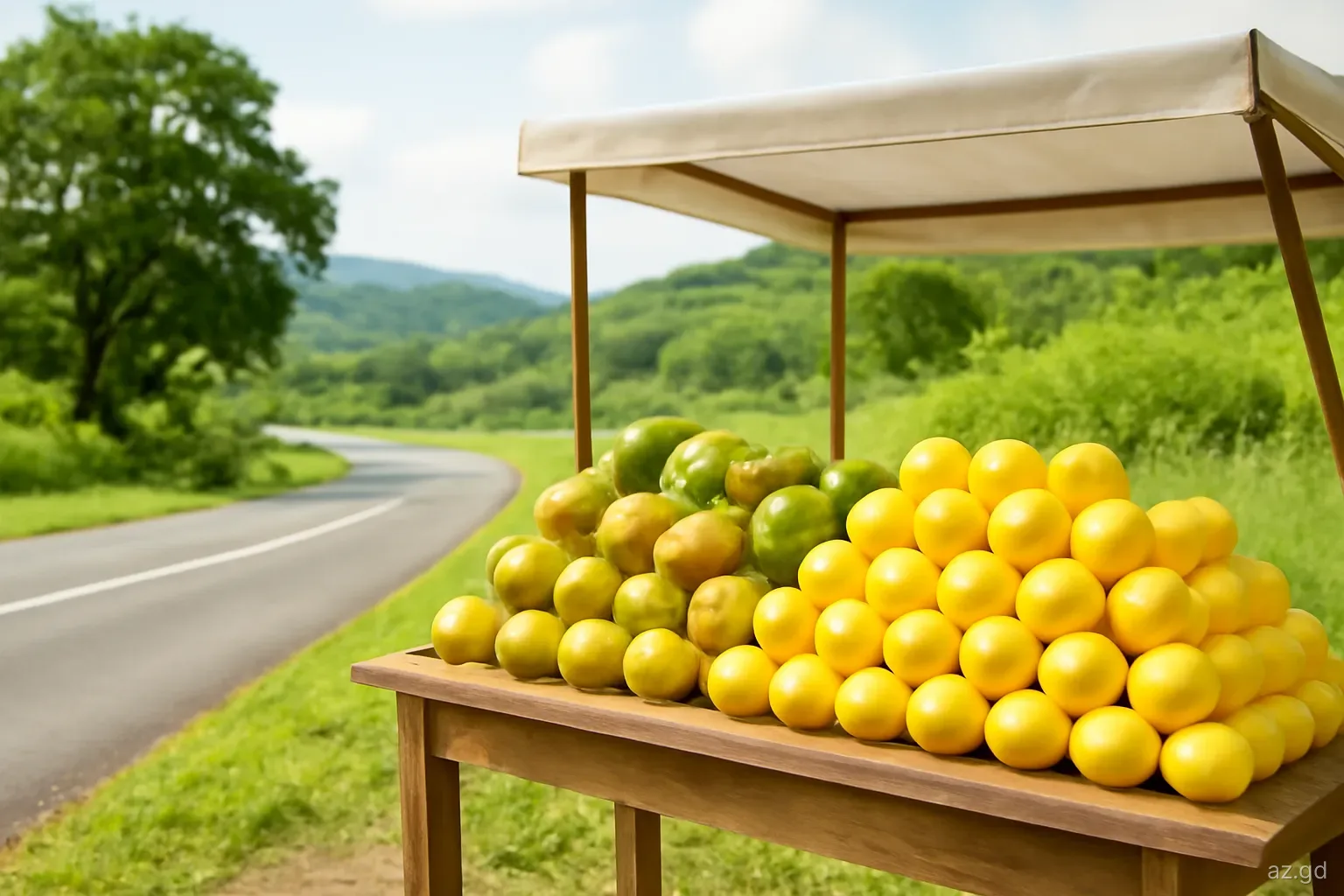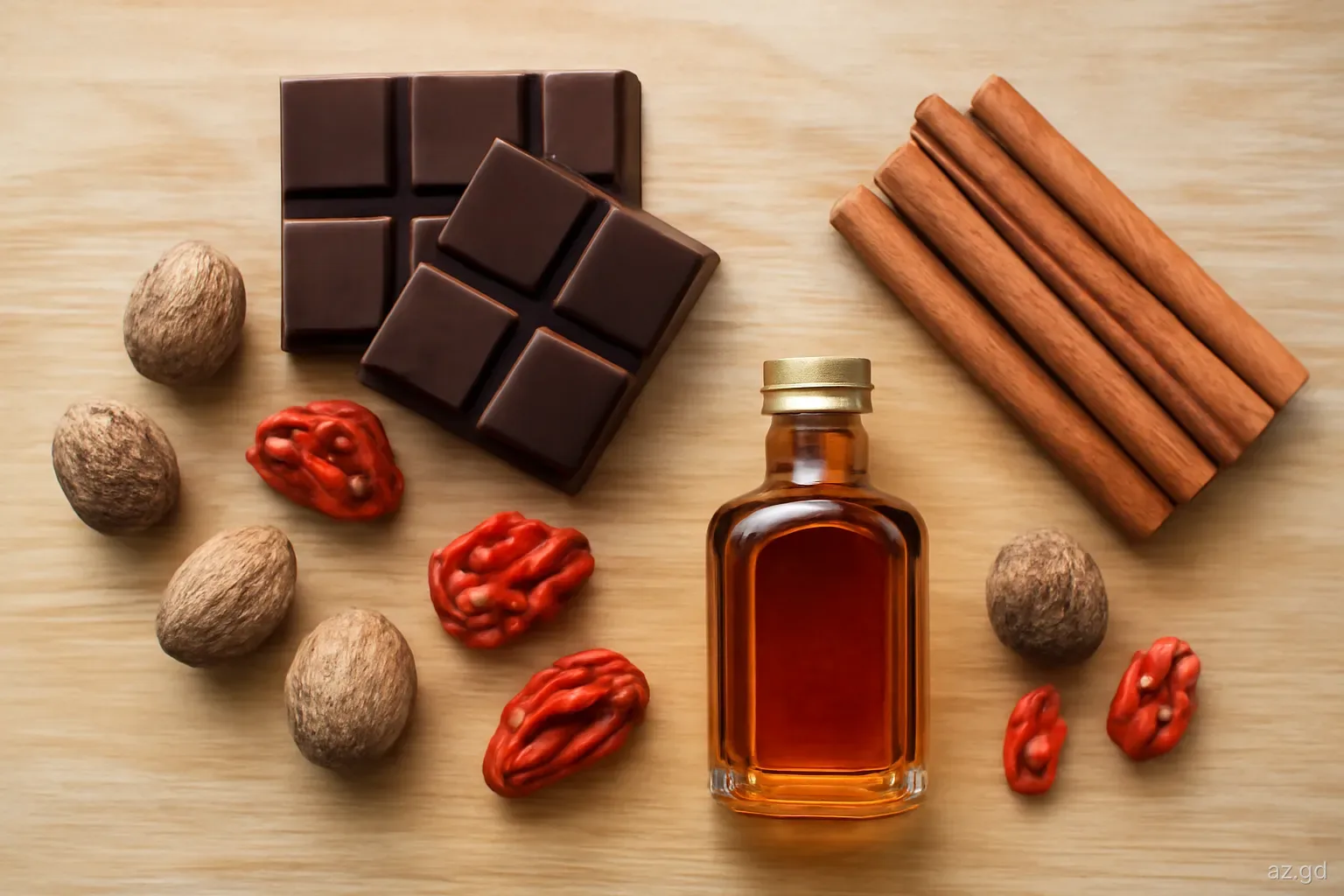
A good Grenadian souvenir is something grown, made or bottled on the island: nutmeg and its by-products, chocolate made from Grenadian cocoa, rum from one of the local distilleries, hand-printed batik, or a carved calabash. Plenty of what is sold to visitors fits that description. Some of it, particularly cheap trinkets and printed T-shirts, was made far away.
This checklist groups the best local buys, explains how to tell the real thing from imports, and flags the items that tend to cause trouble at airport security or customs at home. Prices are given only as rough ranges because they change, and you should always confirm whether a figure is in EC$ or US$ (EC$2.70 equals US$1 at the fixed rate).
Spices and nutmeg products
Whole nutmeg in the shell. The single most typical Grenadian purchase. Nutmeg is Grenada's signature crop, processed through the Grenada Co-operative Nutmeg Association's stations, including the large one at Gouyave. Whole nuts keep their flavour for a long time; buy a bag and grate as needed.
Mace. The red lacy covering of the nutmeg, dried to an orange-brown. It is lighter and more floral than nutmeg and is often harder to find abroad. Small packets are inexpensive here.
Nutmeg syrup, jam and jelly. Made from the fleshy outer fruit that surrounds the nut. These are sold in supermarkets as well as at spice stalls, often at lower prices in supermarkets.
Spice baskets. Woven baskets lined with leaf and filled with a mix of spices. They make a cheerful gift, but check what is inside: a basket heavy on turmeric labelled saffron and tonka labelled vanilla is less useful than one with whole nutmeg, cinnamon and cloves.
Nutmeg-based balms and sprays. Grenadians use nutmeg oil preparations for aches and pains, and several local products are sold in pharmacies and supermarkets. Spray cans and liquids may need to go in checked luggage.
Chocolate: tree to bar, made in Grenada
Grenada grows fine-flavour cocoa and has a small but serious chocolate industry that makes bars on the island from beans grown here. The Grenada Chocolate Company at Hermitage in St Patrick, the Belmont Estate, also in St Patrick, and Jouvay Chocolate at Diamond in St Mark are among the best-known names; their bars appear in supermarkets, gift shops and at the estates themselves. Dark bars with high cocoa percentages are typical.
Cocoa balls or cocoa sticks are a different product: roasted, ground cocoa mixed with spices and rolled into a ball, used to make the traditional breakfast drink cocoa tea. They are cheap, keep well and make an unusual gift for someone who cooks.
Heat is the enemy. Chocolate left in a hire car or a beach bag will melt. Buy it near the end of your trip, keep it in the hotel fridge or the coolest part of your room, and pack it in the middle of your case on the way home.
Rum and other bottles
Grenada has three main rum producers: Clarke's Court at Woodlands in St George, Westerhall in St David, and River Antoine in St Patrick, one of the oldest working water-wheel distilleries in the Caribbean. Supermarket shelves also carry spiced and flavoured rums, rum punch blends and local liqueurs.
River Antoine's Rivers rum is famously strong. Some bottlings are close to or above 70% alcohol by volume, which is the upper limit that most airlines and aviation security rules allow in baggage at all. Check the strength printed on the bottle before buying anything to fly home with; anything above that limit can be confiscated at the airport.
Bottles bought in town go in checked luggage, wrapped well. Bottles bought in the departure lounge after security can be carried on, but if you connect through another airport and pass through security again, keep them sealed in the shop's tamper-evident bag with the receipt.
Seasonings and drinks for the home cook
Beyond the classic spices, Grenadian kitchens rely on bottled and packaged seasonings that make good, cheap gifts for anyone who cooks. Supermarkets sell local and regional curry powders, green seasoning blends of herbs and pepper, browning for stews, and hot pepper sauces in every strength. Cocoa balls for cocoa tea and packets of dried sorrel for the Christmas drink are also easy to find.
Nutmeg finds its way into drinks too. Grated over rum punch it is almost compulsory, and nutmeg syrup is used in drinks and desserts. A bottle of local rum, a whole nutmeg and a small grater make a compact gift set.
Read labels if you are buying for someone with allergies or dietary limits: some seasoning blends contain MSG, wheat or a great deal of salt. Locally made products from small producers may list ingredients only briefly, so ask the seller.
Craft and textiles worth looking for
For non-edible gifts, these are made locally and travel well:
- Batik: wraps, dresses, shirts and napkins hand-dyed in workshops in St George's, with Young Street long known as the place to find them.
- Calabash work: the hard shell of the calabash fruit carved or painted into bowls, cups and decorative pieces.
- Woven goods: baskets, mats and hats from local palm and grass fibres.
- Seed and nut jewellery: necklaces and bracelets made from local seeds and nutmeg shell. Avoid red-and-black jumbie beads (rosary pea), which are toxic and banned or restricted in some countries.
- Paintings and prints by Grenadian artists, sold at galleries and some craft markets.
- Locally made hot pepper sauce, sold in small bottles everywhere; pack it in checked luggage.
Where to buy: market, supermarket, estate or airport
Each type of shop has strengths. Market stalls in St George's and the Grand Anse Craft and Spice Market are best for whole spices, spice baskets, cocoa balls and a choice of crafts, and buying there supports small vendors directly. Supermarkets are often the cheapest place for packaged nutmeg products, local chocolate bars, pepper sauce and rum, and they are open longer hours.
Estates and factories, such as the cocoa estates and rum distilleries in the north and east, let you buy at the source, often with products you will not see elsewhere, and combine shopping with a tour. Prices are not always lower, but the choice is wider. The airport is convenient for last-minute gifts and for liquids you want in the cabin, with a reasonable range of rum, chocolate and spices, though at a premium.
A sensible plan is to browse early in the trip, buy chocolate and fragile items near the end, and use the airport only for what you forgot.
What to skip, and what may be stopped at customs
Coral, shells and turtle shell. Taking coral or shells from Grenada's reefs and beaches damages them, and hawksbill turtle shell products are prohibited under international wildlife trade rules. Do not buy them, however they are presented.
Fresh fruit and plants. Mangoes, soursop, seeds for planting, cuttings and anything with soil are restricted by most countries. Eat fruit here.
Meat and dairy. Home-made souse, pudding, or anything with meat is a problem at almost every border.
Generic souvenirs. Keyrings, magnets and printed T-shirts often come from overseas. If the item has no maker and costs very little, it was probably not made in Grenada.
Undeclared food. Spices, chocolate and sauces are usually allowed, but many countries require you to declare all food on arrival. Declaring costs nothing; not declaring can mean a fine.
Packing it all for the flight home
Glass bottles of rum and sauce, jars of nutmeg jam and anything liquid must go in checked luggage if bought outside the airport. Wrap each bottle in clothing, seal jars and sauces in a zip bag in case a lid loosens, and put heavy items in the centre of the case, away from the edges.
Chocolate should travel in the middle of your case, surrounded by clothes, and should be kept cool until you pack. Whole spices are light and robust; keep them in their sealed bags so the aroma does not spread through your clothes. Spice baskets can be crushed, so pack them near the top or carry them in a tote.
If you are travelling with hand luggage only, buy liquids after security at the airport, and keep everything else solid. Aerosol balms and sprays may be restricted in both cabin and hold; check with your airline.
Frequently asked questions
What is the most popular souvenir from Grenada?
Nutmeg in some form is the classic choice: whole nuts, mace, nutmeg syrup or jam, or a mixed spice basket. Grenadian-made chocolate and local rum are close behind. All three are produced on the island and are easy to find in supermarkets as well as souvenir shops.
Can Rivers rum be taken on a plane?
It depends on the strength printed on the bottle. Aviation rules generally ban alcohol above 70% alcohol by volume from both cabin and checked baggage. Some Rivers bottlings are near that line, so check the label and ask the seller before buying one to take home.
Is it cheaper to buy spices in supermarkets or at the market?
Packaged products such as nutmeg syrup, jam and ground spice are often cheaper in supermarkets. Market stalls are better for whole spices, gift baskets and the experience of buying from the grower. Compare a couple of prices before buying in quantity.
Where can Grenadian chocolate be bought?
Bars from Grenadian makers are stocked in larger supermarkets, gift shops in St George's and Grand Anse, and at the estates and factories themselves. Buying at an estate lets you see how cocoa is grown and processed, but supermarket prices are often similar.
Is bringing nutmeg home allowed?
Whole dried nutmeg and other dried spices are allowed into most countries, though you may have to declare them as food on your arrival form. Rules differ by country and can change, so check the customs or agriculture authority of the country you are flying into.
What should not be bought as a souvenir in Grenada?
Avoid coral, sea shells collected from reefs, turtle shell items and jewellery made from toxic rosary pea seeds. Also skip fresh fruit and plants, which most countries will confiscate at the border, and cheap generic trinkets that were not made locally.