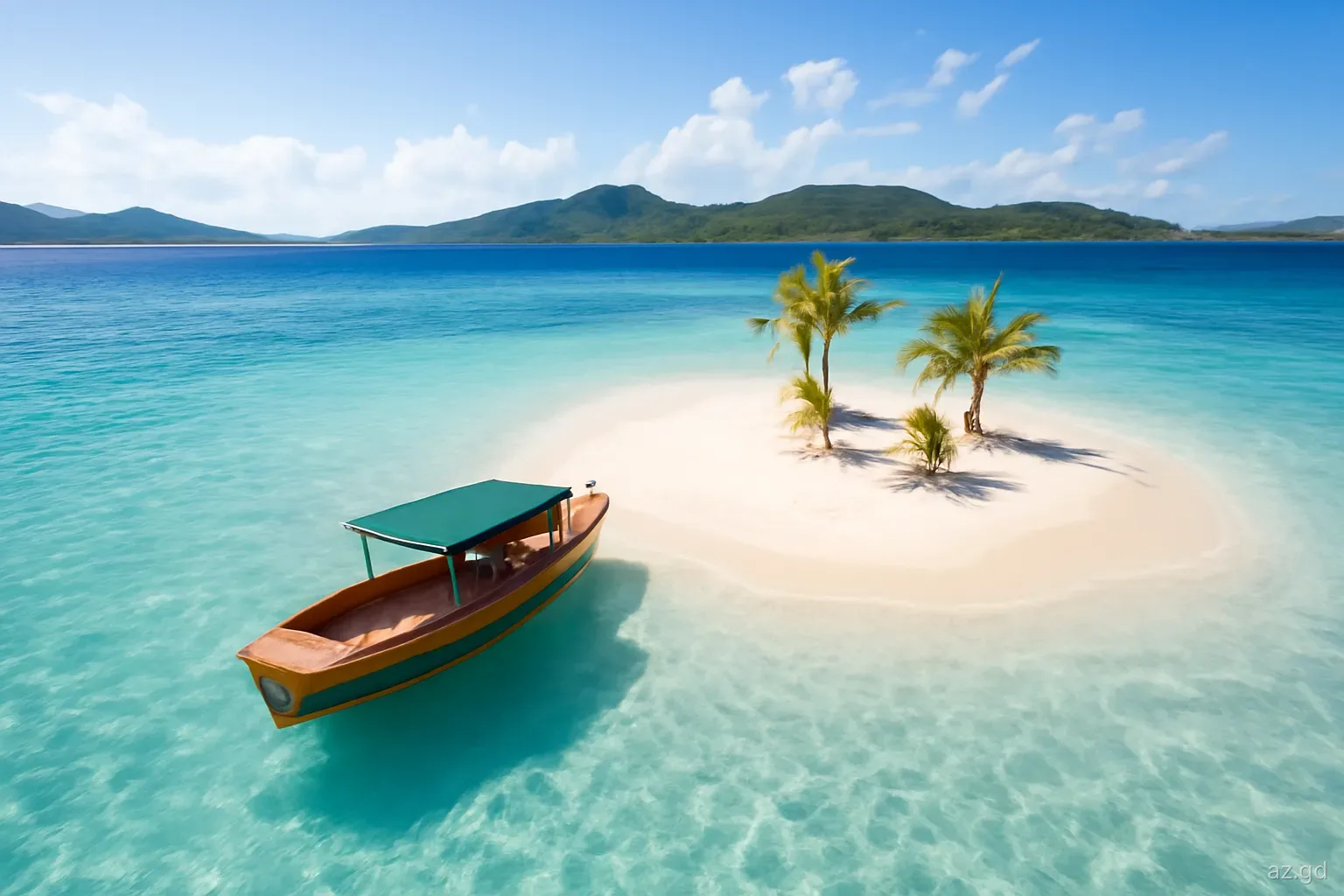
Carriacou's beaches are the reason many people make the crossing from Grenada: small, clear-water bays, an offshore sand islet and long stretches with nobody else on them. The island is only about 13 square miles, so nothing is far away, but roads are limited, buses are few and several of the best beaches are reached by boat or on foot.
Hurricane Beryl, which struck Carriacou and Petite Martinique in July 2024, stripped vegetation from many beaches and damaged beach bars, homes and boats. Recovery has been steady, with Paradise Beach cleaned up and businesses reopening, but shade, facilities and access paths may still differ from older descriptions. Check locally before you rely on anything specific.
Paradise Beach, L'Esterre
Where. On the south-west coast at L'Esterre, between Hillsborough and Tyrrel Bay, a short drive or taxi ride from either.
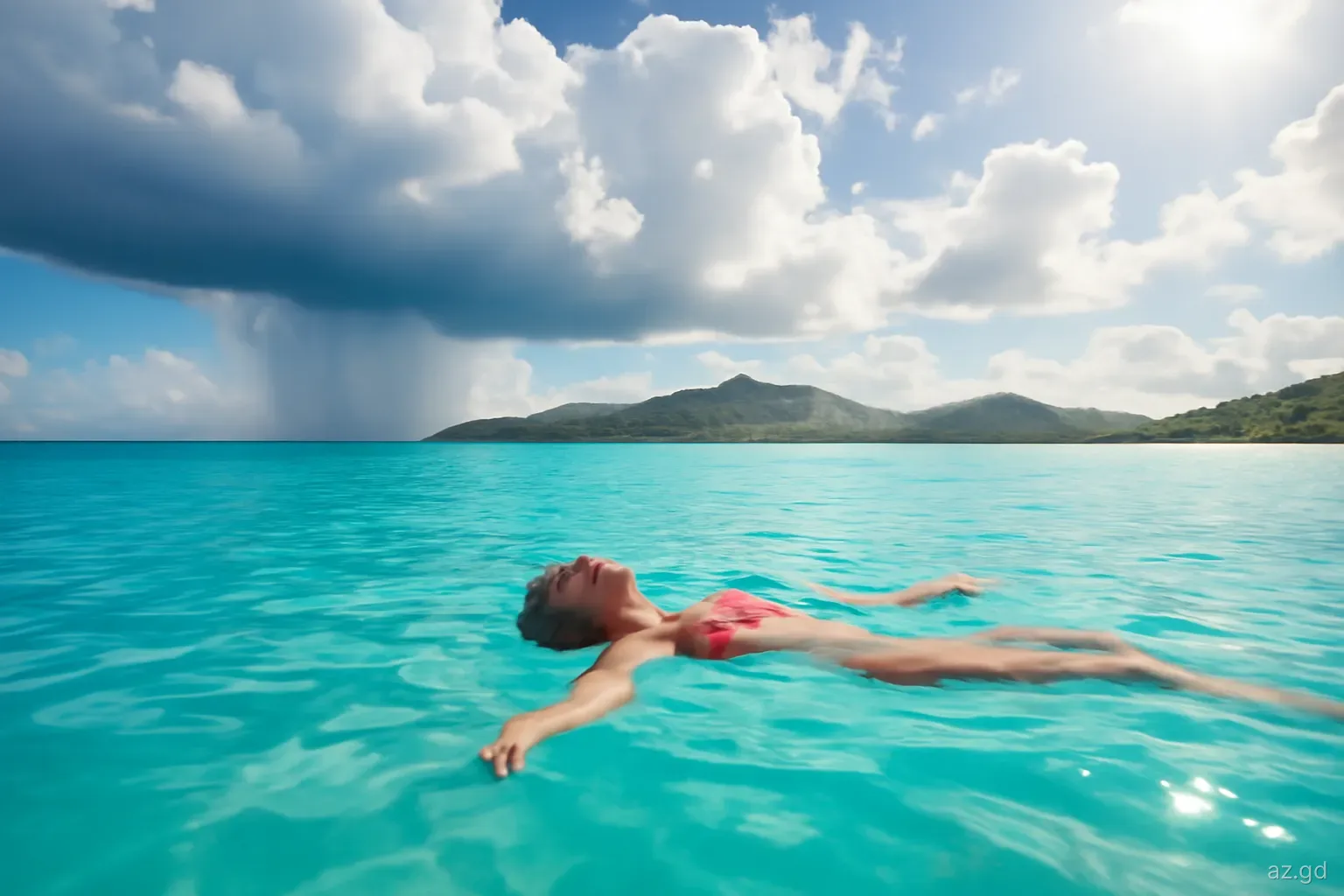
What it is like. A long, calm, pale-sand beach facing Sandy Island across a turquoise channel. The water is shallow and clear, ideal for floating and gentle snorkelling, and is generally the most sheltered major beach on the island.
Facilities. Beach bars and small restaurants have operated here for years, and some were rebuilding after Beryl. Water taxis to Sandy Island often leave from this beach.
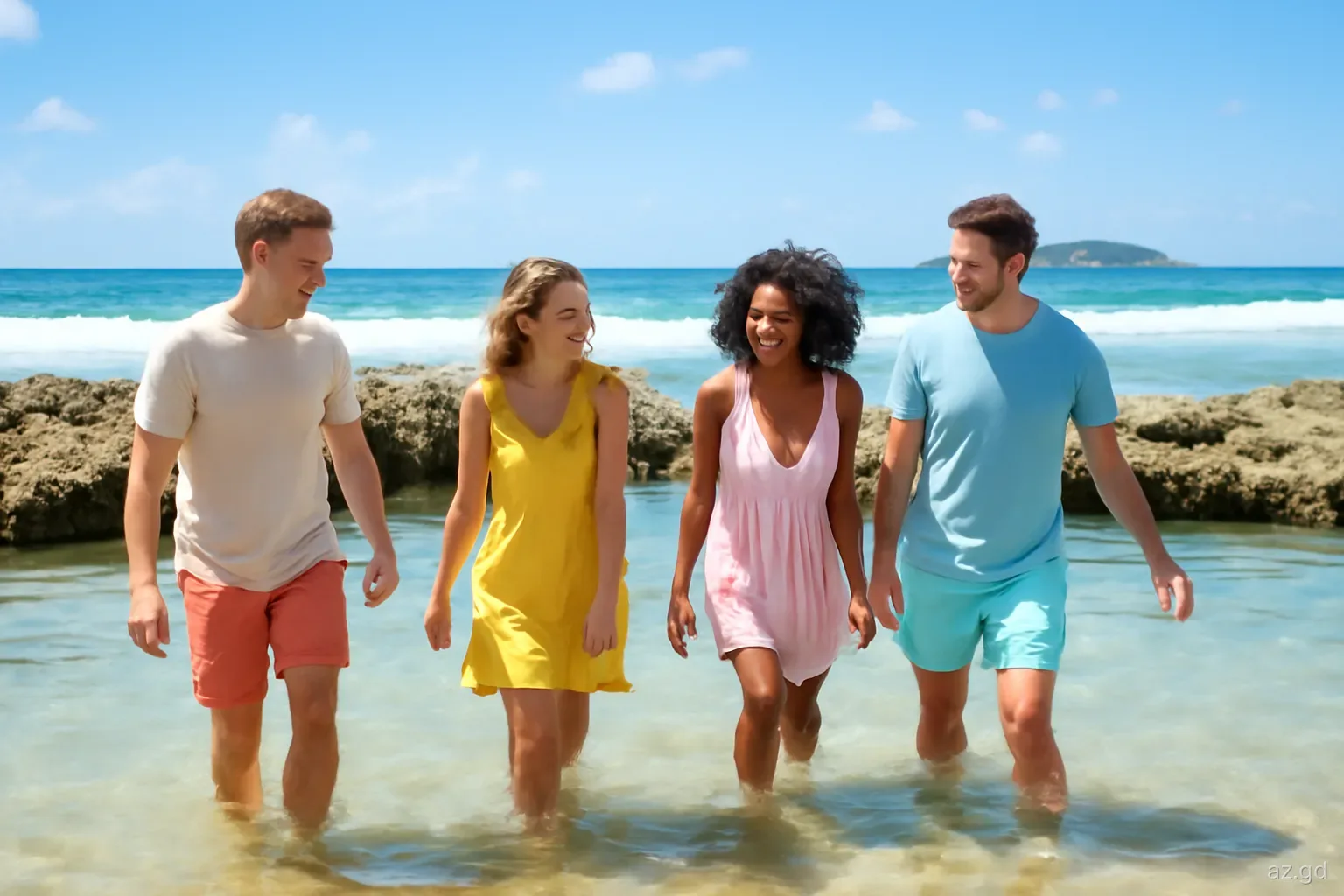
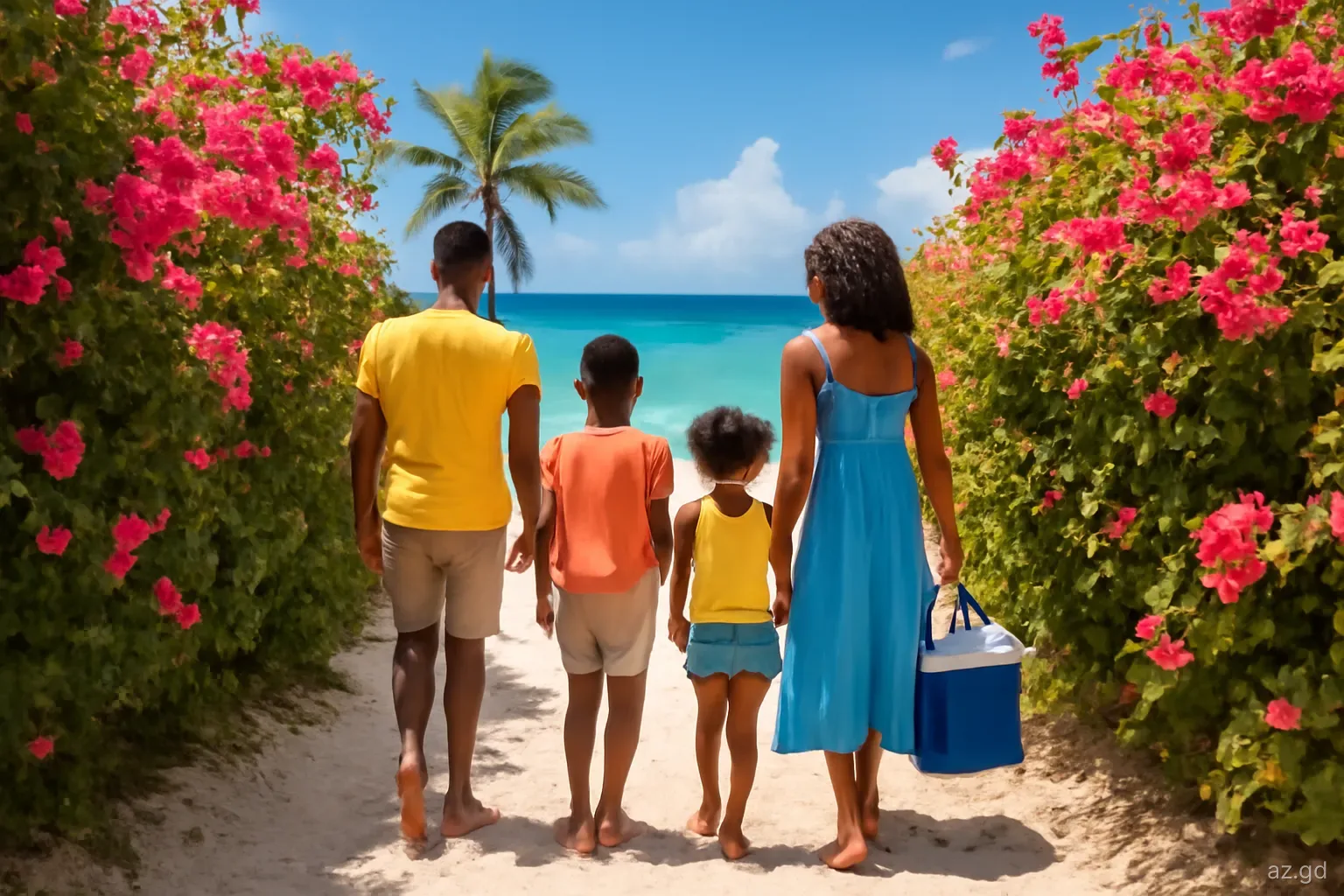
Who it suits. Almost everyone: families, swimmers, snorkellers and people who want lunch with their beach. It is the obvious first stop on a short visit.
Getting there. Route buses on Carriacou are few and irregular, so most visitors take a taxi from Hillsborough or walk along the coast road from L'Esterre village. The walk from Tyrrel Bay is also manageable in the cooler morning hours, though there is little shade on the road. Taxi drivers will usually agree a time to collect you; settle the fare before you set off.
Snorkelling. Seagrass and patches of rock just offshore hold small fish, rays and the occasional turtle. Snorkel parallel to the beach rather than heading out into the channel, where boats pass on their way to Sandy Island.
Sandy Island and the marine protected area
Sandy Island is a narrow strip of white sand off Hillsborough Bay, part of the Sandy Island Oyster Bed Marine Protected Area, which also covers the reefs around it and the mangrove lagoon at Tyrrel Bay. It is the image on many Carriacou postcards: a low sandbar, a few young palms and reef just offshore. Storms have reshaped it repeatedly over the years and stripped its vegetation more than once, so its size and shade vary.
You reach it by water taxi, usually from Paradise Beach or Hillsborough. Agree the fare and a pick-up time before you leave, and make sure you have a way to contact the boatman if plans change. There are no facilities on the island: bring water, food, shade and a bag for rubbish.
Rules in the protected area are enforced by park rangers. Anchoring is not permitted in the protected zones and yachts use the mooring buoys, for which a daily fee is collected. Fishing, collecting shells or coral and standing on reefs are prohibited. Snorkelling around the island is good when the sea is calm, but currents can run along the edges, so swim with a partner and stay close to the sand.
Anse La Roche and the north-west coast
Anse La Roche is a secluded bay on the north-west coast, within the High North area, and reaching it is part of the experience. There is no road to the sand; you walk down a track through dry woodland from the road above, which takes around half an hour depending on your pace and the condition of the path. The reward is a golden beach backed by steep green slopes, with clear water and views towards Union Island.
Because it is isolated, take it seriously. Wear proper shoes for the track, carry plenty of water and avoid the walk in the heat of the middle of the day. There are no facilities at the beach. The sea can be calm in the right conditions, but waves arrive in winter swells, and with nobody else around you should only swim if you are confident and conditions are clearly gentle.
Some visitors arrive by boat instead, particularly on organised trips. Either way, take every scrap of rubbish out with you. This is one of the least disturbed stretches of coast in the country, and turtles have been recorded nesting along this side of the island.
Other beaches on Carriacou
Tyrrel Bay. The main yacht anchorage, with a long, narrow beach, boatyards and waterfront bars. It is more of a harbour than a swimming beach, but the water at the quieter end can be fine for a dip. The mangroves behind the bay are protected and were an important hurricane shelter for boats before and during Beryl.
Hillsborough Bay. The town beach runs along the waterfront of the island's main town. Locals swim here, and it is convenient if you are waiting for the ferry, but it is a working shoreline with boats and the jetty close by.
Petite Carenage. On the north-east coast near Windward, a quieter bay backed by woodland and known as a turtle nesting area. Access is by a track from the road. Respect nesting rules in the season and keep lights off the beach at night.
Saline Island and White Island. Small islets off the south coast, reached by boat trip. White Island in particular is popular for a day of snorkelling and picnicking. As with Sandy Island, there is nothing on them: bring everything you need.
Petite Martinique: shoreline rather than beach resort
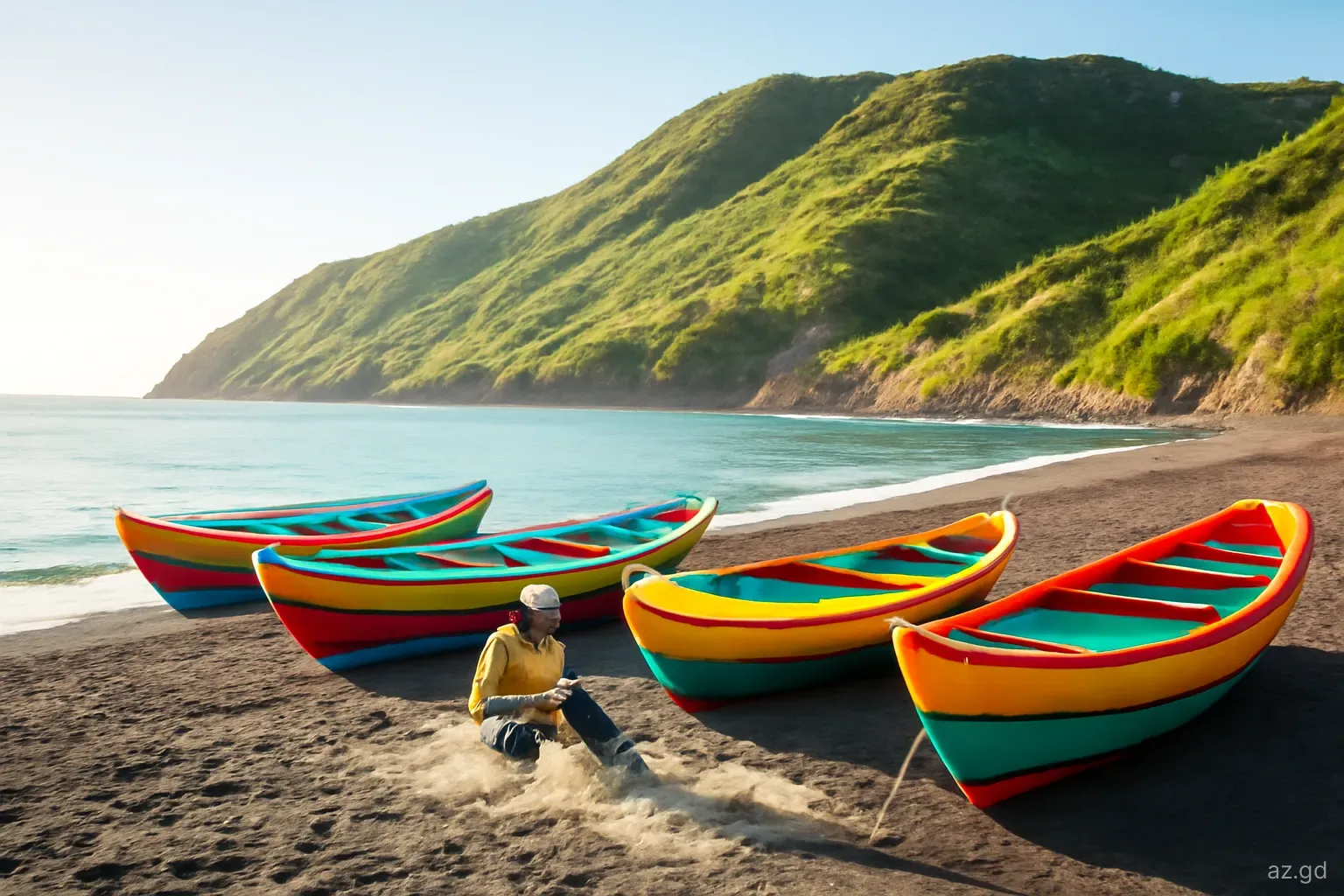
Petite Martinique is smaller still, a steep volcanic cone with a close-knit community long tied to boatbuilding, fishing and seafaring. Its shoreline is mostly working coast, with fishing boats and jetties, and there are only a few small sandy stretches suitable for a swim. Ask locally which bays are best that day; residents know which side is sheltered given the wind.
Most visitors come over from Carriacou on the ferry from Carriacou (it has been calling at Tyrrel Bay since Beryl; confirm when booking) or by water taxi from Windward. A day trip leaves time to walk the coastal road, look across to Petit St Vincent and Mopion, and swim where people point you. Beryl hit Petite Martinique hard as well, so be patient with services that are still rebuilding.
There is little in the way of beach facilities, but small shops and eateries near the jetty can supply drinks and snacks. Bring cash in EC dollars, cover up when walking through the village and check the time of the last ferry or water taxi back to Carriacou before you settle down for a swim.
Practical tips and pitfalls
A few points apply across the sister islands:
- Boats depend on the sea. Water-taxi trips and offshore picnics may be cancelled in strong winds. Build in a spare day if a particular trip matters to you.
- Agree boat prices clearly. Confirm whether the fare is per person or per boat, return or one way, and in EC or US dollars.
- Shade is scarce after Beryl. Many trees were lost; bring a hat, cover-up and, if you can, a beach umbrella.
- Cash matters. Small businesses and boatmen generally prefer EC dollars in cash.
- Protected areas have rules. No anchoring on reefs, no collecting, no standing on coral.
- Respect village life. Cover up away from the beach, especially in Hillsborough, Windward and on Petite Martinique.
Frequently asked questions
How do you get to Sandy Island from Carriacou?
Take a water taxi, usually from Paradise Beach at L'Esterre or from Hillsborough. Agree the fare, whether it is per person or per boat, and the time you will be collected. There are no facilities on Sandy Island, so bring water, food and shade.
Which is the best beach on Carriacou for swimming?
Paradise Beach at L'Esterre is the most reliable choice: long, calm, shallow and clear, with beach bars nearby. Sandy Island is excellent in calm weather, and Anse La Roche is lovely but remote, so swim there only when conditions are gentle.
Have Carriacou's beaches recovered from Hurricane Beryl?
Recovery has been steady since July 2024, with Paradise Beach cleaned up and many businesses reopening. Vegetation and shade will take years to return fully, and some facilities may still be limited. Check locally for current conditions before planning around a particular bar or service.
Is there a fee to visit Sandy Island?
There is no charge for simply landing on the beach, but you pay the water taxi. Yachts using the mooring buoys in the marine protected area pay a daily fee collected by park rangers. Fees change, so confirm the current rate locally.
Does Petite Martinique have good beaches?
Petite Martinique is mostly a working shoreline, with only a few small sandy spots. It is better visited for its community, views and coastal walk than for a classic beach day. Ask residents which bay is sheltered and good for a swim on the day.
How long is the walk to Anse La Roche?
Expect around half an hour each way on a track through dry woodland from the road above, though it depends on your pace and the state of the path. Wear proper shoes, carry plenty of water and avoid walking in the midday heat.