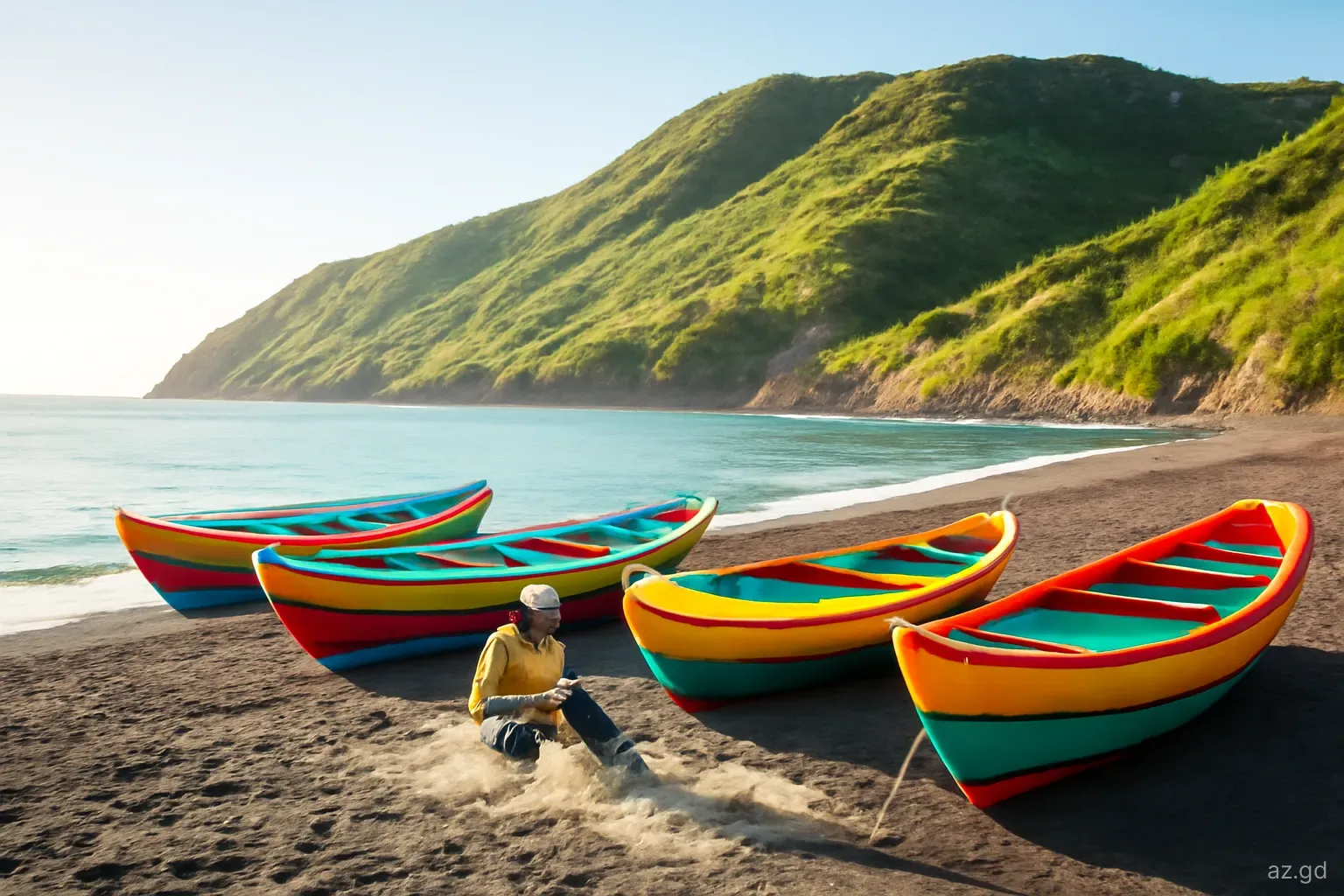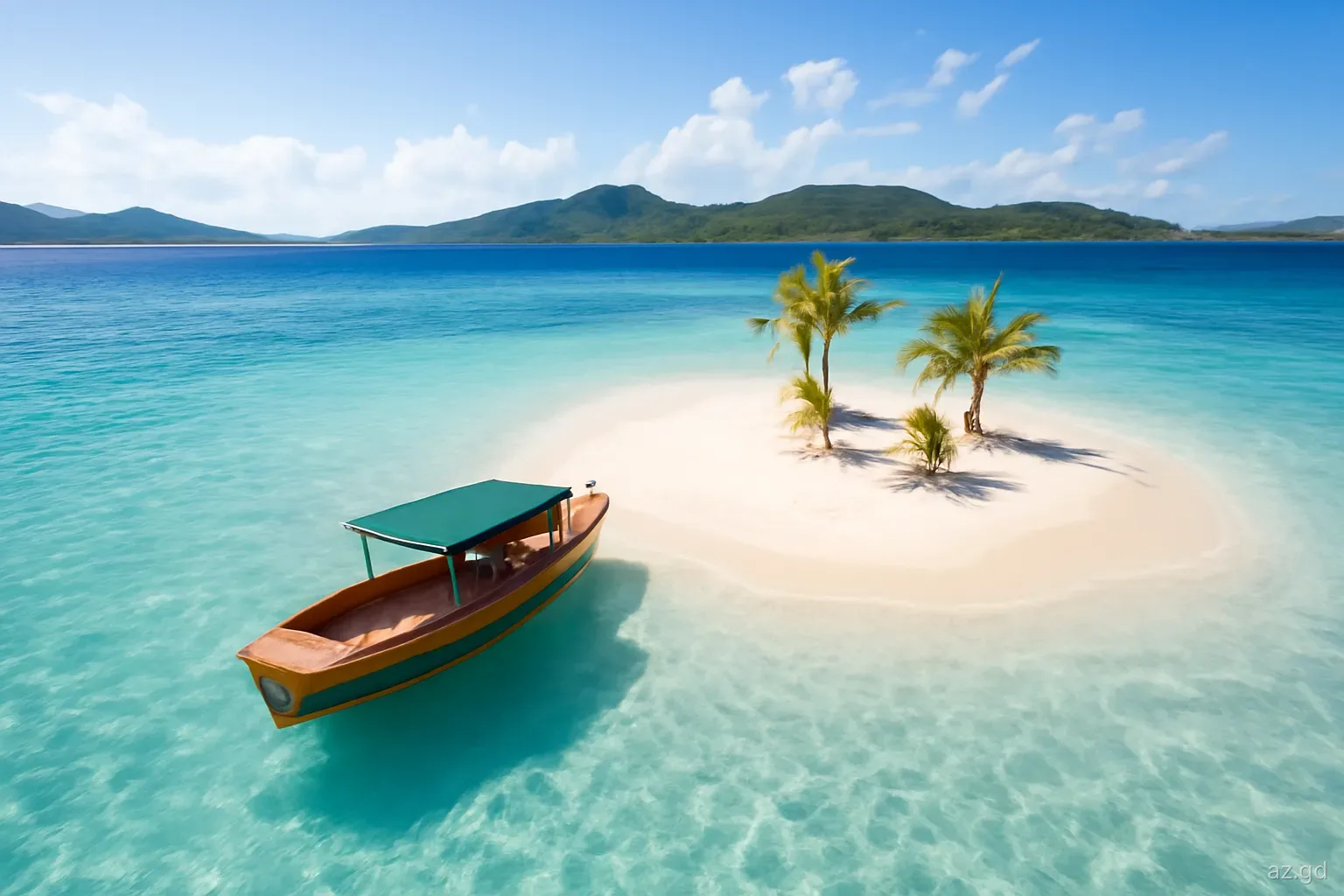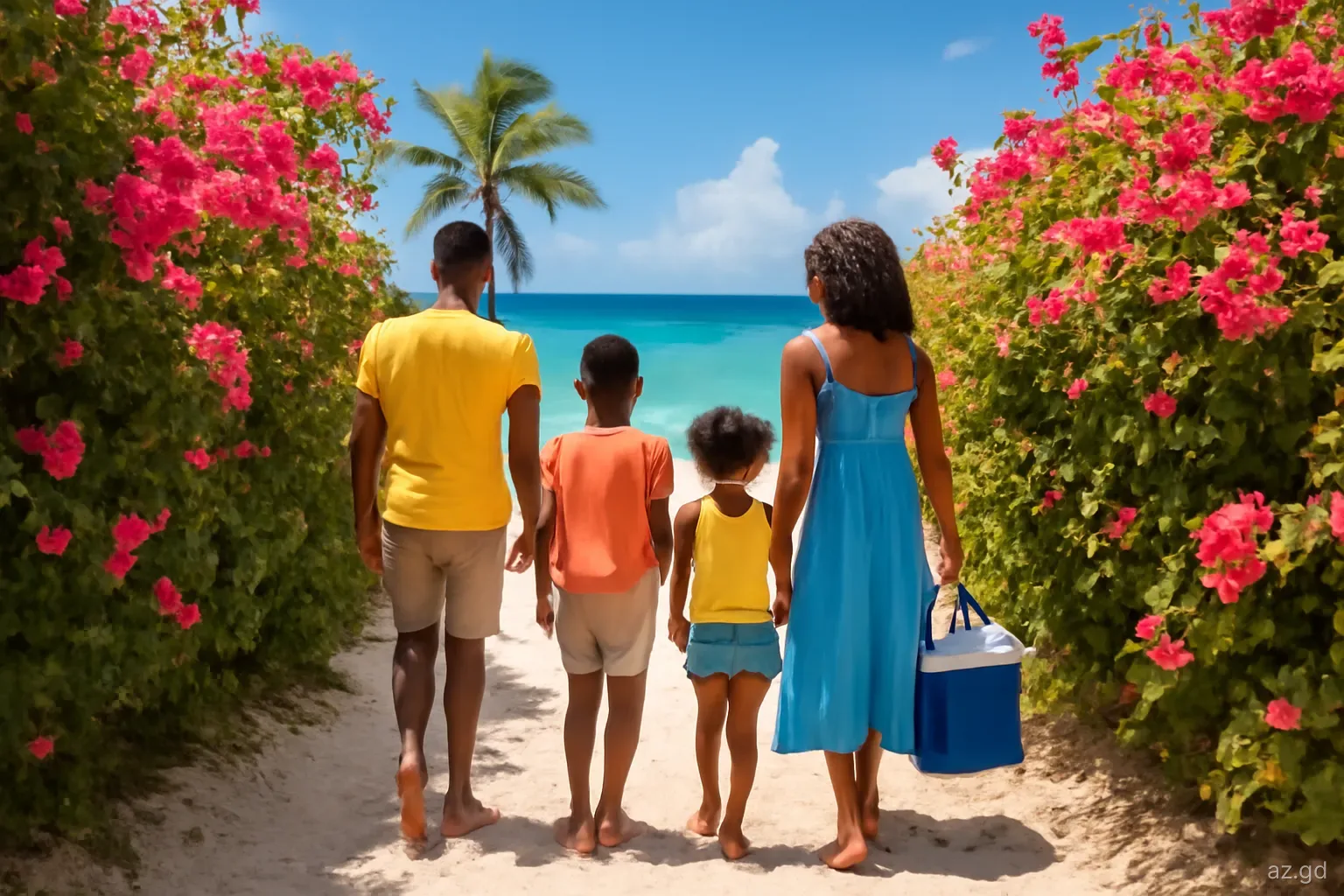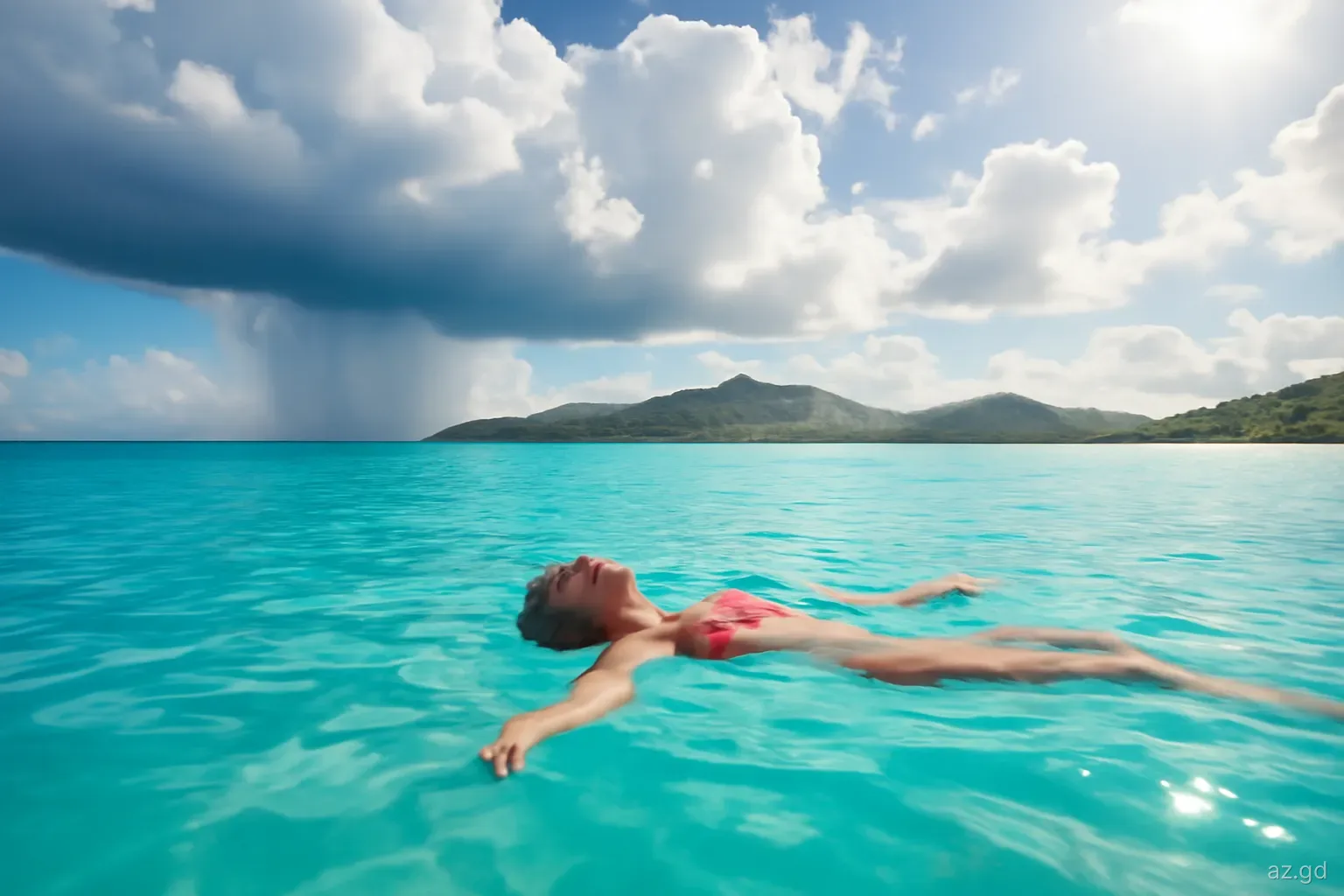
There is no bad month for a swim in Grenada. The sea stays warm all year and the island sits at the southern edge of the hurricane belt. But beach days do change through the year, in ways the standard "dry season, rainy season" summary misses: winter ground swells that close calm beaches for a day, sargassum seaweed on the Atlantic coast, cruise-ship crowds at Grand Anse and the long holiday weekends when every family heads for the sand.
This calendar sets out what to expect month by month for beach-goers. It describes typical patterns, not guarantees. Weather varies from year to year, and the Grenada Meteorological Service publishes current forecasts and marine warnings.
January to March: dry, breezy and the swell months
The new year brings the dry season proper: lower humidity, steady trade winds and many days of blue sky interrupted by brief passing showers. On the Caribbean side this is classic beach weather, and on most days Grand Anse, Morne Rouge and the Point Salines beaches are calm and clear. The sea is slightly cooler than in late summer, typically in the mid-20s Celsius, still comfortable for long swims.
This is also the heart of ground-swell season. Storms far away in the North Atlantic send long-period swells south, and when they arrive the west-facing beaches can turn steep and rough with little warning, sometimes for a day or two. Boat trips to the Molinere coves or Sandy Island may be postponed. If the sea looks unusually lively on a sunny day, that is why.
On the Atlantic coast the trade winds are strong and the surf steady, which suits walkers, surfers and kite enthusiasts more than swimmers. Visitor numbers peak, cruise ships call frequently, and Grand Anse is at its busiest between late morning and mid-afternoon on ship days.
April and May: calm seas and the driest weeks
April and May are often the calmest beach months of the year. Ground swells fade, winds ease a little and the dry weather continues, with rainfall typically at its lowest. Water clarity on the leeward side is usually excellent, making this a strong period for snorkelling and for families who want reliably gentle water.
The landscape is at its driest, with brown hillsides and dusty roads, and the days are getting hotter. Midday sun is intense; plan beach time for the morning and late afternoon.
Easter is a major beach weekend for Grenadians, with Easter Monday in particular bringing families, music and cook-outs to beaches around the island. Expect busy sand and lively atmosphere. Leatherback nesting builds through these months at Levera and other Atlantic beaches, and the cruise season begins to wind down, so the second half of May can be quiet at Grand Anse.
June to August: rain returns, seaweed season, Carnival
The rainy season begins in June, though rain usually comes in heavy bursts rather than all-day downpours. What changes for beach-goers:
- Showers and humidity. Expect sudden heavy showers, often in the afternoon, followed by sunshine. Mornings are frequently the clearest part of the day.
- Sargassum risk. Seaweed strandings are most likely in the warmer months, especially on the Atlantic beaches of St Patrick, St Andrew and St David. Amounts vary hugely from year to year, and in some seasons weed has reached the south-west beaches too.
- Hurricane season begins. It officially runs from 1 June to 30 November. Early-season storms are less common, but Hurricane Beryl in early July 2024 showed they can happen.
- Turtles. Leatherback nesting continues into the summer, and hatchlings begin to emerge from nests laid earlier in the year.
- Spicemas. Grenada's Carnival reaches its climax in early to mid-August, and the holiday period brings many returning Grenadians and regional visitors. Beaches are busy around the holiday weekends and quieter on the Carnival days themselves, when the action is on the streets.
- Warmer sea. Water temperatures rise towards the high 20s Celsius.
September and October: warmest water, quietest beaches
These are typically the quietest months for visitors and the warmest for the sea, which can feel almost bath-like on still afternoons. Many days are hot and humid with light winds, so even the Atlantic coast can calm down. Beaches are uncrowded, and you may have long stretches of Grand Anse largely to yourself on weekdays.
They are also the peak months for tropical storm activity in the Atlantic basin. Most systems pass well to the north, but some bring days of rain, rough seas and gusty winds. If a storm or hurricane watch is issued, beach plans should be dropped and official advice from the National Disaster Management Agency followed. River outflows run high after heavy rain, so avoid swimming near river mouths for a day or two afterwards. Some hotels and beach bars close for maintenance or a holiday break in this period, so check before you go.
November and December: the shift back to dry season
November is a transition month. Rain usually continues but becomes less frequent towards the end of the month, the trade winds strengthen and humidity falls. Hurricane season ends officially on 30 November. The cruise season restarts, bringing busier beach days at Grand Anse again.
December brings increasingly settled weather, the start of the winter swell season and the main holiday period. Christmas week and the days around New Year are busy, with families from the diaspora visiting and beach outings a big part of the festivities. Accommodation near the main beaches fills early, so book well ahead if you want to be within walking distance of the sand.
Sea conditions in December are generally good on the Caribbean side, with the water still warm from the summer. The first winter ground swells can arrive, though, so keep an eye on the sea before swimming at more exposed beaches such as Magazine. On the Atlantic coast, the strengthening trade winds pick up the surf again after the calmer autumn spells.
Carriacou and Petite Martinique through the year
The sister islands follow the same broad seasons but are generally drier than mainland Grenada, with less rain falling on their lower hills. In the dry months the landscape turns brown and water is precious, while the sea around Sandy Island and Paradise Beach is often at its clearest.
The factor that matters most on Carriacou is wind. Strong trade winds early in the year can make the ferry crossing from Grenada lively and cancel small-boat trips to Sandy Island, White Island or Petite Martinique. The calmer spells of April, May and the early autumn are usually the easiest for island-hopping. Carriacou's own calendar adds busy beach periods, notably around the Carriacou Regatta Festival in summer, when boats, visitors and events fill the bays at Hillsborough and Tyrrel Bay.
Using the calendar sensibly
Seasons are tendencies, not timetables. A few practical habits help in any month:
- Check the marine forecast and any small craft or high surf advisories from the Grenada Meteorological Service before boat trips.
- Ask locally about sargassum before driving to an east-coast beach; conditions can change within days.
- Look up cruise-ship schedules for St George's if you want a quiet day at Grand Anse.
- Keep a flexible day in your plans for offshore beaches, especially in Carriacou.
- Wear reef-friendly sunscreen and cover up in every month; the UV index is high all year.
- In hurricane season, buy travel insurance that covers weather disruption and know how to follow official alerts.
- On public holidays, arrive early at popular beaches, or choose a quieter bay away from the main towns.
- After heavy rain at any time of year, give river mouths and town drains a day or two before swimming nearby, as runoff lowers water quality.
Frequently asked questions
What is the best month for beaches in Grenada?
April and May often offer the calmest seas, driest weather and excellent water clarity, with the winter ground swells over. January to March is also dry and sunny, though swells occasionally roughen the west-facing beaches. The sea is warm enough to swim in every month.
How warm is the sea in Grenada?
Sea temperatures stay warm all year, typically from the mid-20s Celsius in the early months to the high 20s in late summer and early autumn. Most people swim comfortably without a wetsuit at any time; snorkellers spending long periods in the water sometimes wear a thin rash vest.
When does sargassum seaweed affect Grenada's beaches?
Strandings are most likely in the warmer months, broadly spring through early autumn, and mainly on the Atlantic-facing east coast. The amount varies greatly from year to year, and the Caribbean-side beaches are affected less often. Ask locally before driving to an east-coast beach.
Is it worth visiting Grenada's beaches during hurricane season?
Many people do, especially in September and October when beaches are quiet and the sea is warmest. Most storms pass to the north, but you should follow forecasts, have flexible plans, buy insurance that covers weather disruption and follow official advice if a watch or warning is issued.
Why are the waves sometimes big at Grand Anse?
Between roughly November and March, distant North Atlantic storms send long-period ground swells that can reach Grenada's west-facing beaches, even on sunny, calm days. These events usually last a day or two. Sheltered bays such as Morne Rouge are often calmer when that happens.