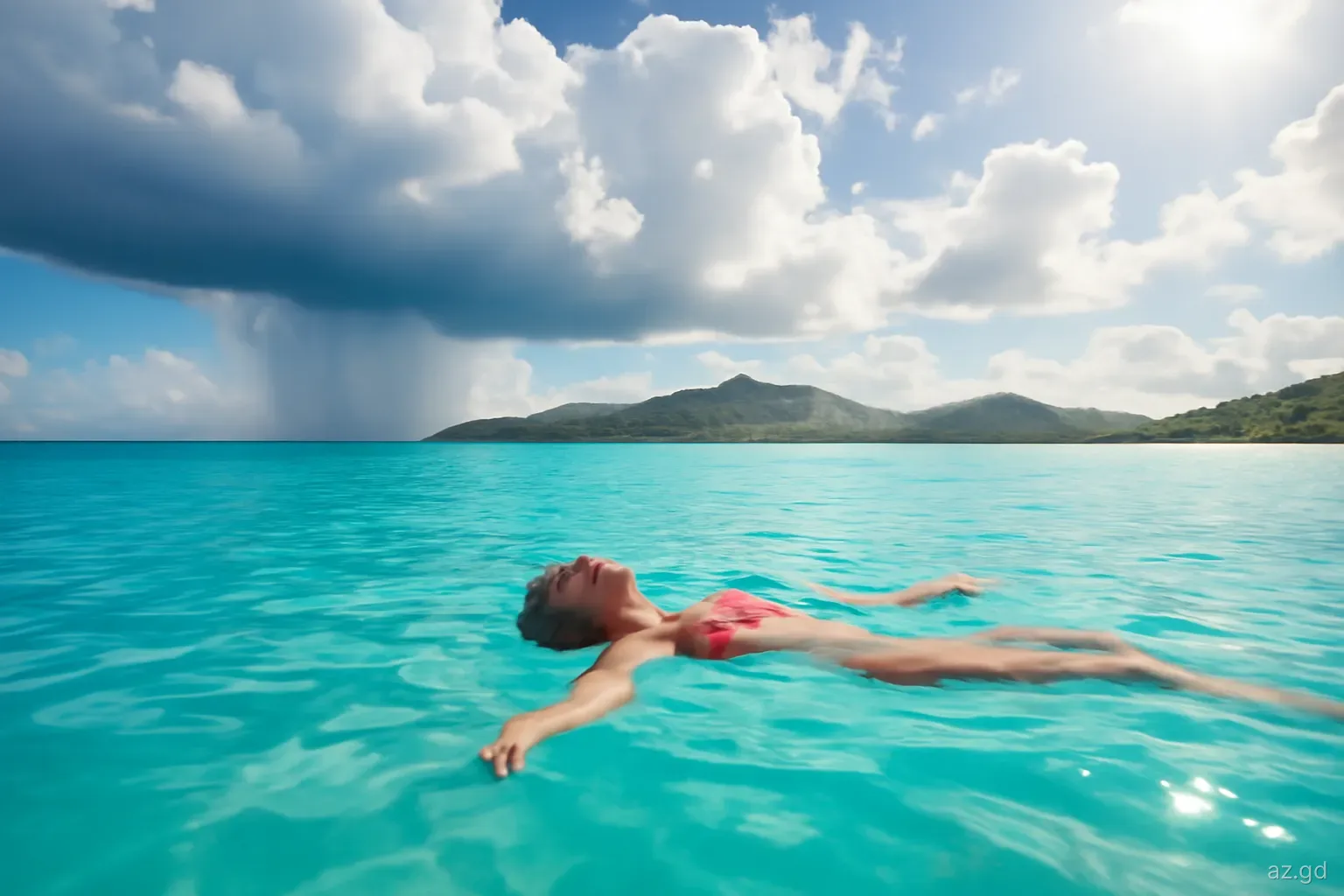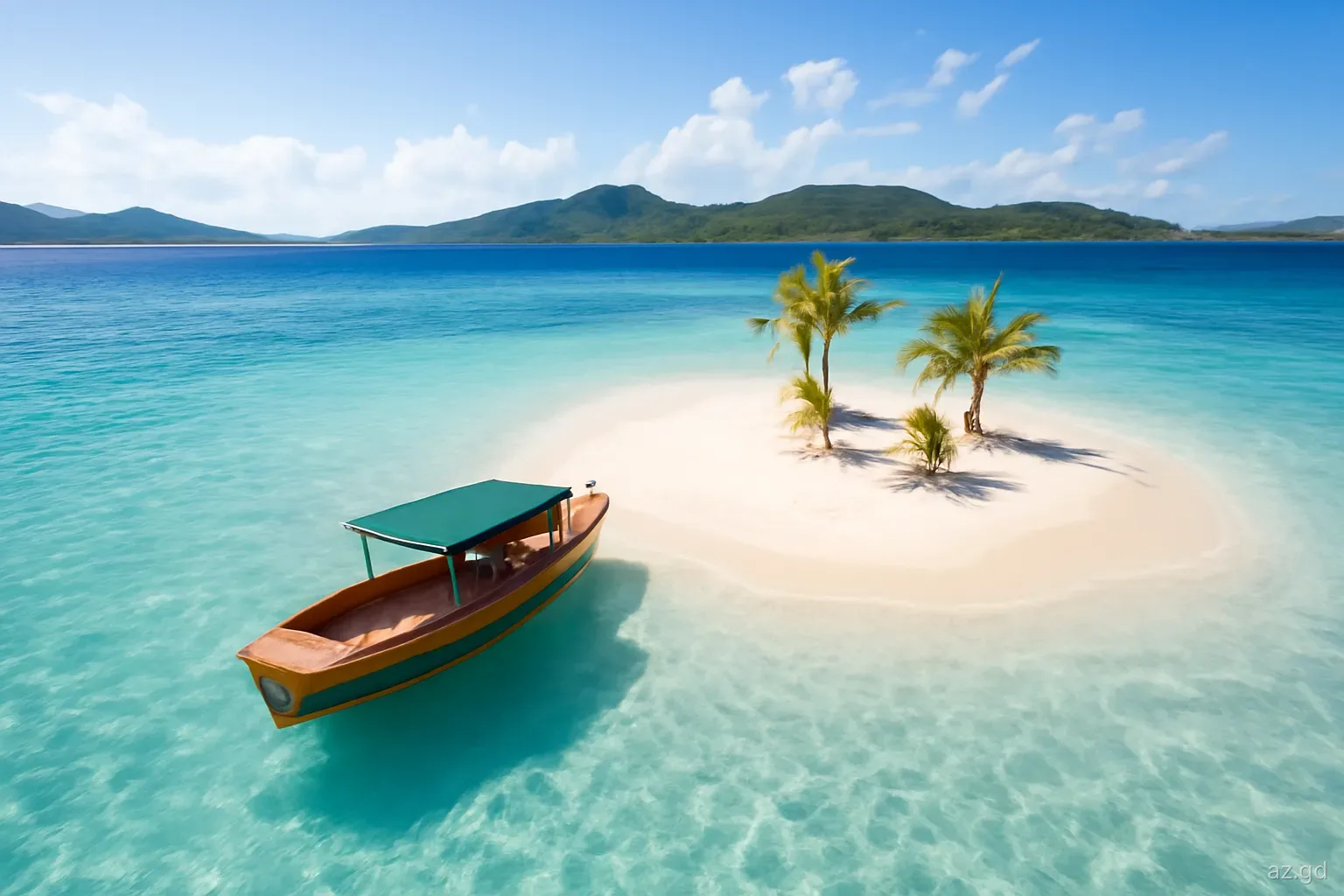
Ask a Grenadian whether beaches here are public and you will usually hear a firm yes. Access to the sea is treated as a right, and attempts to fence off or block beaches tend to provoke public argument, letters to the press and occasionally police involvement. For visitors, the practical result is that you can walk and swim along almost any shore, including in front of the biggest resorts.
The detail is more nuanced, and it helps to understand it before you find yourself on a sandy path with a hotel security guard asking where you are going. This page explains how access works on the ground, which rules apply on the beach itself, and where to take a question if access is blocked.
What the law and custom say
Grenada's coastline is governed by several laws rather than a single beach access act. The Integrated Coastal Zone Management Act, No. 8 of 2019, set up a framework for managing the coastal zone, including restricted and protected areas and offences such as damaging coastal resources. Planning law, administered by the Physical Planning Unit, controls what can be built close to the shore, and other legislation covers fisheries, marine protected areas and turtle nesting beaches.
Alongside the statutes sits a long-standing public understanding that the beach belongs to everyone. Grenadians often point to disputes going back decades in which communities successfully pushed back against attempts to close beaches. In practice, the shore itself, the sand between the sea and the vegetation line, is treated as open to the public.
What remains contested is the land behind the beach and the routes to reach it. Advocates and developers have argued publicly over how far inland public rights extend, and disputes have flared over walls, villas and boulders placed near the shore, including at Levera. If you need a precise answer for a property or development question, take advice from a Grenadian attorney or the Physical Planning Unit rather than relying on general statements.
Resort beaches: what you can and cannot do
You can walk along the shore. The beach in front of a hotel is not private. You may walk, sit on the sand and swim there, just as on any other stretch.
You cannot use the hotel's facilities. Loungers, umbrellas, pools, toilets, showers and bars belong to the property and are for guests or paying customers. Some resorts sell day passes; ask at reception rather than settling into a lounger.
Reach the beach by a public route. Use public paths and roads to get to the sand. Walking through a hotel lobby or garden without permission is trespassing, even if the beach beyond is public.
Expect polite questions. Security staff sometimes ask non-guests where they are heading. A calm explanation that you are walking along the beach is usually enough.
Respect roped-off areas for events. Weddings and resort events sometimes use a section of sand temporarily. Walking past along the waterline is normally fine; setting up in the middle of a ceremony is not.
Rules that apply on the beach itself
Whatever the beach, these rules and norms apply. Some are laws, others are strong local expectations:
- Do not take sand, stones or coral. Removing beach material without authorisation is an offence, and taking coral or shells from protected areas can bring heavier penalties. Sand mining has caused serious erosion in the past, which is why enforcement matters.
- No camouflage clothing. Wearing camouflage is illegal for civilians in Grenada, including tourists and children. Leave camouflage swimwear and bags at home.
- Keep covered off the sand. Swimwear is normal on the beach but not in shops, buses, churches or town streets.
- No nudity or topless sunbathing. It is not part of local beach culture and can lead to complaints or police attention.
- Vendors need licences. On Grand Anse and other busy beaches, vendors are licensed and are entitled to offer their goods. You are entitled to say no.
- Fires and camping. Beach cook-outs are a much-loved Grenadian tradition, especially on holidays, but clear up completely and check local rules before camping overnight.
- Dogs. Dogs are common on local beaches. Keep yours under control, pick up after it and keep it away from nesting areas.
Turtle nesting beaches and protected areas
Several beaches carry extra rules because of wildlife. Levera Beach in St Patrick is one of the most important leatherback nesting sites in the region, and during the nesting season, broadly March to August with a peak around April to June, it is treated as a restricted area at night. Under fisheries regulations, people are expected to stay off the beach overnight unless they are on an authorised turtle-watching tour run with the fisheries authorities and local conservation groups.
Hawksbill and green turtles also nest in Grenada, in smaller numbers and over a longer period, and their eggs and hatchlings are protected in the same way. Fisheries law restricts turtle harvesting, protects eggs and nesting females and gives leatherbacks full protection. As a visitor, the simple rule is never to buy turtle meat, eggs or tortoiseshell products, whatever a seller tells you about where they came from.
Nesting also happens on other Atlantic-facing beaches and on Carriacou. Wherever you are, avoid bright lights on the sand at night, never touch a nesting turtle or hatchling and keep vehicles off the beach. Driving on sand crushes nests and is illegal in many areas.
Marine protected areas such as Molinere–Beausejour on the west coast and Sandy Island Oyster Bed around Carriacou also have their own rules on anchoring, fishing and fees. The beach itself remains open, but what you do in the water there is regulated.
Beach culture: how Grenadians use the shore
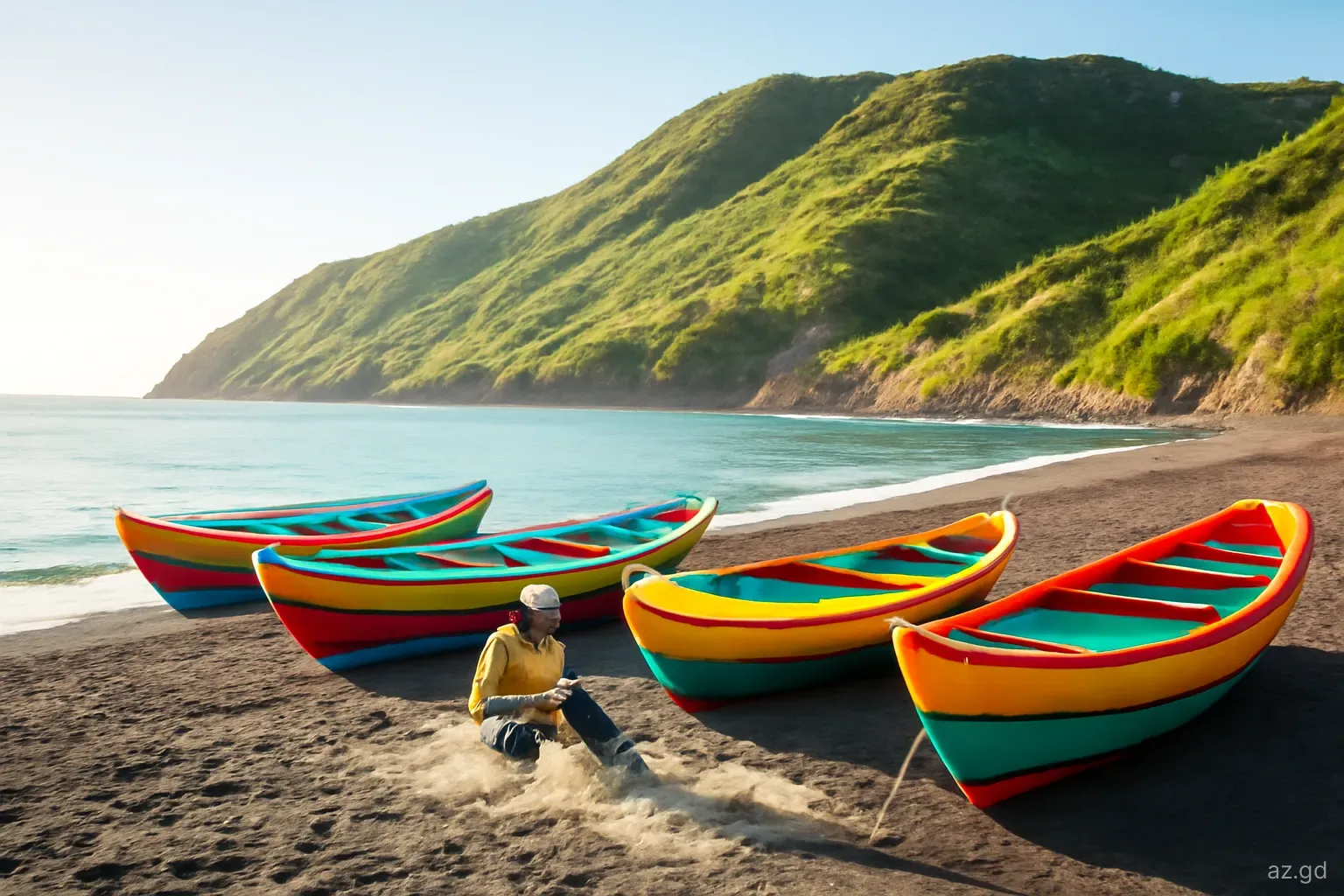
Understanding why access matters so much makes the rules easier to follow. For many Grenadian families the beach is the weekend living room. Sunday afternoons, public holidays and school breaks bring groups with coolers, music and pots of food, and in many villages the nearest bay is where children learn to swim and where fishermen pull up their boats. Fishing communities such as Gouyave and Grenville also depend on beach landing sites for their livelihood.
An oil down cooked over a wood fire on the sand is a classic holiday tradition, and groups often arrive early to claim a spot under the trees. Visitors are welcome to share the beach, but setting up a towel in the middle of a family gathering or a fishing landing area is poor form. Give boats, nets and seine crews pulling in a catch plenty of room.
This everyday local use is the reason any attempt to restrict access draws such a strong reaction. It is also why beaches near villages can feel busy on a Sunday and almost empty on a Tuesday morning.
If you find access blocked
Most visitors never encounter a blocked beach. If you do, handle it calmly and use the proper channels:
- Do not argue with security staff or climb walls and fences; that turns a public-access question into a trespass issue.
- Look for an alternative public route, such as a road end or a path used by fishermen. Locals generally know them.
- Note the location, what is blocking access and when you saw it, including photographs taken from a public place.
- Raise it with the local district office or the Physical Planning Unit, which deals with structures near the shore. The police can attend where access is physically obstructed.
- For questions about rights on a specific piece of land, consult a Grenadian attorney; general advice cannot settle a boundary dispute.
Frequently asked questions
Can you use a resort beach in Grenada if you are not staying there?
You can walk, sit and swim on the beach in front of a resort, because the shoreline is treated as public. You cannot use the resort's loungers, pool, toilets or bar unless you pay or buy a day pass. Reach the sand by a public path, not through the hotel.
Is it illegal to take sand or shells from Grenadian beaches?
Removing sand, stones and gravel from beaches without authorisation is an offence, and taking coral or marine life from protected areas carries penalties. A small shell picked up on an ordinary beach is unlikely to cause trouble, but leaving everything in place is the safest habit.
Why is camouflage clothing banned in Grenada?
Camouflage is reserved for the security forces, so civilians wearing it in public, visitors included, can be fined or have clothing confiscated. The rule covers children's clothes, swimwear and bags. Pack plain beachwear instead.
Can you go on Levera Beach at night?
During the leatherback nesting season, broadly March to August, the beach is treated as restricted at night and you should only go with an authorised turtle-watching tour. Outside the season it is a public beach, though it is remote and unlit after dark.
Are dogs allowed on beaches in Grenada?
There is no general ban, and dogs are a common sight on local beaches. Keep yours under control, clean up after it and keep it away from turtle nesting areas and from people picnicking. Some hotels and protected areas have their own rules.
Who should you contact if a beach access path is blocked?
The Physical Planning Unit deals with walls and structures near the shore, and local district offices can take community complaints. If the obstruction is physical and immediate, the police can attend. For land-rights questions, a Grenadian attorney can advise on the specific case.