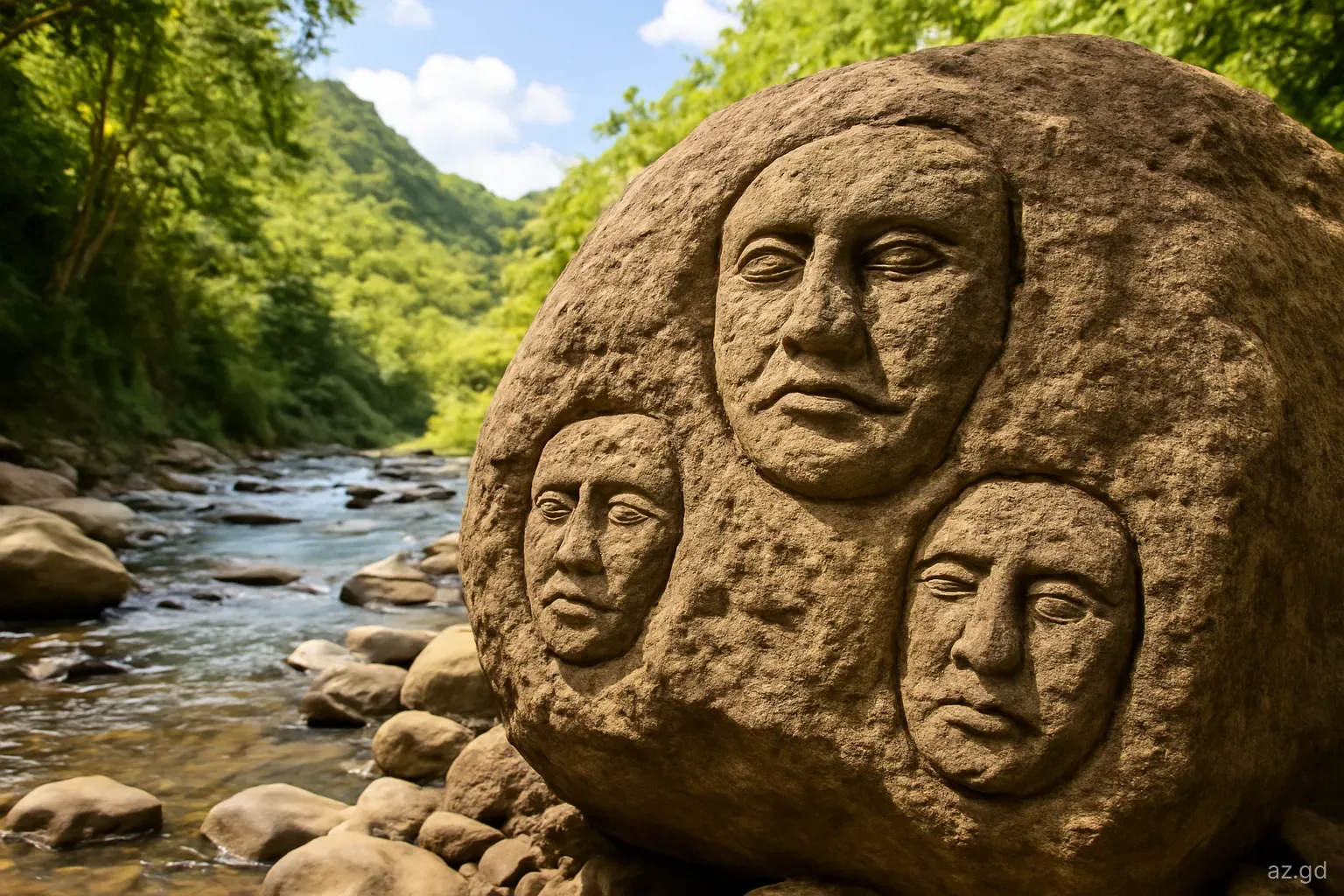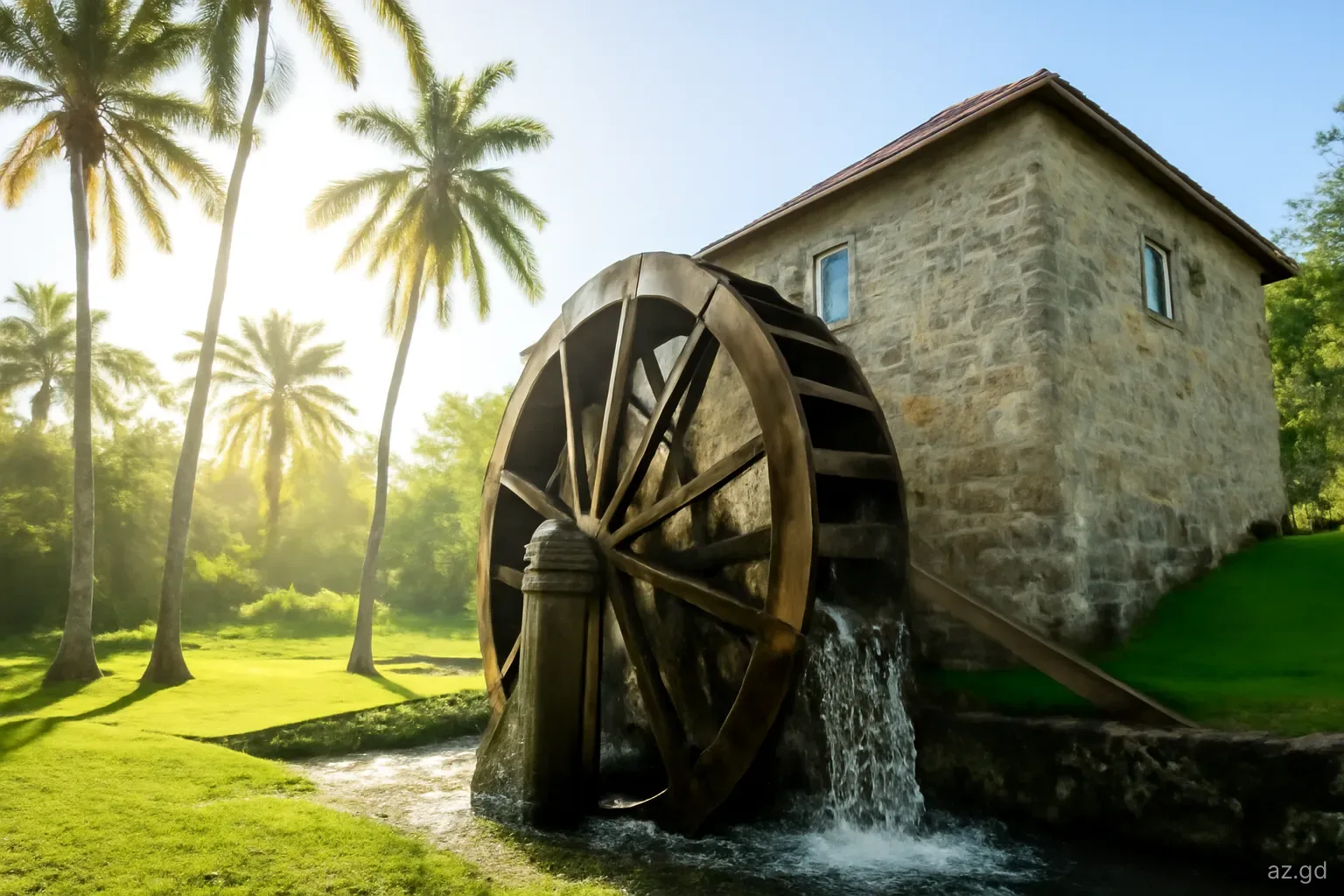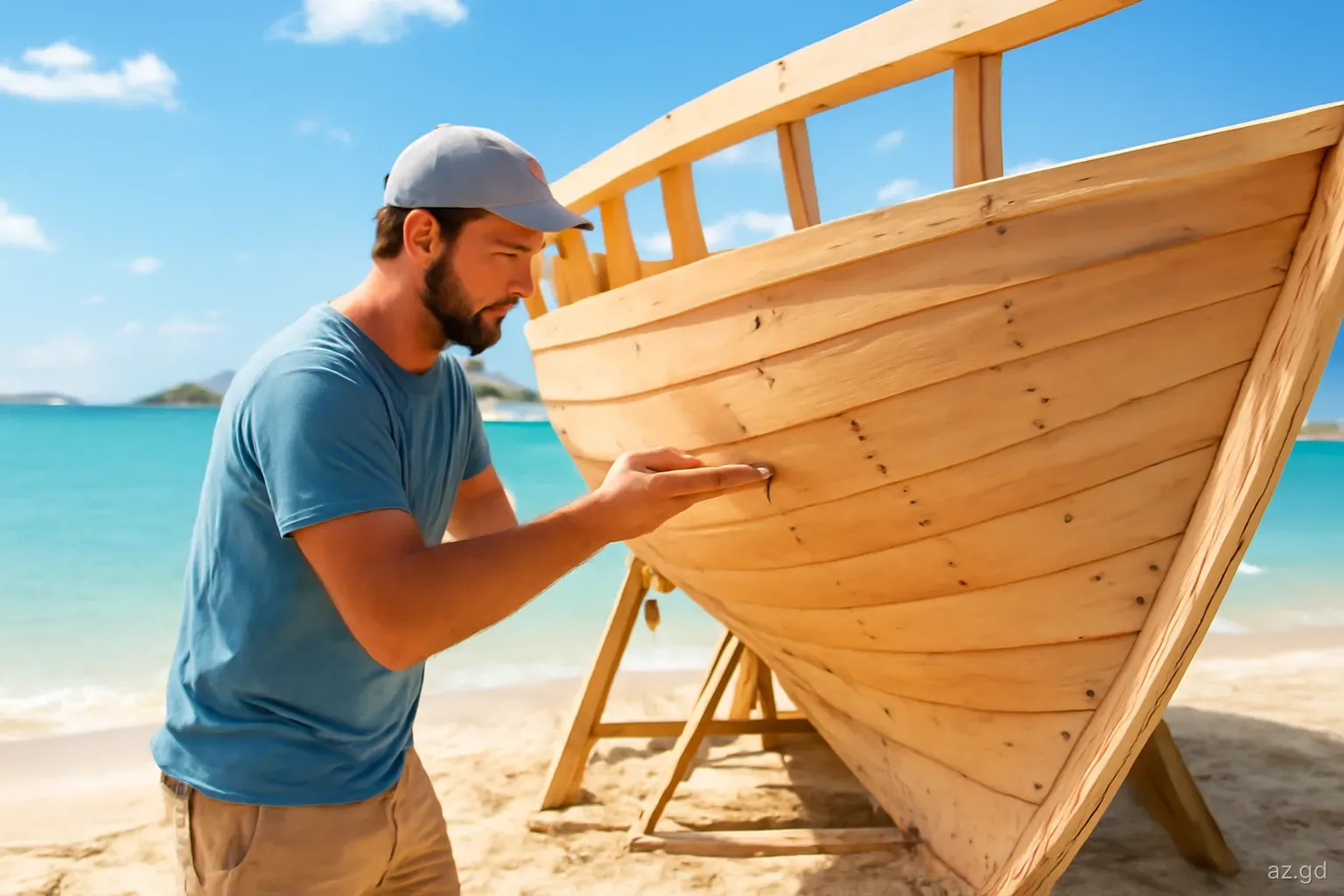
Carriacou and Petite Martinique have a heritage that feels different from mainland Grenada's. There are no great forts or cathedrals. Instead there are wind-scoured estate ruins on dry hillsides, whitewashed tombs in village cemeteries, a museum in an old cotton gin, and beaches where wooden sloops are still built by hand using skills handed down for generations.
Both islands were hit hard by Hurricane Beryl on 1 July 2024, which damaged or destroyed a large share of homes and buildings, and recovery is ongoing. Some sites described here may be closed, altered or under repair. Treat this as a guide to what matters, and confirm the current situation locally before you go.
Hillsborough: the starting point
Hillsborough, Carriacou's main town, is where most visitors begin; since Beryl the ferry from St George's has docked at Tyrrel Bay, a short drive away (confirm when booking). Its long main street runs parallel to the beach, with the jetty at the centre. The Carriacou Museum on Paterson Street occupies a former cotton ginnery that worked until 1979, and its collection covers Amerindian finds, the French and British estate period and the island's African heritage. Termite damage forced a closure in 2019 and Beryl caused serious damage in 2024, so ask in town whether it is open.
Even without the museum, a walk around Hillsborough shows the island's character: old stone buildings near the waterfront, churches of several denominations, and the bustle around the jetty when a cargo or local boat comes in. Hillsborough is also the centre for the Carriacou Regatta and much of the island's carnival, including Shakespeare Mas, added to UNESCO's intangible heritage list in December 2024.
Belair and the estate ruins
Belair. On the high ground above Hillsborough, Belair has the stone ruins of old estate buildings, including what remains of a mill, with views over the town, the bay and the islands to the south. It is one of the best places on Carriacou to see what the plantation landscape looked like.
Other estate ruins. Stone remains of sugar, cotton and lime estates are scattered across the island, especially on hillsides in the north and east. Most stand on private land, sometimes surrounded by farms or grazing animals; view from the road or ask permission.
Why the ruins are so bare. Carriacou is drier than Grenada, and after the estates failed in the nineteenth century, owners left and the land passed to small farmers. Without the money or reason to maintain great houses, they decayed, leaving the stone shells you see today.
Safety. Old walls and windmill towers can be unstable, especially after Beryl. Do not climb on them, and keep children well back from edges.
Windward and the boatbuilding tradition
Windward, on the north-east coast, is the home of Carriacou's best-known craft: building wooden sloops and schooners by hand, on the beach, without formal plans. The tradition is often traced to Scottish shipwrights who settled in the area in the nineteenth century and passed their skills to local families, who adapted them over generations. Boats from Windward have sailed throughout the Caribbean as trading vessels, fishing boats and, more recently, racing sloops for the Carriacou Regatta.
If a boat is under construction, you may see the curved frames of a hull rising on the shore, with shipwrights shaping white cedar and other timbers. Launches are community events, marked with a ceremony, offerings and often Big Drum, and the whole village helps push the hull into the sea. Visitors should ask before photographing work or entering the yard, and remember that these are people's livelihoods. Beryl destroyed boats and workshops in 2024, so construction activity may be reduced while families rebuild.
Village heritage: tombs, art and churches
Cemeteries and tombs. Village cemeteries across Carriacou are filled with whitewashed and painted tombs, many built for tombstone feasts, the ceremonies at which families unveil a permanent headstone. Visitors may look respectfully, but avoid walking on graves and never photograph a family gathering without permission.
L'Esterre and Canute Caliste. The village of L'Esterre, in the south-west, was home to Canute Caliste, Carriacou's celebrated folk painter, whose naive paintings of mermaids, Big Drum dances, boats and village life are prized by collectors. His work is the best visual record of twentieth-century Carriacou culture.
Churches. Catholic, Anglican, Methodist and other churches serve each village, several built of local stone. Sunday services, with strong singing, are open to respectful visitors.
Amerindian sites. Coastal areas such as Grand Bay have yielded pottery and shell remains from Amerindian settlement. There is little to see without a specialist, but the museum, when open, holds finds.
Petite Martinique
Petite Martinique, a short boat ride east of Carriacou's northern tip, is the smallest inhabited island of the state, home to a close-knit community of roughly a thousand people. Its heritage is maritime above all: boatbuilding, fishing, inter-island trading and seafaring have shaped families for generations, and many islanders have relatives working at sea or in the diaspora.
There are no formal heritage attractions, but a walk around the island shows wooden boats under construction or repair, small family homes and the steep slopes of the central hill. Beryl struck Petite Martinique hard in 2024, and the community is rebuilding. Visitors arrive by ferry from Carriacou or by water taxi from Windward. Arrive with an open mind, greet people as you pass, and ask before taking photographs.
Getting around for heritage visits
Carriacou is small, roughly 12 km from end to end, but hilly, and the heritage sites are spread out. Route buses run between Hillsborough and the main villages, including Windward, L'Esterre and Harvey Vale, and are cheap and sociable but irregular, especially in the afternoons and on Sundays. Taxis are the most practical option for a heritage tour, and many drivers know the history well; agree the route, waiting time and fare before setting off.
Hiring a car is possible, with a local driving permit available from the police or through rental companies, but roads are narrow and steep in places and damaged sections may remain after Beryl. Walking is rewarding for short distances, such as the climb from Hillsborough to Belair, but carry plenty of water: Carriacou is drier and often hotter than Grenada, and shade is scarce on the hillsides. Petite Martinique is easily covered on foot.
For a first visit, a half-day taxi tour taking in Hillsborough, Belair, Windward and L'Esterre gives a good overview, leaving time for a beach in the afternoon. Visitors with a deeper interest can spend a second day with a local guide, visiting cemeteries, boatyards and the island's quieter estate ruins.
Visiting tips and mistakes to avoid
Carriacou and Petite Martinique reward a slower pace. Bear these points in mind:
- Check what is open. After Beryl, some sites, guesthouses and services may be closed or limited. Contact your accommodation before travelling.
- Hire a local driver or guide. Signposting is minimal and many sites are on unmarked tracks. Taxi drivers in Hillsborough often double as guides.
- Bring cash. Card payments and ATMs are limited, especially outside Hillsborough and on Petite Martinique.
- Respect private land. Most ruins and boatyards are on private property.
- Plan around ferry times. Schedules can change with weather and demand; build in a margin if you are connecting with a flight from Grenada.
- Time your visit. Carnival before Lent, the Maroon and String Band Music Festival in spring, the Regatta around early August and Parang in December bring heritage traditions into public view.
Frequently asked questions
What are the main heritage sites on Carriacou?
The Carriacou Museum in Hillsborough, the estate ruins and windmill at Belair, the boatbuilding beaches of Windward, village cemeteries with tombs built for tombstone feasts, and L'Esterre, home of the folk painter Canute Caliste. Check what is open after Hurricane Beryl.
Is Carriacou still recovering from Hurricane Beryl?
Yes. Beryl struck Carriacou and Petite Martinique on 1 July 2024, damaging or destroying many homes and buildings. Recovery is ongoing, and some sites and services may be closed or limited. Confirm arrangements locally before travelling.
Can visitors watch boats being built in Windward?
Sometimes, when a boat is under construction. Ask the shipwrights before approaching or photographing, keep clear of tools and timber, and remember it is skilled work and a livelihood, not a performance.
How do you get to Petite Martinique?
By ferry from Carriacou or by water taxi from Windward. Services and schedules vary, so ask locally or at your accommodation. Petite Martinique is small enough to explore on foot in a few hours.
Who was Canute Caliste?
A celebrated Carriacou folk painter from L'Esterre whose colourful naive paintings show mermaids, Big Drum dances, boats and village life. His work is an important visual record of the island's culture and is sought after by collectors.
When is the best time to experience Carriacou's heritage?
Carnival before Lent brings Shakespeare Mas; the Maroon and String Band Music Festival is usually in spring; the Regatta is around early August; Parang fills December. Dates vary, so check with local organisers.