Drive anywhere in rural Grenada and you pass the remains of the plantation economy: a round stone tower in a pasture that was once a windmill, a chimney among banana trees, a cut-stone wall along a road that marked an estate boundary. Some estates still work, now growing cocoa, nutmeg or cane under very different conditions. A few have opened their doors to visitors.
Visiting these places is one of the most direct ways to understand how Grenada's wealth was made and by whom. This guide covers the estates where heritage can be seen most clearly, what each offers, how to visit, and how to keep in mind that these were places of forced labour, not just picturesque ruins.
How to read an estate
Most Grenadian estates followed a similar plan. The great house, the owner's or manager's residence, usually stood on rising ground to catch breezes and keep watch. Below it were the works: on sugar estates a mill to crush cane, powered by animals, wind or water, a boiling house where juice was reduced to sugar, a curing house, and often a distillery for rum. On cocoa and spice estates, look instead for drying floors and boucans, the sheds with sliding roofs that are rolled back to dry beans in the sun and closed when rain comes.
Further from the great house stood the quarters of the enslaved, usually built of wood and thatch and now almost entirely gone, and the provision grounds where families grew their own food. The absence of those homes is itself telling: the stone buildings that survive were the ones that mattered to owners. When you stand in an estate yard, it is worth picturing what has disappeared as well as what remains.
Estates you can visit
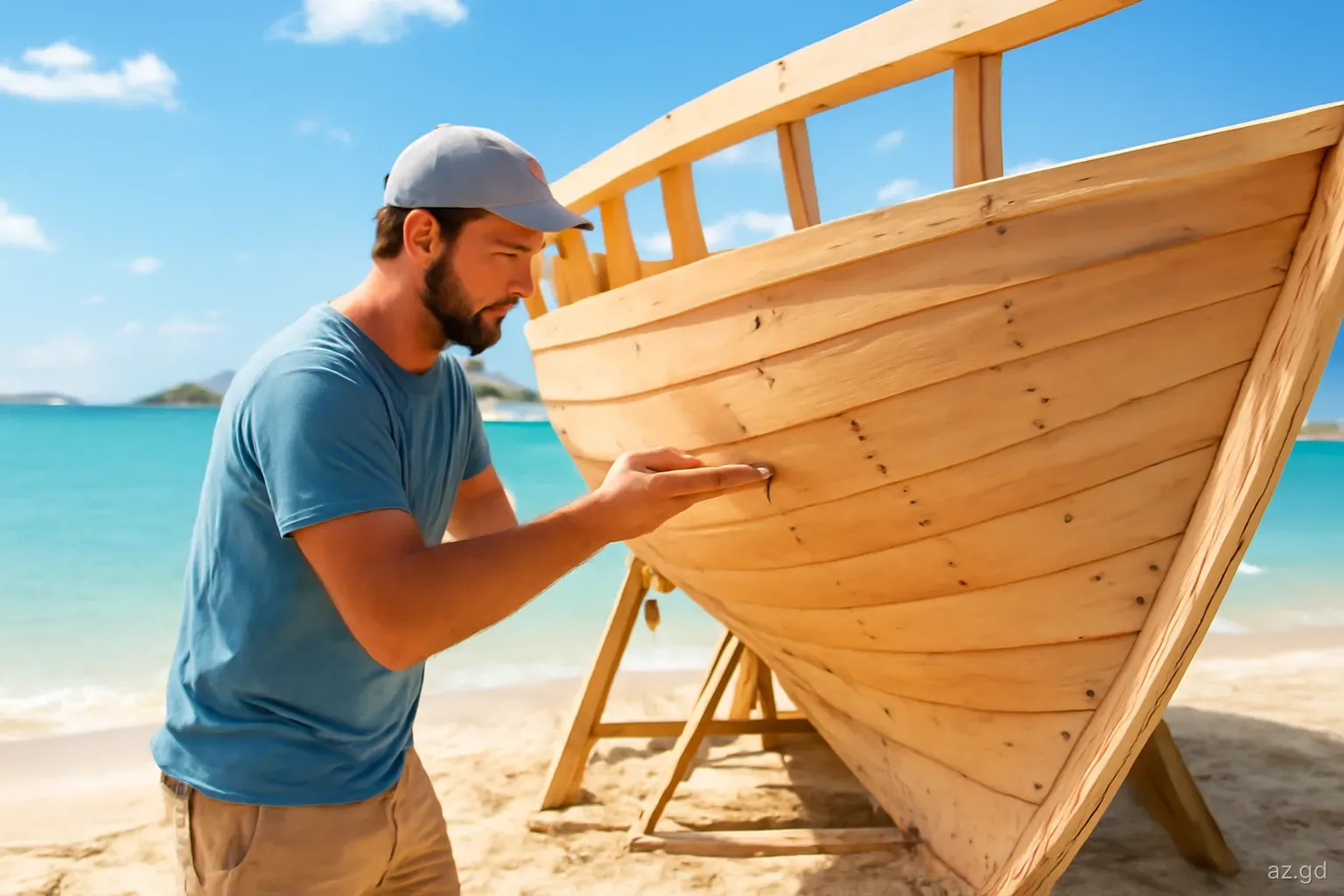
Belmont Estate, St Patrick. A working estate with roots in the seventeenth century, known for cocoa. Guided tours follow beans from pod to fermentation and drying, and a small heritage museum covers the estate's history. A restaurant and shop make it the most visitor-ready of Grenada's estates and a good choice for families.
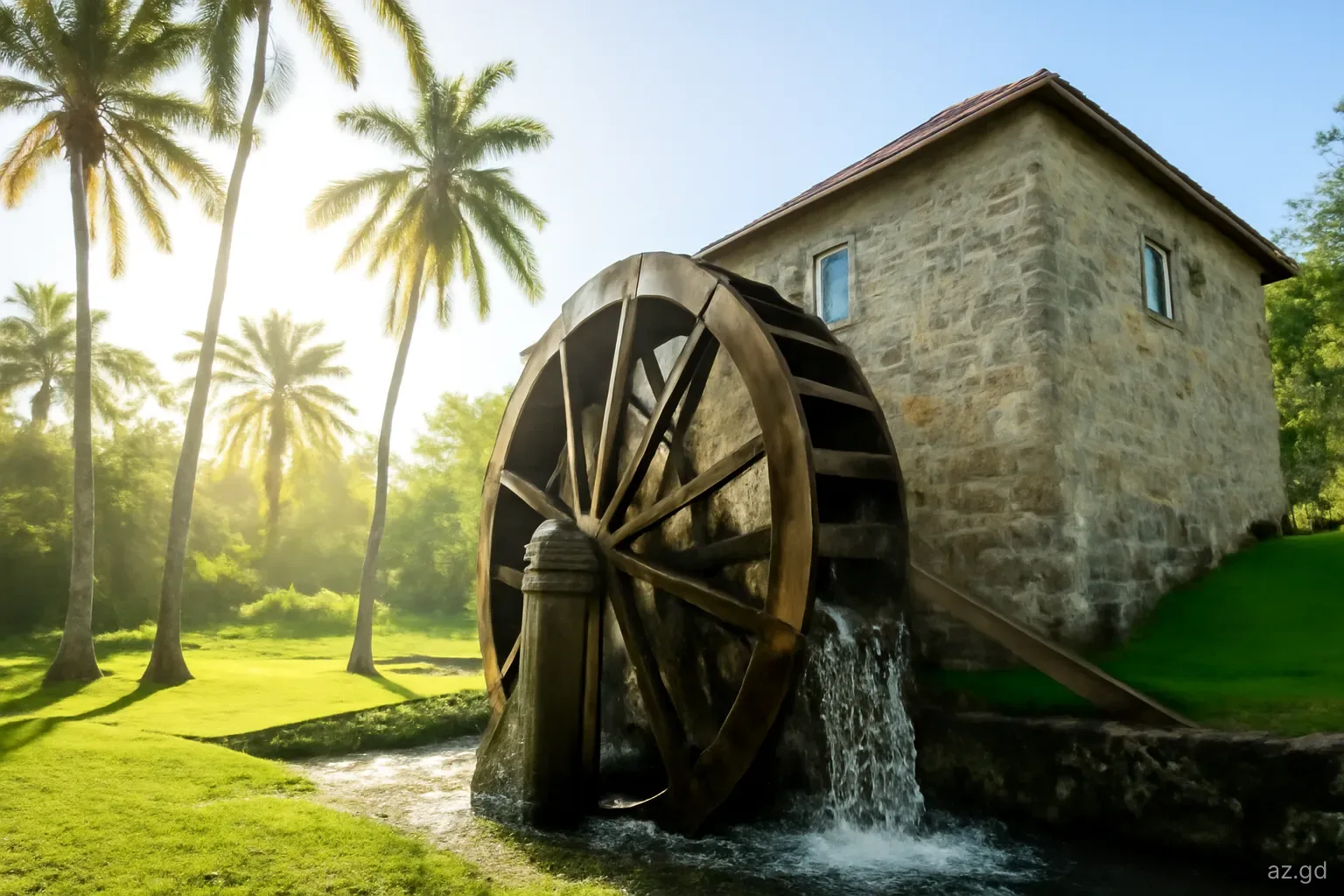
River Antoine, St Patrick. Founded in 1785, this distillery crushes cane with a water wheel fed by a channel from the river, then boils and ferments in methods little changed in two centuries. Its rum is famously strong; the highest-proof versions are subject to airline restrictions, so ask before buying to fly home.
Dougaldston Estate, St John. Near Gouyave, an old spice estate whose buildings and drying trays are a reminder of the nutmeg and cocoa boom. Visiting has historically been informal; confirm whether tours are running.
Morne Fendue, St Patrick. A plantation house built in the early twentieth century from local stone, said to have been bonded with a mortar of lime and molasses. It was long known for traditional Grenadian lunches; check whether it currently receives visitors.
Westerhall, St David. An estate with a long rum-making history on the south-east coast, where old equipment has been displayed to recall the era of sugar and rum production. Visiting arrangements vary.
From sugar to cocoa and spice
Grenada's estates did not stand still. In the eighteenth century sugar dominated the flatter coastal lands, especially in St Andrew, St Patrick and St David. After emancipation in 1834 to 1838 and the decline of sugar prices, many estates shifted to cocoa, which grew well on the island's hillsides and needed less heavy processing. Nutmeg arrived in 1843 and spread through the following decades, and by the twentieth century Grenada was known worldwide as the Spice Isle.
Each phase left its mark. Sugar left windmill towers and mill ruins; cocoa and nutmeg left drying houses and boucans that are still in use. Many estates were broken up over time, through sales to smallholders, government land reform and, during the revolutionary period of 1979 to 1983, state farms, so that a single estate name may now cover a village, a cooperative and a few remaining fields. Hurricane Ivan in 2004 flattened huge numbers of nutmeg trees, and some estates never fully recovered.
Sugar did not vanish entirely. Rum is still distilled at a handful of sites, including the Clarke's Court distillery at Woodlands in St George, a modern operation on old estate land, and River Antoine in St Patrick, the opposite extreme. Seeing both shows how far the technology has moved, and how much of the old plantation geography, from cane fields to estate boundaries, still shapes where things are made and who lives where.
Planning an estate day
Most estates lie in the north and east, so a loop through St Patrick and St Andrew covers several in one day:
- Start early from the south, as the drive up the east coast through Grenville or over the Grand Etang road takes well over an hour.
- Visit River Antoine in the morning, when work is usually under way and you can see the wheel and the boiling house in action. Opening days and hours vary; confirm first.
- Continue to Belmont Estate for a tour and lunch; reserving ahead is sensible in high season and on cruise days.
- Add Leapers' Hill and St Patrick's Roman Catholic Church in Sauteurs, a few minutes from Belmont.
- Return down the west coast via Gouyave and Dougaldston, or take the Grand Etang road back through the rainforest.
- Hire a driver who knows the estates if you are unsure of the roads; signposting is limited and many estate entrances are easy to miss.
Ruins worth spotting from the road
Many of the most evocative plantation remains are not attractions at all, just structures you pass on the way somewhere else. Keep an eye out for:
- Windmill towers. Round, tapering stone towers on breezy hillsides, especially in the drier south-east and on Carriacou, where wind was the cheapest power for crushing cane.
- Water channels and aqueducts. Stone-lined channels that carried river water to mill wheels, sometimes still flowing beside the road in St Patrick and St Andrew.
- Chimneys. Tall square or round chimneys from boiling houses and steam mills, often standing alone in fields after the buildings around them collapsed.
- Estate bells and gateposts. Stone gateposts at road junctions and the occasional bell frame, which once called workers to the fields.
- Great houses. A few survive as private homes, guesthouses or offices; most have vanished or are roofless shells. Admire from the road unless invited.
- Estate names on bus routes. Many route bus destinations and villages carry old estate names, a quiet reminder of the landscape's origins.
What to keep in mind
Estate visits are pleasant days out, but a little awareness goes a long way:
- Remember whose labour built them. Guides vary in how much they talk about slavery. It is reasonable to ask about the people who worked the estate, and good guides will welcome the question.
- Respect private property. Many ruins stand on land that is privately owned or farmed. Ask before walking into fields or buildings.
- Don't climb on ruins. Old masonry can be unstable, and some towers have collapsed in recent decades.
- Drink responsibly at distilleries. Tastings of high-proof rum and winding mountain roads do not mix; plan for a driver.
- Carry cash. Smaller estates may not take cards. Fees for tours are modest but vary, so confirm prices when booking.
Frequently asked questions
Which plantation estates in Grenada are open to visitors?
The most visitor-ready is Belmont Estate in St Patrick, with tours, a museum and a restaurant. River Antoine Rum Distillery welcomes visitors, and estates such as Dougaldston, Westerhall and Morne Fendue have received visitors at various times; confirm current arrangements first.
What is a boucan?
A drying house used on cocoa and nutmeg estates, often with a sliding roof on rails. Beans or nutmegs are spread out to dry in the sun, and the roof is rolled over them when rain threatens. Several estates still use them.
How old is River Antoine distillery?
River Antoine dates from 1785 and is one of the oldest working distilleries in the Caribbean. It still uses a water wheel to crush cane, and its production methods have changed remarkably little over more than two centuries.
Can River Antoine rum go home in your luggage?
Airlines and aviation rules restrict very high-proof alcohol, and River Antoine's strongest rum falls into that range. Lower-strength versions are usually fine in checked luggage within limits. Check your airline's rules before buying.
Is Belmont Estate good for children?
Yes. The cocoa tour is short and hands-on, there is space to walk around, and the restaurant serves local food. It is one of the easiest heritage visits in Grenada for families with children of most ages.
Are there sugar mill ruins in Grenada?
Yes, across the island, especially in St Patrick, St Andrew, St David and on Carriacou. Look for round stone windmill towers and old mill buildings on hillsides. Many are on private land, so view them from the road or ask permission.