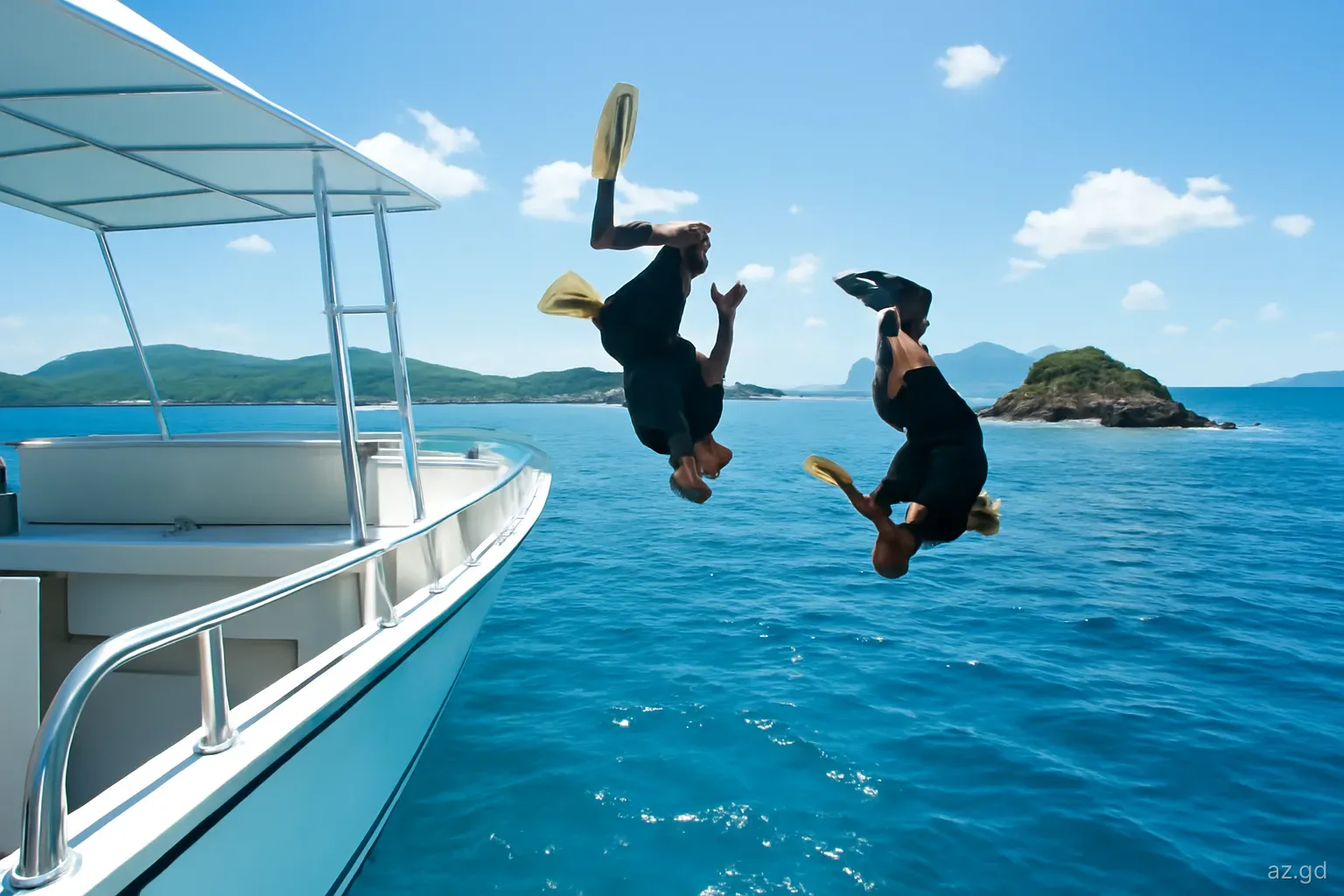
Carriacou's diving feels different from the main island's. The reefs are scattered around small islets and rocks rather than along a single coast, the boats are small, the groups are smaller still, and on many dives yours is the only boat in sight. What it lacks in famous names it makes up for in fish life and the sense of a place that has not been dived to exhaustion.
It also has its own complications. Currents between the islands are strong and tide-driven, the island was hit hard by Hurricane Beryl in July 2024, and getting there means a ferry or a small plane. This page covers the main sites, the protected area, the conditions and the practical planning for a dive trip to Grenada's sister island.
The sites people come for
Sisters Rocks. A cluster of rocks breaking the surface off Carriacou's west side, usually dived as two sites, Deep Blue and Barracuda Point. Walls and boulders drop to around 35 metres, with big schools of fish, turtles, rays and sometimes reef sharks. Routes around and between the rocks allow shallower dives too, but currents here change with the tide and can become too strong for most divers around new and full moon.
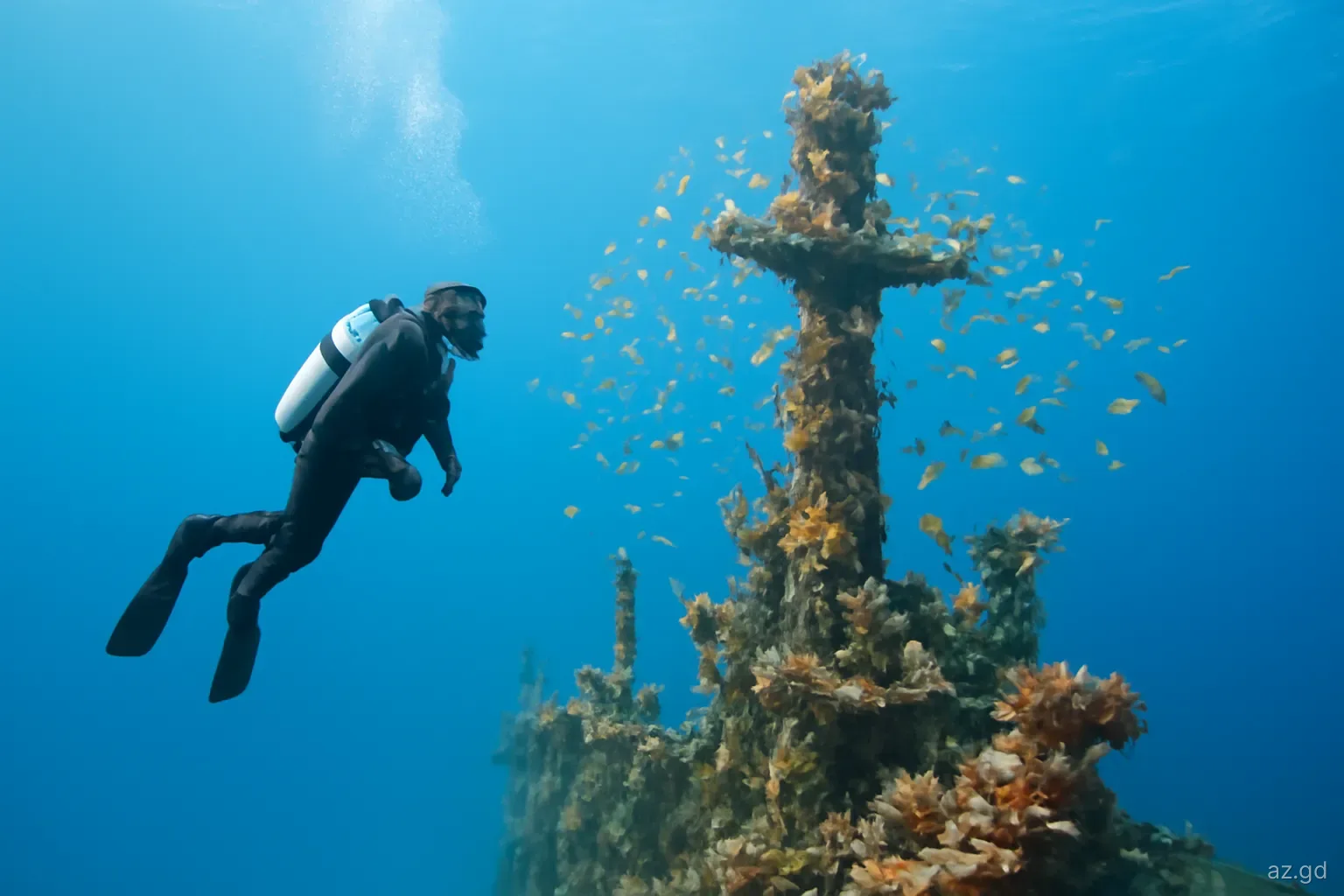
The Twin Tugs. Two tugboats, the Westsider and the Boris, were deliberately sunk as artificial reefs near Mabouya Island, the first on 4 September 2004 and the second on 10 September 2007. Each is around 30 metres long and sits upright at roughly 28 to 30 metres, now coated in red and orange encrusting growth and home to angelfish, soldierfish, lobster and moray eels. Depth makes this an Advanced-level dive.
Mabouya Island reefs. The uninhabited island off the west coast has several reef sites around it, from gentle sloping reef suited to newer divers to drift dives along its edges. It is often combined with the tugs.
Sandy Island. The reef around the low sandbar island off Hillsborough is shallow and easy, used for training, second dives and snorkelling. It lies within the marine protected area described below.
Petite Martinique and the outer rocks. Sites further north-east towards Petite Martinique are dived less often and depend on sea conditions. Operators decide on the day whether the crossing is worth it.
The Sandy Island Oyster Bed Marine Protected Area
Much of Carriacou's best water lies inside the Sandy Island Oyster Bed Marine Protected Area, which covers Sandy Island, the reefs off Hillsborough and L'Esterre, and the mangroves of the Oyster Bed area by Tyrrel Bay and Harvey Vale. The mangroves matter as much as the reef: they are the nursery where juvenile fish and the small mangrove oysters that gave the area its name grow before moving out to sea.
Inside the protected area, fishing and collecting are restricted, anchoring is limited to designated zones, and boats are expected to use moorings at sites like Sandy Island. Fees are charged for diving, snorkelling and mooring and are collected by the park's staff or through your operator; amounts have changed over the years, so confirm the current rate when booking rather than relying on an old figure. Divers in the protected area are generally expected to dive with a licensed local operator.
Hurricane Beryl struck Carriacou and Petite Martinique on 1 July 2024 with devastating effect on homes, the hospital, the airport and the boats in Tyrrel Bay. Reefs can be damaged by storm surge and debris too, and shoreline facilities took years to recover after Ivan in 2004. Ask operators how specific sites have fared and which services are running before you travel.
Currents and conditions: what to expect
Carriacou's position between the Atlantic and the Caribbean means water moves. That brings the fish life, and it is also the main risk.
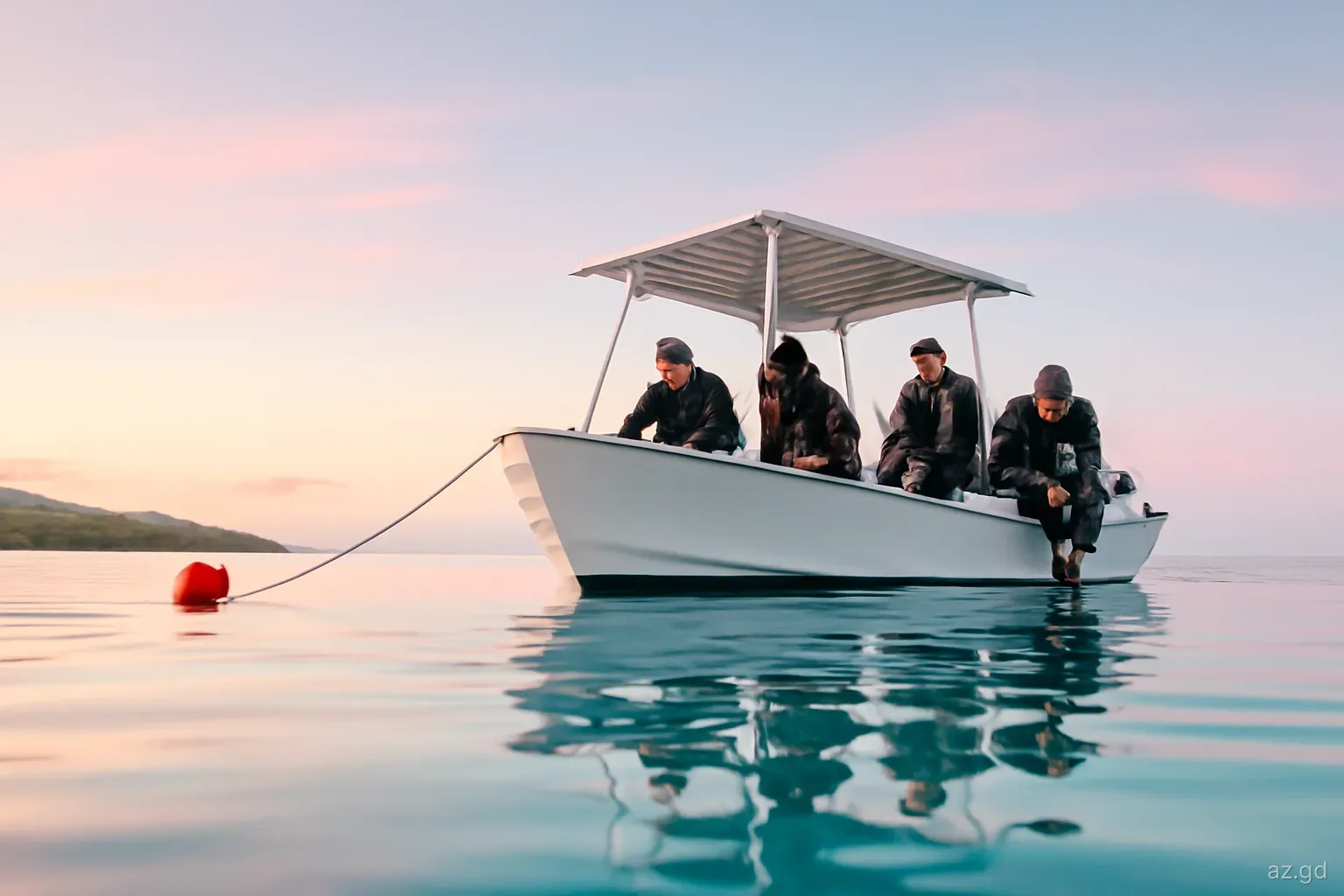
- Tidal currents run strongly between the islands and around exposed rocks. Many dives are planned as drifts, with the boat following the group's surface marker buoy.
- Around new and full moon, spring tides make currents stronger. Operators may switch sites at short notice or dive at slack water only.
- Visibility is often excellent, regularly reaching 20 metres or more on good days, but drops after heavy rain and during the greener-water periods of late summer and autumn.
- Water temperature runs from about 26°C in the coolest months to 29°C in September and October. A 3 mm wetsuit is enough for most people.
- Surface conditions on the crossing to outer sites can be rough when the trade winds are strong, especially from December to April.
- Carry a surface marker buoy of your own and know how to deploy it; in current, being visible to the boat is not optional.
Getting there and planning a dive trip
The fast ferry between St George's and Carriacou, which has docked at Tyrrel Bay rather than Hillsborough since Beryl (confirm when booking), takes roughly 90 minutes to two hours each way depending on the vessel and sea; the crossing can be lively when the trade winds blow, so take seasickness tablets in advance if you need them. Small planes fly between Maurice Bishop International Airport and Lauriston Airport on Carriacou in around 20 minutes, though schedules have been disrupted since Beryl damaged the airport, so check current services. Petite Martinique is a short boat ride from Windward or Tyrrel Bay.
The dive shops are based around Tyrrel Bay, Hillsborough and the Paradise Beach area of L'Esterre. Staying close to your operator makes early starts easy, since taxis and buses on Carriacou are less frequent than on the main island.
Book dives a day or two ahead rather than turning up at the jetty: boats leave only when there are enough divers, and in the quieter months an operator may run trips on alternate days. If you hold a certification card from an agency the shop rarely sees, bring the card itself and a logbook so there is no doubt about your level.
Plan the order of a combined trip carefully. Diving in Carriacou and then flying back to Grenada the same day is not recommended, even though the plane flies low; the safest approach is to take the ferry back, or leave a full surface interval before the flight. Most divers build in a non-diving day at the end of a Carriacou stay anyway, for the beaches or a trip to Petite Martinique.
Pitfalls specific to Carriacou
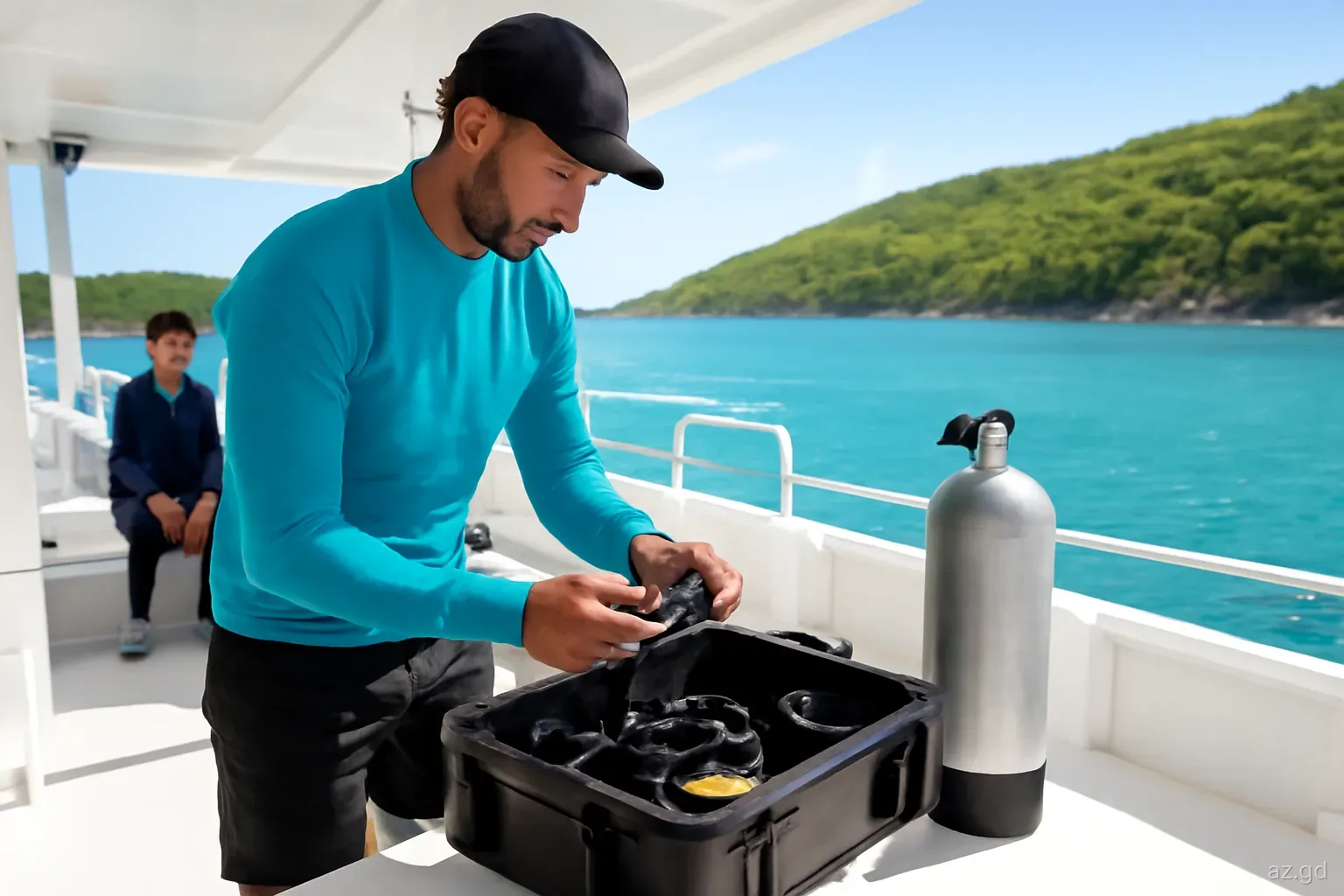
Assuming main-island services. There are fewer shops, fewer boats and less spare equipment. Bring your own mask, computer and a spare O-ring kit, and book ahead in the high season.
Cash. ATMs exist in Hillsborough but can run out or go offline, particularly at weekends and during festivals. Carry enough EC dollars for park fees, water taxis and meals.
Festival weeks. Carriacou Regatta around the August holiday and the Maroon and String Band Music Festival in spring fill accommodation and ferries. If diving is your aim, avoid those dates or book far ahead.
Underestimating the current. Divers who are relaxed on the calm Caribbean reefs of the main island sometimes struggle on a Sisters Rocks drift. Be honest about your experience and ask for a gentler site if needed.
Exposure on small boats. Carriacou dive boats are often open boats with little or no shade. Between two dives in the midday sun you can lose a lot of fluid, which is itself a risk factor for decompression illness. Bring a hat, a long-sleeved top and more water than seems necessary.
Emergency distance. Serious medical problems on Carriacou mean transfer to the main island or beyond. Dive within your limits and make sure your insurance covers evacuation.
Frequently asked questions
Is Carriacou good for beginner divers?
Yes, with the right sites. Sandy Island and the gentler parts of Mabouya have shallow, easy reef suited to training and new divers. Sisters Rocks and the Twin Tugs are for experienced divers because of depth and current, so a beginner trip is planned around the sheltered sites.
Can you see the Kick 'em Jenny volcano when diving from Carriacou?
No. Kick 'em Jenny is an active submarine volcano between Grenada and Carriacou with its summit far below diving depth, and vessels must stay out of an exclusion zone around it. Recreational dives do not go near it, and boat crossings are routed around the zone.
How many days of diving does Carriacou need?
Three or four days of diving covers the main sites with time for repeat dives in good conditions. Add a day for travel each way and a dry day at the end before flying, so a week on the island makes a comfortable dive trip.
Do dive shops in Carriacou teach courses?
Yes. Operators on the island offer try-dives, Open Water and Advanced courses and some specialties. Groups are often very small, which suits nervous learners, but schedules are less flexible than on the main island, so book courses in advance.
What marine life is typical in Carriacou?
Turtles, spotted eagle rays, southern stingrays, nurse sharks, large schools of creole wrasse and jacks, barracuda, moray eels and lobster are commonly seen, along with frogfish and seahorses for divers who look closely. Reef sharks appear at the more exposed sites like Sisters Rocks.