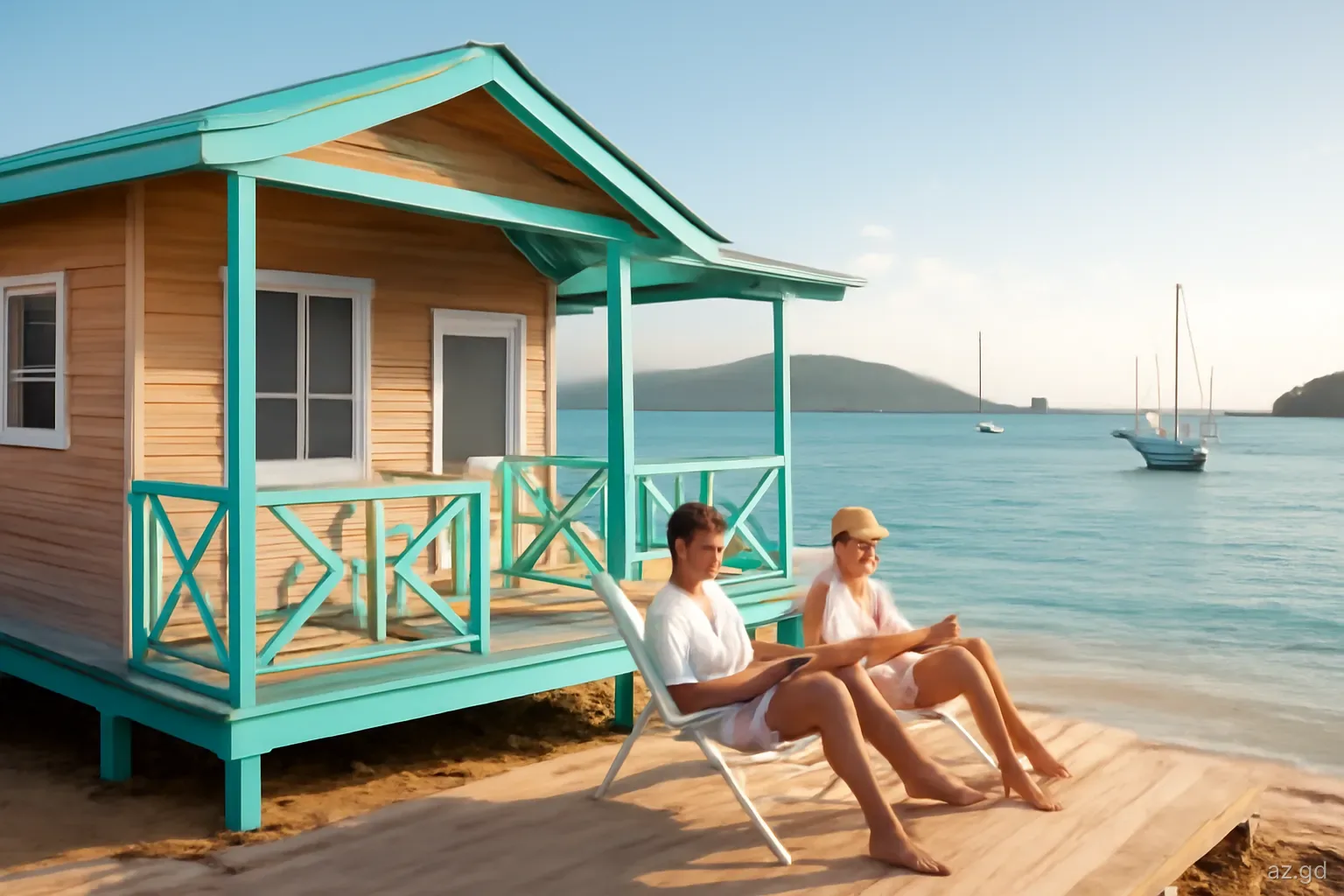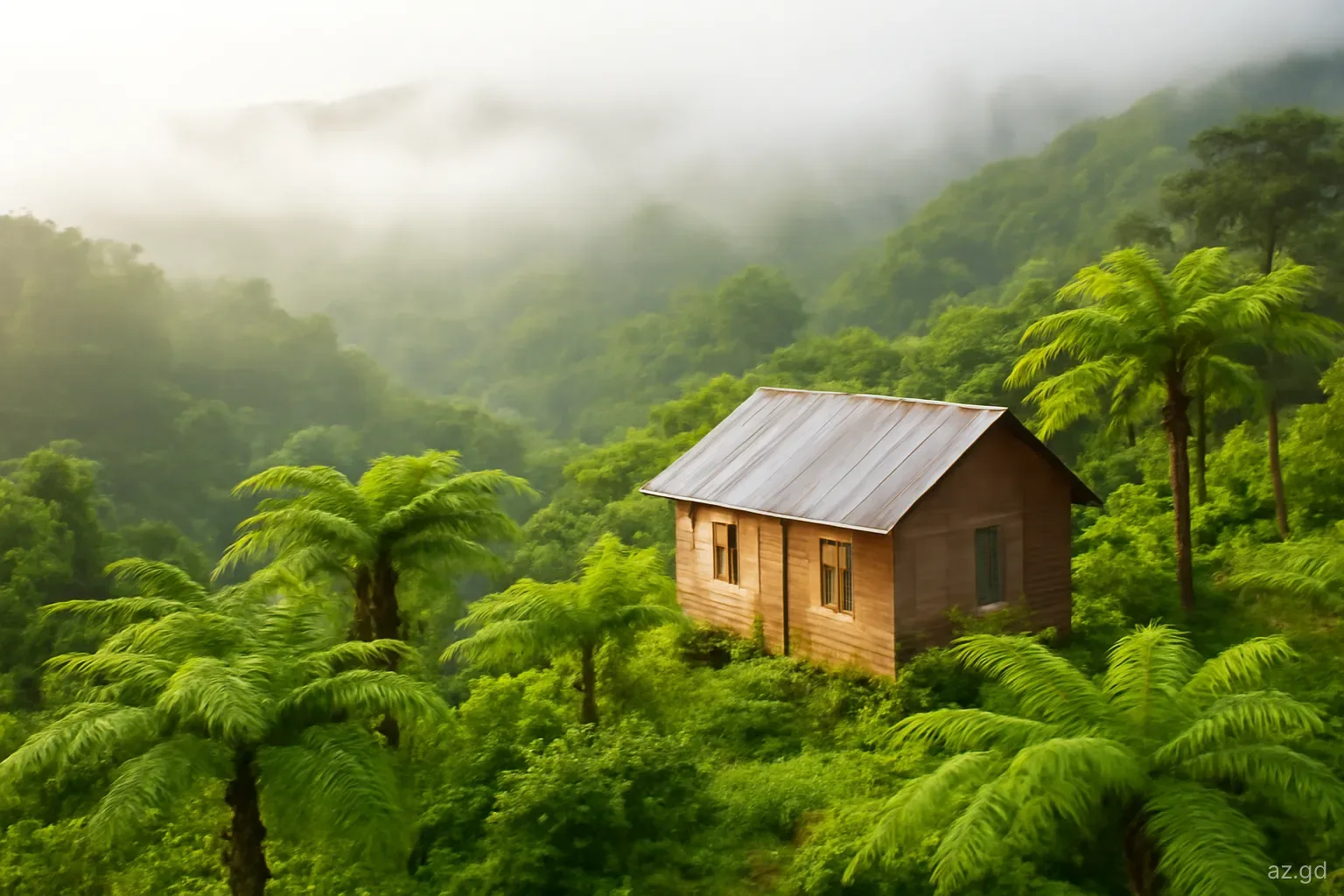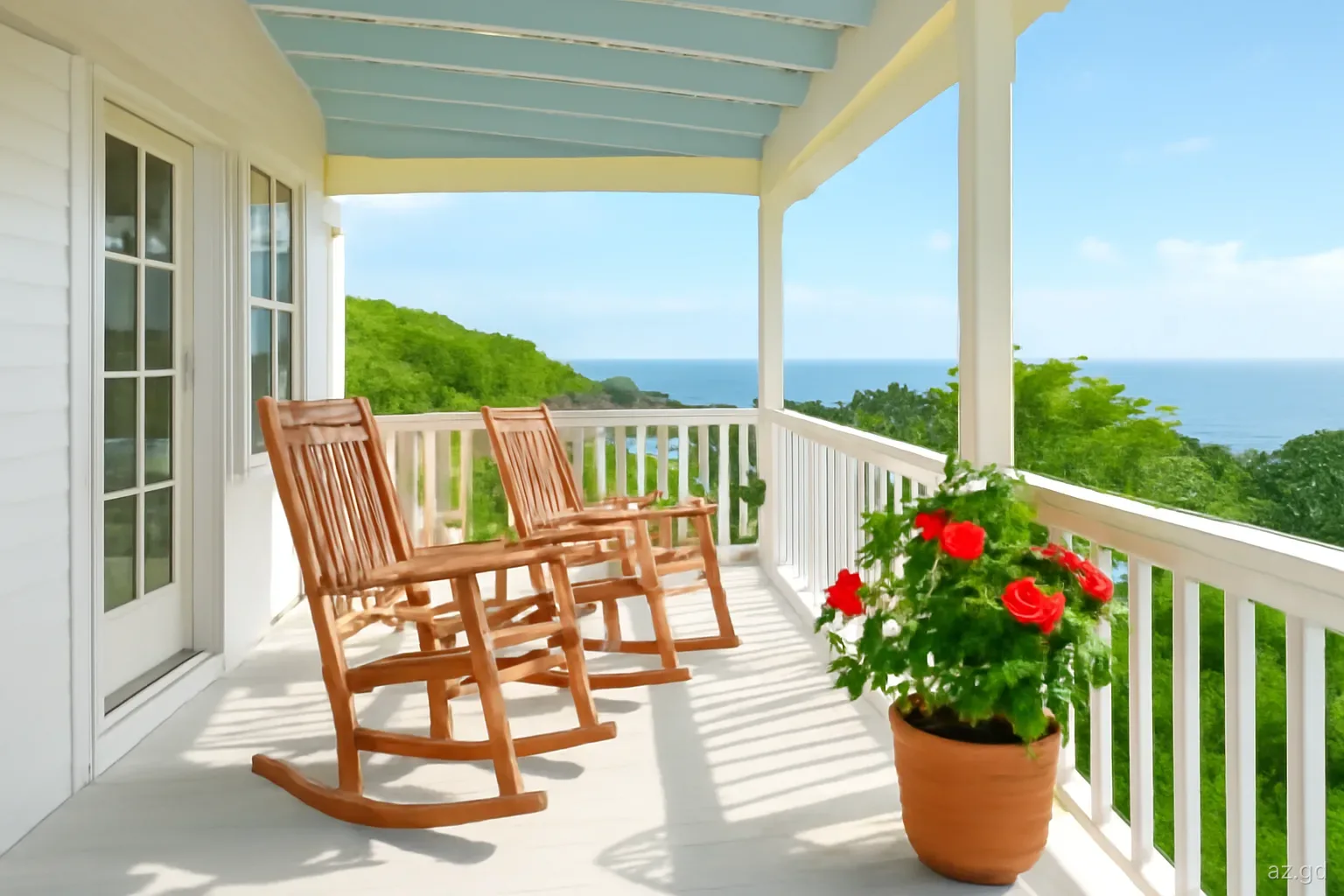
Grenada has no high-rise hotel strip. Local planning has kept most buildings low, and the island's room stock is a mix of mid-sized resorts, family-run inns, self-catering apartments and private villas, with a growing number of homes let through online platforms. The result is genuine choice, but also more variation in standards than in destinations dominated by big chains.
Each type works differently in Grenada: what is normally included, where it tends to be located, how meals and transport fit in, and the typical price brackets. Figures below are indicative ranges that move with season and demand; always confirm current rates and what they include directly with the property.
Resorts and all-inclusives
The larger resorts cluster on the south-west coast: Grand Anse, Morne Rouge, Pink Gin Beach near the airport and the Lance aux Epines peninsula. Grenada has relatively few true all-inclusives; Sandals Grenada at Pink Gin Beach is the best-known example, and several other resorts offer all-inclusive packages alongside room-only or breakfast rates. Spice Island Beach Resort on Grand Anse runs an all-inclusive-style model at the luxury end.
Resorts make sense for short stays, honeymoons and families who want everything on site. The trade-off is cost and distance from local life: Grenada's food scene, from fish nights in Gouyave to roadside oil down, sits outside the gates. If you choose all-inclusive, plan at least a few meals out. High-season rates at the top resorts commonly run from several hundred to well over a thousand US dollars per night for two, while mid-range resort rooms are considerably less, especially between May and November.
Small hotels, inns and guesthouses
The backbone of Grenada's accommodation is the small property with somewhere between a handful and a few dozen rooms. Some are polished boutique hotels on hillsides above Morne Rouge or Lance aux Epines; others are simple guesthouses in St George's, Grand Anse, Grenville or Carriacou run by Grenadian families for decades. Breakfast is often available, owners tend to give practical advice about buses, drivers and where to eat, and rates are usually well below resort prices.
Guesthouses vary widely. Some rooms have air conditioning, others only fans; hot water may be solar and weaker on cloudy days; and payment by card is not universal. Simple guesthouse rooms can start somewhere around US$60 to US$120 per night, with boutique hotels commonly in the US$150 to US$400 range depending on season. These are rough brackets only. The way to judge is recent guest reviews and direct questions to the owner.
Self-catering apartments and suites
Apartments are the most practical option for stays longer than a week and for travellers who like to cook. They are plentiful around Grand Anse, True Blue and Lance aux Epines, partly because of demand from St George's University students and visiting faculty. Many are in small blocks with a pool, others are a self-contained unit beneath an owner's home.
Cooking for yourself is realistic in Grenada: large supermarkets operate in the Grand Anse area and St George's, and the Saturday market in St George's and roadside stalls sell local fruit, vegetables and fish. Imported goods cost more than in North America or Europe, so a diet built around local produce saves the most. Check whether the kitchen has an oven or just a hotplate, whether there is a washing machine, and whether air conditioning is metered separately, as electricity in Grenada is expensive.
Apartment blocks near the university fill quickly before the January and August semesters, then free up during breaks. For visitors, that cycle means good availability and better monthly rates in the gaps, and occasional noise from student life in blocks that are mostly let to students. Asking the owner who the other tenants usually are is a fair question.
Private villas and holiday homes
Villas range from modest two-bedroom houses to large estates with staff. They concentrate in Lance aux Epines, around Morne Rouge, on the St David coast and in pockets of Carriacou. Some are professionally managed with housekeeping, a cook on request and a local manager on call; others are let directly by overseas owners who rely on a caretaker.
For groups and families, a villa can cost less per person than hotel rooms. But villas carry more risk of mismatch: the quality of management matters as much as the house. Points worth confirming before paying include water storage and backup power, the condition of the access road, whether a car is necessary, and who to call when something breaks at night. A separate article on this site covers the full villa checklist.
Villas also suit visitors who want privacy and a slower pace, but they shift work onto the guests: shopping, cooking, transport and dealing with minor problems all fall to you unless staff are included. Factor in a hire car and groceries when comparing a villa price with a hotel that includes breakfast and a walkable beach.
Eco-lodges, rainforest stays and online platform rentals
Nature lodges. A small number of properties sit inland or on the quieter coasts, set in gardens or forest and often run on solar power with rainwater collection. They suit hikers and birdwatchers, but expect insects, humidity, dirt roads and a drive to beaches and shops.
Rooms and homes on booking platforms. Online rental platforms list everything from a spare room in a family home to luxury villas. Quality ranges more widely than with hotels, so read recent reviews carefully and check the exact location before paying.
Registration. Formal hotels and guesthouses are registered with the tourism authorities and collect VAT; informal rentals may not be. If it matters for insurance or a work trip, ask the host for an invoice that shows the property name and tax.
Marina stays. In the sailing community, some visitors rent a cabin on a moored yacht or stay in apartments attached to marinas around Prickly Bay, Port Louis and Clarkes Court Bay.
Booking direct, through a platform or through an agent
Large resorts and many hotels are bookable on the international booking sites, and their own websites sometimes match or beat those prices, occasionally with extras such as breakfast or a transfer. Smaller guesthouses may have limited online presence and respond best to email. Booking direct with a small property often gives more flexibility on dates, early check-in or a long-stay discount, but it can also mean paying a deposit by bank transfer, with less protection if something goes wrong.
Booking platforms add a layer of protection: payment is held, there is a dispute process, and reviews are tied to real stays. The trade-off is service fees added at checkout and less direct contact with the owner before arrival. Travel agents and tour operators in Europe and North America package Grenada hotels with flights, which can work out cheaper in high season and gives the protection of a package booking under the rules of the country where it was sold.
For villas, local property management companies handle many of the better-known houses. Contacting them directly can confirm that a listing is genuine and that the house is actually managed by them before any money changes hands.
What to ask any property before booking
Whatever the type, the same short list of questions avoids most disappointments. Ask them in writing, by email or through the booking platform's messaging, so that the answers form part of the record if there is a dispute later:
- Is the quoted rate inclusive of VAT and service charge, or will they be added?
- Is air conditioning in all bedrooms, and is electricity included or metered?
- Is there a water tank and a generator or other backup for outages?
- How far is the nearest beach, shop and bus stop on foot, in minutes?
- Is breakfast included, and are there restaurants within walking distance in the evening?
- What is the cancellation policy, particularly during hurricane season?
- Can the property arrange airport transfers, and at what cost?
Frequently asked questions
Does Grenada have many all-inclusive resorts?
Fewer than islands such as Jamaica or Saint Lucia. Sandals Grenada at Pink Gin Beach is the best-known all-inclusive, and several resorts offer all-inclusive packages alongside standard rates. Most accommodation on the island is room-only or bed and breakfast, which suits eating out at local restaurants.
What is the cheapest type of accommodation in Grenada?
Family-run guesthouses and simple apartments, especially in St George's, Grenville and parts of Grand Anse and True Blue, are usually the cheapest. Grenada has no real hostel scene, so a basic private room is typically the lowest-cost option. Rates rise in the December to April high season.
Are holiday apartments in Grenada good for long stays?
Yes. Apartments around Grand Anse, True Blue and Lance aux Epines are widely used for stays of weeks or months, partly because of demand linked to St George's University. Monthly rates are often negotiable outside peak season. Check whether electricity is included, since air conditioning can make bills high.
Is it safe to book a villa through an online platform in Grenada?
Generally yes, provided you pay through the platform rather than by direct transfer, read recent reviews and confirm the exact location. Ask who manages the property locally and how quickly they respond to problems. Avoid hosts who push you to pay outside the platform.
Do Grenada hotels have air conditioning?
Most resorts, hotels and apartments aimed at visitors have air conditioning in bedrooms, though some guesthouses and eco-lodges rely on fans and sea breezes. If you sleep badly in heat, confirm before booking that every bedroom has working air conditioning, not just the main room.