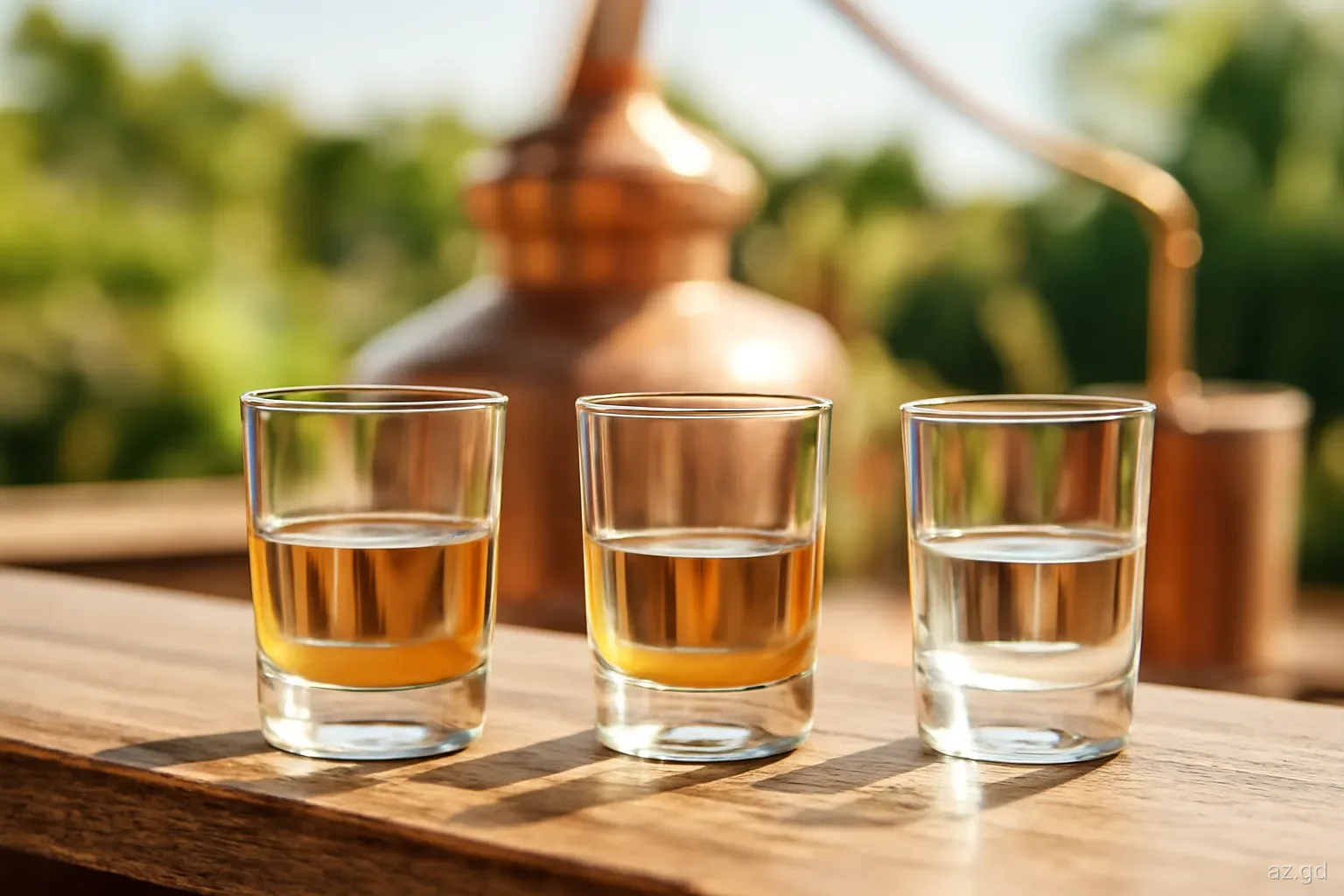
Grenada makes far more rum than its size suggests, and three names dominate a visitor's choices: Clarke's Court in the south, Westerhall in St David's and River Antoine in the far north-east. They are not three versions of the same experience. One is a modern molasses-rum operation with a tasting bar, one is a historic estate that now blends and bottles, and one still crushes cane with a water wheel.
This piece compares them on what you will actually see, how far each is from the hotel areas, what the tasting involves and who each suits. It also covers the newer Renegade project, the island's rum punch and how to plan a day that does not end with someone driving after a 69% sample.
Clarke's Court: the big name, close to Grand Anse
Clarke's Court rum is made by Grenada Distillers at Woodlands in the parish of St George, a short drive inland from Grand Anse and the airport. The business has operated since 1937 and makes the rum most Grenadians drink every day: Clarke's Court Pure White, a 69% white rum that is the island's best-selling spirit. The range also includes aged rums such as Old Grog, spiced and flavoured blends and lower-strength options for mixing.
The distillery has not ground its own cane for about two decades; it distils imported molasses in column stills, which is how most of the Caribbean's rum is made. For visitors, the attraction is a guided walk past fermentation and distilling, some older steam-era equipment, and a visitor centre with a tasting bar where you can try most of the range. Because it is close to the south-coast hotels and cruise port, it is the easiest of the three to fit into a half day, and it is a regular stop on island tours.
Westerhall: estate history in St David's
Westerhall Estate sits in St David's on the south-east coast, around half an hour's drive from Grand Anse depending on traffic. It is a former sugar estate whose rums include Westerhall Plantation Rum and the overproof Jack Iron, bottled at 69%, which is especially associated with Carriacou. According to visitor accounts and its own bottles, Westerhall today blends and bottles rum rather than distilling on site, so do not expect a running still.
What the estate does offer is atmosphere: an old aqueduct and waterway, copper boiling kettles and machinery from the sugar era, and a small museum with estate artefacts and, famously, a vintage car. Tours have been offered on weekday daytimes, ending with a tasting of the range. It suits people who enjoy history and gardens more than industrial process, and it pairs well with an afternoon on the quieter south-east coast. Visitor reports vary on how formal the guiding is, so check before you go.
River Antoine and Renegade: cane-juice rum in the north and east
River Antoine In St Patrick's, about an hour and a half from St George's, River Antoine crushes fresh cane with a water-wheel mill and distils it in pot stills. Its Rivers rum comes at roughly 75% and 69%. It is the most authentic of the three and the most rough-edged: a working rural factory with a short guided walk and a small tasting.
Renegade Renegade Rum Distillery was built at Pearls in St Andrew by a company founded by Mark Reynier, known for the Bruichladdich whisky revival, and began producing in the early 2020s. Its idea was single-farm, cane-juice rum that shows differences between Grenadian growing areas, and the bottles won attention abroad.
Renegade's current position In 2025 the distillery was reported to be up for sale and operating well below capacity. Its future and any visitor access are uncertain, so treat it as something to ask about locally rather than a fixed stop, and do not turn up at the gate unannounced.
Which tour suits you
A quick way to choose, based on what visitors usually want from the day:
- Short on time or arriving by cruise ship: Clarke's Court, because it is close to the port and Grand Anse and has the most structured tasting.
- Interested in how rum used to be made: River Antoine, which is the only one where you can watch cane go through a water-powered mill, crop season permitting.
- History, grounds and a gentler pace: Westerhall, with its estate buildings, museum and south-east coast setting.
- Serious rum drinkers: River Antoine for cane-juice character, then Clarke's Court to taste the aged range side by side.
- Travelling with children: Westerhall and Clarke's Court are easier; River Antoine has hot, uneven and working areas.
- Hiring a car: pair Clarke's Court and Westerhall in a southern loop, or make River Antoine part of a northern day with Belmont Estate and Bathway Beach.
Rum punch, the Grenadian way
Every bar and hotel in Grenada serves rum punch, and the old Caribbean rhyme still guides most recipes: one of sour, two of sweet, three of strong, four of weak. In practice that means lime juice, sugar syrup or grenadine, rum and a mix of fruit juices or water, served over ice. What makes it Grenadian is the finish: freshly grated nutmeg on top, sometimes with a dash of Angostura bitters underneath.
Strength varies wildly. Some beach bars pour a sweet, mild punch; a home-made one at a family lime may be built on Clarke's Court Pure White or Rivers and be considerably stronger than it tastes. A sensible rule is to treat any punch as a double until you know who made it. If you want to make it at home, buy whole nutmegs rather than ground, and grate them only at the moment of serving.
Planning a rum day without regrets
Rum tours are relaxed, but a few small decisions make the difference between a good day and a bad one.
- Pick one area per day. Woodlands and Westerhall work together in the south; River Antoine belongs with the north-east.
- Check opening days for each stop. All three have historically focused on weekday hours, and public holidays close most of them.
- Book a driver or a tour if anyone wants to taste properly. Grenadian roads are narrow, steep and busy with route buses.
- Eat a proper breakfast and carry water. Samples are small but often 69% or stronger.
- Bring EC dollars in small notes for entry fees, tips and bottles.
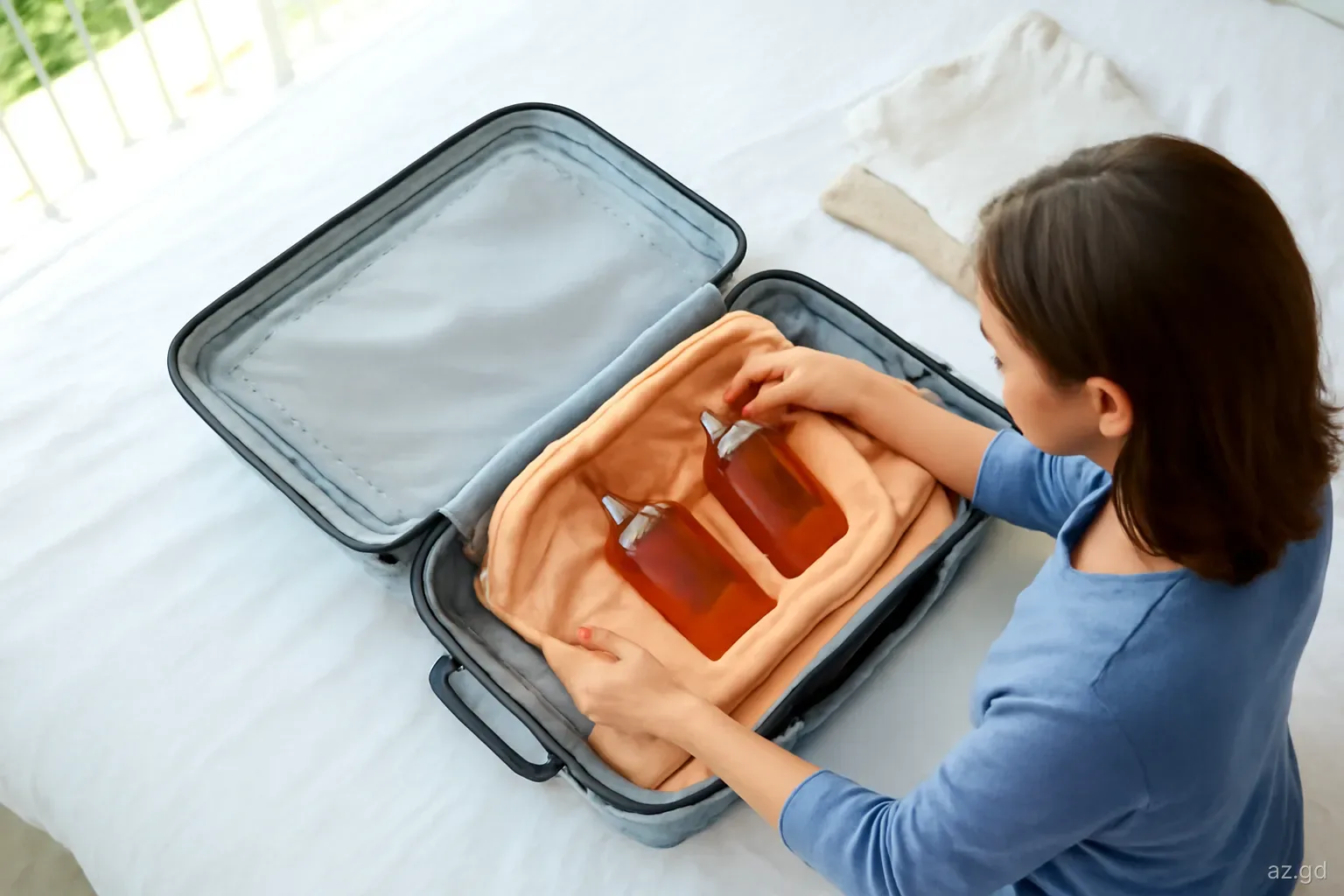
- Buy with the flight in mind: nothing over 70% alcohol, and check your home country's customs allowance before you fill a case.
Reading a Grenadian rum bottle
Proof and ABV. Grenadian bottles state alcohol by volume. Double it for US proof: 69% is 138 proof, 75% is about 150. Standard export rums elsewhere are usually 40%, so a local white rum is well over half as strong again.
White does not mean mild. In many countries white rum is the light, gentle option. In Grenada the white rums are the strong ones, the everyday overproofs drunk with a water chaser or mixed. Aged, golden rums are often bottled at lower strengths for sipping.
Aged and blended. Labels such as Old Grog or estate and vintage blends indicate rum that has spent time in oak casks, usually ex-bourbon barrels, which adds colour, vanilla and spice. Age statements on Caribbean rum can be loose, so taste rather than trusting the number alone.
Spiced and flavoured. Spiced rums, often with nutmeg, cinnamon and vanilla, and fruit-flavoured rums are popular souvenirs and lower in strength. They are pleasant in punch and over ice, but less of a window into how Grenadians actually drink.
Cane juice or molasses. Rivers from River Antoine is made from fresh cane juice; most other Grenadian rum is from molasses. The difference shows in the glass: cane-juice rum is grassier and earthier.
Frequently asked questions
Which Grenada rum distillery is closest to Grand Anse?
Clarke's Court, made by Grenada Distillers at Woodlands in St George, is the closest, a short drive inland from Grand Anse and the airport. Westerhall in St David's is next, and River Antoine in St Patrick's is the furthest, roughly an hour and a half by road.
Do Grenada rum tours include tastings?
Yes. Each of the main distilleries usually ends its tour with small samples of its rums. Expect strengths up to 69% at Clarke's Court and Westerhall and up to around 75% at River Antoine. Fees, tasting details and inclusions change, so confirm them when you book.
Is Westerhall still a working distillery?
Visitor accounts and recent bottles indicate that Westerhall now blends and bottles rum rather than distilling it on the estate. The site keeps its historic equipment, waterway and museum, and tours focus on estate history and a tasting of the range rather than live distillation.
Can visitors tour Renegade Rum Distillery?
Renegade's St Andrew distillery was reported to be up for sale in 2025, and its operations and any visitor access are uncertain. Ask a local tour operator or the Grenada Tourism Authority for the current position before planning a visit, and do not arrive unannounced.
What is the best Grenadian rum to bring home?
It depends on taste. Rivers 69% is the most distinctive and rarely found abroad; Clarke's Court aged rums suit sipping; Jack Iron is the classic overproof. Avoid anything over 70% alcohol, which airlines will not carry, and check your customs allowance.