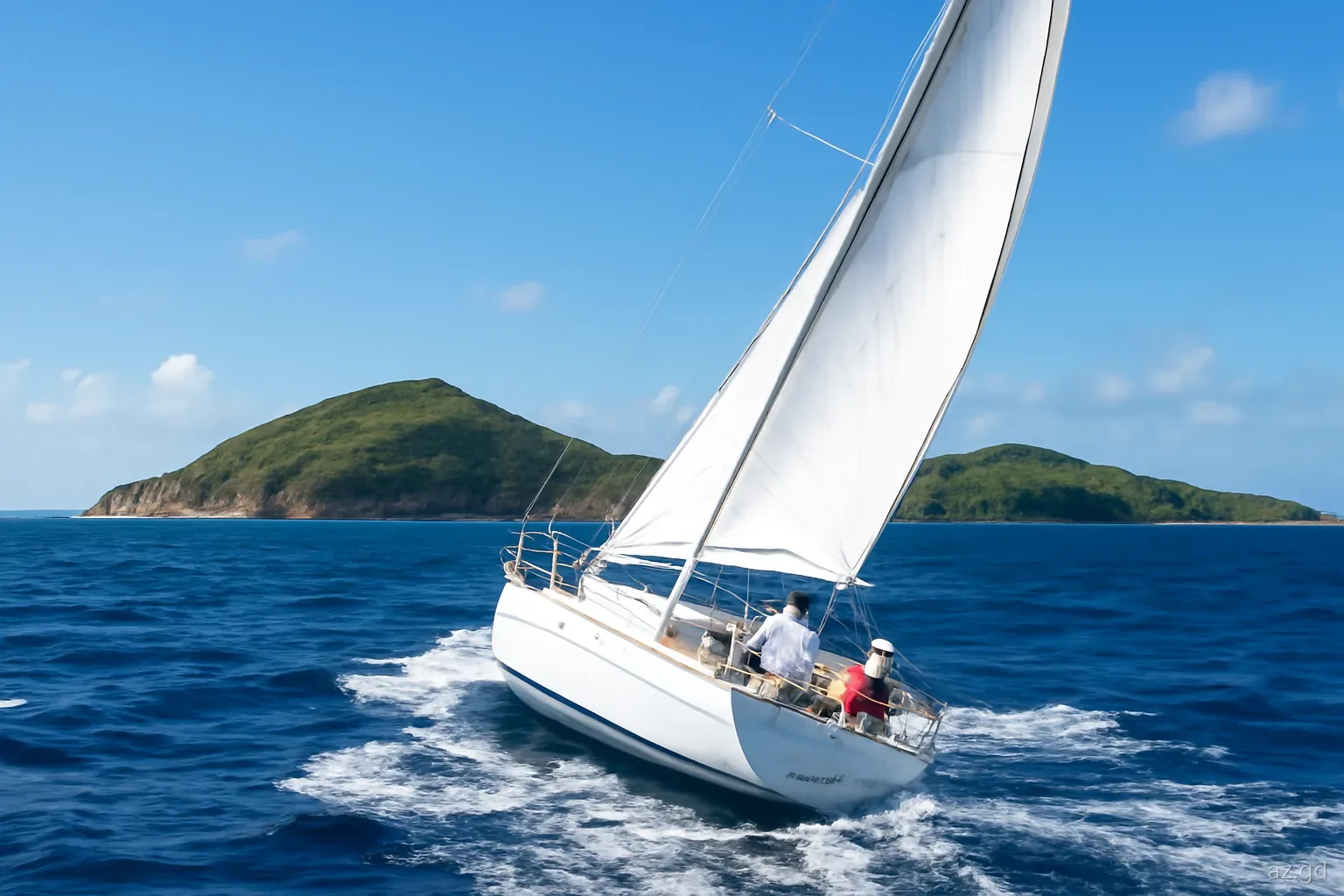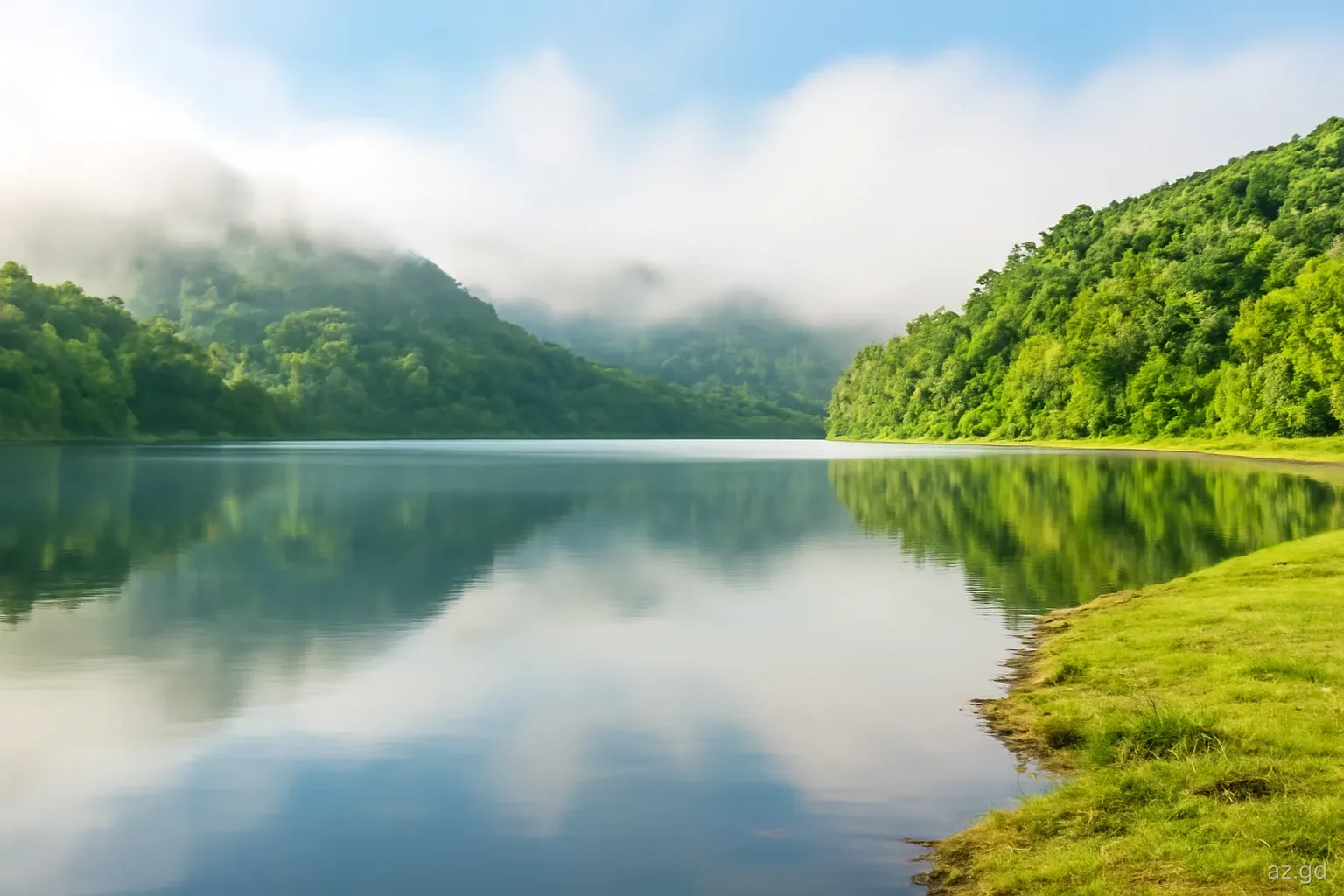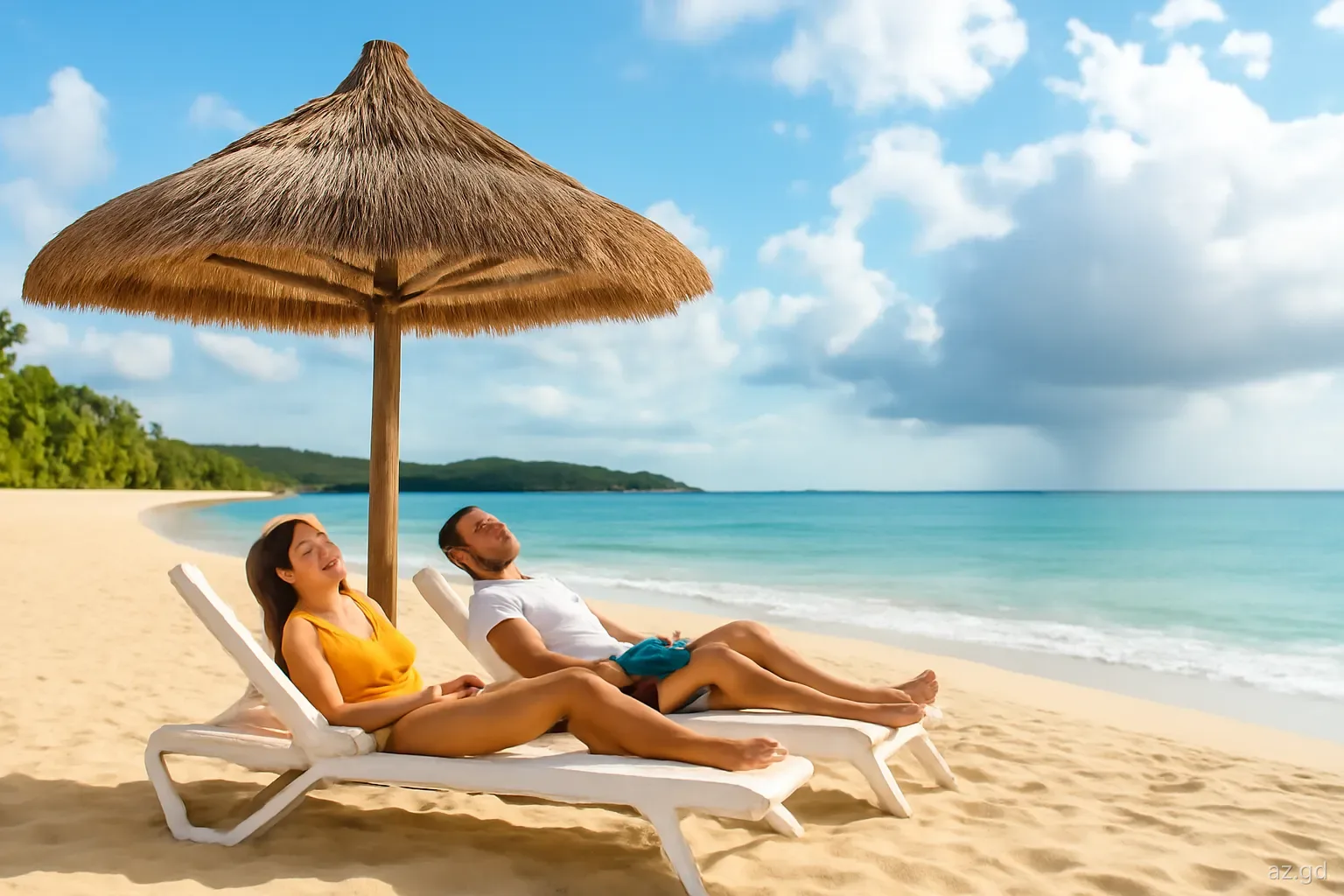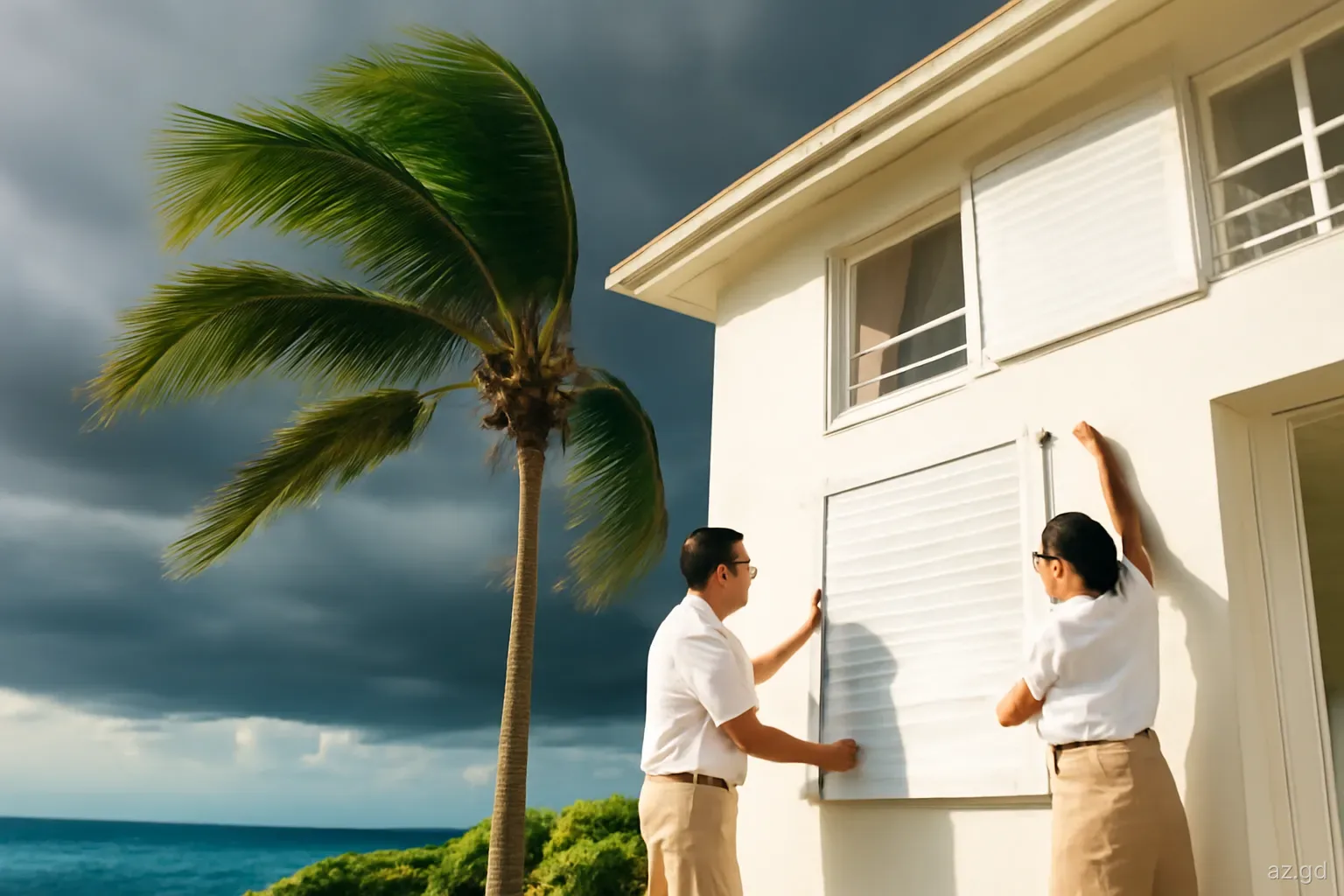
Grenada sits at roughly 12 degrees north, close enough to the equator that temperature barely changes through the year. Daytime highs at sea level run around 29–32°C in almost every month and nights rarely drop below 23°C. What does change is rain, wind, humidity and, from June, the background risk of a tropical storm. Those four things decide whether a given month suits a beach holiday, a hike to the waterfalls, a sailing trip or a long stay.
The pattern below describes a typical year on the main island, with notes on Carriacou and Petite Martinique, which are drier. Individual years vary a lot: some dry seasons turn into drought, some rainy-season months stay bright for days on end. Treat this as a guide to odds rather than a forecast, and check the Grenada Meteorological Service outlook in the days before you travel.
January to March: the dependable dry stretch
January. The dry season is settling in. The stronger trade winds that locals call the Christmas winds often carry on into January, so the Atlantic side around Grenville and Bathway is choppy while the Grand Anse and Morne Rouge side stays calmer. Humidity is lower than in summer and evenings feel pleasant. Brief passing showers still happen, especially in the hills, but whole days of rain are unusual.
February. Usually one of the driest months, with plenty of sun and a steady breeze. This is peak visitor season, so flights and rooms around Grand Anse and Lance aux Epines fill early. Hillsides on the south and in Carriacou start to look brown as the bush dries out.
March. Hot sun, dry ground and reliable sea conditions for diving and snorkelling. Water supply can tighten in dry years and NAWASA may schedule interruptions in some districts, so long-stay renters should ask whether a property has a storage tank.
April and May: hot, dry and sometimes dusty
April. Often the driest month of all. Daytime heat builds and the bush fire season peaks, particularly on the drier southern peninsulas and on Carriacou. Waterfalls such as Annandale and the Seven Sisters can run thin late in a dry year. Easter brings local crowds to the beaches and Carriacou hosts its Maroon and String Band Music Festival in late April, a busy weekend for the ferry and guesthouses.
May. Heat and humidity climb and the first showers of the changeover can arrive late in the month. Saharan dust haze becomes more common from around this point through the summer, softening the views of the Grenadines and occasionally bothering people with asthma. Sea temperatures are rising towards 28°C. Visitor numbers drop and some rates fall, which makes May one of the better-value months for a beach trip.
What this pair suits. Beach holidays, diving and sailing. Hiking in the interior is drier underfoot, although the heat makes early starts sensible. The Grand Etang forest reserve stays greener and cooler than the coast all year.
June to August: the green season begins
Hurricane season officially opens on 1 June. In practice June and July are mostly a mix of sunny mornings and heavy afternoon or night-time showers, with tropical waves passing every few days. A wave typically brings a day of cloud, squalls and downpours, then clears. Rivers rise, waterfalls fill, and the whole island turns a deep green.
Grenada's southerly position means storms are less frequent here than further north, but early-season storms do happen, and recent history is a reminder: Hurricane Emily crossed in July 2005 and Hurricane Beryl struck Carriacou and Petite Martinique on 1 July 2024. Keeping an eye on forecasts is part of travelling in these months, not a reason to avoid them.
Practically, June and July suit travellers who want green scenery, calmer seas and lower prices. Pack a light rain jacket, plan indoor options such as the Grenada National Museum, a chocolate factory tour or a rum distillery visit for wet afternoons, and keep an eye on any tropical wave forecast before booking a boat day to Sandy Island or a dive on the Bianca C.
August is festival month on the main island. Spicemas, the national carnival, builds through late July and climaxes around the second weekend of August with J'ouvert, Pageant and the Monday and Tuesday parades in St George's. Carriacou Regatta and the Fisherman's Birthday celebrations in Gouyave also fall in this broad summer window. Expect heat, humidity around 80 percent, and showers that rarely stop anything for long.
September to November: wettest months and peak storm risk
September and October are the heart of the Atlantic hurricane season and, in most years, among the wettest months in Grenada. Rain can be heavy enough to cause flash flooding and landslides on hillside roads, particularly in St Andrew, St John and St Mark, and the Grand Etang road can be affected by fallen debris after big downpours. Sea temperatures peak at around 29°C, which is pleasant for swimming but is also part of what fuels storms.
Not every day is wet. Many visitors in October report long stretches of sunshine broken by an hour of rain. The difference from the dry season is that you plan days with flexibility: hike in the morning, keep the afternoon loose, and avoid river crossings after heavy rain. Independence Day on 7 February sits in the dry season, so autumn is quieter on the events calendar, though Carriacou's Parang Festival arrives in mid-December.
November is still officially hurricane season until 30 November, but the risk usually falls during the month. Showers remain frequent and humidity is high. By late November hotels begin preparing for the winter season and prices start to rise again.
December and the year-round constants
December is a transition month: early showers give way to drier, breezier weather as the Christmas winds pick up, and the island fills with returning Grenadians and winter visitors. A few things hold true whatever the month:
- Sun strength. The UV index at this latitude is very high all year, including on cloudy days. Shade between roughly 11am and 3pm matters more than the calendar.
- Interior versus coast. Grand Etang and the central mountains are cooler and far wetter than Grand Anse. A dry day in St George's can be a drizzly one at the lake.
- Sister islands. Carriacou and Petite Martinique are lower and receive noticeably less rain, so they feel drier and dustier in the dry season and recover faster after showers.
- Sea temperature. The sea never really gets cold, ranging from about 26°C in February to 29°C in September and October.
- Daylight. Sunrise and sunset shift only modestly; it is dark by about 6pm to 6.45pm all year, which shapes hiking and driving plans.
Mistakes people make when choosing a month
The most common mistake is reading a monthly rainfall average as a daily forecast. A month with high average rainfall in Grenada usually means intense showers, not grey days, and many people enjoy October more than they expected. The opposite mistake is assuming the dry season is entirely dry: Grand Etang and the rainforest trails can be muddy in February.
A second mistake is ignoring events. Spicemas in August and the Carriacou Regatta weekend fill accommodation and ferries, so the weather may be fine but rooms are scarce. Easter, Christmas and the period around Independence are busy with visiting family as well as tourists.
Third, people forget the sea. Wind direction and swell matter as much as rain for boat trips, Sandy Island excursions and the Osprey ferry crossing to Carriacou, which can be rough in strong trades. If you are prone to seasickness, a calmer summer morning crossing may suit you better than a blustery January one.
Frequently asked questions
What is the best month to visit Grenada for good weather?
February to April usually offers the most sunshine, the lowest humidity and the calmest leeward seas. These are also the busiest and most expensive months, so May and early June are a good compromise if you want mostly dry weather with lower rates and fewer people on the beaches.
Does it rain all day in Grenada during the rainy season?
Rarely. Most rainy-season showers are short and heavy, often in the afternoon or at night, with sunshine between them. Full days of rain usually come with a tropical wave or storm system and tend to clear within a day or two, although September and October can bring longer wet spells.
How hot does Grenada get?
Daytime highs at sea level are typically around 29 to 32°C throughout the year, with the most oppressive feel in late summer when humidity is highest. The interior around Grand Etang is several degrees cooler, and sea breezes keep the coasts more comfortable than the numbers suggest.
Is Carriacou weather different from Grenada's?
Carriacou and Petite Martinique follow the same seasons but are lower, flatter and receive noticeably less rain. The dry season feels drier there, with brown hillsides by March or April, and fresh water has traditionally come from rain-fed cisterns and desalination rather than rivers.
When is hurricane season in Grenada?
The official Atlantic hurricane season runs from 1 June to 30 November, with the greatest activity usually from August to October. Grenada lies further south than most of the Caribbean and is hit less often, but storms have struck in July, September and other months, so monitoring forecasts matters.