For decades Grenada was described in guidebooks and insurance documents as lying below the hurricane belt. The phrase was never a guarantee; it reflected the fact that most Atlantic hurricanes track further north, through the Leeward Islands, Puerto Rico and the Bahamas. Grenada's position at about 12 degrees north, close to the South American mainland, places it near the southern edge of where storms usually form and travel.
History has repeatedly tested that reputation. Hurricane Janet killed around 120 people in 1955. Hurricane Ivan damaged most of the island's buildings in 2004. Emily followed within a year, and in July 2024 Hurricane Beryl devastated Carriacou and Petite Martinique. The more accurate description today is that Grenada is hit less often than islands further north, but hard enough when it happens that preparation is a normal part of life here.
Why storms usually pass to the north
Atlantic hurricanes are steered largely by the clockwise flow around a broad area of high pressure over the central Atlantic. Storms that form off West Africa tend to drift west and then curve north-west as they approach the Caribbean. That typical arc carries them over or north of the central Lesser Antilles rather than the southern Windward Islands.
Latitude also matters for how storms develop. Very close to the equator the rotation of the Earth gives developing systems less spin, so tropical cyclones are rare south of about 10 degrees north. Grenada, Trinidad and Tobago sit near that lower limit. Many tropical waves crossing Grenada in summer bring heavy rain and gusty squalls without ever organising into a named storm.
None of this prevents a storm from taking a lower track. When the Atlantic high is strong and extends far south, it can push systems on a more westerly course at lower latitudes. Ivan and Beryl both followed that pattern, moving quickly west across the southern Windwards and intensifying in very warm water.
The storms that shaped modern Grenada
Janet, September 1955. Janet struck on 22 September and remains the deadliest storm in Grenada's modern record, with around 120 deaths commonly cited and thousands of homes destroyed. It wrecked nutmeg and cocoa cultivation and is still the reference point in the memories of older Grenadians.
Ivan, September 2004. On 7 September 2004 Ivan passed just south of the main island as a major hurricane. Thirty-nine deaths are generally cited and the great majority of homes were damaged, with losses estimated at roughly twice the country's annual GDP. The nutmeg industry lost a large share of its trees, which take years to mature, and the old Parliament at York House in St George's was badly damaged; a new Parliament building at Mount Wheldale opened in 2018.
Emily, July 2005. Less than a year after Ivan, Emily crossed in the early hours of 14 July 2005 as a Category 1 hurricane. Its winds were weaker, but it struck Carriacou and the north of the main island, damaging hundreds of houses and setting back recovery that was still under way.
Beryl, July 2024. Beryl made landfall on Carriacou on 1 July 2024 as a Category 4 hurricane with sustained winds of about 150 mph, the earliest storm of that strength on record in the Atlantic. Almost every home on Carriacou and Petite Martinique was damaged or destroyed, while the main island suffered lighter but significant damage, especially in the north.
What this means in numbers people can use
Weather services and insurers measure hurricane risk in return periods and probabilities, and the figures depend heavily on the method and the years used. What is clear from the record is that direct hits by major hurricanes have come decades apart, while close passes by tropical storms and weaker hurricanes, with damaging rain, landslides and flooding, are more frequent. In many years the season passes with nothing more serious than a few tropical waves and a storm watch that is later cancelled.
It also helps to separate wind from water. Wind damage depends mostly on how close the core passes and how well a building is constructed. Rain damage depends on how slowly the system moves and how saturated the ground already is, which is why a weak but slow storm in October can cause more landslides than a faster, stronger one in July.
For a visitor spending one or two weeks in Grenada, the chance of a hurricane arriving during that particular trip is small. For a resident, a homeowner or a boat owner staying through every season, the chance of experiencing a damaging storm over ten or twenty years is very real. That difference is why short-stay advice focuses on insurance and flexibility, while resident advice focuses on roofs, shutters, water storage and savings.
Climate change and the changing picture
Warmer seas. Scientific assessments expect a warming climate to make the strongest hurricanes more intense and wetter, even if the total number of storms does not rise. Beryl's explosive strengthening in unusually warm water in late June is the kind of event researchers point to.
Earlier and later storms. The official season remains 1 June to 30 November, but Beryl showed that a powerful storm can arrive in the first weeks of July. Treating June and July as safe is no longer sensible.
Rain as the main threat. For Grenada's steep terrain, slow-moving tropical systems can do as much harm through flooding and landslides as through wind. Rainfall events without a named storm have flooded parts of St Andrew, St John and St Mark.
Rising sea level. Higher sea levels increase storm surge reach on low coasts such as parts of Grenville, Hillsborough and the southern bays, which is one reason new coastal development faces closer scrutiny.
How Grenada prepares today
Each storm has left changes behind. After Ivan, Grenada strengthened its disaster management structure around NaDMA, which coordinates government ministries, the Royal Grenada Police Force, the Grenada Red Cross, utilities and volunteer district disaster committees. Shelter lists are reviewed before each season, schools and community buildings are inspected, and public drills and awareness campaigns run in May and June.
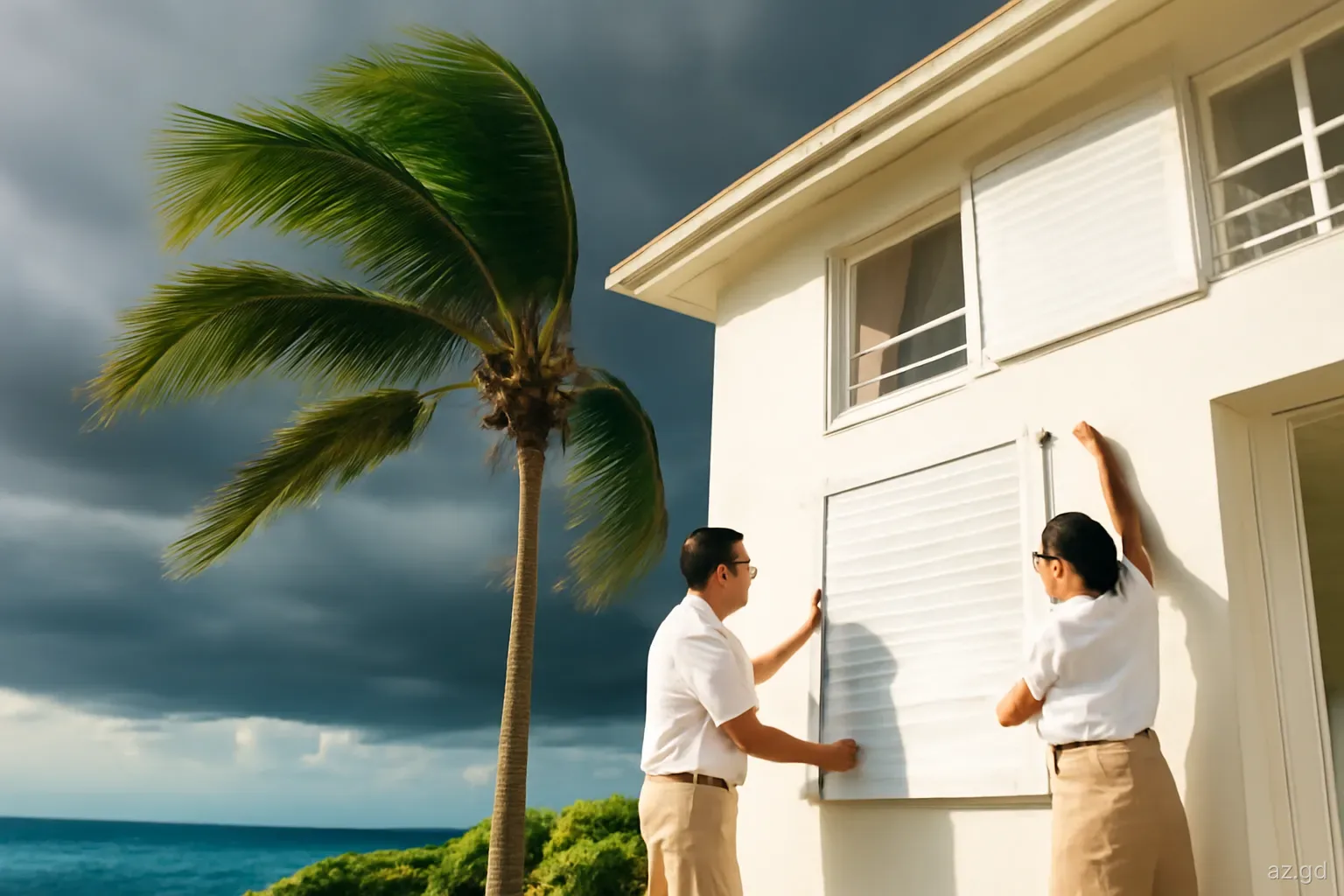
Building practice has also shifted. Hurricane straps tying roofs to walls, reinforced concrete construction, shutters and hip roofs are far more common than before 2004, and the building code and physical planning approvals set requirements for new construction, although enforcement on small private builds is uneven. Many households keep a water tank or cistern, a supply of tarpaulins and a battery radio as standard.
Financially, the government holds parametric insurance through the Caribbean Catastrophe Risk Insurance Facility, which paid out quickly after Beryl, and Grenada has included hurricane clauses in some of its debt agreements that allow payments to be deferred after a major disaster. For individuals, home and contents insurance with windstorm cover is widely available from local and regional insurers, though premiums and deductibles have risen.
Myths worth dropping
Several beliefs about Grenada and hurricanes still circulate among visitors, sailors and property buyers. They are worth correcting before they shape a decision:
- The island is outside the hurricane belt. It is near the southern edge of the zone, not outside it. Four storms in seventy years have caused major damage.
- Only September matters. Peak risk is August to October, but Emily and Beryl both struck in July.
- A Category 1 is harmless. Rain and landslides from weaker storms cause deaths and road closures here, especially on hillside roads.
- Insurance treats the island as risk-free. Many yacht and property policies now apply named-storm clauses and deductibles for Grenada; read the terms rather than assuming.
- After a storm everything closes for months. After Beryl the main island reopened to visitors within weeks while the sister islands took far longer. Impact varies hugely by location.
Frequently asked questions
How often do hurricanes hit Grenada?
Direct hits by major hurricanes are infrequent, with Janet in 1955, Ivan in 2004 and Beryl on Carriacou in 2024 the best-known examples. Weaker hurricanes and tropical storms pass close more often. Many years pass without any significant impact, but residents prepare every season because damaging storms do recur.
Was Grenada damaged by Hurricane Ivan?
Yes, very severely. Ivan passed just south of the main island on 7 September 2004, killing 39 people according to commonly cited figures and damaging the large majority of homes and buildings. Recovery took years, and the destruction of nutmeg trees affected one of the country's main exports for a long time.
Which part of Grenada is most at risk from hurricanes?
It depends on the storm's track. Beryl hit Carriacou and Petite Martinique hardest, while Ivan's strongest winds affected the south of the main island. Low-lying coasts face storm surge, and steep inland areas face landslides and flash flooding, so local position matters more than parish.
Do yachts still spend hurricane season in Grenada?
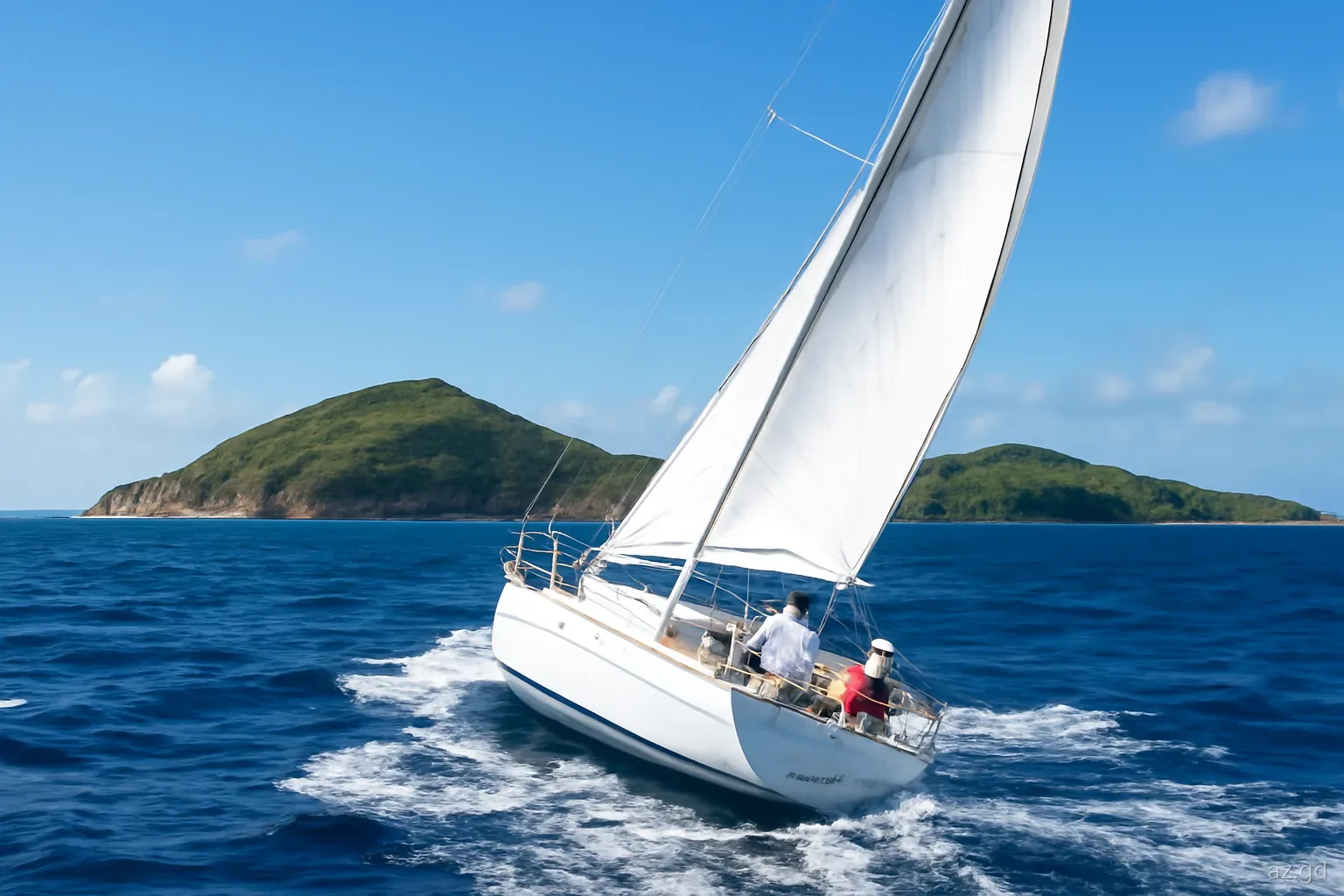
Many do, either in marinas or hauled out in boatyards around the south coast and Carriacou. Insurers' rules vary, and some policies have tightened after Beryl, which damaged many boats in Tyrrel Bay and elsewhere. Owners should confirm their named-storm cover and the yard's tie-down procedures.
Is the hurricane season getting worse for Grenada?
Scientists expect a warmer climate to make the strongest storms more intense and rainier, and warmer seas helped Beryl strengthen unusually early in 2024. That does not mean a hit every year, but it does mean preparation, building standards and insurance matter more than in the past.