Petite Martinique is the smallest of the three main islands that make up the state of Grenada, covering little more than two square kilometres. A single steep, cone-shaped hill rises from its centre, and around its edges are the homes, boatyards, churches and small shops of a community of around 900 people. It lies a few kilometres east of Carriacou, within sight of Petit St Vincent, which belongs to St Vincent and the Grenadines.
Many people in Grenada call it simply PM. It has a reputation for seafaring, boatbuilding and self-reliance that goes back generations, and its residents have long made a living from the sea, from fishing to trading and shipping across the region.
Hurricane Beryl struck the island in July 2024, and estimates suggested that up to 95 per cent of homes were destroyed or badly damaged. Visiting today means arriving at an island still rebuilding. This guide covers how to get there, what to expect and how to visit respectfully.
Getting there and back
There is no airport on Petite Martinique, so the last leg is always by sea. The Osprey ferry from St George's calls at Tyrrel Bay on Carriacou and continues to Petite Martinique, with the Carriacou to PM leg taking around twenty to thirty minutes. Most visitors take the ferry from Grenada directly, or fly to Carriacou with SVG Air and connect onto the boat.
Local boats also run between Windward, on Carriacou's north-east coast, and Petite Martinique. These are informal services used by residents, so ask in Windward about departure times and fares, and only travel in conditions you are comfortable with, as the crossing can be choppy.
Check return options before you go. Ferry timetables vary by day, and there may be only one or two sailings back. A day trip from Carriacou is easy to manage; from Grenada, a day trip is possible on days when the schedule allows but leaves little time on the island, so an overnight stay on PM or Carriacou makes more sense.
What the island is like
Size and shape. Roughly 2.4 square kilometres, with the central hill dominating every view. A road runs around much of the island, and nowhere is far from the sea.
Main village. Madame Pierre, usually described as the main settlement, is said to take its name from the wife of an early French settler. Homes and businesses cluster along the shore.
People. A close community where many families share surnames and histories. Strangers are noticed and generally welcomed, especially when they take the time to greet people.
Faith and schooling. Churches are central to community life. The island has a primary school, and older students travel to Carriacou for secondary education.
Economy. Fishing, boat work, small shops, trading and remittances from relatives abroad have all played a part. Tourism is modest and based on a small number of guesthouses and visiting yachts.
A seafaring and boatbuilding heritage
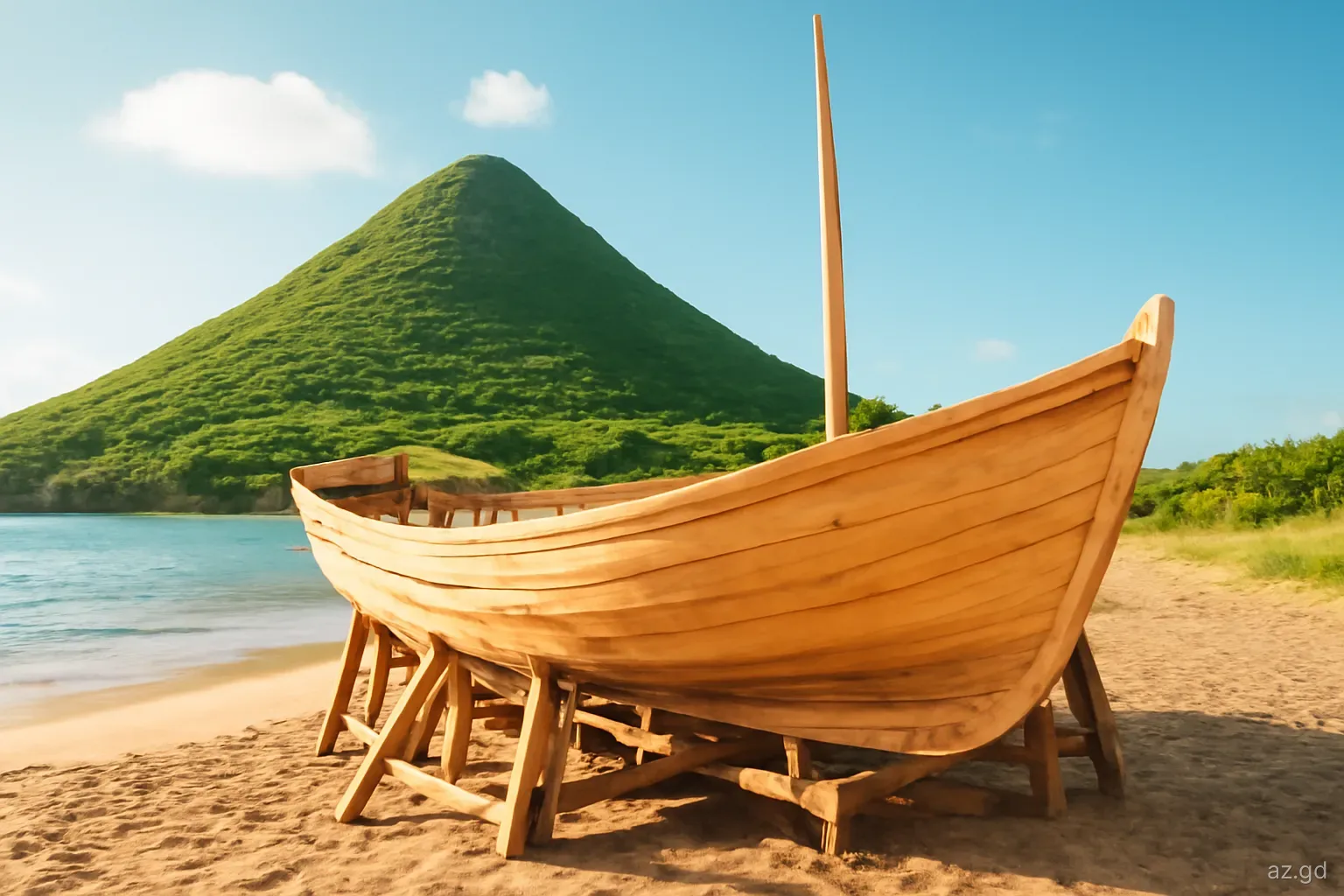
Petite Martinique and Windward on Carriacou share a long tradition of building wooden boats by hand, using techniques passed down through families and linked to Scottish shipwrights who settled in the area in the colonial era. Sloops and schooners built on these beaches once carried cargo throughout the Grenadines and beyond, and some still race at the Carriacou Regatta.
Over the decades, PM became known for its sailors and traders, who moved goods between islands. The island developed a level of prosperity unusual for its size, visible in well-built homes and a strong sense of independence. That reputation, and the island's distance from St George's, gave it a distinct identity within Grenada.
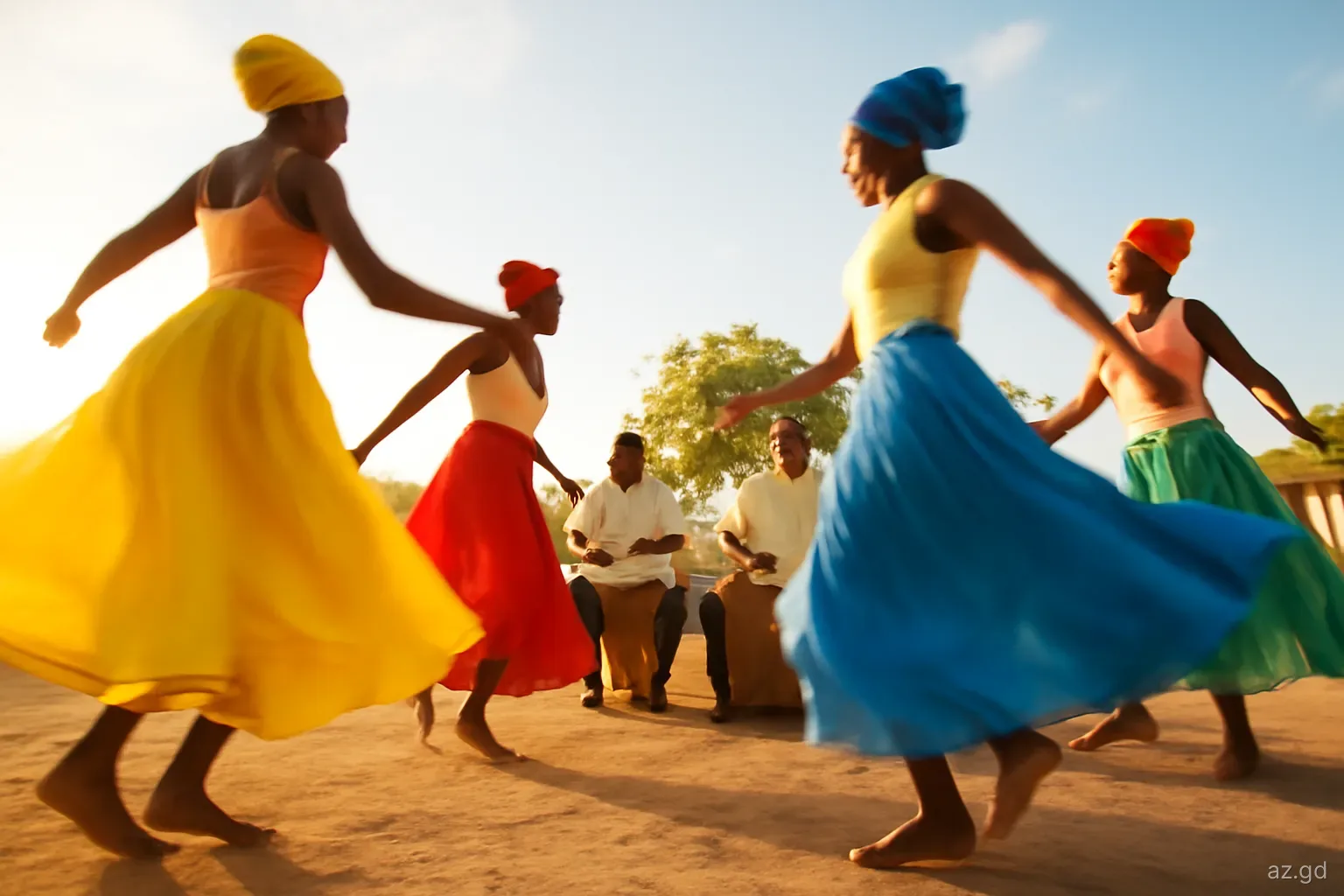
Boat launchings remain important community occasions, sometimes accompanied by traditional ceremonies, music and food. If you are invited to one, it is an honour; follow the lead of your hosts, dress respectfully and ask before taking photographs.
Petite Martinique since Hurricane Beryl
Beryl made landfall on the sister islands on 1 July 2024 as a powerful Category 4 hurricane. On Petite Martinique it destroyed power lines and communication towers, damaged desalination plants that supply drinking water, and left most homes uninhabitable. Rough seas delayed the arrival of relief in the first days.
Since then, rebuilding has been led by residents, the government and international partners, including a Build Back Better housing programme designed to produce more storm-resistant homes. Power, water and telecommunications were restored in stages, but services may still be less reliable than on the mainland.
For visitors, this means checking ahead whether accommodation and eating places are operating, bringing supplies and cash, and accepting that some things will be simpler or slower than expected. Spending money with local businesses, rather than bringing everything from outside, supports the recovery directly.
Before you go: a short checklist
Petite Martinique is easy to enjoy if you arrive prepared. These are the points that matter most.
- Confirm your bed. Accommodation is limited. Book before travelling and confirm a day ahead that the property is open.
- Bring cash. Banking services on the island are minimal; withdraw Eastern Caribbean dollars on Carriacou or in Grenada.
- Water and power. Use water sparingly, as supply depends on desalination and storage. Bring a torch and a power bank in case of outages.
- Health. There is basic health care on the island, but the nearest hospital is Princess Royal Hospital on Carriacou. Bring any medication you need.
- Dress and manners. Swimwear belongs on the beach. Greet people with good morning or good afternoon before asking questions.
- Borders nearby. Petit St Vincent and Union Island are part of St Vincent and the Grenadines. Do not cross without clearing immigration.
Things to do on the island
Walk the shoreline. A road runs around much of the island, and walking it is the best way to see daily life: boats on the slipways, children heading to school, and views across to Carriacou, Petit St Vincent and Union Island. Allow a few hours and carry water, as shade is limited.
Look at the boat work. Wooden boats are built and repaired on the beaches. Watching is usually fine, but ask before photographing people at work and keep clear of tools and hulls.
Climb the hill. The central hill gives a view over the whole of the southern Grenadines. Paths cross private land and can be steep and loose, so ask residents about the best route, or whether a local can show you the way.
Swim and snorkel. There are small beaches and clear water around the island. There are no lifeguards, and currents can be strong in the channels, so swim close to shore and only when conditions are calm.
Attend a service or event. Sunday church services and community events are a good way to meet people. Dress modestly and arrive on time.
Arriving by yacht
Petite Martinique has long been a stop for yachts sailing the southern Grenadines, with an anchorage off the western side of the island facing Petit St Vincent. Holding and conditions depend on wind direction and swell, so consult up-to-date cruising guides and ask other sailors about the current situation, as moorings and services were affected by Hurricane Beryl.
Yachts arriving from St Vincent and the Grenadines must clear into Grenada before stopping. Clearance is handled on Carriacou, so plan to visit Tyrrel Bay first, where clearance has been based in recent years, and confirm current arrangements. Fuel and supplies have traditionally been available on the island, but check availability before relying on them.
When going ashore, use the main landing areas, secure dinghies well clear of working boats, and respect residents' privacy around homes along the shore. Rubbish should be taken back to Carriacou or disposed of only where locals indicate, as waste handling on a small island is limited.
Frequently asked questions
How big is Petite Martinique?
Petite Martinique covers roughly 2.4 square kilometres, a little under one square mile, with a single steep hill at its centre. Its population has generally been put at around 900 people, making it the smallest of Grenada's three main inhabited islands.
How do you get to Petite Martinique from Grenada?
Take the Osprey ferry from the Carenage in St George's, which stops at Tyrrel Bay on Carriacou and continues to Petite Martinique. Alternatively, fly to Carriacou and connect by ferry or by local boat from Windward. There is no airport on the island.
Is there accommodation on Petite Martinique?
There are a small number of guesthouses and rooms, but options are limited and some were affected by Hurricane Beryl. Book in advance, confirm shortly before travelling, and consider staying on Carriacou if nothing suitable is available.
Was Petite Martinique damaged by Hurricane Beryl?
Yes, severely. Beryl struck in July 2024 and estimates suggested that up to 95 per cent of homes were destroyed or badly damaged, along with power, communications and water systems. Rebuilding has continued since, including a government housing programme.
Can you visit Petite Martinique as a day trip?
From Carriacou, a day trip is straightforward using the ferry or local boats from Windward. From Grenada it is possible on some days but leaves limited time on the island, so check ferry times carefully or plan an overnight stay.
Is Petite Martinique part of St Vincent?
No. Petite Martinique belongs to Grenada and is administered together with Carriacou. Nearby Petit St Vincent and Union Island, however, are part of St Vincent and the Grenadines, so crossing to them requires immigration and customs clearance.