The parish of St Patrick covers the northern tip of Grenada, and its town, Sauteurs, sits on a bay with the Grenadines lined up on the horizon. It is about an hour and a half from Grand Anse by road, far enough that many visitors never come, and close enough that a well-planned day can take in history, estates, a crater lake and an Atlantic beach.
The trick is sequencing. The north has more worth seeing than one day allows, and the roads are slow. This guide explains what each stop involves, how to order them, and the practical points that catch people out, from swimming conditions on the Atlantic side to Sunday closures.
St Patrick is also one of the island's most agricultural parishes, with about 10,500 people (2011 census) spread across farming villages, estates and fishing communities. Its landscape is gentler than the central mountains, with rolling hills, crater lakes and dry coastal scrub towards the north-east, which is part of why it feels so different from the south.
Sauteurs and Leapers' Hill
Sauteurs, home to around 1,300 people at the last widely quoted count, is the parish seat and market town. Its name means leapers in French and refers to the most sombre episode in Grenada's early colonial history. In the early 1650s, as French settlers pushed north, a group of Kalinago (Island Carib) people were cornered on the cliffs here. Rather than be captured, many are said to have jumped to their deaths into the sea below.
The cliff, known as Leapers' Hill or Caribs' Leap, stands beside St Patrick's Roman Catholic Church, built in 1840, in the town. A small interpretation area and memorial explain the event. It is a place for quiet reflection and remembrance rather than recreation; the drop is sheer and there are no barriers along some edges, so keep children close and stay on the paths.
The town itself is compact: a fish market, shops with upstairs balconies, a few eateries and rum shops, and good views across the bay. It is busiest in the mornings and on Saturdays. The St Patrick's Day Fiesta, held around 17 March, is the town's main festival, with food, crafts and music.
The northern sights, one by one
Levera National Park. On the north-east tip, a protected area of beach, mangrove, salt pond and offshore islets, including Sugar Loaf. Levera Beach is an important leatherback turtle nesting site from roughly March to August, when access at night is controlled. The sea is rough and swimming is generally unsafe.
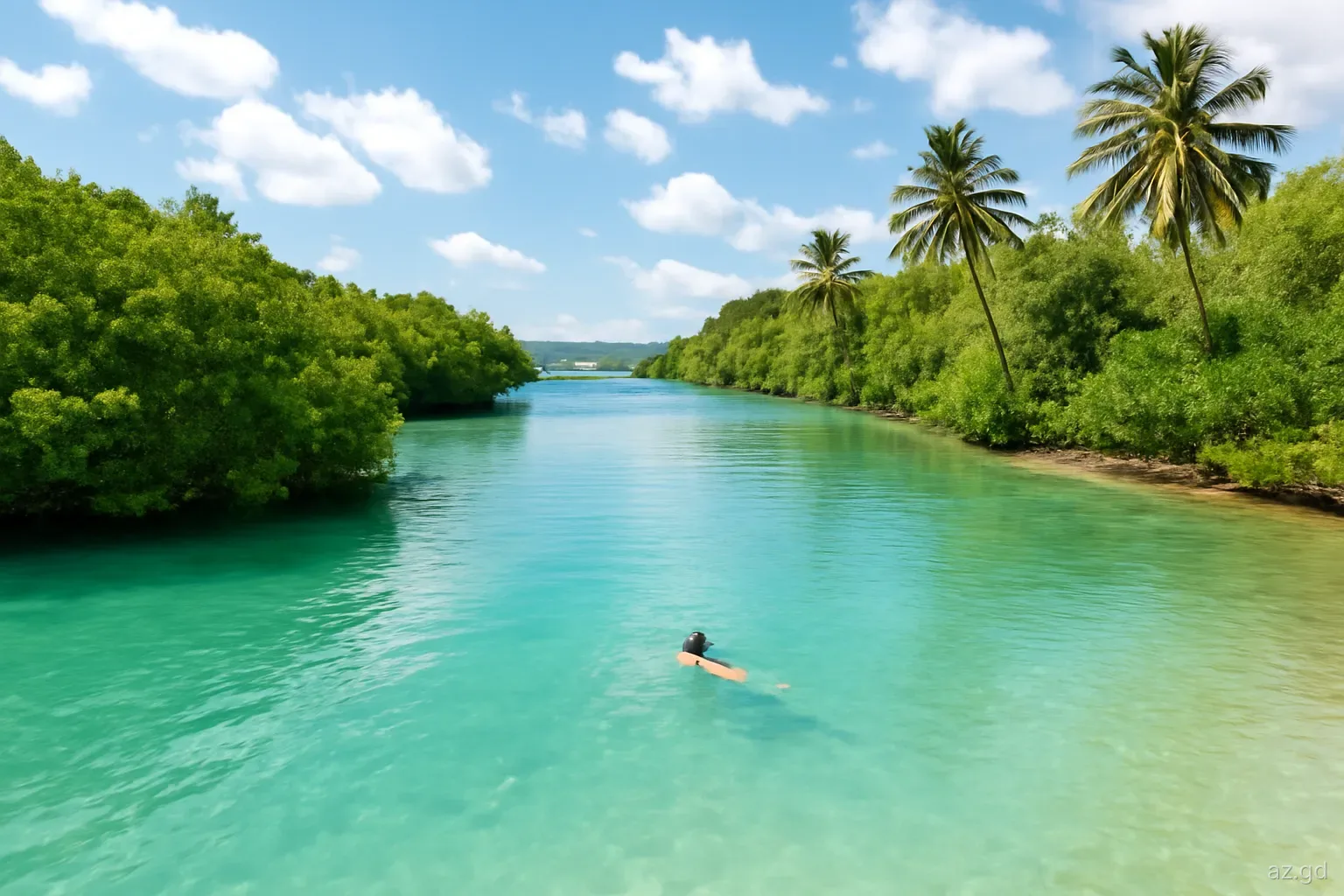
Bathway Beach. On the Atlantic coast near River Sallee, a long beach where an offshore reef creates a sheltered stretch close to shore. It is the north's most popular swimming spot, but currents beyond the reef are strong. Facilities are basic.
Lake Antoine. A crater lake in a shallow volcanic depression near the east coast, ringed by farmland and popular with birdwatchers. It is easy to visit in a short stop and is quiet most of the time.
River Antoine Rum Distillery. One of the oldest working distilleries in the Caribbean, still crushing cane with a water wheel. Its rum is famously strong, and tours run on a schedule; confirm before travelling.
Belmont Estate. A historic plantation in St Patrick with cocoa processing, a restaurant, gardens and tours. It makes a natural lunch stop on a northern circuit.
A one-day route that works
Start from the south no later than 08:00. This anticlockwise loop avoids backtracking and puts the beach in the afternoon, when you will want a swim.
- Drive up the west coast through Gouyave and Victoria to Sauteurs, about 90 minutes from Grand Anse. Visit Leapers' Hill and walk the town centre.
- Head south-east to Belmont Estate for a tour and lunch. Booking ahead is wise in high season.
- Continue to River Antoine Rum Distillery and then Lake Antoine, both within a few minutes of each other.
- Spend the afternoon at Bathway Beach, staying inside the reef-sheltered area. Look out to Levera and the islets from the north end.
- Return south via Grenville and either the Grand Etang road or the St David coast, arriving before dark if possible.
What catches people out in the north
The north is calm and friendly, but its distance from the main services means small mistakes are harder to fix.
- Swimming on the Atlantic side. Levera and much of the north-east coast have powerful currents and surf. Swim only in sheltered areas such as inside the Bathway reef, and only if conditions look calm.
- Turtle season rules. Night visits to nesting beaches during the season should be with an authorised guide. Unguided torches and noise disturb nesting females.
- Sunday closures. Shops, the distillery and some estates may close or run limited hours on Sundays. Plan a weekday for the full circuit.
- Fuel and cash. Petrol stations and ATMs are fewer in the north. Fill up and carry cash before leaving the south.
- Driving after dark. Roads are narrow and unlit in places, with pedestrians and animals on them. The return trip is much more pleasant in daylight.
Staying overnight in St Patrick
A night in the north changes the experience. Early mornings at Sauteurs bring fishermen landing catches, and evenings are dark enough for stars that the lights of the south hide. Accommodation is limited to a handful of guesthouses, small hotels and rentals scattered around the parish, so book in advance and confirm location carefully; a place described as near the beach may be a drive away.
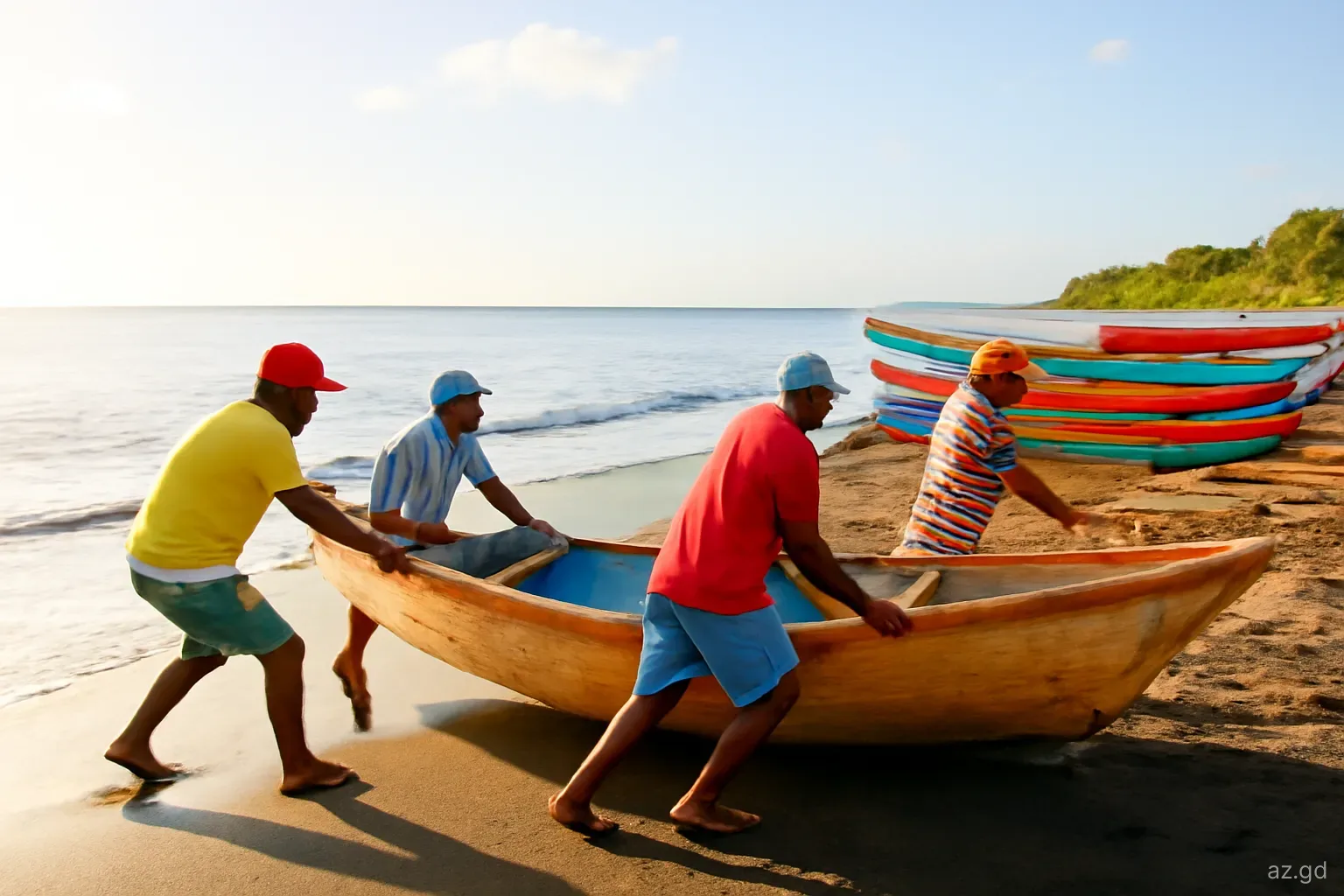
Self-catering suits the north well. Buy groceries in the south or in Sauteurs before settling in, as small village shops carry only basics and may close early. Fresh fish is often available from the Sauteurs fish market in the morning when boats come in, and roadside vendors sell fruit and vegetables in season.
Staying north also makes sense during the turtle nesting season, when guided night walks on Levera and other beaches start late. Returning to Grand Anse after a midnight turtle watch is a long, tiring drive on winding roads.
Meals are simpler here than in the south: local restaurants, roadside food and rum shops rather than a dining strip. That is part of the appeal, but anyone with dietary needs should plan ahead and ask accommodation hosts what is nearby.
The view north and Kick 'em Jenny
From the cliffs and beaches of St Patrick, a chain of small islands stretches north towards Carriacou: rocky islets with names such as Sugar Loaf, Green Island, Caille and Ronde, and on clear days the outline of Carriacou itself on the horizon. These are part of the Grenadines, and fishermen from Sauteurs work the waters between them.
Hidden beneath the sea in the same direction is Kick 'em Jenny, an active submarine volcano roughly eight kilometres north of Grenada's coast. It has erupted many times since it was first identified in the twentieth century, though its summit remains well below the surface. Monitoring is carried out by the Seismic Research Centre of the University of the West Indies, and Grenada's National Disaster Management Agency sets alert levels and maritime exclusion zones when activity increases.
For land-based visitors, the volcano poses no direct risk, but anyone taking a boat trip north from Grenada should check the current alert level before setting out. Operators and yacht crews follow the exclusion zone, and occasional increases in activity are reported in the local news.
Frequently asked questions
How long is the drive from Grand Anse to Sauteurs?
Allow about an hour and a half via the west coast road through Gouyave and Victoria, longer in traffic or rain. The east route via Grenville takes a similar time. The roads are winding, so do not expect to average high speeds.
What happened at Leapers' Hill?
In the early 1650s, during French conquest of northern Grenada, a group of Kalinago people were trapped on the cliffs at Sauteurs. Rather than surrender, many are said to have leapt to their deaths. The site is a memorial and a place of reflection.
Can you swim at Levera Beach?
Levera faces the Atlantic and has strong currents and waves, so swimming is generally not recommended. It is also a protected turtle nesting beach. Bathway Beach, a short distance south, has a reef-sheltered area that is safer when conditions are calm.
Is River Antoine Rum Distillery open to visitors?
The distillery has long offered guided tours to see its water-wheel-powered cane crushing and traditional production. Hours vary and it may close on some days, so confirm before you go. Its high-strength rum is not allowed on most aircraft.
Is one day enough for the north of Grenada?
One full day covers the highlights if you start early and follow a loop. To add turtle watching, a long beach afternoon or a slower pace, consider staying a night in the north.
When is the turtle nesting season at Levera?
Leatherback turtles nest on Grenada's northern beaches roughly from March to August, with peak activity in the middle months. Night visits should be made with an authorised guide to protect the turtles and comply with local rules.