St David is the only parish on Grenada without a town at its centre. There is no equivalent of Grenville, Gouyave or Sauteurs; instead there is a scatter of villages, ridges and deep bays across the south-east of the island. The village of St David's, between La Tante and Westerhall, is usually treated as the parish's main settlement, but it is small, and people here shop, bank and work largely in southern St George or Grenville.
That makes St David easy to overlook, yet it holds nearly 13,000 people (2011 census) and some of Grenada's most attractive coastline. For visitors, it offers quiet beaches, spice gardens and estates. For long-stay residents, it is increasingly where newer homes are built. This explainer covers the geography, the key places and the realities of daily life.
The parish name is also a common source of confusion with St David's village and with the St David constituency, which covers the whole parish in Parliament. When someone says they live in St David, they usually mean somewhere in the parish, not necessarily in the village itself; ask which village to be sure.
Geography: ridges and fingers of coast
St David covers about 44 square kilometres, sharing the south of the island with St George. Its coastline is a series of headlands and inlets: bays, points and small harbours that cut deep into the land. Inland, the ground rises to ridges that run up towards the central mountains, with valleys of farmland and forest in between.
The main road east from St George's runs through the parish, linking villages such as Woburn on the border, then onward past Corinth, Pomme Rose and Perdmontemps, before continuing north to St Andrew and Grenville. Smaller roads branch off down to the bays and up into hill villages. It is easy to drive in circles here, so follow a route on a phone and confirm turns with locals.
Because of that broken coast, there is no single centre. Historically, a settlement called Megrin at St David's Point was an early focus, but it was destroyed in the conflict of the 1790s and never rebuilt. Life spread out across villages instead.
Key places in the parish
St David's village. The nominal centre, with the parish church, a police station and a few services. It is quiet, with little commercial activity.
Westerhall. An old estate known for rum, and an established residential area on Westerhall Point, with homes looking over the bays. The estate's rum heritage is part of the parish's identity.
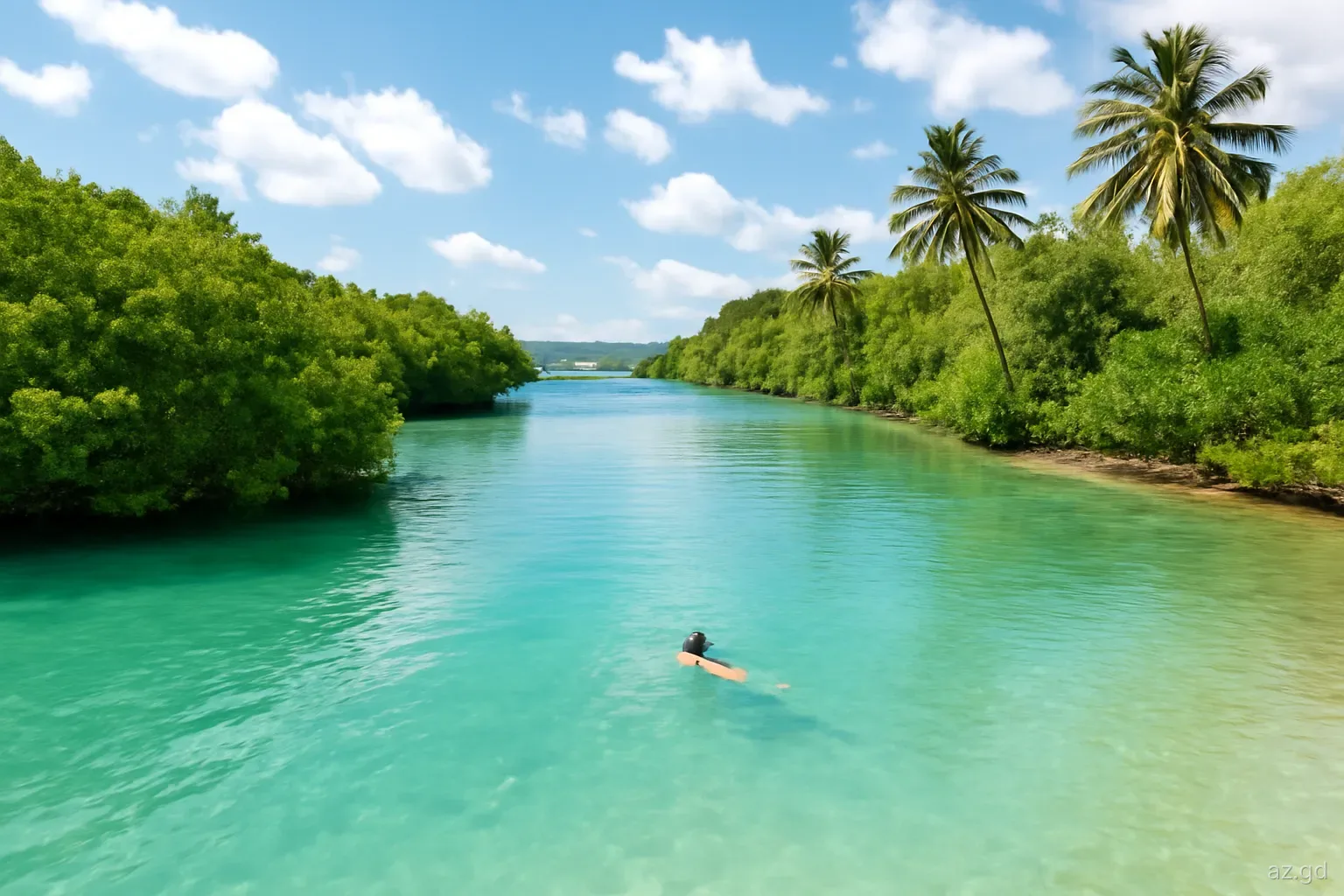
La Sagesse. A sheltered bay with a beach, mangroves and salt pond, popular with locals on weekends. In the 1970s it was the centre of a public dispute over access when the land was privately owned; today it is a well-used public beach.
Laura. Inland village known for the Laura Spice and Herb Garden, where visitors can see nutmeg, cinnamon, clove, cocoa and medicinal plants. Opening times vary; check before going.
La Tante and Corinth. Hillside and roadside villages with small shops, churches and views. They show the parish's rural, residential character well.
Living in St David: what to expect
Many people choose St David as a compromise. It is close enough to commute to St George's, Grand Anse and True Blue, often 20 to 40 minutes depending on the village and traffic, yet calmer, greener and generally cheaper per square metre. Developments along the south-east coast and on the ridges have grown steadily as the south-west becomes crowded.
Practicalities vary sharply from one village to the next. Some areas have strong mobile signal and reliable water; others suffer during dry months when water pressure drops. Road quality ranges from smooth main roads to steep, potholed tracks that need a high-clearance vehicle. Before renting or buying, visit at different times of day and talk to neighbours about water supply, power cuts and flooding.
Daily shopping is mostly done at the large supermarkets around Grand Anse or the shops in Grenville. There are small village shops for basics, and fruit and vegetables are often sold by roadside vendors. A car makes life far easier; minibuses run along the main road but are less frequent off it.
Visitor checklist for St David
The parish rewards a slow, curious approach. These points help a day here go smoothly.
- Pick one or two bays. Each bay has its own access road, often steep and narrow. Trying to see them all wastes time on backtracking, so choose a sheltered swimming bay and perhaps one viewpoint.
- Bring cash and supplies. Beaches like La Sagesse have limited facilities. Take water, snacks and EC dollars.
- Check the sea. Bays are generally sheltered, but conditions change with swell and wind. There are no lifeguards, so swim within your limits.
- Confirm opening times. The spice garden, estates and small eateries may open only on certain days. Ask your accommodation or call ahead.
- Respect private land. Some headlands and paths cross private property, including estates and farms. Ask permission rather than assuming access, and close any gates behind you.
Getting there and moving around
From St George's, St David is reached along the main eastern road, which climbs out of the Grand Anse area and winds through St Paul's and Woburn before crossing into the parish. The drive to the centre of St David takes roughly 30 minutes from Grand Anse without traffic. Minibuses on the route to Grenville via the south-east coast serve the main road; side roads are another matter.
Taxis can be arranged from the south, but agree the fare before travelling and ask about waiting time if you want a return. For flexibility, hiring a car with a local driving permit is the best option, though narrow roads and steep driveways need care.
Signage is limited and many places are known by local names. Asking for directions is normal, and most people are glad to help. Mention a nearby church, school or estate to make sure you are understood, and allow a little extra time for the inevitable wrong turn.
Walking between villages is possible on quieter roads, but pavements are rare and drivers move quickly on the main road. Wear bright clothing, walk facing oncoming traffic, and avoid walking along the main road after dark. For beach days, arrange your return transport before you set off, as taxis rarely pass the bays.
Weekends, holidays and the rainy season
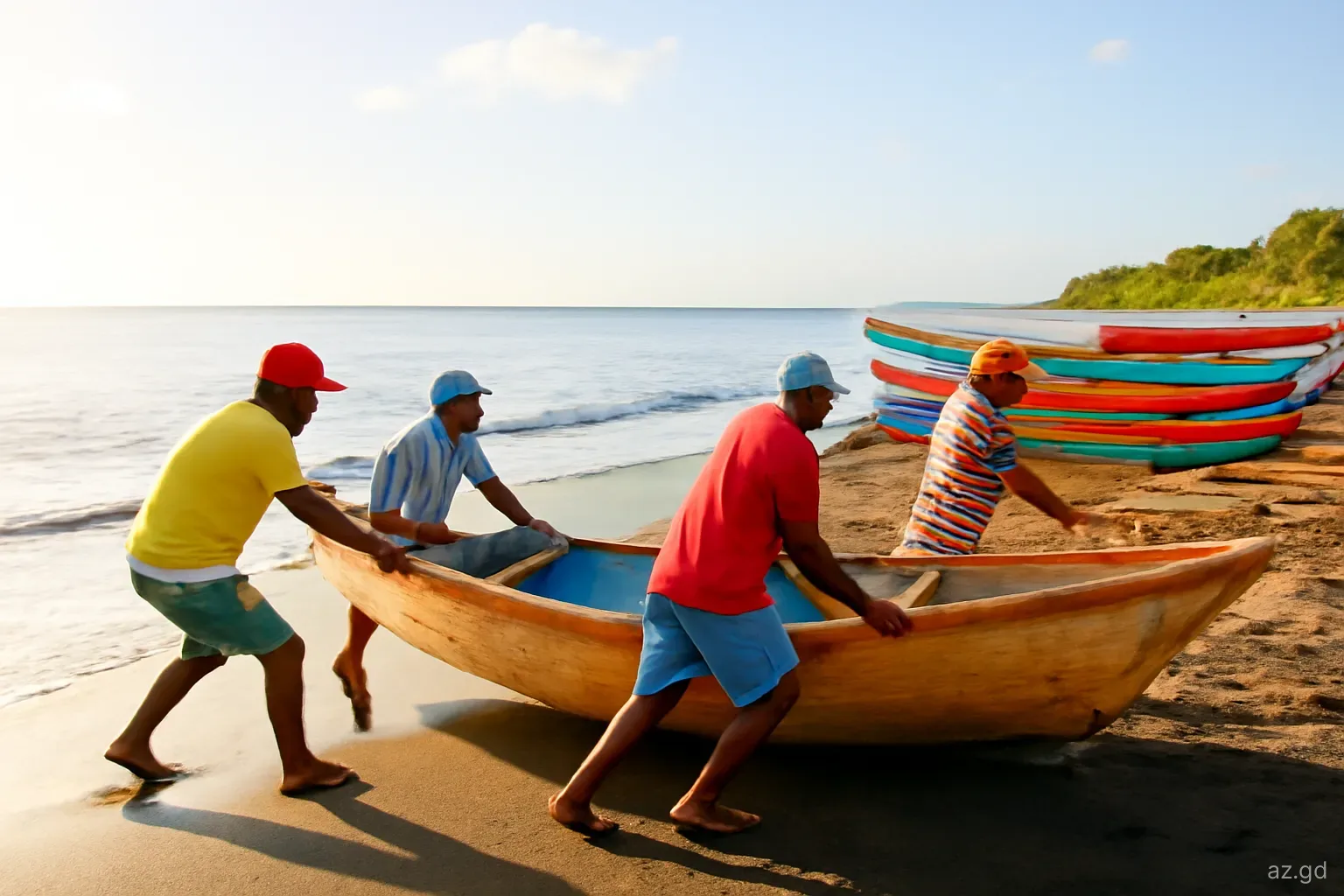
St David changes character with the calendar. On weekdays the bays are quiet, used mostly by fishermen, walkers and a few visitors. On Sundays and public holidays, families arrive with coolers, music and pots of food for a beach lime, and popular spots such as La Sagesse fill up from late morning. Easter and the August holidays are the busiest times of all.
The rainy season, roughly June to December, brings heavier showers and occasional flooding on low-lying roads near the coast, as well as landslides on steeper roads inland. Rivers that are dry in April can run fast after a storm. The parish lies within the hurricane belt like the rest of Grenada, and homes on exposed points and ridges face stronger winds.
For visitors, the dry season from roughly January to May offers the most reliable conditions for beach days, while the green season has fewer people and lush landscapes. Residents planning to live here should think about storm preparation, water storage for dry months, and how the road to their home behaves in a downpour.
Frequently asked questions
Does St David have a capital?
St David has no town acting as a parish capital. The village of St David's, between La Tante and Westerhall, is usually treated as its main settlement, but it is small, and residents rely on St George and Grenville for most shopping and services.
What is St David known for?
St David is known for its indented south-east coast of bays and headlands, the Westerhall estate and its rum heritage, La Sagesse beach, spice gardens such as Laura, and quiet residential villages within commuting distance of St George's.
Is La Sagesse beach public?
La Sagesse is used as a public beach today. In the 1970s access to the bay became a political issue when the surrounding land was privately owned. Facilities are limited, so bring water and snacks, and check sea conditions before swimming.
How long does it take to drive from Grand Anse to St David?
Around 25 to 40 minutes, depending on the village and traffic around Grand Anse and St Paul's. Some side roads are steep and narrow, so allow extra time if you are heading to bays or hill villages.
Is St David a good place to rent a house?
It can be. Rents are often lower than in Grand Anse or Lance aux Epines, and the setting is quieter. Check water supply, mobile coverage, road access and the commute carefully, as conditions vary considerably between villages.
Can you visit spice gardens in St David?
Yes. The Laura Spice and Herb Garden in the village of Laura grows nutmeg, cinnamon, cocoa and many herbs. Opening days and times can change, so confirm in advance through your accommodation or the Grenada Tourism Authority.