St Mark is the smallest of Grenada's six parishes by both area and population: roughly 25 square kilometres and about 4,400 people at the 2011 census. Most travellers pass straight through on the way from Gouyave to Sauteurs and notice little more than a sea wall, a church and a few rum shops. That is a mistake, because this narrow strip between the Caribbean and the island's highest mountain holds some of its most distinctive places.
Victoria, the parish seat, is a small service town. Above it rises Mount St Catherine, Grenada's highest peak. Along the coast are Amerindian rock carvings, an old estate turned chocolate factory and waterfalls reached through farmland. This profile explains what is there and how to approach each place sensibly.
The parish is also the most lightly visited part of the main island, which has advantages. Trails, beaches and petroglyph sites are rarely crowded, and conversations with residents come easily. The trade-off is fewer services, so the practical advice later in this piece matters more here than in busier parishes.
Victoria: a small town with a long history
Victoria sits on the leeward coast, a few kilometres north of Gouyave on the road to Sauteurs. The French settled the area in the late seventeenth century after pushing out the Kalinago, founded the town in the early 1700s, and organised St Mark as a parish in the 1740s. The British later renamed the settlement after their own monarchy, as they did with many places on the island.
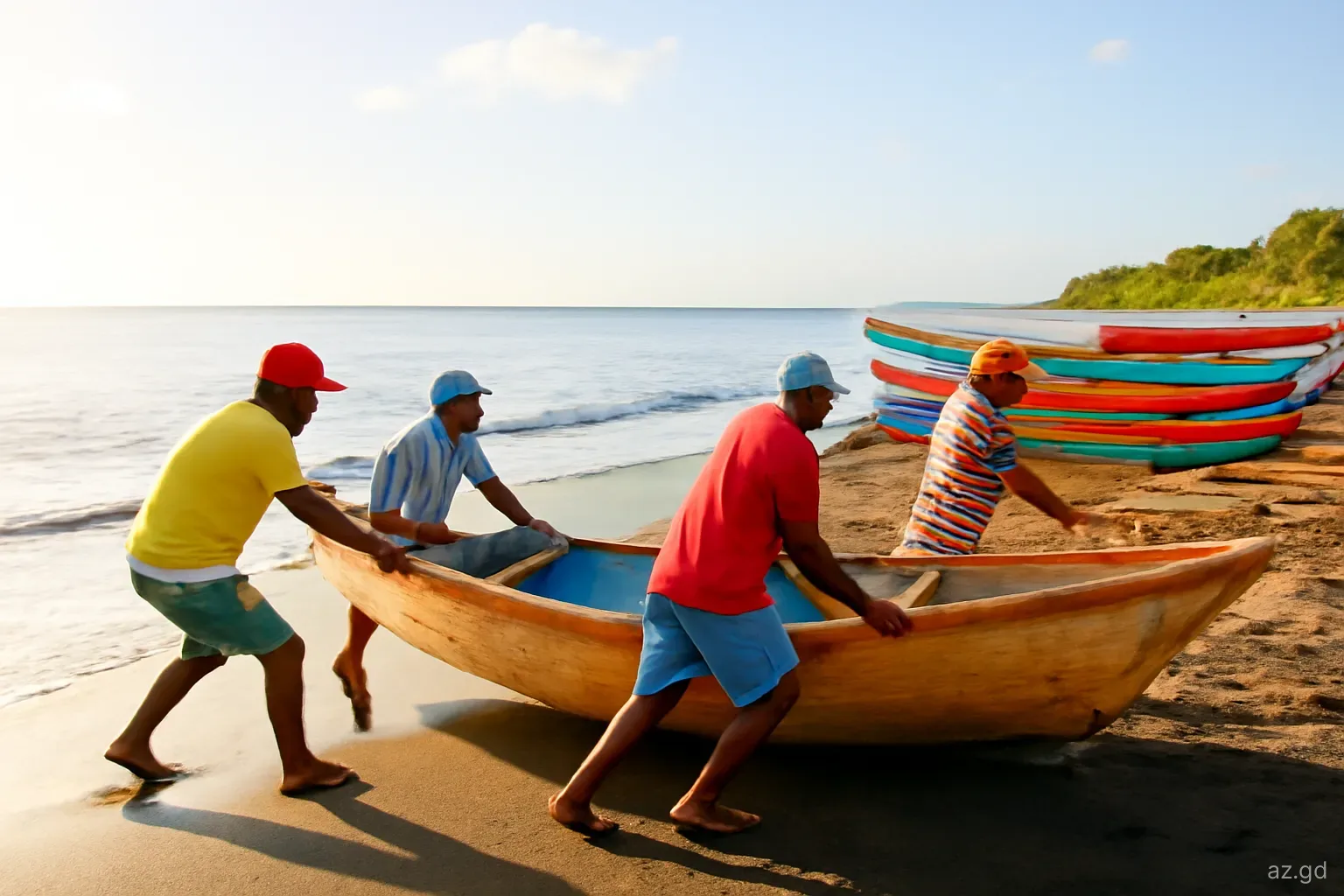
Today Victoria has around 2,000 residents and works as the practical centre for the parish: a police station, health centre, schools, churches, a few shops and the parish market area. Much of its built fabric dates from the later 1800s, with timber and stone houses close to the road. The sea wall and waterfront are where fishing boats land.
Life moves slowly. Minibuses pass through on the coast route all day, but the town has little accommodation, and most visitors stop for an hour or two rather than staying. If you want to see it in its liveliest state, come on a weekday morning or for a community event.
Places worth stopping for in St Mark
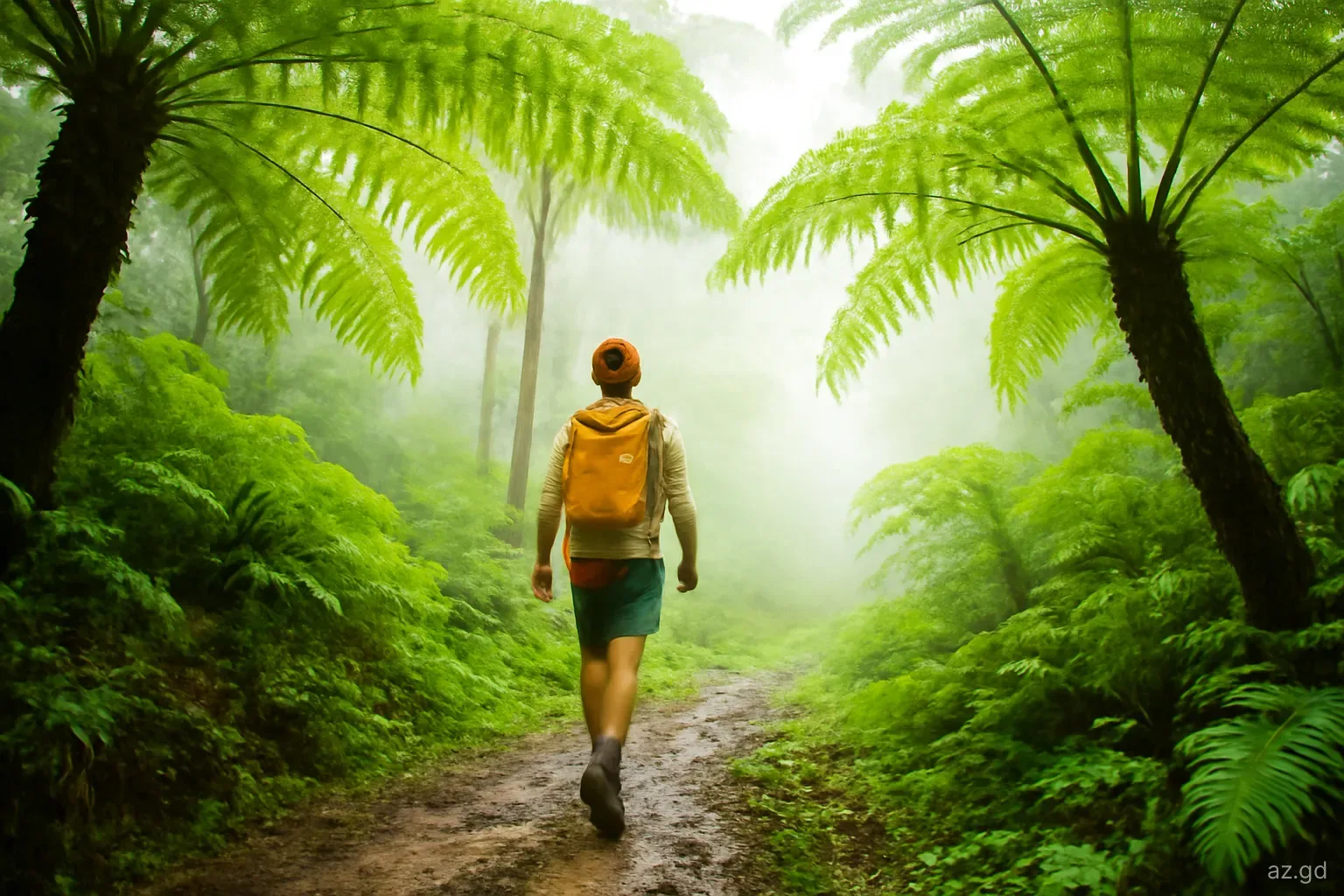
Mount St Catherine. At about 840 metres, the highest point in Grenada and the remains of an old volcano. Trails start from inland villages and pass through farmland and rainforest. The climb is steep, muddy and poorly marked, so a local guide is strongly advised.
Tufton Hall Waterfall. Inland from the coast in the hills behind Victoria, often described as one of the island's tallest falls. Reaching it involves river walking and scrambling, and it should only be attempted with a guide in dry weather.
Petroglyphs at Duquesne and Waltham. Amerindian rock carvings found near the coast, among the most significant in Grenada. They are unfenced and fragile; look, photograph and do not touch, chalk or rub them.
Diamond Estate. One of the oldest estates in the parish, near Victoria, where an old rum distillery building has been converted into a chocolate factory under the Jouvay brand. Visiting arrangements change, so check before going.
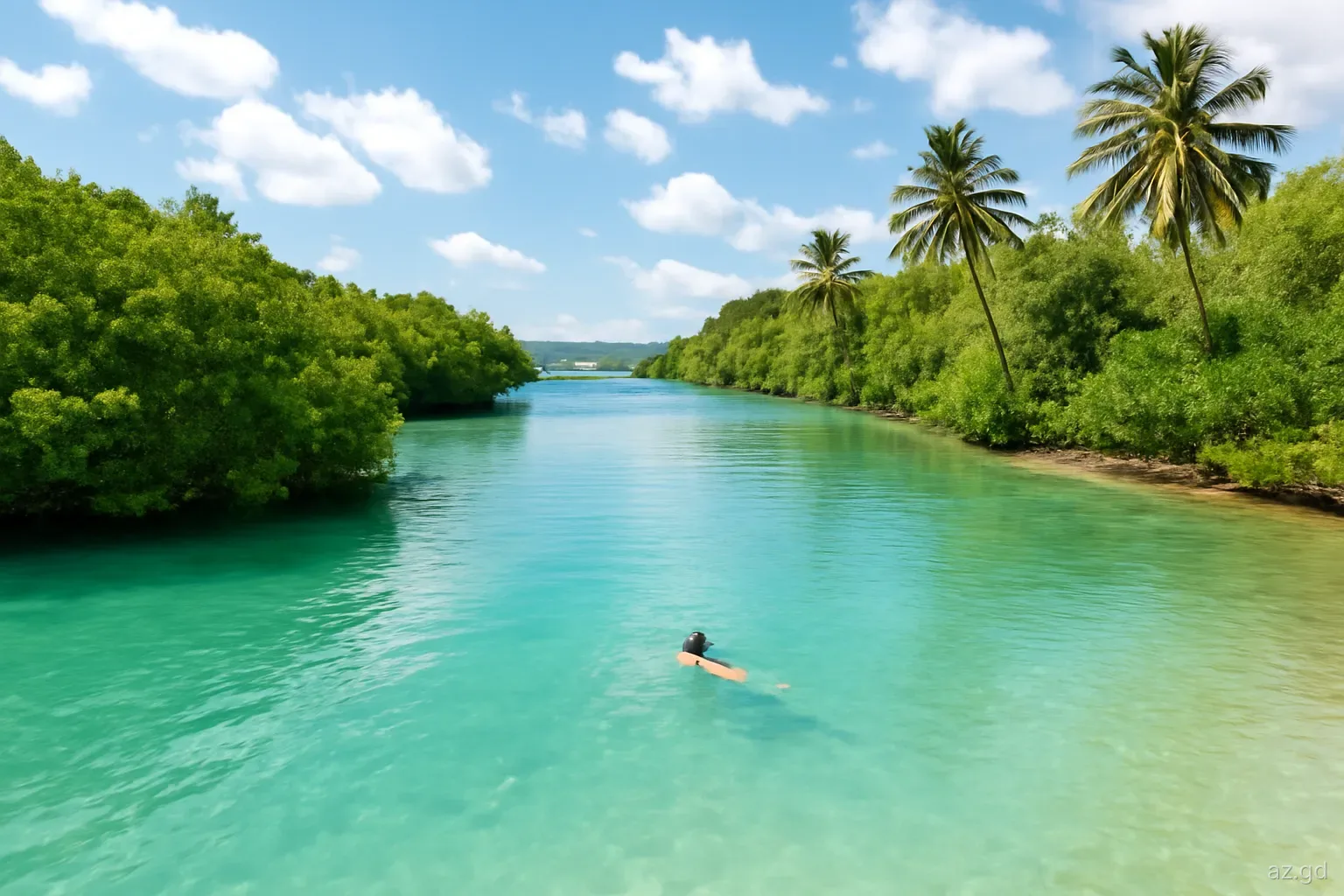
The leeward bays. Small beaches along the parish coast are mostly used by locals and fishermen. Sea conditions are usually calmer than on the Atlantic side, but there are no lifeguards.
Mount St Catherine: what the climb really involves
Mount St Catherine is a different proposition from the trails at Grand Etang. There is no visitor centre at the trailhead, no reliable signage and no regular maintenance, so routes vary with landslides and vegetation growth. The ascent typically takes several hours return from the higher villages, much of it on slippery clay, roots and steep gullies. Cloud often sits on the summit, and visibility at the top is never guaranteed.
Hiring a guide who knows the current route is the single most important decision. Guides can be arranged through hiking operators in the south or by asking in villages near the trailheads. Agree the price, the starting point and the expected duration in advance, and make sure someone not on the hike knows your plans.
Start early to avoid afternoon rain, wear shoes with aggressive tread, carry at least two litres of water, and bring a light rain layer. After heavy rain, rivers rise quickly and paths become dangerous; postponing is better than pushing on.
Mistakes to avoid in St Mark
St Mark's quietness is part of its charm, but it also means fewer services and less help nearby if things go wrong.
- Hiking without a guide. Visitors regularly lose the path on Mount St Catherine and on the approach to Tufton Hall. Local knowledge matters more here than anywhere else on the island.
- Damaging rock carvings. Chalking, wetting or rubbing petroglyphs for better photos wears them away. Photograph them in natural low-angle light instead.
- Assuming estates are open. Small producers and estates often welcome visitors only by arrangement. Call ahead through your accommodation or a tour operator.
- Driving the coast road fast. The leeward road through St Mark is narrow, with blind bends and pedestrians. It is also the only through route, so an accident blocks it for everyone.
- Leaving it too late. There are few places to eat after dark. Plan to be back in the south or settled at your accommodation by early evening.
Fitting St Mark into a trip
Because it lies between Gouyave and Sauteurs, St Mark slots easily into a northern circuit. A relaxed plan is to visit the Gouyave nutmeg station in the morning, continue to Victoria and the Duquesne area before lunch, and carry on to Sauteurs or the estates of St Patrick in the afternoon. A guided waterfall or mountain hike needs a separate, earlier start.
Community celebrations, including Fisherman's Birthday events in late June and church festivals, bring Victoria to life, and these are good occasions to see the town at its most sociable. Ask locally for dates, as they vary from year to year.
Long-stay residents occasionally choose St Mark for its peace and lower rents, accepting the long commute to St George's in return. Anyone considering it should spend time there in the rainy season first, check water supply and road access, and look at mobile signal strength house by house.
Getting there and getting around
St Mark lies on the leeward coast road, so the simplest way to reach it is by the minibuses that run from the terminal in St George's through Gouyave towards Victoria and Sauteurs. Buses are frequent in the morning and afternoon but thin out in the evening, and Sunday service is lighter. Ask the conductor to let you off at the village you want; stops are informal.
By car, Victoria is about an hour from Grand Anse in normal traffic. The road is the only through route on this side of the island, so roadworks or a landslide can cause long delays, and after heavy rain some inland roads leading to trailheads become difficult or impassable for ordinary cars.
Inland trips to Tufton Hall or the slopes of Mount St Catherine usually start from villages where roads end and footpaths begin. Many guides will collect hikers from the south or meet them at an agreed point in Victoria, which saves time and avoids getting lost on unsigned farm roads. Taxis can be arranged for a one-way drop and a later pickup, but mobile signal in the hills can be patchy, so fix the pickup time in advance.
Frequently asked questions
What is the smallest parish in Grenada?
St Mark is the smallest parish by both area and population, at roughly 25 square kilometres and about 4,400 people in the 2011 census. Its seat is the town of Victoria, on the leeward coast between Gouyave and Sauteurs.
How high is Mount St Catherine?
Mount St Catherine reaches about 840 metres, making it Grenada's highest peak. It is an old volcanic summit covered in rainforest, often wrapped in cloud, and best climbed with a local guide because trails are rough and change frequently.
Can you visit Tufton Hall Waterfall without a guide?
It is not recommended. The route involves river crossings, slippery rocks and unmarked sections, and rivers can rise rapidly after rain. A guide familiar with current conditions makes the trip safer and far easier to navigate.
Where are the petroglyphs in St Mark?
Notable Amerindian petroglyphs are found near Duquesne Bay and at Waltham in the parish. They are unprotected outdoor carvings, so ask locally for directions and treat them with care, without touching, chalking or climbing on the stones.
Is Victoria a good place to stay?
Victoria has very little accommodation and limited evening dining. It suits travellers seeking quiet rural stays with a car, but most visitors find it easier to base themselves in the south and visit St Mark as part of a day trip.