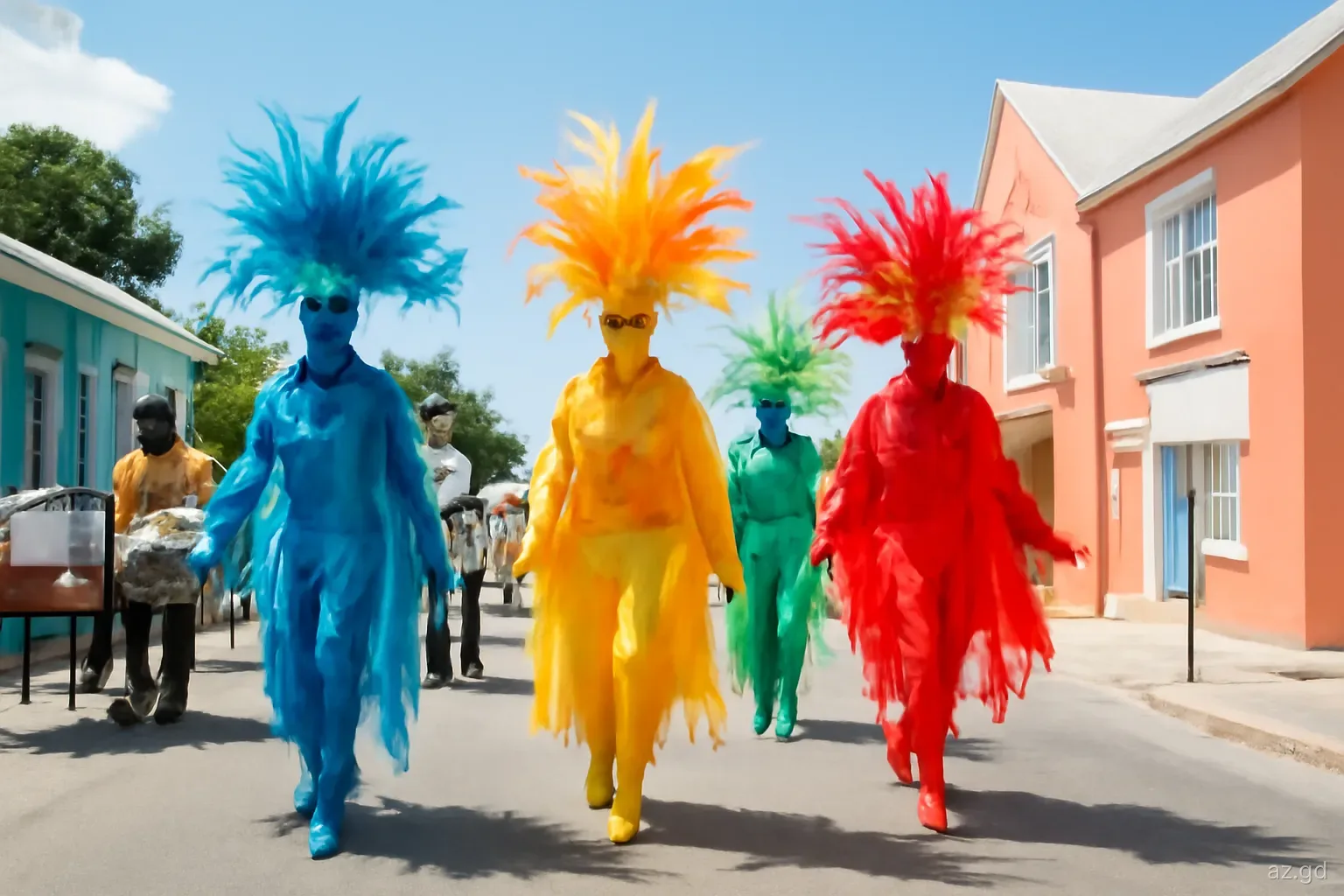
Spicemas is Grenada's carnival and the biggest event in the national calendar. Its climax falls on the second Monday and Tuesday of August, both public holidays, but the season runs much longer: bands launch their costumes months ahead, calypso and soca dominate the radio through July, and the final fortnight is a sequence of shows, fetes and competitions that ends with two days of masquerade on the streets of St George's.
For first-timers, the vocabulary can be confusing. J'ouvert is not the same as Monday Night Mas, Dimanche Gras is not a parade, and "playing mas" means something more specific than watching. This explainer walks through the carnival week day by day, what each event is, where it happens and what to expect. The Spicemas Corporation, the body that organises the festival, publishes the official calendar each year, and dates and venues should be confirmed there.
Where Spicemas comes from
Carnival in Grenada grew out of the pre-Lenten celebrations of the French and then British colonial periods, transformed by enslaved Africans and their descendants into a festival of satire, music and masquerade. After emancipation in 1838, carnival became a space where free Grenadians could mock authority, parade their own traditions and claim the streets. Characters such as the jab jab, painted black and carrying chains, carry that history directly.
For most of its history Grenada's carnival was held before Lent, as in Trinidad. In the early 1980s it moved to August, where it sits close to Emancipation Day and avoids competing with Trinidad and Tobago's carnival for performers and visitors. Carriacou, by contrast, kept a pre-Lenten carnival of its own. The name Spicemas, joining spice and mas, became the national brand for the festival and is now used for the whole season.
The build-up: band launches, tents and fetes
Band launches. From around March, mas bands unveil their costume designs for the year, usually built around a theme. Registration for those who want to play opens soon after, and the most popular sections can sell out well before August.
Calypso and soca season. New songs are released through the early summer, and the calypso tents and soca shows that feed into the national competitions take place across the island. The song that wins the "Road March", played most often by bands on the road, is a matter of real national debate.
Fetes. Promoters stage parties, often all-inclusive with food and drink, through late July and early August. Breakfast fetes, boat cruises and late-night events fill the calendar, and tickets for the best-known sell out.
Kiddies Carnival. Children's carnival takes place before the main weekend, with young masqueraders parading in costume. It is one of the most family-friendly events of the season.
The final weekend: Soca Monarch, Panorama and Dimanche Gras
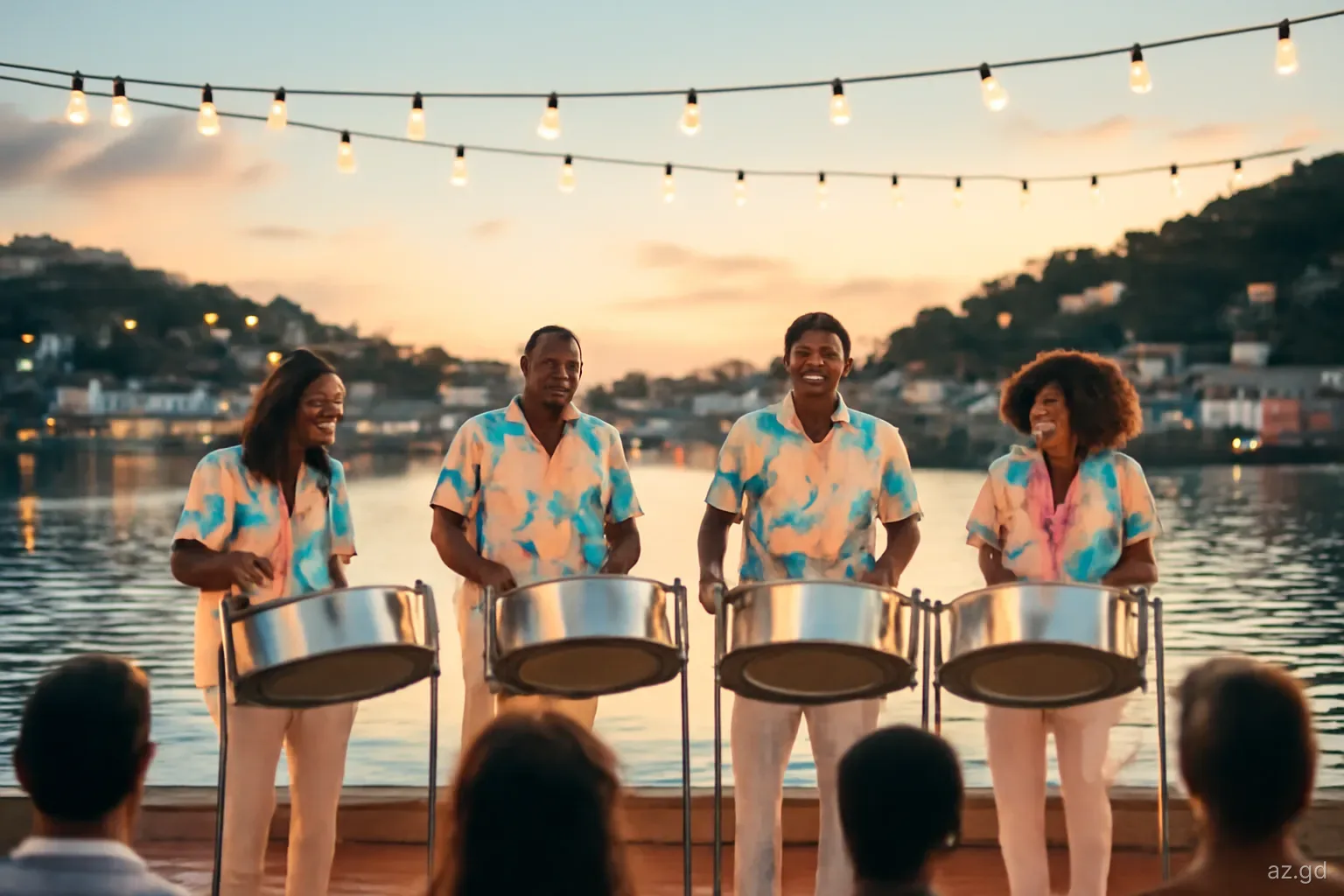
The last weekend before carnival is packed with finals, mostly staged at the national stadium complex at Queen's Park on the northern edge of St George's. On the Friday, the Soca Monarch competition crowns winners in the Power category, built on high-energy jump-up songs, and the Groovy category, which favours slower, melodic soca. On the Saturday, steelbands compete in Panorama, each performing a long, intricate arrangement of a calypso or soca tune; the logistics of moving dozens of pans and players onto the stage are part of the spectacle.
Sunday is Dimanche Gras, the traditional carnival Sunday show. It typically includes the Calypso Monarch final, where calypsonians perform social and political commentary, and the King and Queen of the Bands competition, in which individual masqueraders parade huge, often illuminated costumes that can tower metres above the wearer. These shows run late, so many people head straight from Dimanche Gras to J'ouvert a few hours later.
Carnival Monday: J'ouvert, Monday Mas and Monday Night Mas
J'ouvert, from the French for daybreak, begins in the dark, around four in the morning on Carnival Monday. Its signature character in Grenada is the jab jab: masqueraders coated in black substances such as oil, molasses or charcoal, wearing horns and carrying chains, moving through the streets of St George's to pounding drum rhythms and music trucks. It is loud, physical and deliberately unsettling, and it is the event most closely associated with Grenadian carnival. Spectators near the route should expect to get dirty.
After sunrise, bands play "Monday Mas" through the day in simpler costumes, with Grenville also holding its own carnival celebrations. As night falls, Monday Night Mas takes over: masqueraders dress in T-shirts and costumes covered in lights, glow sticks and flashing accessories, dancing behind music trucks in a river of colour through the dark streets of the capital. Many visitors rate Monday Night Mas as the most enjoyable part of carnival for newcomers, as it is festive, inclusive and easy to join. Light-up accessories are sold by vendors along the route, though buying them in advance avoids inflated prices.
Carnival Tuesday: the Parade of the Bands
Tuesday belongs to pretty mas. Bands parade in full costume through St George's, section by section, each following a truck playing soca. Costumes range from beaded bikinis with feathered backpieces to more conservative designs, and bands are judged at a stage on the route. The parade lasts most of the day and moves slowly, with long stops for dancing.
Traditional mas also appears on the road. Characters such as the Short Knee, with loose costumes decorated with mirrors and a habit of throwing powder, and Wild Indians with feathered headdresses and spears, are especially associated with the countryside parishes and with groups working to keep older forms alive. By evening the Last Lap winds the festival down, and on Wednesday morning the country goes back to work, tired and hoarse.
The music: calypso, soca, jab and the Road March
Spicemas runs on music, and each year's songs define the season. Calypso, the older form, is built on lyrics: witty, often biting commentary on politics, society and scandal, judged in the Calypso Monarch competition. Soca, its faster, dance-driven descendant, provides the soundtrack for the road and the fetes. Grenada has its own strong soca identity, especially the heavy, drum-driven "jab" style associated with J'ouvert, which sounds quite different from the soca of Trinidad or Barbados.
The Road March title goes to the song played most often by bands as they cross the judging points on carnival days, and it is often a different song from the Soca Monarch winner. Steelband music has its own platform in Panorama, where bands from around the island perform arrangements weeks in the making. For visitors, listening to Grenadian radio in the weeks before carnival is the quickest way to learn the songs everyone will be singing on the road.
Practical points for spectators
Watching Spicemas needs less planning than playing, but a few points make the difference:
- Roads in St George's are closed or congested for much of Monday and Tuesday, and route buses run limited or diverted services. Plan to walk or arrange transport well in advance.
- For J'ouvert, wear old clothes and shoes you can throw away, keep phones in a sealed waterproof pouch and stand back from the route if you do not want to be smeared.
- Shade is scarce along the parade route. Bring water, sunscreen and a hat, and take breaks. Balconies and rum shops along the route fill early with locals who know the best spots.
- Carry small amounts of cash in EC dollars and leave valuables at your accommodation.
- Ask before photographing masqueraders up close; most are happy to pose, but not everyone.
- Many shops and offices close on Carnival Monday and Tuesday, so stock up beforehand.
Frequently asked questions
When is Spicemas held each year?
The climax falls on the second Monday and Tuesday of August, which are public holidays, with shows and competitions in the days and weeks before. In 2026 carnival Monday and Tuesday were 10 and 11 August. The Spicemas Corporation confirms each year's calendar, so check the official programme before booking travel.
What is the difference between J'ouvert and Monday Night Mas?
J'ouvert starts before dawn on Carnival Monday and is dominated by jab jab masqueraders covered in oil, molasses or charcoal. Monday Night Mas happens after dark the same day, with masqueraders wearing lights and glowing accessories. One is raw and messy, the other colourful and festive, and many people do both.
What does jab jab mean in Grenada?
Jab jab is a traditional carnival character, its name derived from the French Creole for devil. Masqueraders blacken their bodies with oil, molasses or charcoal and wear horns and chains, a performance rooted in the history of slavery and resistance. It is the defining character of Grenada's J'ouvert.
Can visitors watch Spicemas for free?
Yes. The street events, J'ouvert, Monday Night Mas and the Tuesday Parade of the Bands, can be watched from the roadside in St George's without a ticket. Shows such as Soca Monarch, Panorama and Dimanche Gras, as well as most fetes, require paid tickets, which are sold in advance and at the gate.
Why is Grenada's carnival in August rather than before Lent?
Grenada moved its carnival from the pre-Lenten period to August in the early 1980s. The August date sits close to Emancipation Day and avoids a clash with Trinidad and Tobago's carnival. Carriacou still holds a pre-Lenten carnival, known for its Shakespeare Mas tradition.