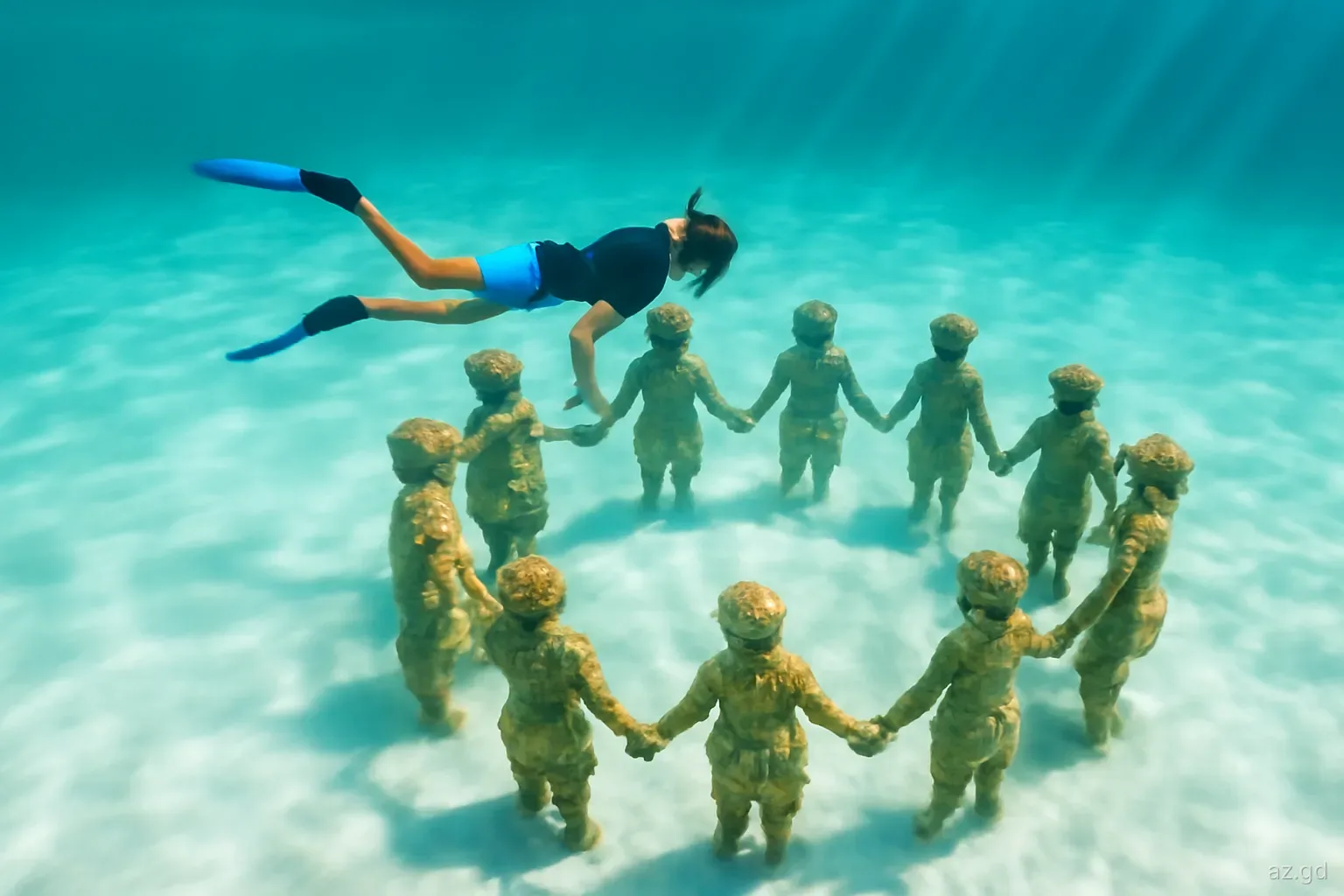
In May 2006 the British sculptor Jason deCaires Taylor began sinking concrete figures into Molinere Bay, a stretch of the west coast north of St George's whose reef had been battered by Hurricane Ivan in 2004 and Emily in 2005. The result is usually described as the world's first underwater sculpture park open to the public, and today it holds more than sixty-five pieces spread across the bay, most in water shallow enough to see from the surface.
The park sits inside the Molinere-Beausejour Marine Protected Area, so visiting comes with a fee and a few rules. The practical questions are simple: snorkel or dive, which boat, what it costs, and which sculptures are worth looking for. This page answers them.
What is down there
The best-known work is Vicissitudes, installed in 2007: a ring of 26 children holding hands, cast from local young people, facing outwards in a circle on the sand at around four metres. It has become the image of the park, and on calm days it is clearly visible to snorkellers.
Other pieces from the first years include Grace Reef, a group of figures cast from a Grenadian woman lying on the seabed; The Lost Correspondent, a man at a desk with a typewriter slowly being taken over by coral; The Unstill Life, a table with a vase and fruit bowl; The Fall From Grace, a cyclist; and the TamCC heads cast from students of T.A. Marryshow Community College, set on a rock face close to the surface. Local artists have added further works since 2010.
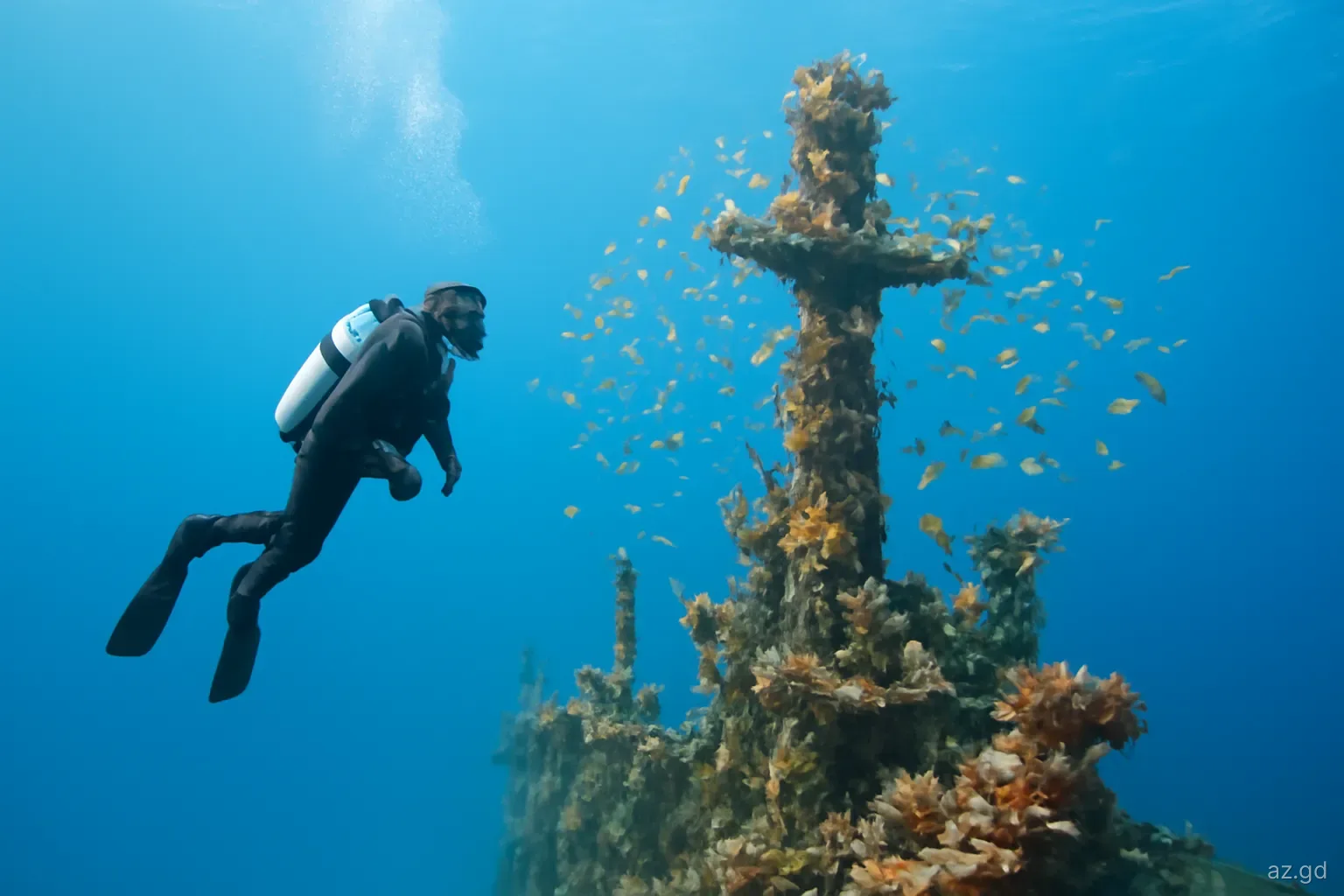
Depths across the main pieces run from roughly two to eight metres, with the deepest a little beyond that. The figures were designed as artificial reef: after nearly two decades many are thickly covered with sponges, soft corals and algae, and some faces are barely recognisable. That is the point of the project, but it surprises visitors expecting clean grey statues.
Snorkel or dive: how to decide
Snorkelling suits most people. Because most sculptures lie in a few metres of water, snorkellers see the main works, including Vicissitudes, from the surface. You need to be comfortable in open water without standing up, and a guide pointing out where each piece sits saves a lot of aimless swimming.
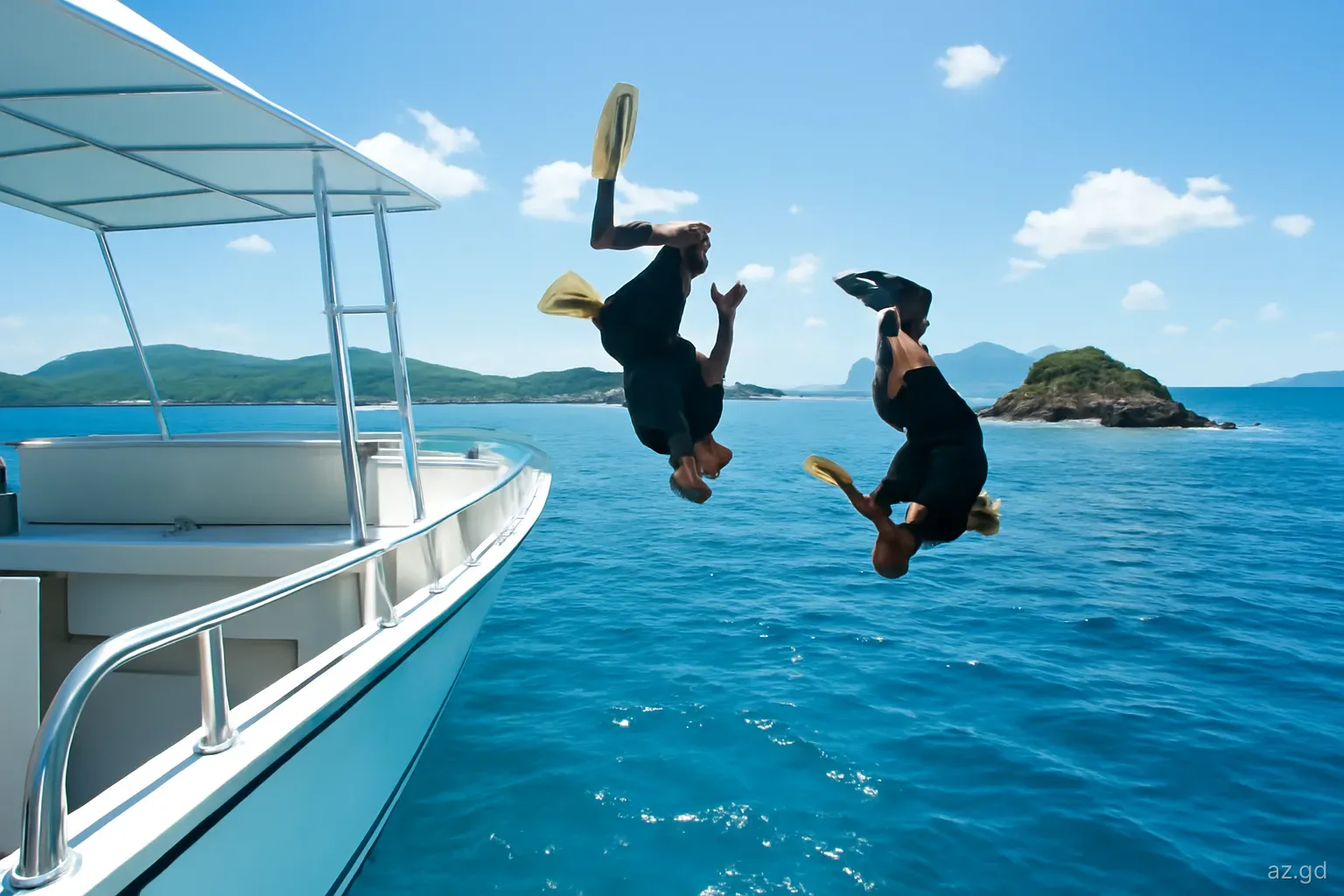
Diving gives you angles and detail. Divers can hover beside the figures, see the undersides and the creatures sheltering in them, and combine the park with the reef along Molinere Point. It is a shallow, gentle dive suitable for newly certified divers and often used as a second dive after something deeper.
Non-swimmers have limited options. Glass-bottom boat trips run over the bay and give a sense of the place, though only the shallowest sculptures show clearly from a hull window. Wearing a life vest while snorkelling with a guide is the other route.
Freediving is possible but regulated. Breath-hold divers fall under the same protected-area rules, and the fees for activities in the reserve include free divers. Go with an operator or a local guide rather than swimming out from a beach alone.
Getting there and what it costs
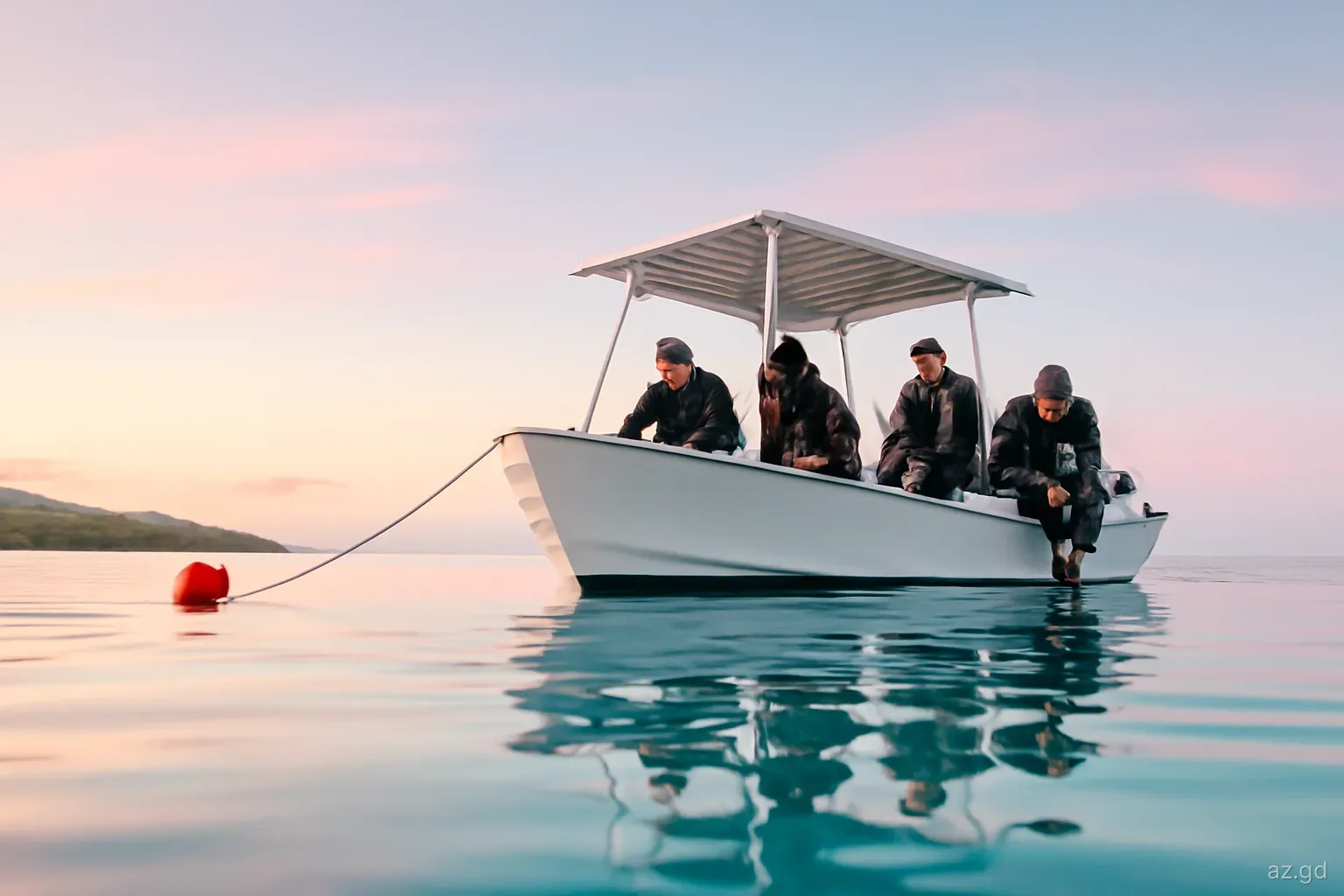
There is no practical shore entry for most visitors: Molinere Bay is reached by boat. Dive shops and snorkel-trip operators around Grand Anse, Morne Rouge and the St George's waterfront run regular trips, and water taxis from the Grand Anse beach area also make the run. The ride from Grand Anse takes roughly 15 to 25 minutes depending on the boat and sea state, passing the harbour and the Carenage on the way north.
The Grenada Tourism Authority introduced a per-visit entry fee for the protected area in May 2025. It started at US$3.50 per person, was scheduled to rise to US$7 on 1 October 2026 and to US$10 on 1 October 2027, and applies to divers, snorkellers and anyone else entering the reserve. It is paid through the authority's online payment portal, and many operators handle it for you. A separate set of daily activity fees under amendments to the Fisheries Act was also announced, so ask your operator exactly which charges are included in the trip price.
Trip prices vary widely: a shared snorkel trip typically costs from around US$40 to US$80 per person, a guided shallow dive more. Treat these as rough guides that change with the operator, the season and whether equipment is included.
Planning a visit, start to finish
A sculpture park trip is easy to arrange, but a few choices made in advance decide whether you see the main works clearly or spend the hour searching.
- Decide between snorkelling and diving based on your comfort in open water, not on price alone. Weak swimmers should say so when booking so the operator brings a vest and keeps a guide nearby.
- Choose a small-group trip where possible. A guide with six snorkellers can lead you from piece to piece; one with thirty cannot.
- Ask what the price includes: boat, guide, mask and fins, the protected-area entry fee and any daily activity fee. Clarify this in writing if you are paying in advance.
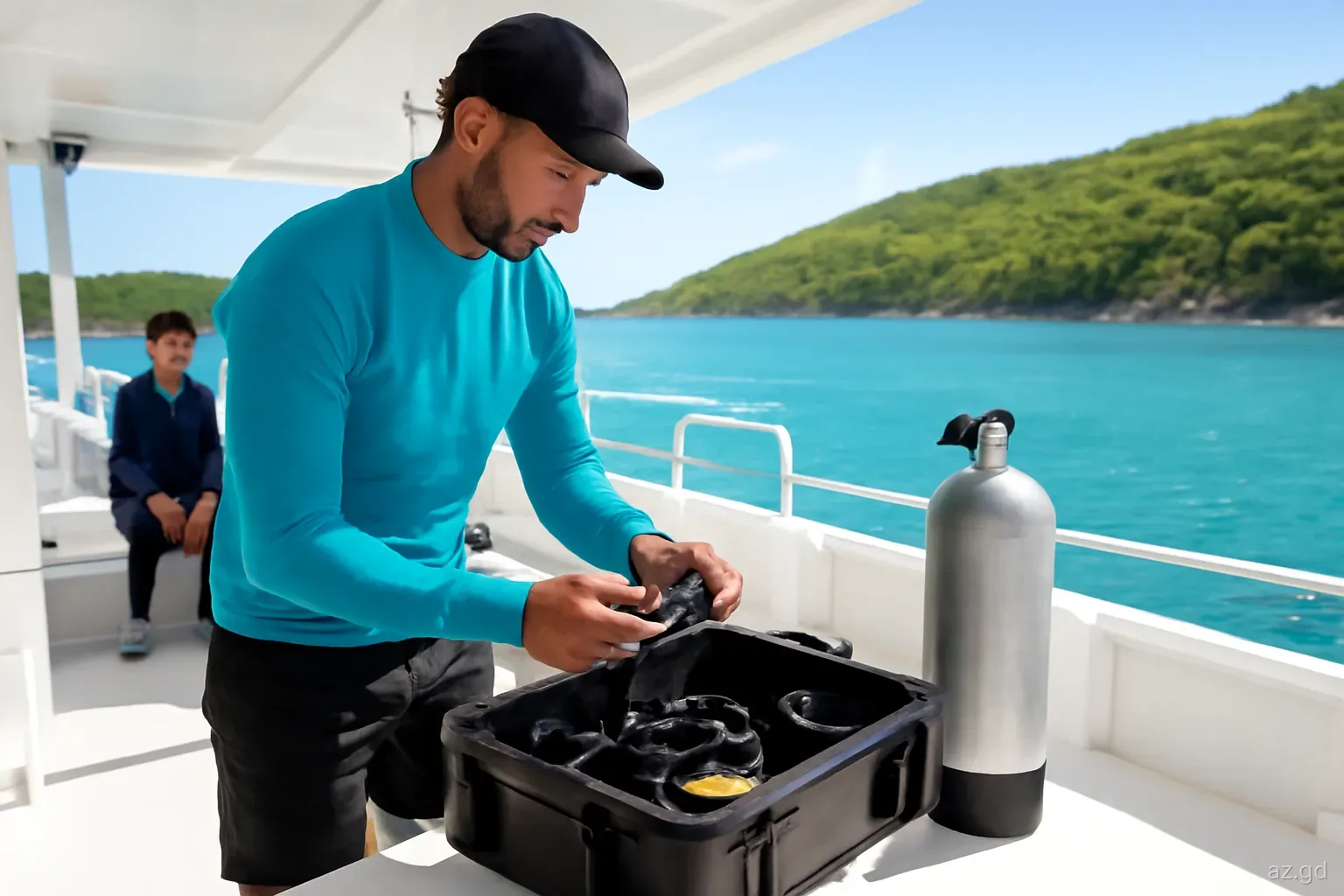
- Bring your own well-fitting mask if you have one. A leaking hired mask is the most common reason snorkellers give up early.
- Pack a rash vest, water, a towel and a dry bag. There is little shade on most trip boats, and the reflection off the water burns quickly.
- Check the forecast the evening before. Northerly swell in the winter months occasionally makes the west coast choppy, and operators may reschedule.
Rules inside the protected area
Molinere-Beausejour is managed by the Fisheries Division with wardens on the water. The rules are straightforward and apply to everyone, including private boats.
- Do not touch, stand on or sit on the sculptures. The growth on them is living coral and sponge, and broken pieces do not recover.
- No fishing, spearfishing or collecting of shells, coral or anything else, living or dead.
- Private yachts may not anchor in the reserve; use the moorings provided and pay the mooring fee.
- Wear sunscreen that is free of oxybenzone and similar chemicals, or better, a rash vest and cover-up so you need less of it.
- Keep fins high and away from the bottom. Snorkellers kicking up sand smother the figures and ruin visibility for everyone behind.
- Feeding fish is not allowed; it changes their behaviour and the balance of the reef.
- Follow the instructions of wardens and guides, who can ask a boat to leave.
When to go and what to watch for
Morning light is best. Calm water and high sun in the late morning give the clearest view from the surface. Afternoons can bring a light chop and more boats.
Cruise-ship days are busier. When several ships are in St George's, excursion boats crowd the bay at the same hours. If your dates are flexible, ask the operator about quieter days.
Rain reduces visibility. Heavy rain washes sediment from the hills into the bay. After a wet night, visibility can drop for a day or two, especially in the rainy season from June to December.
Manage expectations. The sculptures are smaller and more overgrown than many photographs suggest, which are often taken at their freshest. Go for the strange, slow transformation rather than gallery-perfect statues.
Combine it with Dragon Bay and Flamingo Bay. Many trips add a reef stop nearby, where the coral and fish life are richer than in the sculpture area itself.
Frequently asked questions
Is the sculpture park suitable for children?
Children who swim confidently in open water can snorkel the shallow pieces with a guide and a buoyancy vest. Younger children usually do better on a glass-bottom boat. Ask the operator about minimum ages and child-sized masks and fins before booking.
Do you need to be certified to dive the park?
Certified divers can dive it at Open Water level because it is shallow. Uncertified visitors can join a try-dive programme run by a dive shop, which includes a pool or shallow-water briefing before a supervised visit with an instructor.
Can you snorkel there from the beach?
Molinere has no convenient public beach entry, and the swim from neighbouring bays crosses boat traffic. Going by boat with an operator or water taxi is safer and gets you directly over the sculptures with a guide who knows where they lie.
How long does a visit take?
A typical snorkel trip lasts two to three hours including the boat ride, with 45 minutes to an hour in the water at the park. A dive trip is similar. Combined tours that add a beach or reef stop take half a day.
Who pays the marine park fee?
Every person entering the reserve, including divers, snorkellers and other visitors. Operators often collect it in the trip price, but check. If you go on a private boat, pay through the Grenada Tourism Authority portal and keep proof for the wardens.