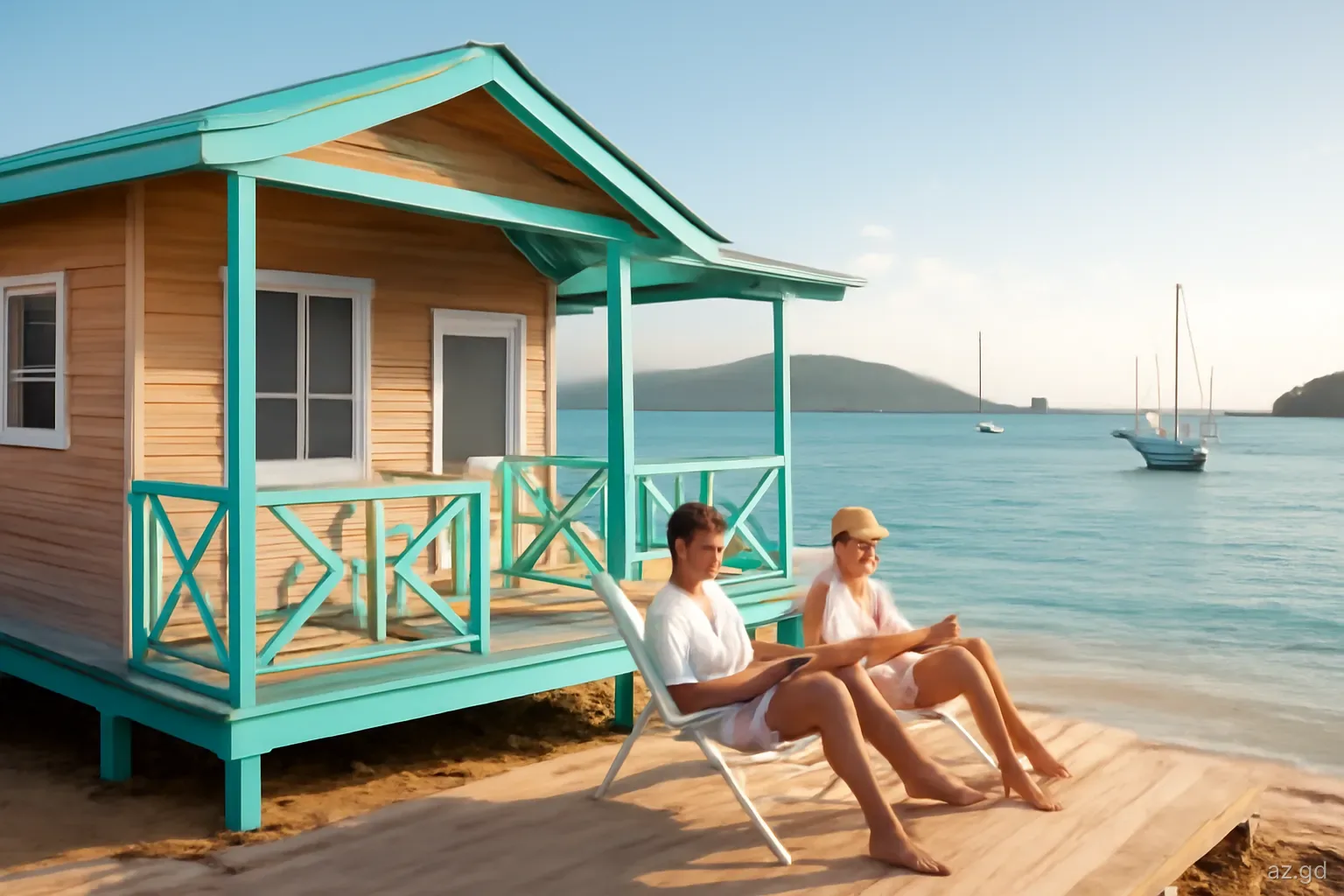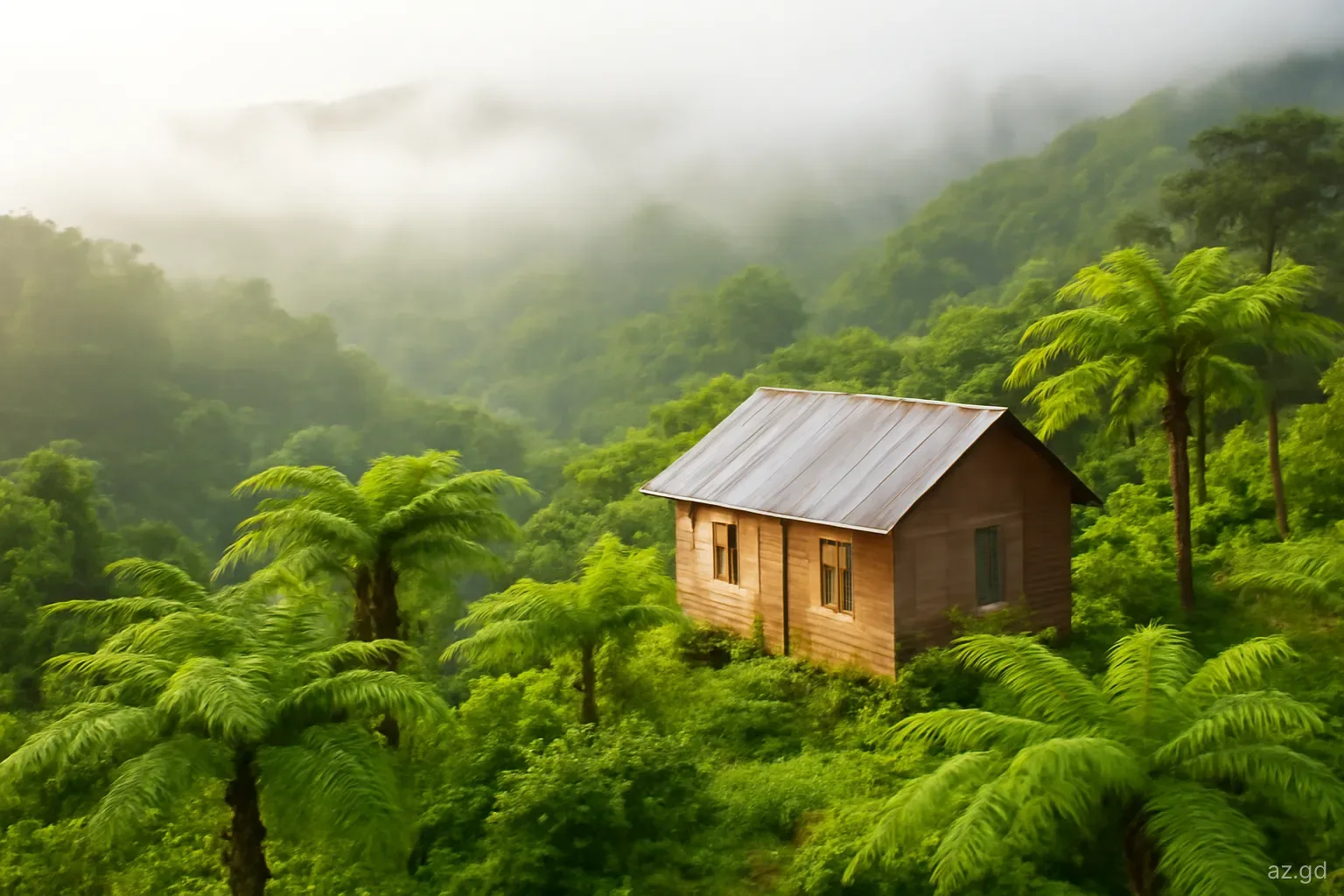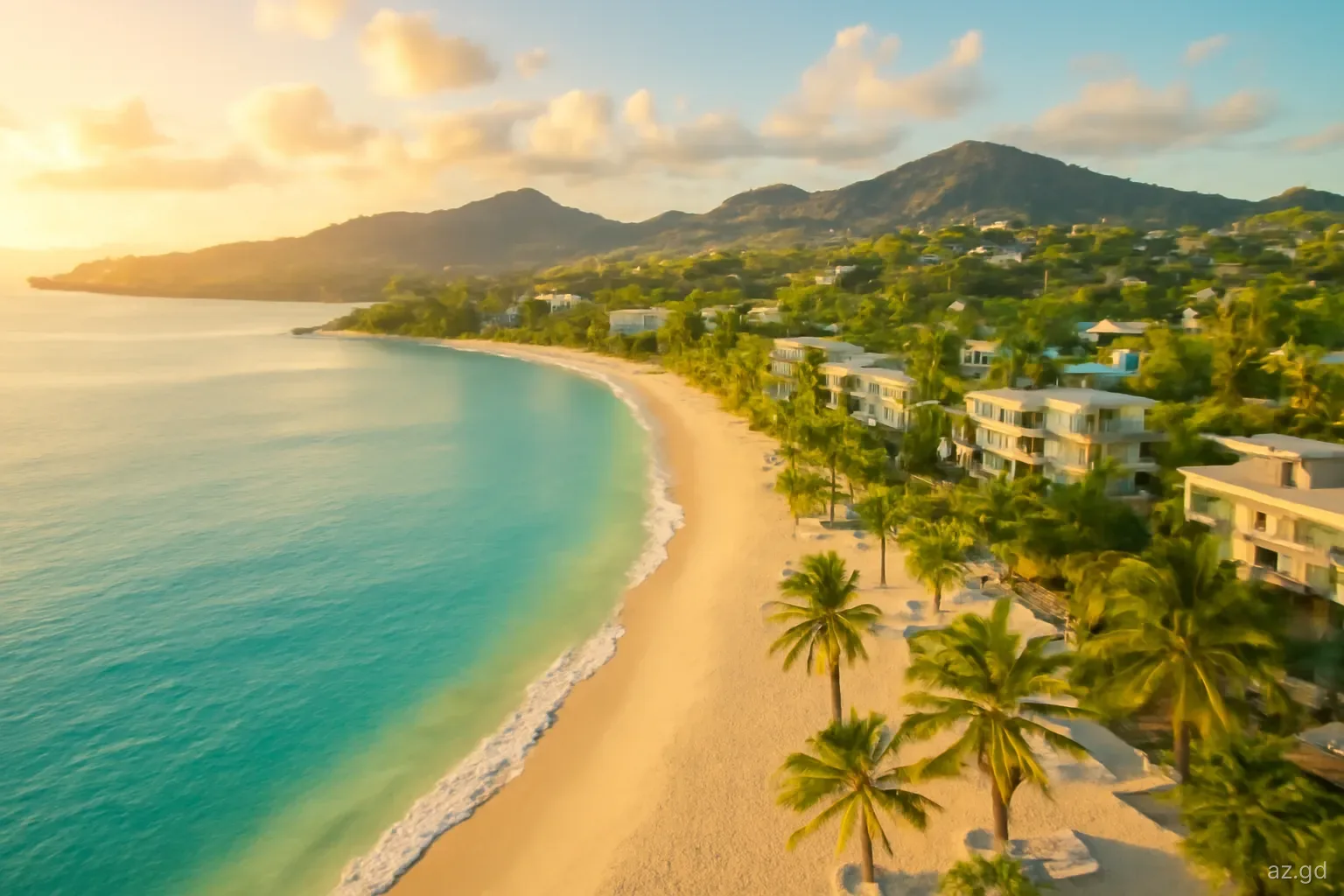
Most visitors to Grenada sleep within a few kilometres of each other. The south-west corner of St George parish, from Grand Anse round to Lance aux Epines, holds the large majority of hotels, apartments and villas, and the airport at Point Salines sits in the middle of it. That concentration is convenient, but it also means many people never see how different the rest of the island feels.
Choosing a base comes down to three questions: do you want to walk to a beach and restaurants, will you hire a car, and do you want activity around you or quiet? This guide runs through each area in turn, with what it is genuinely like to stay there and the trade-offs that brochures leave out.
Grand Anse and Morne Rouge: the easy default
Grand Anse is the obvious first choice, and for good reason. The beach runs for roughly three kilometres of pale sand with gentle water most of the year, and behind it sit hotels of every size, from long-established resorts such as Spice Island Beach Resort and Silversands to small apartment blocks. Route buses run along the main road into St George's all day, the Grand Anse area has supermarkets, banks, pharmacies and a cluster of restaurants, and a taxi from the airport takes around ten to fifteen minutes.
Next door, Morne Rouge Bay (often called BBC Beach) is smaller and more sheltered, with a handful of hotels and villas on the hillside above. It suits people who want Grand Anse's convenience a short walk away but a calmer cove to swim in. The trade-off with this whole strip is that it is the busiest part of the island: cruise-ship days bring day visitors onto the beach, and the main road can be slow at rush hour.
Lance aux Epines, True Blue and Prickly Bay: the south coast peninsulas
East of the airport, the coast breaks into a series of peninsulas and bays. Lance aux Epines is a leafy residential area of large houses, villas and a few upmarket hotels such as Calabash, with small beaches and Prickly Bay's anchorage on one side. It is quiet at night and popular with long-stay visitors, but it is not a walking area: distances between houses, shops and bars are longer than they look, and the narrow roads have few pavements.
True Blue sits between the airport and Prickly Bay and is dominated by St George's University, whose campus and student housing shape the area. That brings cafés, apartments and plenty of rental stock, and it also means demand jumps around the university's January and August intakes. Prickly Bay and the marinas around it attract the sailing community, with bars and services that cater to boat crews. For anyone staying here a hire car, or a reliable taxi arrangement, makes life much easier.
St George's town: character over beaches
Very few visitors stay in the capital itself, which is a pity for those who like towns. St George's wraps around the Carenage harbour on steep hills, with Fort George above, Market Square a few streets back and the Esplanade facing the cruise terminal. Guesthouses and small hotels here are generally cheaper than the beach strip, buses to every parish leave from the Bus Terminus on Melville Street, and the Osprey ferry to Carriacou departs from the Carenage.
The catch is that there is no swimming beach in town (Grand Anse is a short bus ride away), the streets are steep and busy by day, and nightlife is limited outside weekends and festivals. It works well for travellers on a budget, people catching an early ferry, and anyone who wants to see daily Grenadian life rather than a resort strip.
Beyond the south-west: St David, the east and the north
St David and the south-east coast. The coastline from Westerhall and Calivigny to La Sagesse is greener and far less developed, with a handful of villas, small hotels and newer upmarket resort projects. Beaches are quieter and the drive to the airport is around twenty to thirty-five minutes. A car is essential.
Grenville and St Andrew. Grenada's second town sits on the Atlantic side, with a busy market and bus links west and north. Accommodation is limited and mostly simple guesthouses, but it puts you close to Grand Etang, the Pearls area and the east-coast estates.
Sauteurs, St Patrick and the far north. The north is rural, steep and beautiful, with Bathway Beach, Levera and Belmont Estate within reach. Places to stay are few and scattered, Petite Anse near Sauteurs being one of the better known. Expect a drive of well over an hour to the airport on winding roads.
Gouyave and the west coast. Gouyave in St John is a working fishing town known for its Friday fish nights. Rooms on the west coast are scarce, but staying here puts you close to waterfalls, the nutmeg station and the Concord valley.
Matching the base to the trip
A quick way to narrow the choice is to start from the kind of trip planned and work backwards:
- First visit, no car, one week: Grand Anse or Morne Rouge. Everything is walkable or on a bus route.
- Family with young children: Grand Anse or a hotel on a calm south-coast bay; avoid the Atlantic side, where surf can be rough.
- Sailing or diving focus: Prickly Bay, True Blue or Lance aux Epines, near the marinas and most dive operators along the south coast.
- Couples wanting quiet: Lance aux Epines, St David, or a hillside property above Morne Rouge.
- Hiking, waterfalls and estates: split the stay, with a few nights near Grand Etang, Grenville or the north.
- Budget travel: St George's guesthouses or apartments set back from the beach in Grand Anse and True Blue.
- Two weeks or more: combine the south-west with a few nights on Carriacou.
Noise, breeze and insects: the small differences between areas
Areas that look similar on paper can feel quite different at night. Properties close to the main road behind Grand Anse pick up traffic and, on weekends, music from bars and passing vehicles. Residential areas such as Lance aux Epines and the St David coast are quieter overall, but roosters, barking dogs and Sunday church services are part of the soundscape almost everywhere in Grenada. Light sleepers should ask for a room away from the road and bring earplugs regardless of where they stay.
Breeze matters more than many visitors expect. Hillside properties above Morne Rouge, Grand Anse and Lance aux Epines usually catch the trade winds, which keeps rooms cooler and mosquitoes down. Sheltered bays, lush gardens and spots near mangroves or lagoons can be still, humid and buggy, especially in the rainy season from roughly June to December. If a property relies on fans rather than air conditioning, its exposure to the wind becomes a deciding factor.
Finally, consider how you will spend evenings. Grand Anse and the Prickly Bay area have the most restaurants and bars within short distances; most other areas are very quiet after dark, which is exactly what some visitors want and what frustrates others.
Mistakes people make when picking an area
The most common error is underestimating distances and roads. Grenada is small on a map, but roads are narrow, hilly and winding, so a villa that looks fifteen kilometres from Grand Anse can mean forty minutes each way. Route buses largely stop in the evening, and taxis add up quickly if you go out every night. Before booking anything outside the south-west, decide honestly whether you will drive (which requires a local driving permit) or budget for taxis.
Second, "beachfront" is used loosely. A listing may be across the road from the beach, above it on a steep slope, or on a stretch where the sea is rough. Third, some hillside properties have spectacular views and long, steep walks to anything else. Check the actual location on a satellite view, read recent reviews that mention walking, and ask the property directly how long it takes to reach the nearest shop and beach on foot.
Frequently asked questions
What is the best area to stay in Grenada for first-time visitors?
Grand Anse is the simplest choice for a first visit. It has the island's best-known beach, a wide spread of hotels and apartments, supermarkets and restaurants within walking distance, and frequent route buses into St George's, so you can manage comfortably without hiring a car.
Is a car needed when staying in Lance aux Epines?
It helps a great deal. Lance aux Epines is spread out, with few pavements and longer distances to shops and restaurants than the map suggests. Many visitors rent a car, which requires a local driving permit, or agree regular rates with a taxi driver for evenings out.
Is it worth staying in St George's rather than at the beach?
It can be, especially on a budget or before an early Carriacou ferry. Rooms are often cheaper and buses to every parish leave from town. The trade-off is no swimming beach on the doorstep, steep streets and quieter evenings, though Grand Anse is a short bus ride away.
How far is Grand Anse from the airport?
Maurice Bishop International Airport at Point Salines is close to Grand Anse, usually ten to fifteen minutes by taxi depending on traffic. Lance aux Epines and True Blue are similarly close, while St David is roughly twenty to thirty-five minutes and the far north well over an hour.
Is the east coast of Grenada a good place to stay?
It suits travellers who want rural scenery, estates and fewer tourists rather than calm swimming beaches. Accommodation around Grenville and the Atlantic coast is limited and mostly simple, the sea is often rough, and you will want a car. Many people visit the east on day trips instead.