Spices are the most natural thing to bring home from the Spice Isle, and they are sold everywhere: at Market Square in St George's, by vendors near the cruise terminal and on Grand Anse Beach, at estates, in supermarkets and at the airport. Prices, freshness and quality vary widely between these places, and some spice packs sold to visitors are better as decoration than for cooking.
Knowing what to buy, how to judge quality and how to pack spices for the journey makes the difference between a souvenir that sits unused and one that flavours your kitchen for a year. Customs rules at home also matter: most dried spices are fine, but fresh produce, seeds for planting and some plant materials are not.
This guide covers what is worth buying, how to check quality, where to shop, rough costs, packing and the main customs points for common destinations.
What is worth buying
Whole nutmeg. The essential purchase. Whole nutmegs keep their aroma for a year or more and are far better than ground nutmeg bought at home. Nutmegs still in their shells keep even longer; crack them as needed.
Mace. Whole blades of mace are harder to find abroad and often expensive there. A small bag goes a long way in soups, sauces and baking.
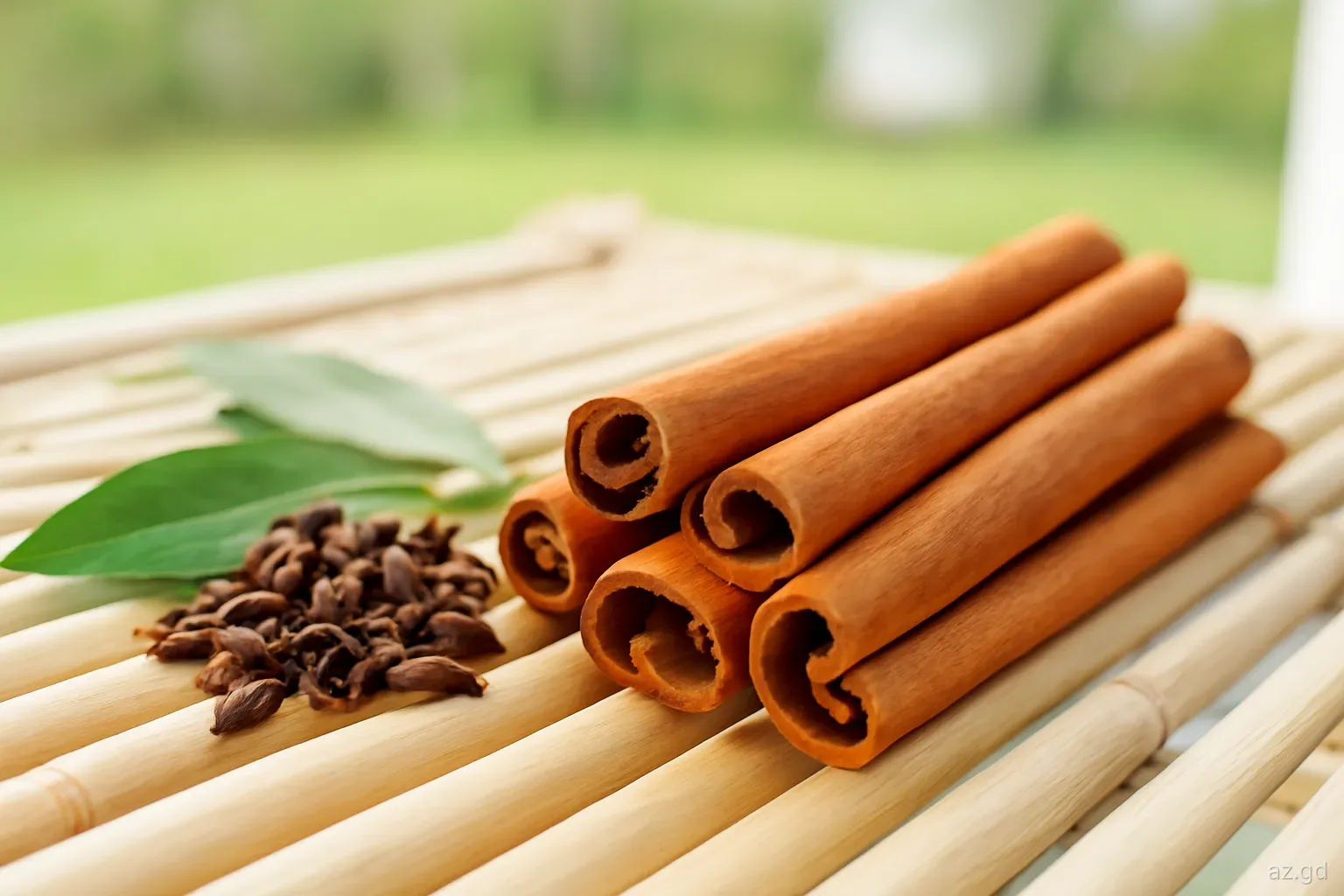
Cinnamon bark. Grenadian cinnamon is often sold as rough pieces of bark or rolled quills rather than neat sticks. It is fragrant and useful for cocoa tea, drinks and baking.
Cocoa balls or sticks. Locally made rounds or sticks of ground cocoa and spices for making cocoa tea. A distinctively Grenadian product.
Bay leaf, cloves and allspice. West Indian bay leaf is aromatic and distinctive. Cloves and allspice (pimento) are also grown locally.
Turmeric. Locally called "saffron", sold dried and ground or as fresh roots. Fresh roots are usually restricted by customs abroad; dried is safer.
Nutmeg products. Nutmeg jam, jelly, syrup and oil-based rubs are popular gifts. Check liquid limits for hand luggage.
How to judge quality
Spending a minute checking each item avoids most disappointments:
- Nutmeg: choose heavy, solid kernels with no tiny holes, which can indicate insect damage. Scratch one with a fingernail: fresh nutmeg releases an oily, strong aroma.
- Mace: look for bright orange-red to golden blades, flexible rather than brittle, with a strong scent. Dull brown or powdery mace is old.
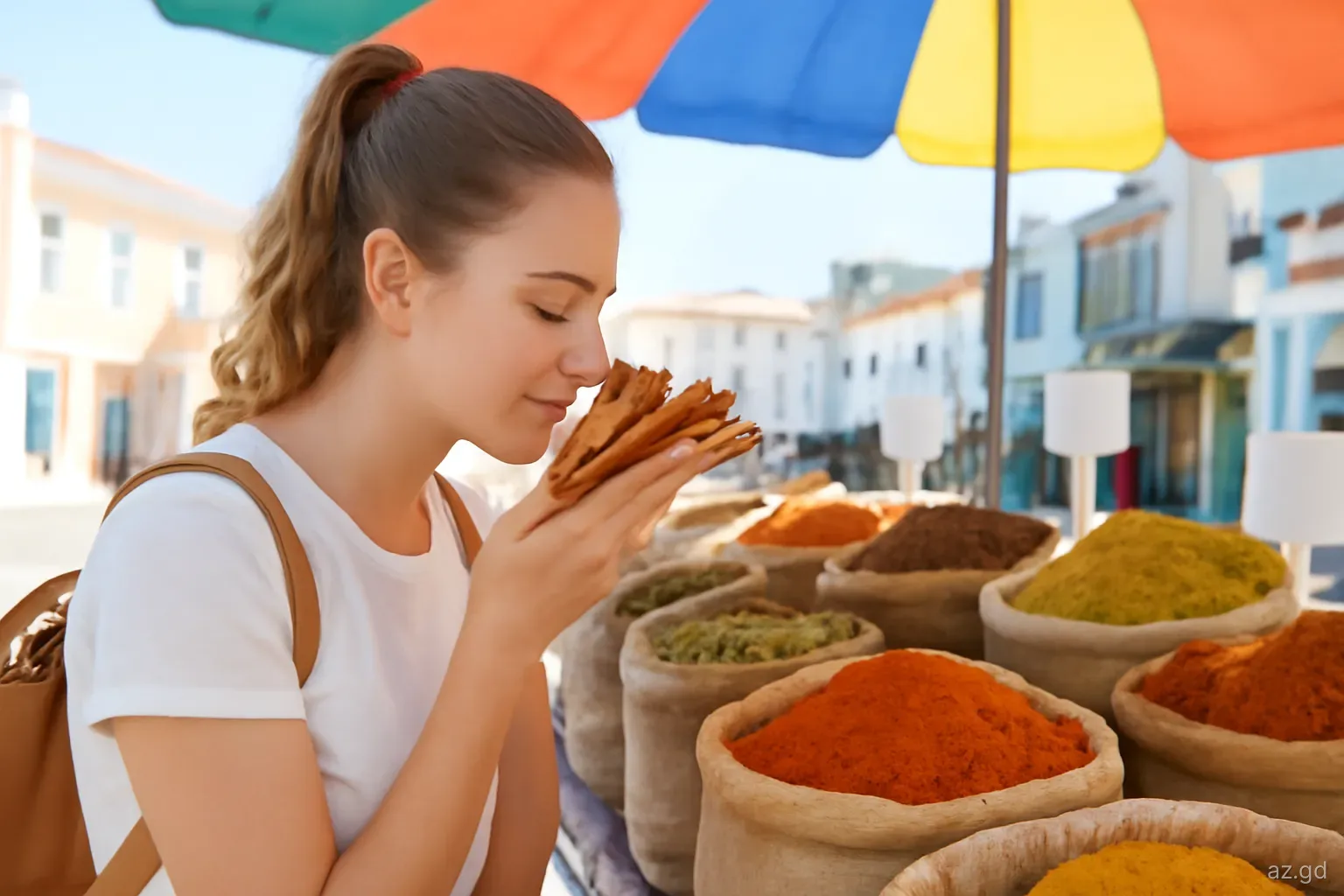
- Cinnamon: smell it. Good bark is sweet and pungent. Pale, odourless pieces are old or of poor quality.
- Cocoa balls: they should smell strongly of chocolate and spice, with no mould. A greyish bloom on the surface is cocoa butter and usually harmless.
- Packaged spices: check for a producer name and packing or expiry date. Small Grenadian producers often label clearly.
- Spice baskets: look inside. Some contain good whole nutmeg and mace; others are padded with large bay leaves, bits of bark and low-grade spice.
Where to buy
Market Square, St George's. The main market, busiest on Saturdays, has spice vendors selling nutmeg, mace, cinnamon, cocoa balls, turmeric, bay leaf and spice mixes, alongside fresh produce. Prices are usually reasonable, and some vendors grow their own spices. Compare a few stalls before buying.
Estates and processing stations. Belmont, Dougaldston and other estates sell spices and chocolate, and the Gouyave Nutmeg Processing Station sometimes sells packets. Prices may be higher than at the market, but buying at the source supports growers and you can ask questions about where the spice came from.
Supermarkets. Major supermarkets in St George's, Grand Anse and Grenville stock locally packed spices, cocoa balls and nutmeg products at fair prices, with clear labels and dates. Often the best value for bulk purchases.
Beach and cruise vendors. Convenient, and some sell good products, but prices tend to be higher and quality varies. Check before you pay. The airport has shops with spices and chocolate, useful for last-minute gifts but usually more expensive.
What things cost
Prices vary by season, supply and where you shop, so treat these as rough guides only and check on the day. A small bag of whole nutmegs or a spice sampler might cost somewhere in the region of EC$5–20 (US$2–7) at Market Square or a supermarket, with mace usually more expensive per gram. Cocoa balls and sticks are typically inexpensive, a few EC dollars each.
Decorated spice baskets range much more widely, from a few US dollars for a small basket to considerably more for large or elaborate ones. Estate and airport shops generally charge more than the market or supermarkets.
Bargaining is not a strong tradition in shops and supermarkets. At market stalls and with beach vendors a little friendly negotiation, especially when buying several items, is sometimes accepted, but it should be polite. Many vendors depend on these sales, and the starting price is often already modest.
Buying spices as gifts
Spices make good gifts because they are light, inexpensive and genuinely useful, but presentation and freshness matter. For friends who cook, a small bag of whole nutmegs with a little grater, a few blades of mace and a cocoa ball with instructions for cocoa tea make a more practical present than a large decorative basket. For colleagues or a crowd, small labelled packs from a supermarket or estate are easy to divide and travel well.
Buy most gifts towards the end of your trip so they are as fresh as possible, but not at the last minute at the airport. Saturday at Market Square is the best day for choice. If you want to support small producers, look for packs that name the farm or maker, which is common for Grenadian spices and nutmeg products sold in supermarkets and estate shops.
Remember that recipients abroad may never have seen whole nutmeg or West Indian bay leaf. A short note on how to use them, written by you, makes the gift far more likely to be used.
Customs at home: the main points
Declare food and plant products. Most countries require you to declare food and plant items on arrival. Declaring allowed items rarely causes problems; failing to declare can lead to fines.
Dried spices are generally allowed. Commercially dried, packaged spices such as nutmeg, mace, cinnamon, cloves and ground turmeric are generally permitted for personal use by the United States, United Kingdom, Canada and the European Union, subject to inspection.
Fresh produce and seeds are restricted. Fresh turmeric and ginger roots, whole nutmeg fruit, seeds or seedlings for planting, soil and plant cuttings are typically prohibited or need permits. Do not try to bring back nutmeg seedlings or cocoa pods.
Australia and New Zealand are stricter. Both countries have very strict biosecurity rules. Spices, nuts, seeds and woven baskets may all need declaring and inspection, and some items are refused.
Check official guidance. Rules change. Check the guidance of the relevant authority, such as US Customs and Border Protection, the UK government, the Canadian Food Inspection Agency or your national customs service, before travelling.
Packing and common mistakes
A few practical points protect your purchases and avoid trouble:
- Seal everything. Spices are strongly aromatic. Double-bag them or use sealed jars so clothes do not smell of nutmeg for weeks.
- Watch liquids. Nutmeg syrup, jam, jelly and oil-based rubs count as liquids or gels for hand-luggage limits. Pack them in checked luggage, wrapped well, or buy after security.
- Keep receipts and labels. Commercial packaging with labels helps at customs.
- Do not buy only at the airport. Selection is limited and prices higher.
- Avoid unlabelled powders. Ground spice mixes of unknown origin or age are harder to judge and may be refused by strict customs authorities.
- Mind woven baskets. Strict countries may inspect or treat natural fibres. Consider buying spices without the basket if travelling to Australia or New Zealand.
Frequently asked questions
Can nutmeg be taken out of Grenada?
Yes. Grenada places no restrictions on visitors taking reasonable quantities of spices home. The rules that matter are those of your destination country, where commercially dried spices such as whole nutmeg are generally permitted for personal use but should be declared.
Is it better to buy spices at the market or at the airport?
The market and supermarkets usually offer better prices, fresher stock and wider choice. Airport shops are convenient for last-minute gifts but tend to be more expensive and have a smaller selection.
Are spice baskets good value?
Some are, some are not. Look inside before buying: good baskets contain whole nutmeg, mace, cinnamon and cloves, while poorer ones are padded with large bay leaves and low-grade pieces. For cooking, buying spices loose or in labelled packs is often better value.
How long do Grenadian spices keep?
Whole nutmeg and cinnamon bark keep their aroma for a year or more when sealed and stored away from heat and light. Mace and ground spices fade faster, usually within several months. Cocoa balls keep for months in a cool, dry place.
Can fresh turmeric or ginger be brought home?
Usually not without permits. Fresh roots, seeds, seedlings and soil are generally restricted by countries such as the United States, United Kingdom, Canada, Australia and EU members. Dried, ground turmeric and ginger are normally permitted for personal use.