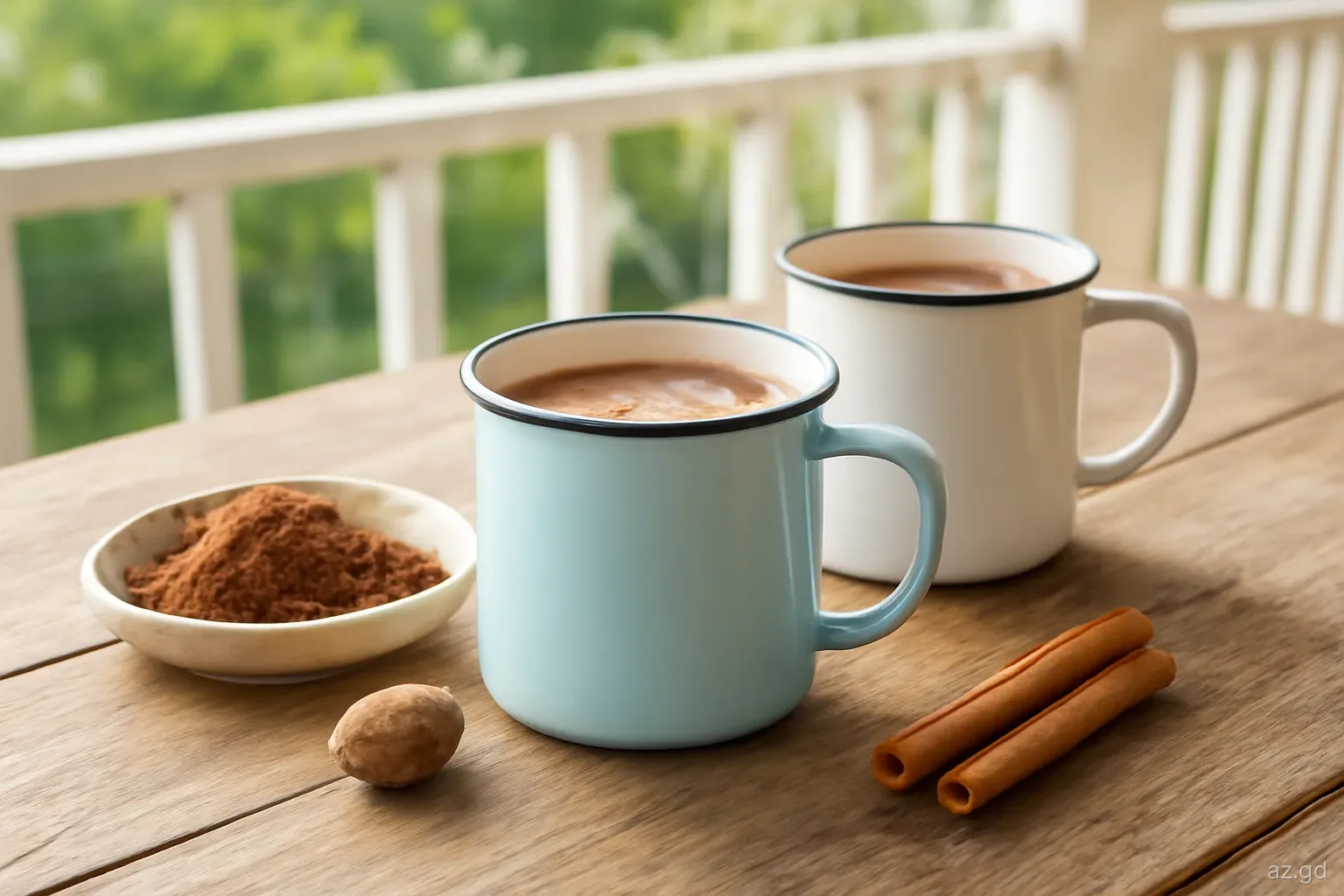
Long before Grenada had chocolate factories, it had cocoa tea. Made by grating a homemade ball of roasted, ground cocoa into boiling water with cinnamon, bay leaf and nutmeg, then sweetening it and adding milk, it is the traditional breakfast drink of many Grenadian homes, especially in the countryside. It is rich, slightly gritty, spiced and very different from instant hot chocolate.
The name puzzles visitors, since there is no tea leaf involved. In Grenada, as in much of the Caribbean, "tea" has long been used for any hot drink taken in the morning, so cocoa tea, bush tea and even a cup of coffee can all be called tea. Breakfast itself is sometimes simply called "tea".
This guide explains how cocoa balls are made, how to brew cocoa tea at home, how to buy good cocoa balls and the mistakes to avoid.
Cocoa balls and sticks: what they are
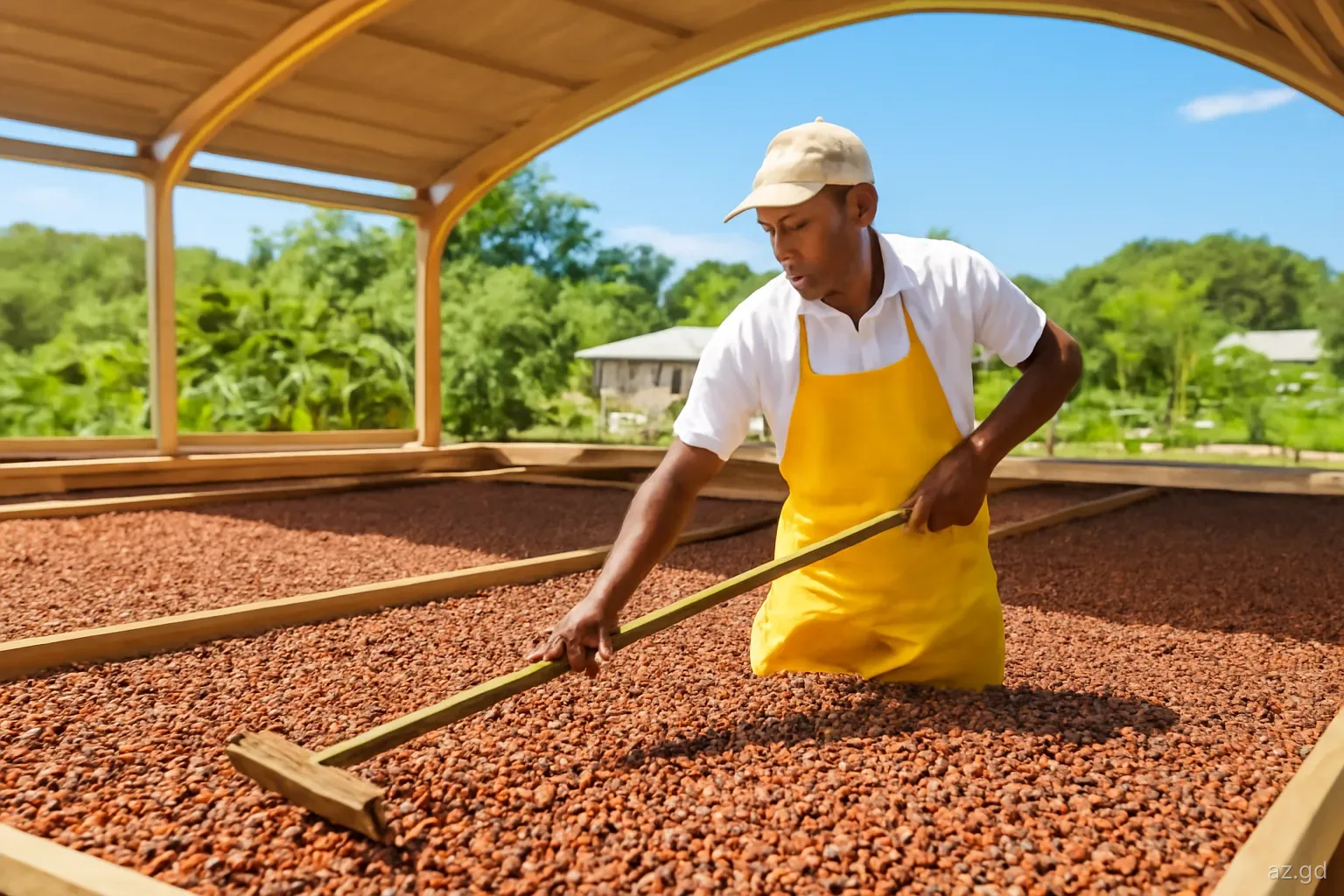
A cocoa ball is a hard, dark lump of pure ground cocoa, often mixed with spices, shaped by hand into a ball or a log. It is made from cocoa beans that have been fermented, dried and roasted, then shelled and pounded or ground until the cocoa butter in the beans melts into a thick paste. That paste is seasoned, rolled and left to harden.
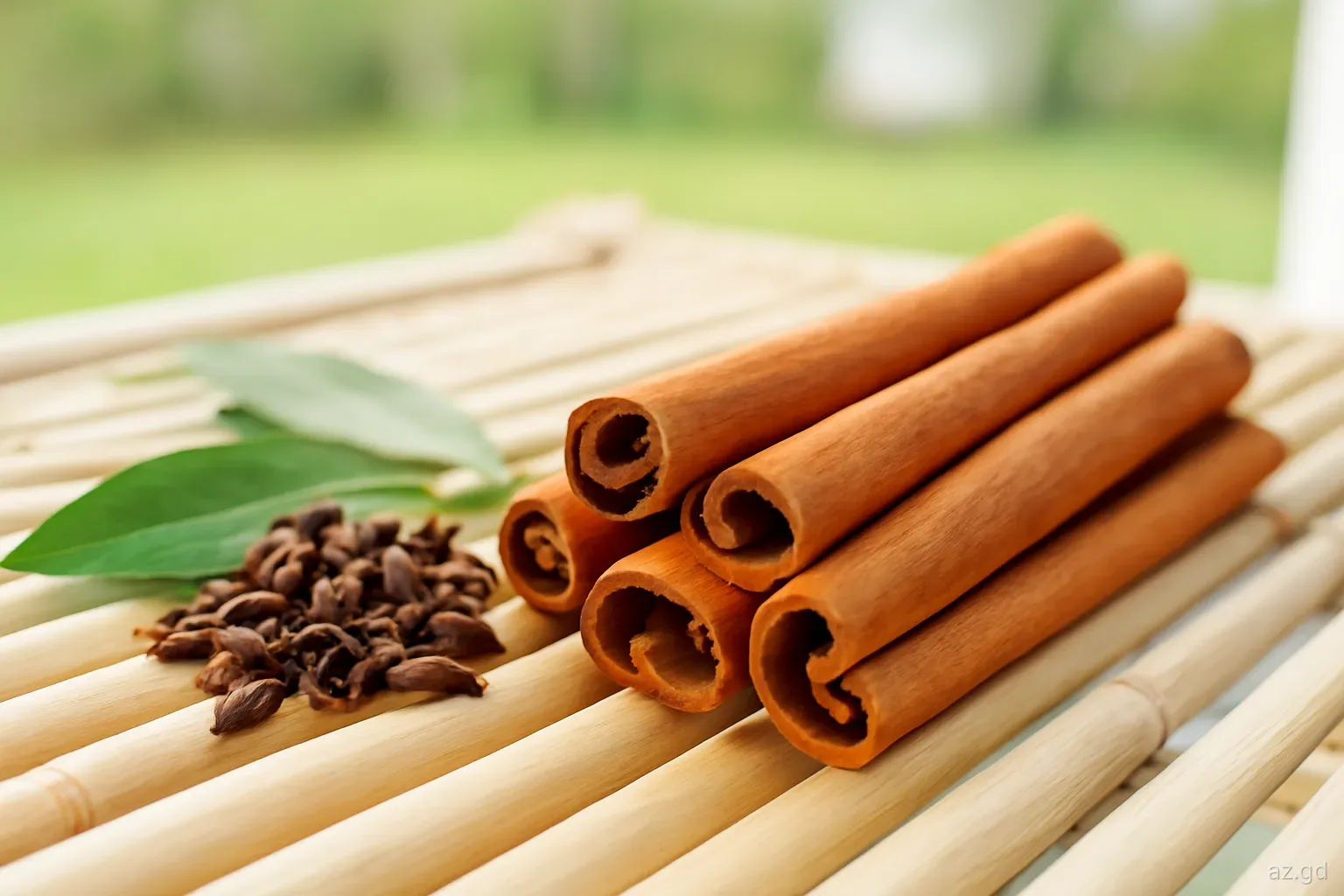
Traditionally cocoa balls were made at home by families who grew cocoa, using a mortar and pestle or a hand mill, and many rural households still make their own. Spices are often ground in with the cocoa: cinnamon, nutmeg, bay leaf, cloves or a little vanilla. Some makers add none, leaving the spicing to the cook.
Cocoa balls and sticks are sold at Market Square in St George's, at markets and roadside stalls, in supermarkets and at estates. They are unsweetened and contain all the natural cocoa butter, which is why cocoa tea has a rich, oily surface quite unlike drinks made from cocoa powder.
How cocoa balls are made at home
Making cocoa balls is laborious, which is why most people now buy them. The traditional method goes like this:
- Start with fermented, dried cocoa beans of good quality. Poorly fermented beans make bitter, flat cocoa.
- Roast the beans in a heavy pot or on a baking tray, stirring constantly, until they smell of chocolate and the shells crack and loosen. This usually takes 15–30 minutes over moderate heat.
- Let them cool slightly, then crack and peel off the shells, blowing or fanning away the papery husk. This is slow work by hand.
- Pound the roasted nibs in a mortar or pass them through a hand mill or modern grinder. As the cocoa butter is released, the nibs turn into a thick, sticky paste.
- Mix in ground spices, such as cinnamon, nutmeg and bay leaf, if using.
- While the paste is warm, roll it into balls or sticks with your hands, then leave them to cool and harden on a tray or banana leaf. Once dry, they keep for months.
How to brew cocoa tea
Every household has its own recipe, but this method makes about four cups. Adjust spice, sweetness and milk to taste.
- Grate about two tablespoons of cocoa ball, or roughly one small ball, per two cups of water. A fine grater works best.
- Bring about four cups of water to the boil with a piece of cinnamon bark, one or two West Indian bay leaves and a small piece of nutmeg or a grating of it.
- Add the grated cocoa and stir. Simmer gently for 10–15 minutes, stirring now and then, so the cocoa dissolves fully and the spices infuse.
- Some cooks thicken the tea with a teaspoon of flour, cornstarch or arrowroot mixed with a little cold water and stirred in during the last few minutes. This is optional and gives a creamier body.
- Add milk to taste, traditionally evaporated milk or sweetened condensed milk, and sweeten with sugar if you did not use condensed milk.
- Remove the cinnamon and bay leaves, stir well and serve hot. Grate a little fresh nutmeg on top if you like. Some people strain it through a fine sieve for a smoother drink.
When and how it is drunk
Cocoa tea is above all a breakfast drink. A classic Grenadian breakfast might be a mug of cocoa tea with bakes and saltfish, buljol or smoked herring, or simply with bread and butter or a slice of sweet bread. It is a particular favourite on Sunday mornings, on Christmas morning and on cool, rainy days in the interior.
Many older Grenadians remember cocoa tea as the drink of childhood, made by grandparents from cocoa grown on the family land. It is also made for visitors as a gesture of hospitality, and some guesthouses and local restaurants offer it at breakfast. Estates such as Belmont often include cocoa tea or chocolate drinks as part of the visit.
The drink also has close relatives around the region: St Lucia, Dominica, Trinidad and Tobago and other islands have their own cocoa tea traditions using similar balls or sticks, each with small differences in spicing and thickening. Grenadians tend to be firm that their own version, made with Grenadian cocoa, is the best.
Cocoa tea is filling and rich in cocoa butter, so a mug is satisfying on its own. It contains some caffeine and theobromine from the cocoa, though usually less caffeine than strong coffee.
Buying good cocoa balls
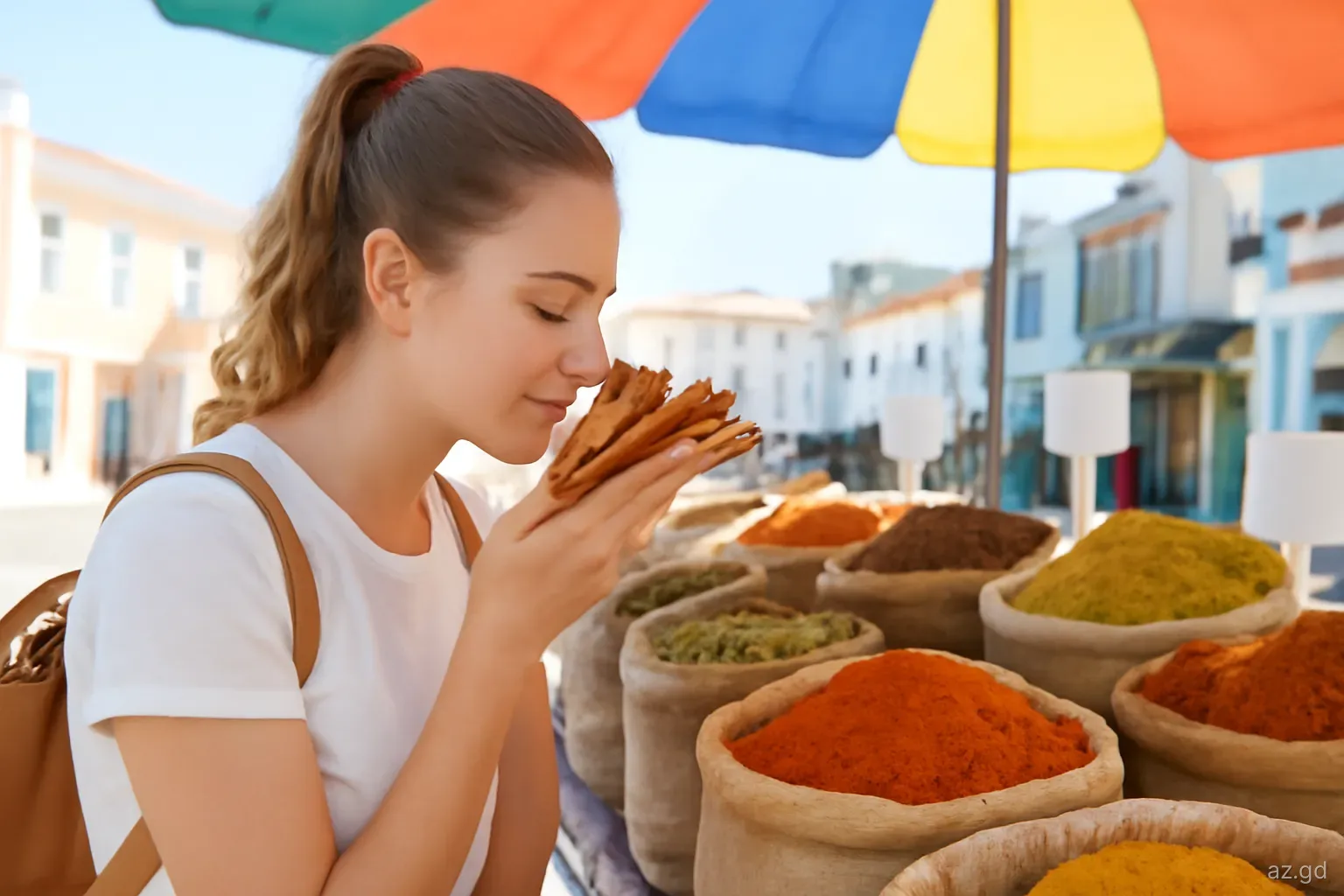
Smell first. Good cocoa balls smell strongly of chocolate and spice. Weak or musty smells suggest old stock or poorly fermented beans.
Check the surface. A pale grey or whitish film is fat bloom, cocoa butter rising to the surface. It is harmless and does not affect taste. Fuzzy, green or furry spots are mould; avoid those.
Ask about spices. Some cocoa balls are pre-spiced; others are plain. Ask the vendor, so you know whether to add your own cinnamon, bay and nutmeg.
Price. Cocoa balls are inexpensive, typically a few EC dollars each at markets and supermarkets, with estate and gift-shop prices higher. Prices change; check on the day.
Storage. Keep cocoa balls in a sealed container in a cool, dry place away from strong smells. They keep for months. In very hot, humid conditions they may soften; refrigeration helps, though it can encourage bloom.
Taking them home. Cocoa balls are processed cocoa products and are generally allowed for personal use by most countries, though you should declare food items where required and check the rules at your destination.
Common mistakes and how to fix them
Cocoa tea is simple, but these problems are common the first time:
- Gritty texture. Grate the cocoa finely and simmer long enough, at least 10 minutes. Strain if you prefer a smooth drink.
- Oil on the surface. This is cocoa butter and is normal. Stir before drinking; some people skim off a little.
- Bitter or flat taste. Use good cocoa balls and enough sugar or condensed milk. Very cheap cocoa balls may contain poorly fermented beans.
- Too much bay leaf or nutmeg. West Indian bay leaf is strong, and too much nutmeg is unpleasant and, in large amounts, unwise. One or two leaves and a small grating are enough.
- Boiling hard after adding milk. Evaporated milk can catch on the bottom of the pot. Add milk near the end and keep the heat gentle.
- Using cocoa powder as a substitute. It works in a pinch, but lacks the richness of cocoa balls because most of the cocoa butter has been removed.
Frequently asked questions
Why is it called cocoa tea if there is no tea in it?
In Grenada and much of the Caribbean, "tea" traditionally refers to any hot drink taken in the morning, and breakfast itself is sometimes called tea. Cocoa tea is simply the hot cocoa drink served at that meal, with no tea leaves involved.
What is a cocoa ball made of?
A cocoa ball is made from fermented, dried and roasted cocoa beans that are shelled and ground into a paste, often mixed with spices such as cinnamon, nutmeg and bay leaf, then rolled into a ball and left to harden. It contains no sugar or milk.
Where can cocoa balls be bought in Grenada?
Cocoa balls and sticks are sold at Market Square in St George's, the Grenville market, roadside stalls, supermarkets and estate shops such as Belmont. They are inexpensive, and buying a few to take home is a popular way to bring back a taste of Grenada.
Is cocoa tea the same as hot chocolate?
They are related, but cocoa tea is made from whole ground cocoa with all its natural cocoa butter, simmered with spices such as cinnamon, bay leaf and nutmeg. It is richer, earthier and less sweet than most hot chocolate made from powder or bars.
Can cocoa tea be made without milk?
Yes. Some people drink it with water and sugar only, and plant milks such as coconut, oat or soy work well. Coconut milk suits the spices particularly. Adjust sweetness, as condensed milk usually provides much of the sugar.